

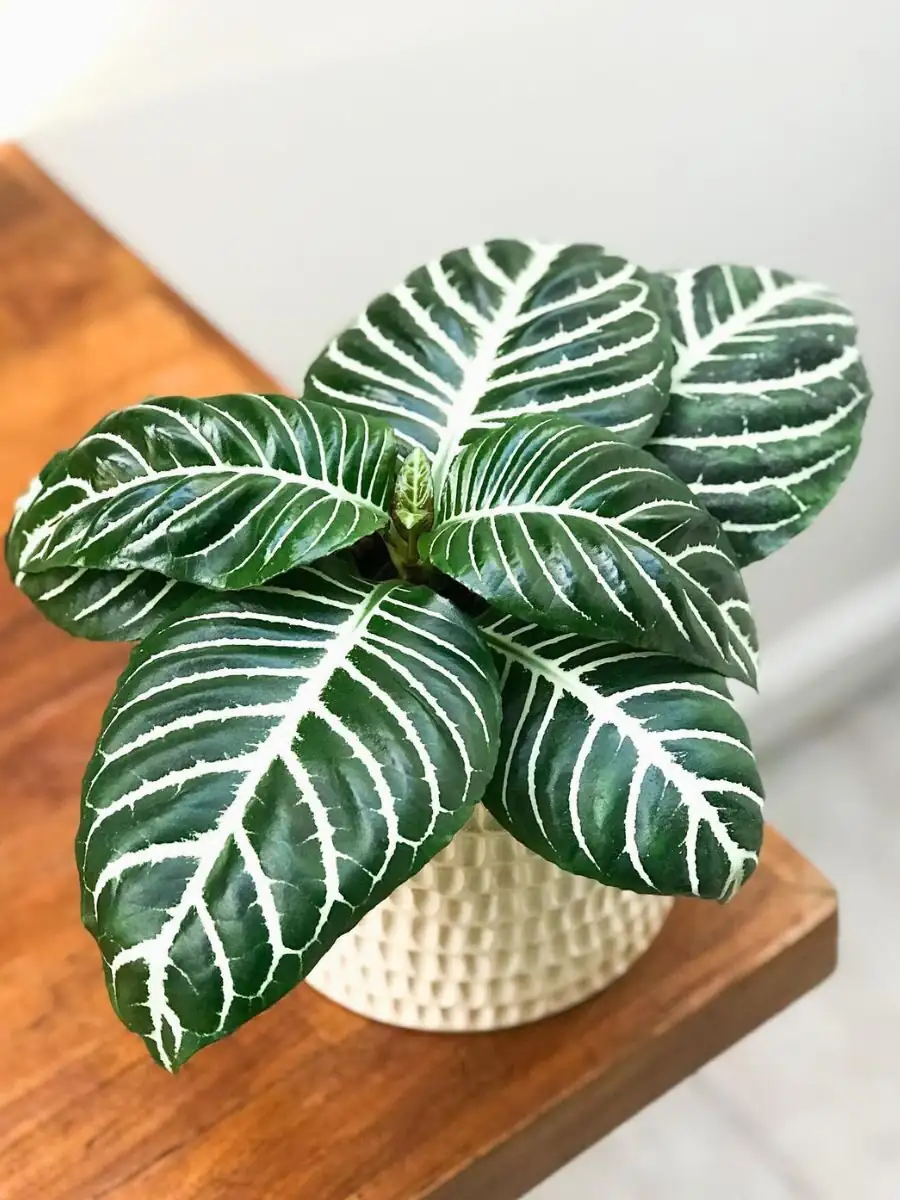
Think of your Zebra Plant (Aphelandra squarrosa) as a tropical show car: glossy green leaves striped in creamy “zebra” veins with a golden fin on top when it blooms. It looks high-maintenance, but with the right pit crew routine you can diagnose problems fast and outmaneuver spider mites, mealybugs, scale, and rot—using simple, safe, home-friendly treatments.
Use this as your quick, confidence-boosting playbook: spot the symptom, pick the fix, prevent a repeat.
First, set the plant up to win (the fast baseline)
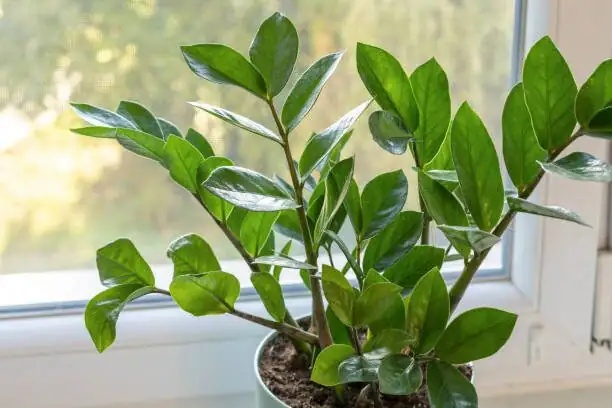
- Light: Bright, indirect light to gentle morning sun. Avoid harsh midday rays (scorch) and very dim corners (weak growth, fewer blooms).
- Temperature: Steady warmth is key—about 59–81°F (15–27°C). Buds form best in consistent warmth above ~68°F (20°C). Keep winter nights at or above 50–55°F (10–13°C); protect from drafts.
- Humidity: Aim for 50–60% minimum; 60–80% is plant bliss. Use a humidifier, pebble tray, plant grouping, and occasional light misting (avoid leaving foliage wet for hours).
- Watering: Keep evenly moist in spring–autumn; never waterlogged. Let the surface just begin to dry before watering again. In winter, water when the surface is nearly dry (often every 7–14 days), but don’t let the root ball fully dry out.
- Water quality: Use rain, distilled, or filtered water if possible—minerals in tap water can cause brown tips/edges.
- Soil & pot: Rich, airy mix (peat/coco + perlite/bark). Drainage holes are non-negotiable. Repot annually in spring with fresh mix.
- Airflow: Good airflow reduces leaf spots and pest pressure—without cold drafts.
These basics alone prevent most outbreaks and make recovery much faster.
Symptom decoder: what you see and what it means
Spider mites (the “dust + webs” culprits)
- Look for: Tiny tan or red specks; fine webbing in leaf axils; dull, stippled leaves that feel dry. Thrives in dry, warm rooms.
- Quick test: Tap a suspect leaf over white paper—moving pepper-like dots = mites.
Mealybugs (the “tiny cotton balls”)
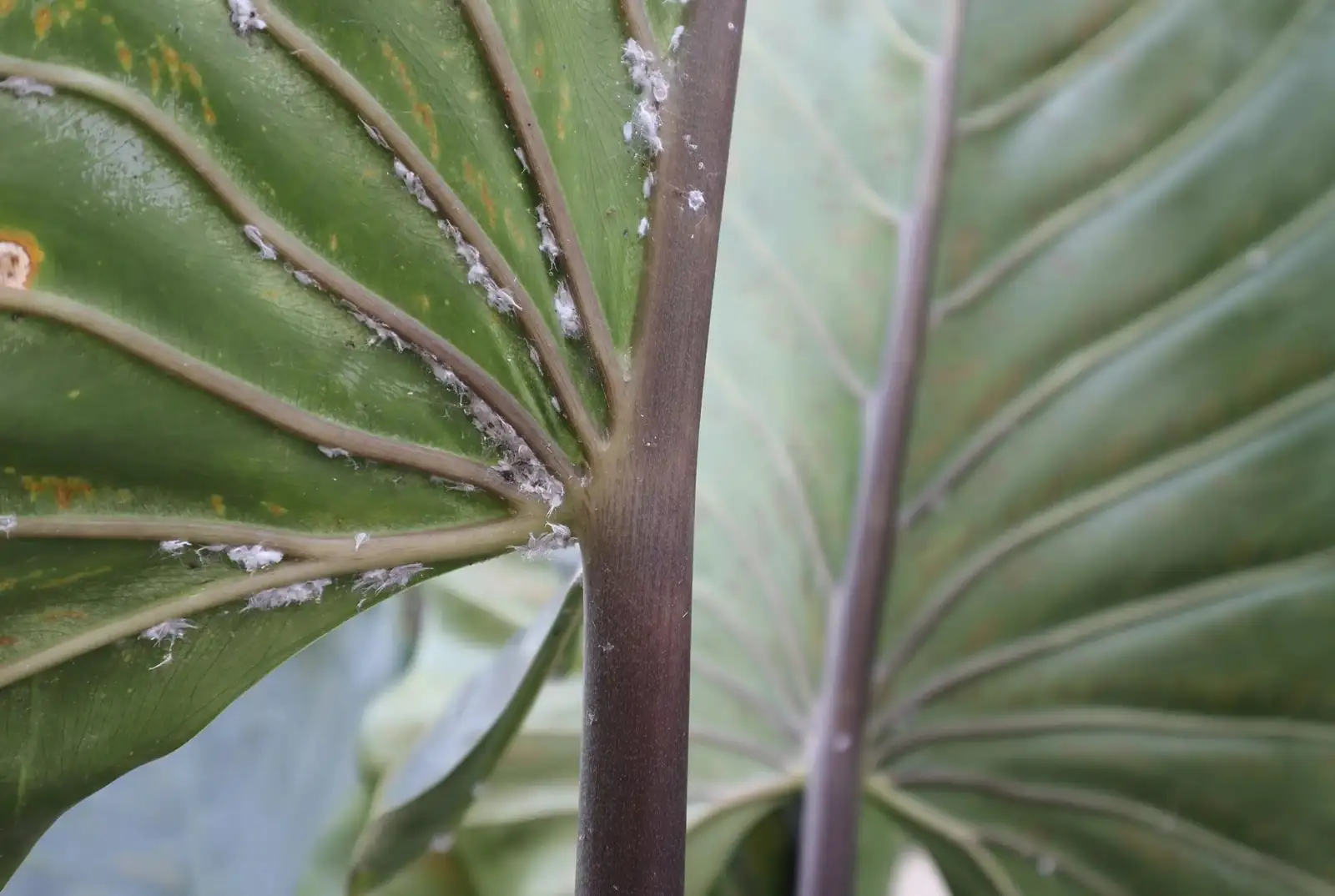
- Look for: White cottony tufts in leaf axils, along veins, under leaves, or at nodes; sticky honeydew; sooty mold can follow.
Scale (the “stuck-on bumps”)
- Look for: Brown/tan immobile bumps along stems, midribs, and leaf undersides; may ooze honeydew. A gentle scratch lifts them off.
Rot (root or stem) from soggy, stagnant conditions
- Look for: Wilting or droopy leaves despite moist soil; yellowing lower leaves; sour smell; brown, mushy roots or stem base when unpotted.
Pro tip: Zebra plant also drops leaves if it dries out even once, or gets chilled/drafty. Crisp edges = low humidity or salts; mushy tissue = rot.
The 5-minute fixes (safe, home-friendly)
Always isolate the plant first. Treat out of direct sun. Test-spray a leaf patch and wait 24 hours—Aphelandra’s tender leaves appreciate caution.
Spider mites: rinse, humidify, smother
- Rinse: Take the plant to a sink/shower. Gently spray the undersides and leaf axils to break webs and knock mites off.
- Raise humidity: Keep 50–60%+ to make conditions less mite-friendly (but don’t keep leaves constantly wet).
- Spray: Apply insecticidal soap or a houseplant horticultural oil at label rate, coating undersides thoroughly.
- Repeat: Reapply weekly for 3–4 weeks (mite eggs hatch in waves).
- Clean up: Dust leaves regularly and improve airflow; check nearby plants.
Mealybugs: spot-swat + soap/oil
- Manual removal: Dab visible mealybugs with a cotton swab dipped in 70% isopropyl alcohol; wipe away.
- Spray: Follow with insecticidal soap or horticultural oil (label rate), working into leaf axils and undersides.
- Inspect roots (if infestation is heavy): Root mealybugs appear as cottony bits in the root zone—rinse roots, repot in fresh mix, and discard old soil.
- Repeat: Weekly for 3–4 weeks. Prune badly infested leaves/spent flower spikes.
Scale: pry + suffocate
- Gently lift: Use a fingernail or soft brush to dislodge adult scales. Wipe with alcohol on a cotton swab.
- Spray: Follow with horticultural oil (or insecticidal soap) to suffocate crawlers you can’t see.
- Repeat: Every 7–10 days for 3–4 cycles. Check stems, midribs, and the undersides carefully.
Rot rescue: refresh roots and restart

- Unpot and inspect: Healthy roots are firm and cream/white; rotted ones are brown, mushy, and may smell sour.
- Trim: Sterilize scissors; remove all mushy roots. Rinse away old soil.
- Repot: Use a fresh, airy mix in a pot just one size up with free drainage.
- Reset watering: Water once to settle, then allow the surface to become nearly dry before the next watering. Keep warm, bright, and humid.
- Hold fertilizer: Pause feeding for 3–4 weeks. If top growth is large and roots were heavily trimmed, lightly prune stems to balance.
Optional for leaf spots: Improve airflow, water the soil (not the leaves), and remove worst-affected leaves. If needed, use a houseplant-safe fungicide as directed.
Your home treatment toolkit
- Spray bottle with distilled or filtered water
- Insecticidal soap and/or horticultural oil labeled for houseplants
- 70% isopropyl alcohol + cotton swabs/pads
- Soft brush or old toothbrush (for scale)
- Clean shears; paper towels; gloves
- Humidifier or pebble tray
- Fresh potting mix (peat/coco + perlite/bark) and a drainage pot
Prevention checklists
Weekly 60-second scan
- Check leaf undersides, vein axes, and stems for webbing, cottony tufts, or bumps.
- Feel the soil: top just turning dry before rewatering.
- Wipe a couple of leaves—clean leaves deter pests and help photosynthesis.
- Peek at humidity (aim 50–60%+).
Monthly maintenance
- Flush the pot with clean water to reduce salt buildup (especially if using tap water).
- Groom: remove yellowing/leaves and any faded bracts/spikes.
- Clean the pot tray and nearby surfaces (pest eggs can hide there).
Environment tune-up
- Light: East window or bright filtered light; pull back from south/west sun.
- Airflow: Gentle circulation, no cold drafts.
- Watering: Evenly moist, not soggy; in winter, space waterings but never let the root ball bone-dry.
- Humidity: Group plants, run a humidifier, or set up a pebble tray; mist lightly in the morning if air is very dry.
- Quarantine: Isolate new plants for 2–3 weeks before placing near your Zebra Plant.
- Repot: Annually in spring with fresh, free-draining mix.
- Feeding: Spring–summer, a balanced liquid fertilizer about every 2 weeks (many growers use half-strength). Reduce in autumn–winter unless actively growing.
- After bloom: Remove spent spikes and lightly cut back stems above lower leaves to encourage branching and keep it compact.
Fast FAQs you’ll use
- Why are leaves falling? Usually a dry spell, low humidity, chills, or drafts. Rebalance watering, warm it up, and lift humidity.
- Brown, crispy edges? Often low humidity or mineral-laden tap water. Switch to rain/distilled water and raise humidity.
- Is it safe around pets? Not widely listed as seriously toxic, but any plant can cause mild stomach upset if chewed. Keep out of nibbling range.
Bloom notes (so you know what you’re seeing)
Those big, bright “petals” are actually bracts—like showy flags. The true flowers are small orange tubes tucked between bracts. Indoors, the display can last for weeks, often late summer to autumn when warmth and bright, indirect light are steady.
A quick note on symbolism
Zebra Plant is often linked with boldness and vibrant energy—its high-contrast leaves and golden bracts look confident and dramatic. Unlike old European flower-language traditions tied to historical events, this association is contemporary and visual: a plant that broadcasts presence. Place it where you want a room to feel alive and intentional.
—
Bottom line: keep it warm, bright, evenly moist, and humid. Catch pests early with a weekly glance, and treat with gentle soap or oil. If rot sneaks in, reset the roots and start fresh. Do this, and your Zebra Plant will keep strutting its stripes—and you’ll feel like a plant pro every time you pass by.