

Picture a porcelain bowl on a cool windowsill, brimming with glossy leaves and winter-bright blooms. At center stage: Belgian Azalea—Rhododendron Simsii Group—the classic florist azalea that explodes into color just when the garden is asleep. Now, imagine dressing that bowl with the right entourage: camellia, pieris, skimmia, dwarf heathers, ferns, and velvet moss. This is the acid-lover’s ensemble—plants that share a taste for cool air, soft light, and low-pH soil. Get the chemistry right and your display will look lush for months. Mix in alkaline-lovers, though, and the whole cast starts to quarrel.
Here’s how to design beautiful, long-lasting combinations—and why the “one pot, one pH” rule matters.
Meet the star: Belgian Azalea in brief
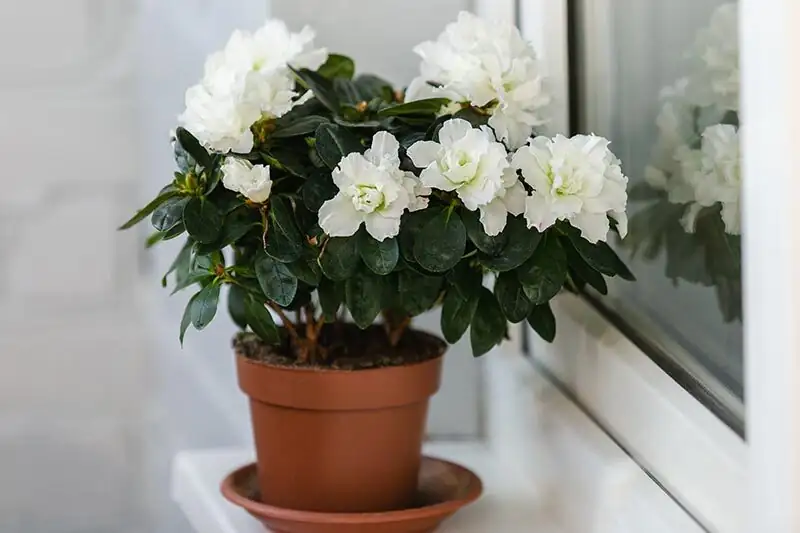
- What it is: Rhododendron Simsii Group (often sold as Rhododendron indica in the trade), bred in European greenhouses for compact, heavy winter–spring flowering.
- Habit and size: Densely branched, mounded evergreen shrub, typically 30–60 cm tall and wide; most gift plants are 30–40 cm in a 15–20 cm pot.
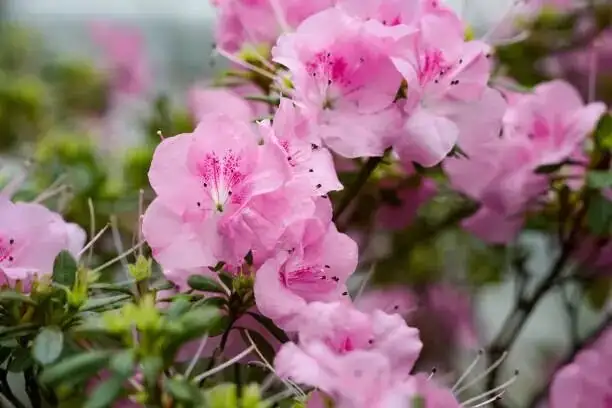
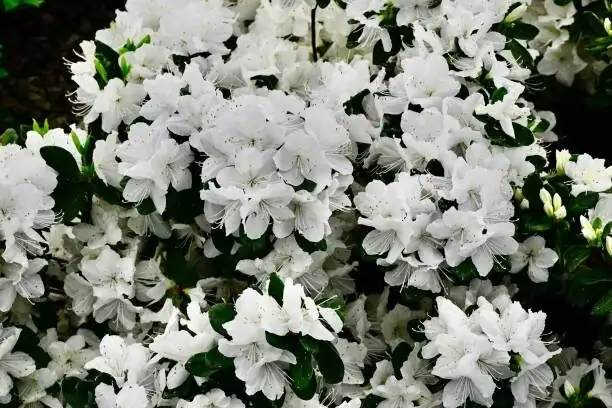
- Look: Glossy deep-green leaves; dense clusters of funnel-shaped blooms in pinks, reds, whites, and bicolors (from single to ruffled).
- Best conditions: Bright light with gentle sun (morning sun is ideal), cool-to-mild temperatures around 12–25°C, and steady moisture in an acidic, well-drained (ericaceous) mix.
- Bloom window: Primarily winter to spring; with excellent care, some plants can rebloom 2–3 times a year indoors.
Tip for choosing: For the longest show, pick a plant with plenty of plump buds and about 20% just opening.
The design principle: one pot, one pH
Azaleas, camellias, pieris, skimmia, heathers, ferns, and moss share a taste for acidic soil and cool, bright conditions. That makes them natural mix-and-match partners. The flip side is just as important: don’t tuck alkaline-lovers into the same container.
Why this matters:
- Chemistry decides color: At higher pH (above roughly neutral), iron and manganese are “locked up.” Acid-lovers show fast iron chlorosis—yellow leaves with green veins—while alkaline-lovers sulk in low pH. You can’t satisfy both camps in one pot.
- Watering rhythm: Ericaceous plants like evenly moist—not soggy—soil. Many alkaline-lovers (think Mediterranean herbs) demand sharp drainage and drier intervals. Shared soil means one or the other will suffer.
- Root sensitivities: Belgian azalea has fine, shallow roots that resent salts and compaction. It prefers an airy, organic, acidic mix. Plants adapted to limey or mineral soils don’t share that preference.
- Fertilizer conflicts: Acid-forming feeds and iron supplements benefit azalea but can stress lime-lovers; adding lime for alkaline-lovers will quickly harm azalea.
Bottom line: Group acid-lovers together in the same pot; keep alkaline-lovers in separate containers.
Your best cool, acid-loving companions
Camellia
- Role: A statuesque partner for flanking containers or large troughs; buds and blooms in cool seasons echo azalea’s elegant mood.
- Pairing tip: Use a separate but matching pot beside your azalea arrangement. Camellias tend to want deeper containers and grow larger over time.
Pieris (Pieris japonica and dwarf cultivars)
- Role: Year-round structure with glossy foliage, colorful new growth, and cascades of spring flowers.
- Pairing tip: Choose compact forms like ‘Little Heath’ for the same container with azalea. Their narrow leaves and tiered form contrast beautifully with azalea’s mounded habit.
Skimmia (Skimmia japonica)
- Role: Fragrant winter–spring buds and, on female plants, long-lasting berries after pollination.
- Pairing tip: Dwarf skimmias are excellent in a shared container. If berries matter, you’ll need a male nearby for pollination (often placed in its own pot in the same vignette).
Dwarf heathers (Calluna/Erica)
- Role: Fine texture and seasonal color that “grounds” the composition.
- Pairing tip: Tuck a low, compact heather at the rim of the pot. It thrives in the same acidity and cool light and knits the surface between larger shrubs.
Ferns
- Role: Lush, shady-poem foliage that softens edges and adds movement.
- Pairing tip: Evergreen, small-scale ferns (e.g., Polystichum, Asplenium) do well at the shadier side of the arrangement. Their moisture needs align with azalea’s “evenly moist” sweet spot.
Moss
- Role: A living green carpet that finishes the look and moderates surface drying.
- Pairing tip: Press sheet moss lightly onto the soil after planting; it acts like the perfect velvet mulch.
Container recipes that just work
1) The cool-woodland bowl (for tabletops and windowsills)
- Container: Wide, shallow bowl (30–35 cm diameter) with drainage holes.
- Planting:
- Center: Belgian Azalea (compact cultivar).
- Mid-layer: One dwarf Pieris or Skimmia.
- Edge: A ring of dwarf heather.
- Surface: Patches of moss; tuck in a small fern at the shadier back edge.
- Mood: Misty woodland—lush, textural, and serene.
2) The winter fireworks trough (balcony or porch)
- Container: Rectangular trough (60–80 cm) with excellent drainage.
- Planting:
- Focal: 1 Belgian Azalea offset to one side.
- Companions: 1 dwarf Pieris, 1 dwarf Skimmia.
- Fillers: 2–3 dwarf heathers threading the front edge.
- Finish: Moss to cover exposed mix.
- Tip: Give bright shade or morning sun; protect from harsh afternoon rays and heavy rain.
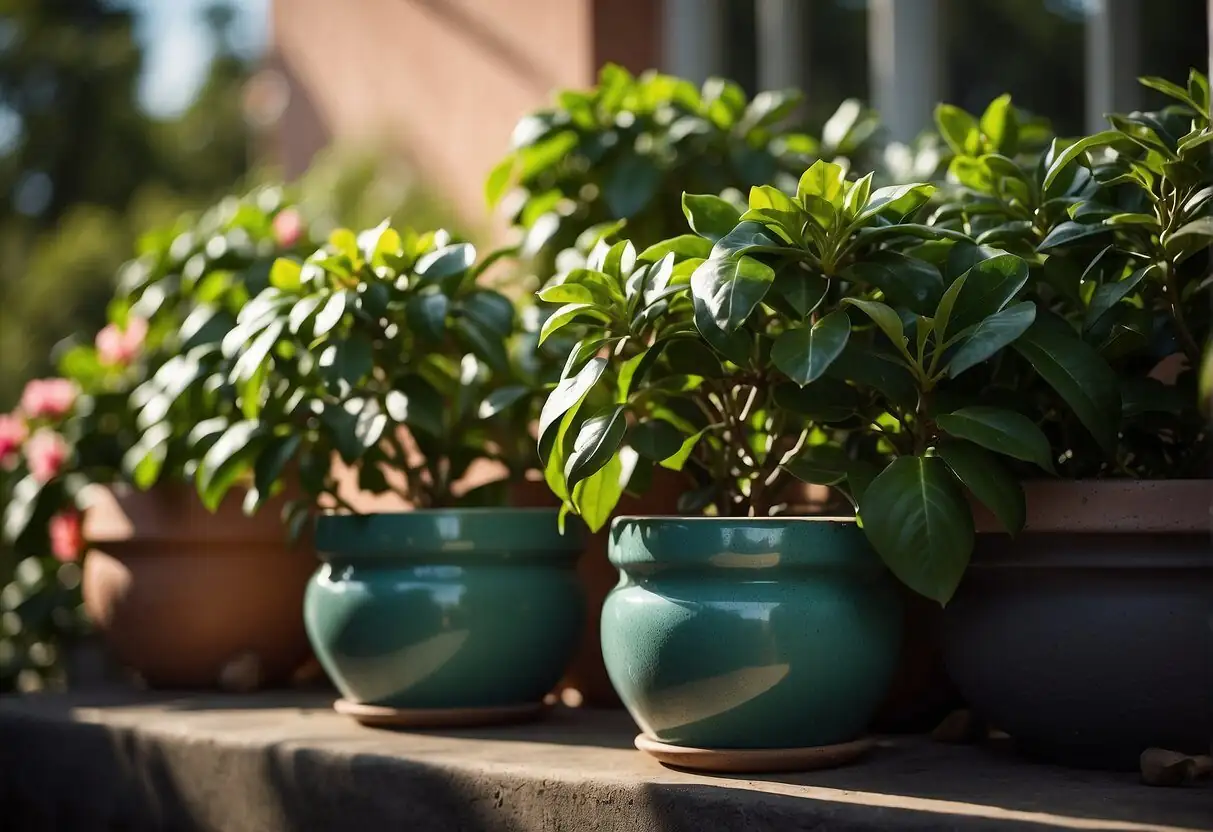
3) The camellia-and-azalea duet (paired pots)
- Containers: Two matching pots.
- Pot A: Belgian Azalea with a fern and moss skirt.
- Pot B: Compact Camellia (as the taller partner).
- Why this layout: Both get the same ericaceous mix and cool-bright placement, but each can be watered and root-managed on its own timetable.
4) The berry-and-bloom vignette (entryway)
- Container: Large round (40–45 cm).
- Planting:
- Center: Belgian Azalea.
- Companion: Female Skimmia for berries.
- Edge: Dwarf heather interplanted with moss.
- Note: Place a male Skimmia in a separate small pot within a meter for reliable pollination if berry display is the goal.
The right soil, water, and light for the whole ensemble
Soil mix
- Use an ericaceous potting mix formulated for azalea/camellia/rhododendron. These are naturally acidic (often around pH ~5–5.5) and frequently include added iron for deep green foliage.
- Add perlite or coarse sand to keep the mix loose and airy; Belgian azalea roots are shallow and need excellent drainage.
Potting and drainage
- Always choose containers with drainage holes; never let pots stand in water.
- Top-dress with fine bark or moss to slow surface drying and prevent splash.
Watering
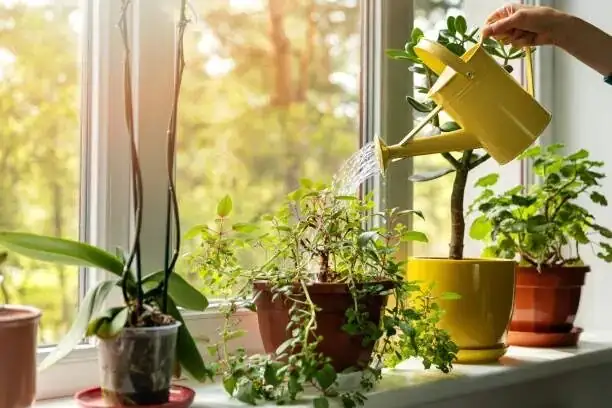
- Aim for consistently moist—not soggy—soil. Water thoroughly when the top 1–2 cm begins to dry, then drain well.
- Use rainwater where possible; hard, alkaline tap water can trigger iron chlorosis in acid-lovers.
- In cool indoor winters, smaller but more frequent sips can keep moisture steady during flowering.
Light and temperature
- Light: Bright light with gentle sun; morning sun from an east window is ideal. Outdoors, give bright shade or morning sun.
- Temperature: Cool-to-mild is best—around the mid-teens to low 20s °C. Keep above 10°C indoors in winter; protect from heat above 30°C.
- Humidity: Aim for 50%+ to prolong bloom and prevent bud issues. Use a humidity tray or light evening misting in hot, dry spells (avoid leaving foliage wet overnight in cool rooms).
Feeding
- During active growth, feed lightly every two weeks with a fertilizer for acid-loving plants. Avoid heavy salts; the roots are sensitive.
- If leaves yellow (with green veins), consider chelated iron to correct iron lock-up from alkalinity.
What not to pair in the same pot
Keep these in their own containers, even if you stage them nearby:
- Mediterranean herbs and lime-lovers: lavender, rosemary, thyme, sage, santolina.
- Plants that prefer neutral-to-alkaline or very free-draining, mineral soils.
- Heat-lovers and succulents that resent moisture and cool air.
Mixing them with azaleas leads to:
- Nutrient lock-out (chlorosis for acid-lovers; stress for alkaline-lovers).
- Conflicting watering needs (one rots while the other wilts).
- Fertilizer and pH management that can’t satisfy both.
Make the flowers last (and keep the whole pot pristine)
- Keep it cool, bright, and away from heaters or AC blasts.
- Maintain steady moisture and good airflow; avoid midday scorch.
- Don’t display next to ripening fruit—ethylene can cause bud and flower drop.
- After bloom: pinch or lightly prune Belgian azalea to keep it dense and rounded; repot in spring or just after flowering into fresh acidic mix.
Common hiccups:
- Bud drop before opening: warm, dry air; low light; erratic watering. Move to a cooler, brighter spot and even out moisture.
- Sudden leaf drop with stippling: spider mites in hot, dry conditions. Increase humidity, improve airflow, and treat early with insecticidal soap or horticultural oil.
- Yellowing leaves: often hard water or rising pH. Switch to rainwater and consider chelated iron.
Safety note: Florist azaleas contain grayanotoxins—keep away from pets and children.
A note on symbolism
Florist azaleas are classic winter gifts in Europe and Asia. Their language of flowers leans tender: the joy of love, gentle affection, elegance—and a soft “take care of yourself.” The sentiment likely grew from their off-season generosity: a shrub that brightens the coldest months rewards careful, consistent attention. Gift one and you’re offering both beauty and a wish for well-being.
Quick checklist for designing an acid-lover’s container
- Choose Belgian Azalea with many plump buds, ~20% opening.
- Combine only acid-lovers with similar cool-light preferences: pieris, skimmia, dwarf heathers, ferns, moss; stage camellia in a matching pot if space or root depth is a concern.
- Use an ericaceous, airy mix; water with rainwater; keep evenly moist, never waterlogged.
- Keep displays cool, bright, and humid; avoid hot, dry rooms.
- Feed lightly with an acid-loving fertilizer; correct chlorosis with chelated iron if needed.
- Prune after flowering; repot gently in spring or post-bloom.
Get the chemistry—and the company—right, and your Belgian Azalea will reward you with an exceptionally long, luminous show, perfectly framed by its cool-loving, acid-happy friends.