


Imagine a gray winter afternoon and a shop window brimming with glossy green shrubs frosted in pink, red, and white blooms. That instant lift you feel? It’s no accident. The Belgian Azalea—Rhododendron Simsii Group, the classic “florist azalea” often labeled as Rhododendron indica in trade—was bred precisely to bring greenhouse sunshine into the cold season. Yet this plant doesn’t just color winter—it carries centuries of poetry and quiet messages across cultures. From Chinese dujuan lore to Japanese hanakotoba and Victorian floriography, azaleas have been whispering about care, longing, modesty, and temperance for generations. Gift one in winter and you’re sending far more than a beautiful plant—you’re sending warmth, well-wishes, and a story.
Meet the Belgian Azalea (florist azalea)
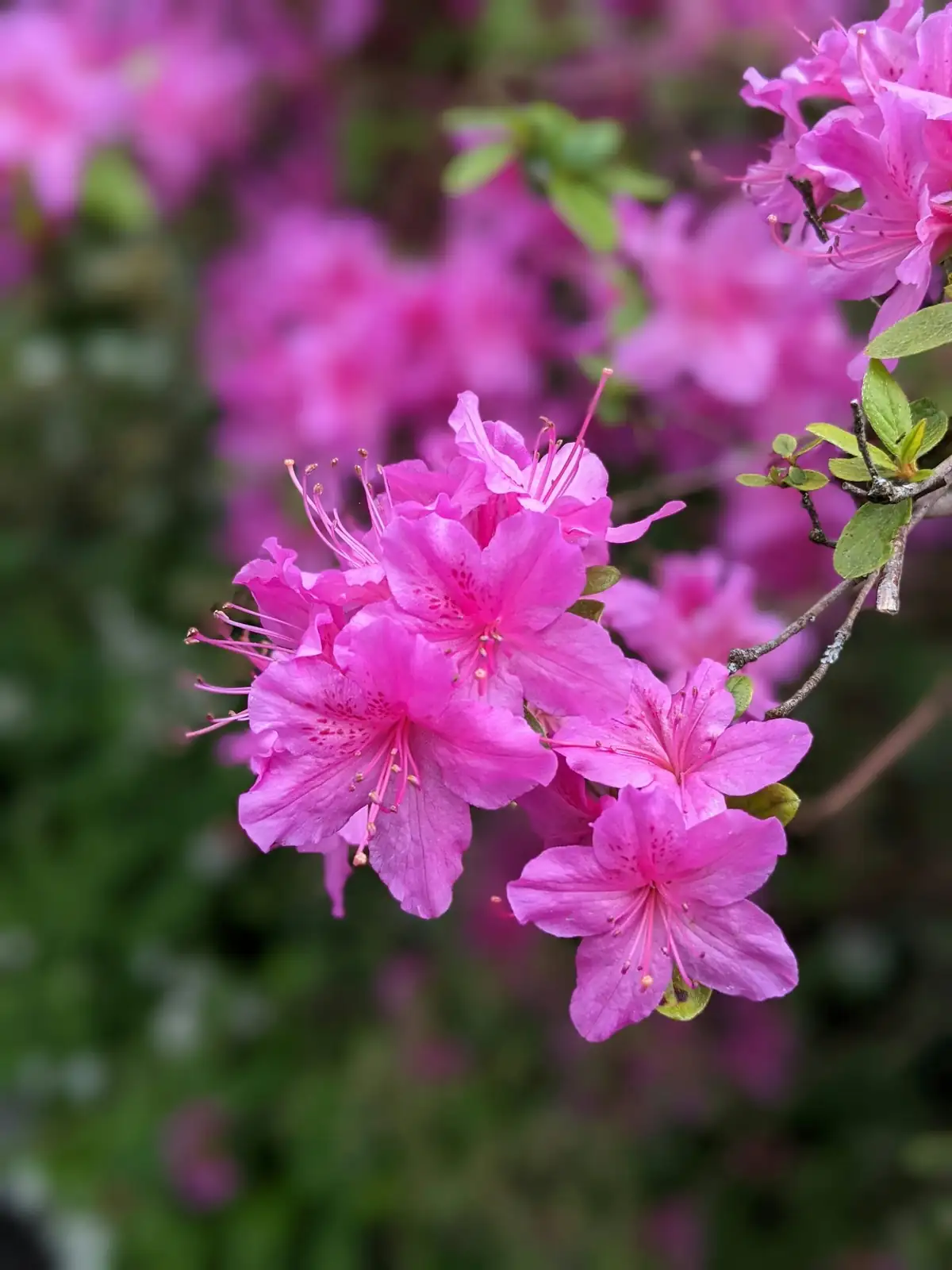
- Botanical identity: Rhododendron Simsii Group—European greenhouse-bred hybrids widely sold as florist azaleas; often marketed under the horticultural name Rhododendron indica.
- Family: Ericaceae; Genus: Rhododendron
- Habit: Compact, mounded evergreen shrub with dense branching; typically 30–60 cm tall and wide in pots.
- Look: Glossy deep-green leaves; dense clusters of funnel-shaped blooms ranging from single to ruffled, in pinks, reds, whites, and bicolors.
- Season: Mostly winter to spring indoors; with excellent care, some plants rebloom two to three times a year.
- Temperament: Loves bright light, cool-to-mild temperatures, and steady moisture in an acidic, airy mix. Hates heat and waterlogging.
How the azalea learned to “speak” in three cultures
China: dujuan (杜鹃) and the poetry of care and longing
In Chinese tradition, the azalea—dujuan—blooms alongside a famous legend: an ancient Shu king, Du Yu (杜宇), is said to have become a cuckoo whose cries bled red onto the flowers. That image of the cuckoo’s call and the red azalea fused the plant with yearning, tenderness, and the ache of distance.
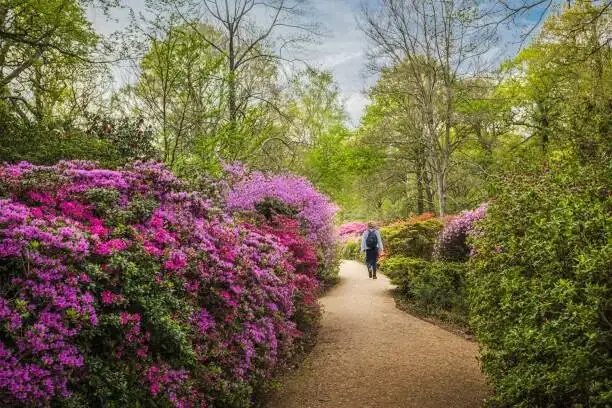
Poets took note. Li Bai’s verse “Seeing Azaleas in Xuancheng” opens:
“蜀国曾闻子规鸟,宣城还见杜鹃花。
一叫一回肠一断,三春三月忆三巴。”
Roughly: “In Shu I heard the cuckoo’s cry; in Xuancheng I see the azalea bloom. Each call breaks the heart; through three months of spring I long for home.” Dujuan thus became a floral shorthand for care across distance—“take care,” “I miss you,” “I’m thinking of you.”
Today, presenting an azalea in Chinese contexts often carries those soft edges of affection and consideration: a gentle way to say, “Be well—my thoughts are with you.”
Japan: hanakotoba and a quiet, patient love
Hanakotoba—the “language of flowers” in Japan—crystallized in the Meiji era, building on older traditions of seasonal symbolism and the expressive art of ikebana. In this lexicon, azalea (tsutsuji) commonly conveys modesty, self-restraint, and patient love. It’s the flower for feelings kept steady and sincere rather than shouted—a poised heart, not a blazing one.
Placed in an arrangement, azalea nods to care that endures—love that waits, composes itself, and chooses gentleness. In a culture that values what’s felt but rarely flaunted, that’s a potent message.
Victorian floriography: temperance and fragile passion
Nineteenth-century Europe turned flower-giving into a discreet dialogue. In many Victorian dictionaries, azalea signified temperance, self-control, and sometimes a warning about delicate, easily bruised passion. Tucked into a nosegay, it could mean “take care of yourself”—a polite, protective sentiment, especially in winter when vitality wanes.
Read together, these three “languages” overlap in a striking way: care bridled by restraint, affection shown thoughtfully, devotion that’s mindful rather than reckless.
Why a winter azalea gift feels so warm today
Belgian and wider European breeders refined florist azaleas to bloom generously in the colder months, right when homes crave color and calm. As a gift, they:
- Light up short days with a weeks-long display.
- Carry a cross-cultural message of warmth, modest affection, and well-wishing.
- Whisper “take care” without saying a word—perfect for holidays, housewarmings, and recovery wishes.
In other words, a winter azalea says: I’m thinking of you; may your season be gentle and bright.
A brief origin story: from greenhouses to living rooms
European greenhouse work—famously in Belgium—shaped this Simsii Group into today’s go-to “florist azalea.” Compact stature, dense branching, and bud-packed sprays of color make it ideal as a potted showpiece exactly when gardens sleep. While you’ll often see “Rhododendron indica” on tags, what you’re buying is typically a Belgian/European florist hybrid from the Simsii Group—purpose-bred for indoor winter charm.
Gifting guide: choose well, help it thrive longer
How to pick the perfect plant
- Seek symmetry: a well-branched, compact canopy with thick shoots.
- Foliage check: glossy deep-green leaves; no spots, webbing, stickiness, or tears.
- Bud stage: for the longest show, choose many plump buds with about 20% just opening.
- After purchase: give it bright light and fresh air right away; keep above 10°C (50°F); don’t stash it in a dim, stuffy corner.
Where it’s happiest at home
- Light: Bright light with gentle sun. Morning sun is ideal; avoid harsh midday scorch.
- Temperature: Cool-to-mild suits it best—about 12–25°C (54–77°F). Keep it away from heaters and hot, dry vents.
- Humidity: Aim for 50%+. Dry air shortens bloom life; a humidity tray helps.
- Soil: Acidic, airy, well-drained mix (ericaceous). Never leave the pot sitting in water.
Watering rhythm (the secret to long bloom)
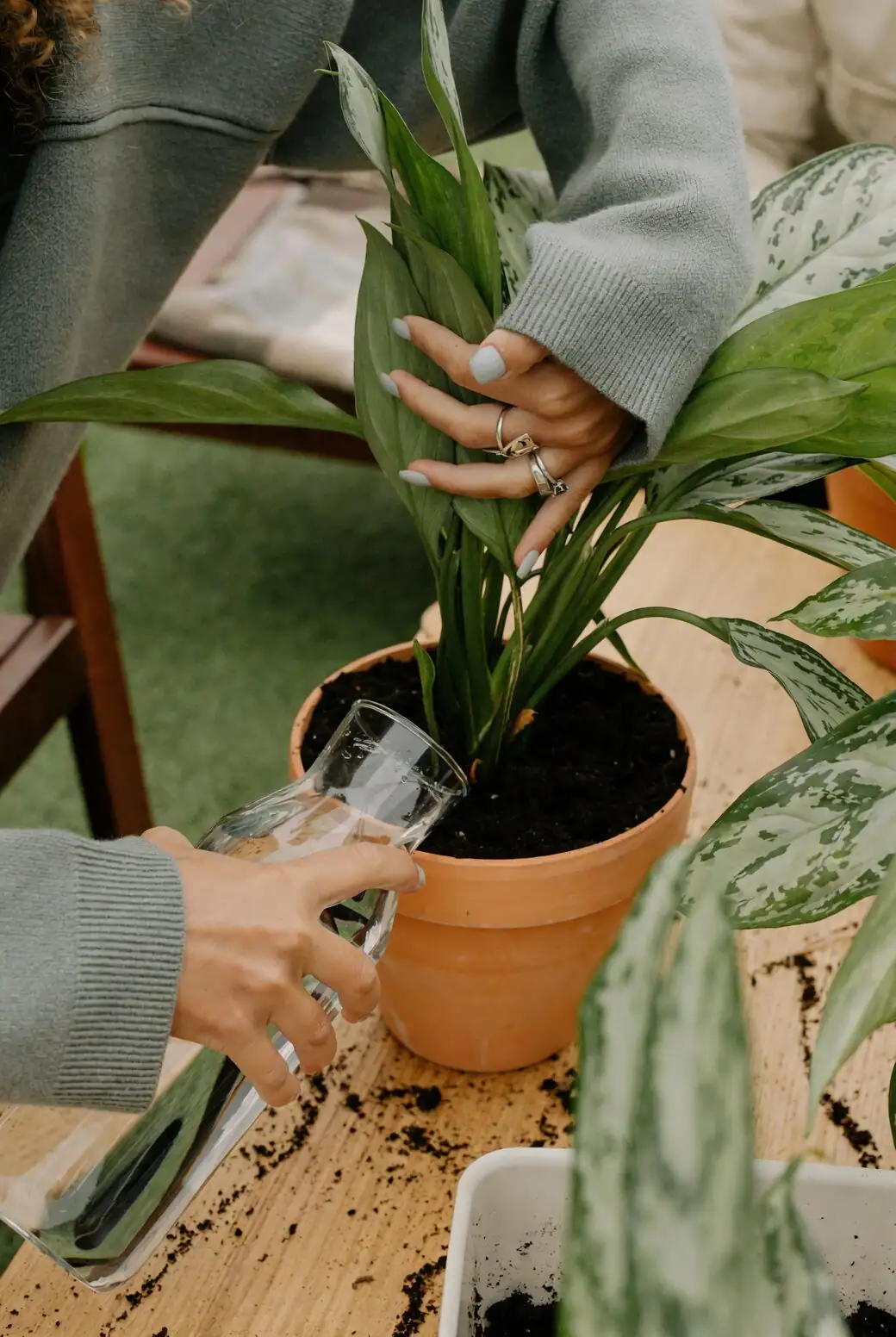
- Keep soil consistently moist, never soggy. The fine, shallow roots react quickly to both drought and waterlogging.
- Winter while blooming: water about weekly or in smaller, frequent sips to keep moisture steady.
- Always drain excess water; never let the rootball go bone-dry.
Pro tip: Keep it cool, bright, evenly moist, and humid—your reward is a bloom season that lingers. Also, don’t park it by ripening fruit; ethylene can trigger bud and flower drop.
After flowering
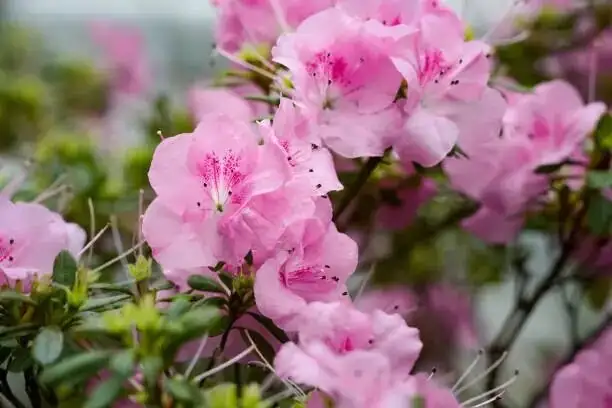
- Prune or pinch for shape; remove leggy or dead twigs to boost airflow and branching.
- Repot gently in spring into fresh, acidic, well-aerated mix.
- With good care, some plants rebloom two to three times per year.
Outdoors?
Treat florist azaleas as container plants unless you know your specific cultivar’s hardiness. Many are frost-tender; freezing can damage or kill them. In mild climates, some cope outdoors around USDA Zone 8–11 (often cited 8–10), but caution is wise.
A quick word on health and safety
- Heat and dry air invite spider mites and leaf drop—cooler air, humidity, and early treatment with insecticidal soap or horticultural oil are your allies.
- Toxic if eaten (grayanotoxins). Keep away from children and pets.
The meaning you send, in bloom
- Chinese dujuan: care across distance; tender longing; “be well.”
- Japanese hanakotoba: modesty; patient love; feelings carried with grace.
- Victorian floriography: temperance; fragile passion; “take care of yourself.”
Give a Belgian Azalea in winter and you stitch these messages together: a flourishing emblem of thoughtfulness, composure, and steady affection—color for the eyes and comfort for the heart, just when both are needed most.