

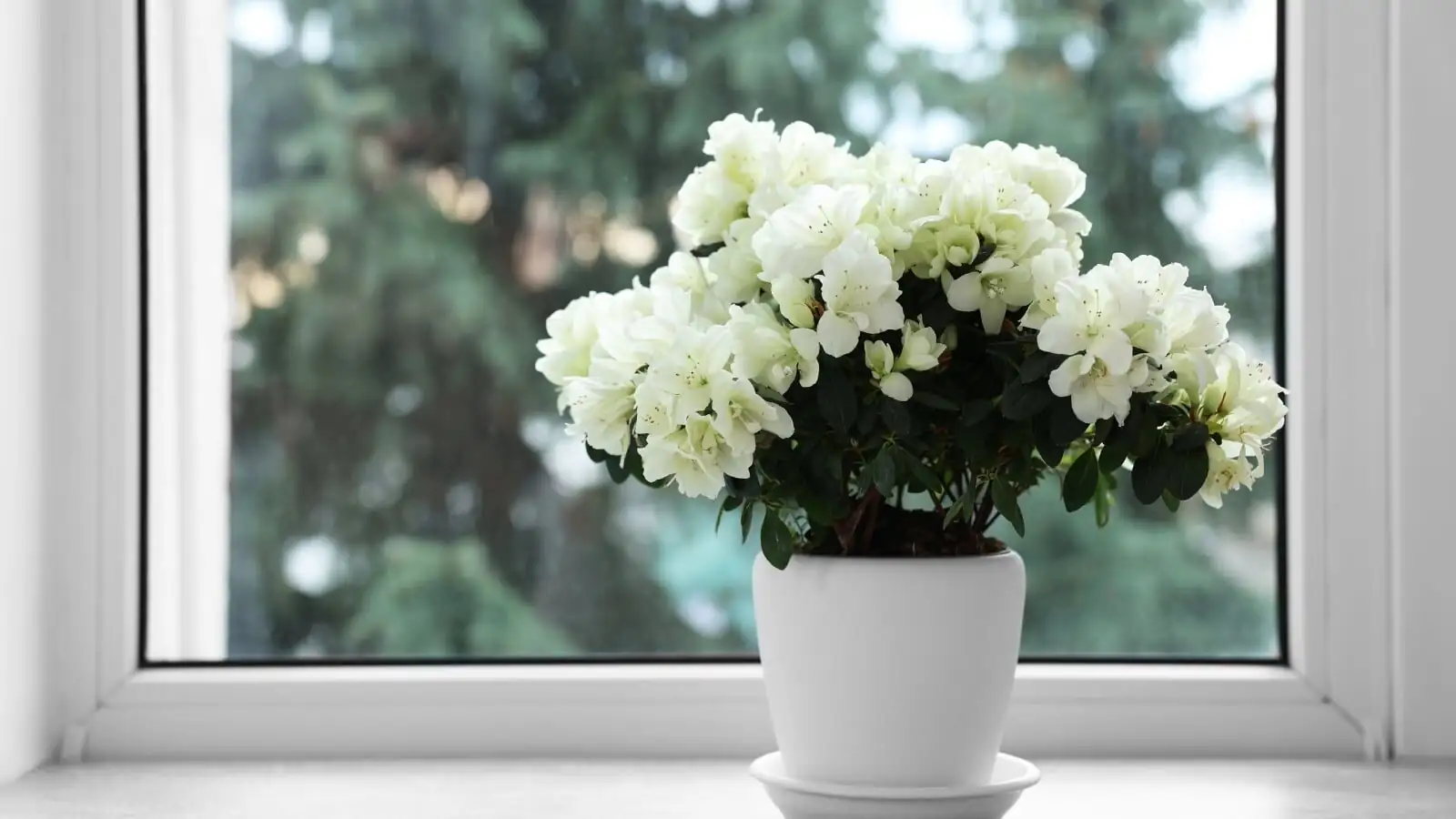
Belgian Azalea (Rhododendron Simsii Group) can look immaculate one evening and be strewn with dropped leaves or unopened buds by morning. Don’t panic. This is a plant that thrives on cool air, bright light, and steady moisture—and it voices displeasure fast when heat, dryness, or pests creep in. Here’s your rapid, practical playbook for sudden leaf/bud drop and for tackling spider mites and scale within 24 hours, using insecticidal soap, horticultural oil, smarter airflow, and moisture balance.
What your azalea wants (30‑second refresher)
- Light: Bright light with gentle sun—east windows are great; avoid harsh midday scorch.
- Temperature: Cool-to-mild, roughly 12–25°C (54–77°F). Heat over 30°C (86°F) is stressful.
- Humidity: Likes 50%+ and good airflow. Dry air = short bloom, pest flare-ups.
- Water: Evenly moist, never bone-dry and never soggy. Roots are fine and shallow—swings cause fast trouble.
- Soil: Acidic, airy, well-drained (ericaceous mix). Never let the pot sit in water.
- Note on identity: Often sold in trade as “Rhododendron indica,” but these florist azaleas are Simsii Group hybrids.
What to look for right now (a 5‑minute diagnosis)
- Environment check:
- Is it near a heater/AC vent or in a warm, stuffy corner?
- Is it crammed among other plants with stagnant air?
- Is there a fruit bowl close by? Ripening fruit emits ethylene gas that can trigger bud/flower drop.
- Soil check:
- Bone-dry and lightweight? The rootball may have shrunk from the pot.
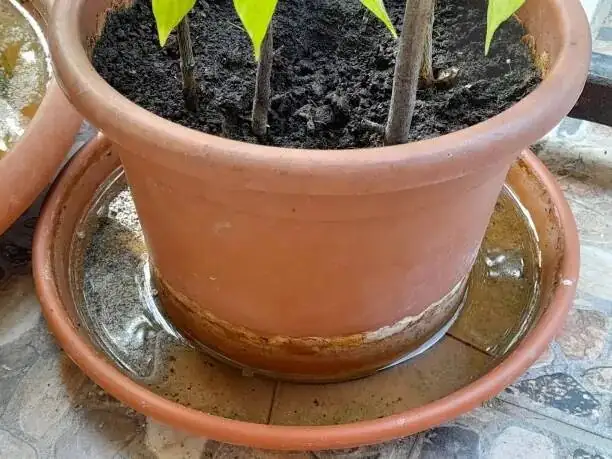
- Heavy, soggy, or standing water in a cachepot? Risk of root stress/rot.
- Leaf/bud clues:
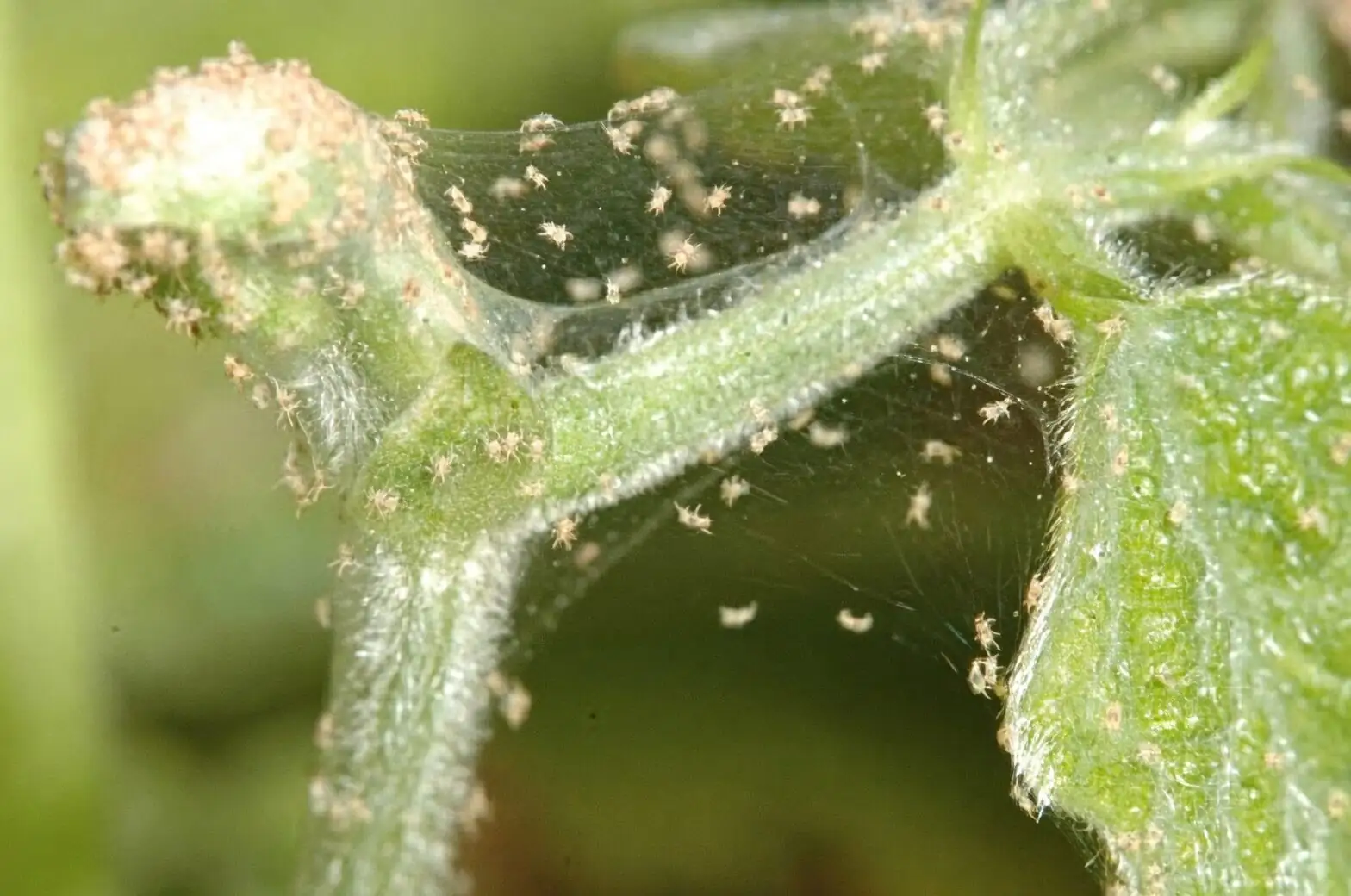
- Spider mites: Fine stippling (speckled, grayish leaves), tiny webbing—especially on undersides; a tap test over white paper shows dust-like moving specks.
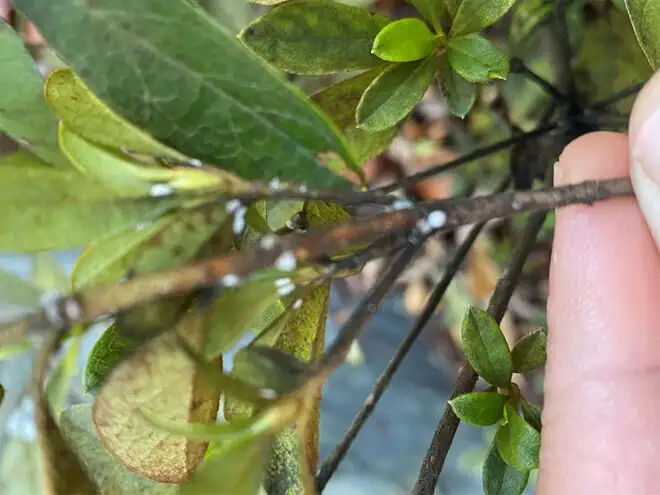
- Scale: Bumps on stems or leaf midribs; sticky honeydew; sooty mold; sometimes ants (outdoors).
- Buds: Papery, shriveled buds = underwatering/heat/dry air. Mushy, brownish buds = waterlogging or poor airflow.
Your 24‑hour rescue plan
Step 1: Stabilize the environment
- Move to bright, gentle light (east window is ideal). Avoid harsh midday sun while it’s stressed.
- Aim for 12–22°C (mid‑50s to low‑70s °F).
- Start air movement: a small fan on low, not blowing directly at the plant, to keep air fresh.
- Lift humidity to around 50%+ using a pebble tray or room humidifier. Don’t trap it in a steamy, stagnant nook.
Step 2: Re-balance moisture
- If too dry:
- Rehydrate the rootball: submerge the pot (not the foliage) in room‑temperature water for 10–15 minutes until bubbles stop. Drain thoroughly—do not leave standing water in the saucer.
- Resume watering when the top 1–2 cm (0.4–0.8 in) just starts to dry.
- If too wet:
- Remove any standing water from the cachepot. Tilt the pot briefly to release excess moisture and wick water from the drainage holes with paper towel.
- Improve airflow and wait to water again until the surface begins to dry.
- Long term: ensure a fast‑draining acidic mix; repot gently after flowering if the mix is compacted.
Step 3: Knock back pests mechanically
- For spider mites: In the morning, shower the undersides of leaves with a gentle, lukewarm spray to dislodge mites and webbing. Ensure foliage dries before evening in cool rooms.
- For scale: Dab visible scales with a cotton swab lightly moistened with isopropyl alcohol; wipe them off. Prune out the worst‑infested twig tips. Avoid dousing the whole plant in alcohol.
Step 4: Choose the right product today—soap vs oil
Insecticidal soap (best fast start for mites; helps on soft scale crawlers)
- How it works: Contact action on soft‑bodied pests; little to no residual after it dries.
- When to use: Stippling + webbing but little honeydew; early mite infestations; outdoor lace bugs also respond well.
- How to use:
- Use a commercial plant-labeled insecticidal soap. Azaleas can be sensitive—patch test on a few leaves first.
- Typical rates are around 1–2%. Higher than ~3% can scorch sensitive cultivars.
- Spray in the cool part of day; avoid direct sun and heat. Thoroughly wet leaf undersides.
- Keep spray off open flowers to prevent spotting.
- Repeat 2–3 times at 4–7 day intervals, since eggs are not killed.
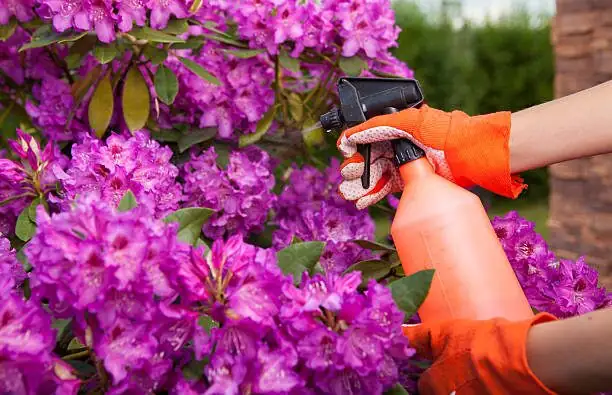
Horticultural oil (excellent for scale; also effective on mites)
- How it works: Smothers pests on contact; little residual.
- When to use: Sticky honeydew, sooty mold, visible bumps on stems/midribs; mixed mite + scale issues.
- How to use:
- Use a light horticultural oil (mineral or plant-derived) at label rate (often ~1–2% for growing-season use).
- Apply on a well-hydrated plant in cool conditions; avoid application during heat or in direct sun.
- Patch test first; keep spray off open blooms.
- Cover stems, petioles, and leaf undersides thoroughly.
- Repeat in 7–10 days to catch newly hatched “crawlers.”
Important safety notes for both
- Do not combine soap and oil in the same session (or within a few days) to avoid leaf injury.
- Ensure good ventilation during and after treatment.
- Always follow the product label. If treating outdoors, spray at dawn or dusk when pollinators aren’t active.
Step 5: Tidy and support recovery
- Remove dropped petals/leaves and any sooty moldy debris to improve airflow.
- Deadhead spent flowers; hold off on heavy pruning until after flowering.
- Keep temperatures cool, light bright, and moisture steady.
Why leaves or buds drop (decoder ring)
- Too warm, too dry: Prime cause of sudden leaf drop and mite flare-ups.
- Water swings: Bone-dry one day, soggy the next = bud abortion and leaf drop.
- Low light and stale air: Buds stall and fall; leaves weaken.
- Ethylene exposure: A nearby fruit bowl can speed bud and flower drop.
- Pests: Spider mites (fine stippling, webbing) and scale (sticky honeydew, bumps) sap vigor and trigger drop.
- Chronic sogginess: Roots suffocate; buds turn mushy; leaves yellow, then drop.
The next 14 days: simple routine
- Inspect twice weekly with a hand lens. Check leaf undersides, stems, and midribs.
- Repeat soap or oil on schedule; stop once new growth looks clean and stippling halts.
- Water evenly—never let the rootball go bone‑dry; never leave it soaking.
- Hold fertilizer until active growth resumes; then use a dilute azalea/rhododendron feed.
- If leaves yellow from hard (alkaline) water over time, a chelated iron supplement can help—after the plant stabilizes.
- Repot only after flowering, and gently, into an acidic, airy mix. Roots are brittle.
Long‑term prevention (your azalea’s happy place)
- Light: Bright with gentle morning sun; outdoors in mild seasons, give bright shade or morning sun—protect from hot afternoons.
- Temperature: Keep 12–25°C (54–77°F); avoid heater blasts and hot windows.
- Air + humidity: Aim for 50%+ humidity and constant, gentle airflow. Avoid crowding.
- Summer watch: Heat + dry air = spider mites and scale. Inspect often; act early.
- Winter bloom care: Cool, bright room, away from vents. Water in small, steady sips to keep the mix evenly moist.
Quick cheat sheet (fast choices)
- Webbing + speckles, no honeydew? Use insecticidal soap.
- Sticky leaves, sooty mold, bumps on stems? Use horticultural oil.
- Don’t spray open blooms. Test a few leaves first. Repeat in 4–10 days per label.
- Keep it cool, bright, airy—and the soil evenly moist.
Safety reminder
- Florist azaleas are toxic if eaten (grayanotoxins). Keep away from pets and children.
- Wear gloves, follow labels, and treat in ventilated spaces.
A small aside: meaning and mood
Florist azaleas are classic winter‑into‑spring gifts in Europe—bred to be compact and extravagantly floriferous when little else is in bloom. In Western floriography and modern “flower language,” they’re often linked with affectionate care and the gentle reminder “take good care of yourself.” It fits: this plant rewards attentive, balanced care with a long, luminous show—sometimes even multiple bloom waves a year in good conditions.
If you act within 24 hours—cool it down, re‑balance moisture, restore airflow, and make a targeted soap or oil application—most Belgian Azaleas bounce back quickly. Think “calm, cool, and evenly moist,” and you’ll turn crisis into fresh buds and glossy green.