

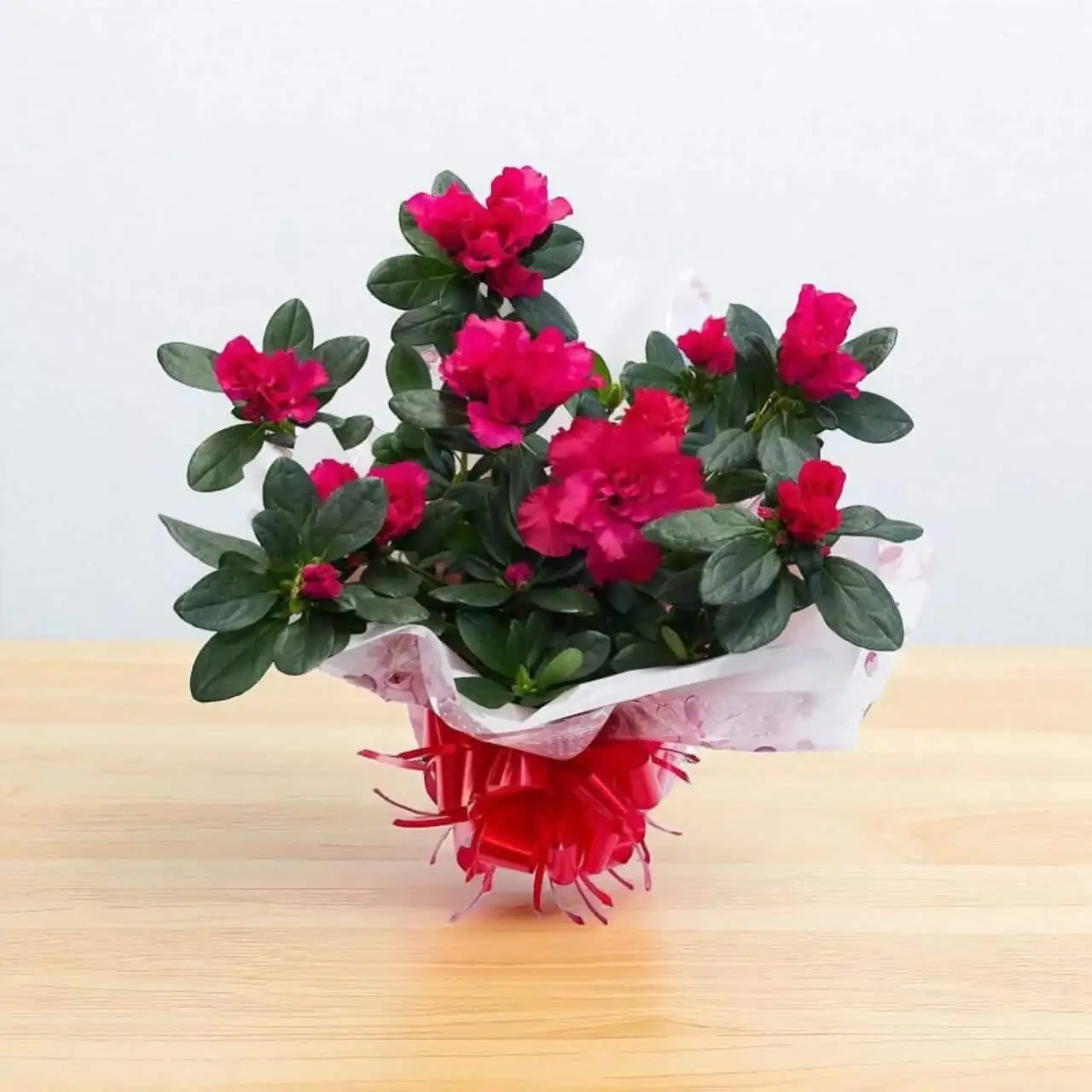
Meet the Belgian Azalea (Rhododendron Simsii Group)—the classic “florist azalea” you see smothered in buds in late winter and early spring. Compact, evergreen, and bred to bloom hard in pots, it rewards a cool, bright, humid routine and steady moisture in acidic, free-draining mix. Below is a crisp, step-by-step playbook so your blooms last—and your roots never drown.
H2: First 48 hours: set it up for a long show
- Unwrap and free the drain holes. Remove any decorative sleeve/foil so water can escape.
- Placement: bright light with gentle sun. East window is ideal. A bright south window works if you block harsh midday rays.
- Keep it cool: 12–25°C (54–77°F). Aim for the mid-teens to low 20s °C for best performance; avoid heater blasts.
- Humidity: 50%+. Run a humidifier or set the pot on a pebble tray with water below the pot’s base.
- Water to settle: thoroughly moisten the rootball, then drain fully. Never let it sit in water.
H2: Light, temperature, humidity—get these three right
H3: Light map
- Indoors: bright, indirect to soft direct light (morning sun). Turn the pot weekly for even budding.
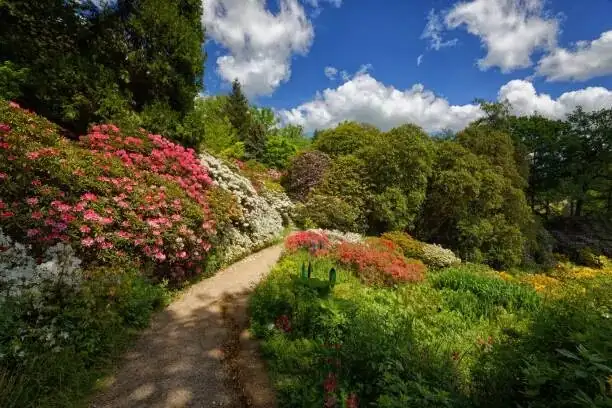
- Outdoors (mild seasons): morning sun or bright shade; shelter from harsh afternoon sun and heavy rain.
H3: Temperature target
- Sweet spot: 12–25°C (54–77°F), cooler nights welcome.
- Avoid extremes: growth slows around 5–10°C (41–50°F) and above 30°C (86°F). Keep indoor plants above 10°C (50°F) in winter.
H3: Humidity help (50%+)
- Best options: room humidifier; pebble tray; grouping with other plants.
- If misting, keep it light and timed so leaves dry before night—especially in cool rooms.
H2: Watering without root rot: a seasonal cadence
Belgian azaleas have fine, shallow roots that hate drought and hate sitting soggy. Use acidic water if possible (rainwater or filtered), and always drain the saucer.
- Spring (growth/after bloom)
- About twice per week, adjusting to how fast the top 1–2 cm (0.4–0.8 in) dries.
- Technique: water slowly until it runs from the drain holes; empty the saucer.
- Summer (heat protection mode)
- Water thoroughly when the top 1–2 cm dries.
- Keep it cooler, boost humidity, shade from harsh sun. Avoid prolonged heat above 30°C (86°F).
- Autumn (ease back, keep even)
- Gradually reduce, often 2–3 times per week depending on your indoor climate (warm, dry rooms may need more frequent, smaller sips).
- Winter (prime bloom season for many)
- Keep above 10°C (50°F).
- Roughly once per week, or smaller, more frequent sips to hold steady moisture—never bone-dry, never waterlogged.
Pro tips for consistency
- Lift test: learn the pot’s “light when dry” vs “heavier when moist.”
- Edge check: if the peat-rich mix pulls from the pot edge, rewet slowly in stages to avoid channeling.
- Never park in water. Drain immediately after each watering.
H2: Soil, pot, and repotting
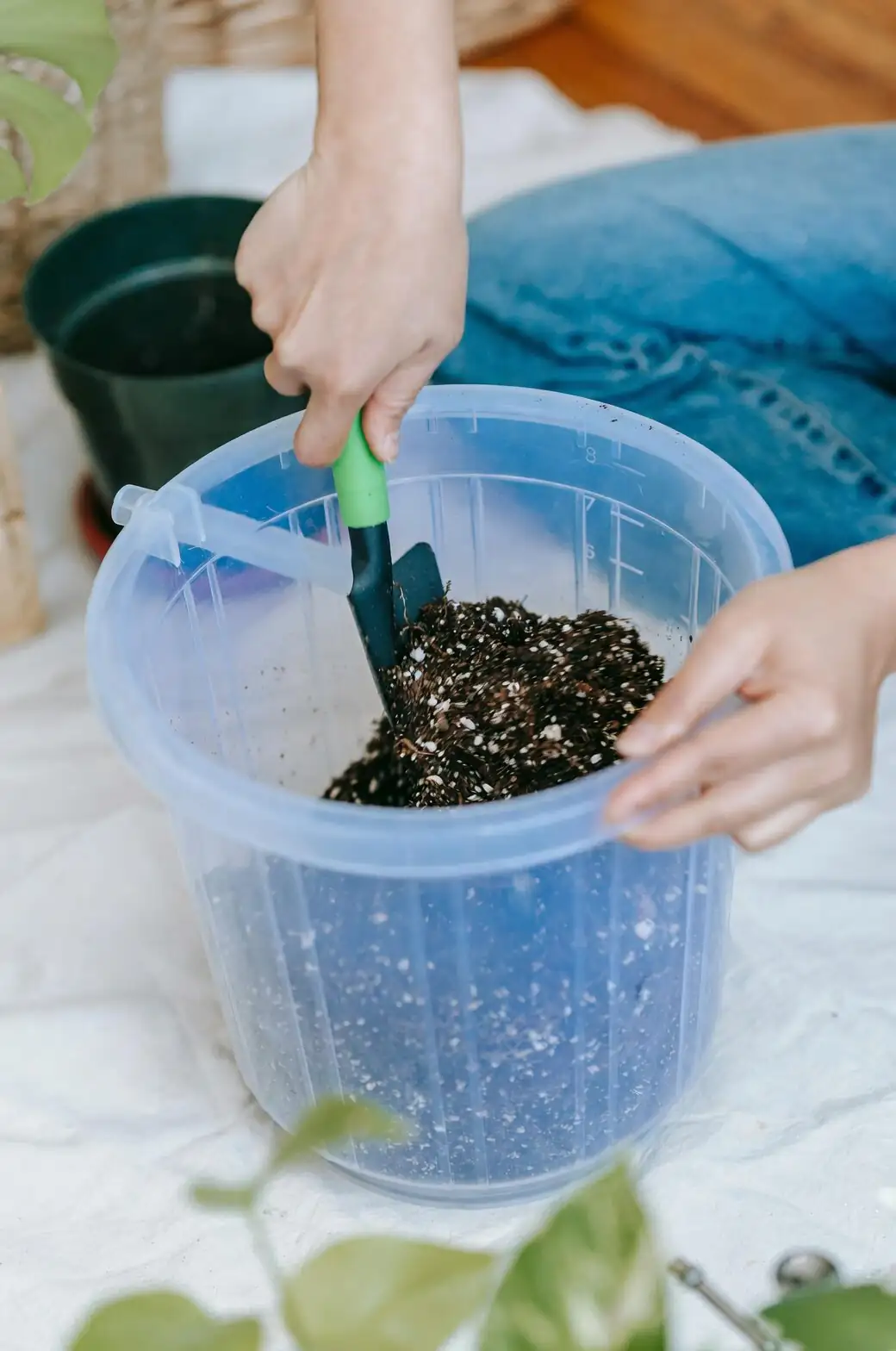
- Mix: fertile, loose, acidic (ericaceous) medium—peat/leaf mold base with perlite or coarse sand for air space.
- Pot size: many live happily in 15–20 cm (6–8 in) pots.
- Repot timing: annually in spring or right after flowering. Handle gently—roots are brittle. Step up only if rootbound, refreshing into the same pot size is fine.
H2: Feeding for steady greens and repeat performance
- Active growth: every 2 weeks with a dilute azalea/rhododendron fertilizer.
- During flowering: go light—focus on moisture and cool temps to prolong blooms.
- Yellowing leaves in hard-water areas: consider chelated iron or an iron-containing acid-loving feed (follow label rates). Avoid salt buildup from heavy feeding.
H2: Pruning, shaping, and encouraging more buds
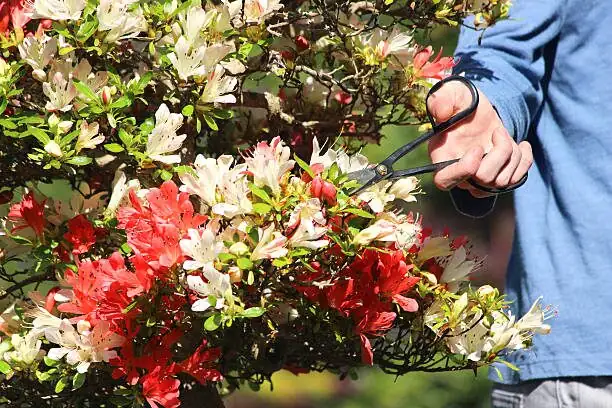
- After bloom: deadhead spent flowers and their papery bracts.
- Pinch/prune: lightly tip-prune to keep a rounded, dense silhouette; remove leggy shoots and any crowded or dead twigs to improve airflow.
- Timing matters: pruning right after flowering channels energy into fresh branching where next blooms form.
H2: Placement playbook (indoors and out)
- Indoors: bright, cool, airy room—east window or bright south window with midday protection. Keep away from heaters/AC and dry vents.
- Outdoors (mild seasons): balcony/patio in bright shade or morning sun. Protect from hot afternoons, heavy rain, and heat spikes.
H2: Buying smart: what to look for
- Structure: compact, well-branched plant with sturdy, thick shoots.
- Foliage: glossy deep green; no spots, tears, stickiness, or webbing (spider mites).
- Bud stage: packed with plump buds and roughly 20% just opening for the longest display.
- After purchase: give bright light and airflow immediately; don’t stash it in a dim, stuffy corner.
H2: Quick care calendar
- Spring: keep evenly moist; repot after bloom; start biweekly feeding; pinch for shape.
- Summer: shield from heat and harsh sun; water deeply as the surface dries; raise humidity; monitor for spider mites/scale.
- Autumn: move to bright, cooler, well-ventilated spot; gradually adjust watering; continue light shaping if needed.
- Winter: bright and cool (above 10°C/50°F); steady moisture; avoid heater drafts; enjoy the show.
H2: Common problems—fast fixes
- Bud or flower drop
- Likely causes: warm, dry air; low light; stagnant air; watering swings.
- Fix: move to bright, cool, airy spot; keep moisture even; maintain humidity. Keep away from ripening fruit (ethylene).
- Sudden wilt or leaf drop
- Drought or waterlogging—both can hit fast. Recheck watering rhythm and drainage. Rehydrate slowly if dry; improve aeration if soggy.
- Yellow leaves (chlorosis)
- Often alkaline water/soil. Switch to soft/acidic water and use an acid-loving feed; add chelated iron if needed.
- Pests (hot, dry rooms are the trigger)
- Spider mites, scale. Look for stippling, webbing, sticky residue.
- Action: improve humidity and airflow; treat early with insecticidal soap or horticultural oil; repeat as labeled. Remove badly affected leaves.
- Leaf spot/sooty mold
- Improve ventilation; avoid wet leaves late in the day in cool rooms. Use a suitable fungicide if needed.
H2: Safety note
- Toxic if eaten (grayanotoxins). Keep away from children and pets.
H2: Size and habit at a glance
- Habit: compact, bushy, mounded evergreen shrub, perfect for containers.
- Typical indoor size: 30–60 cm (12–24 in) tall and wide; many gift plants are 30–40 cm.
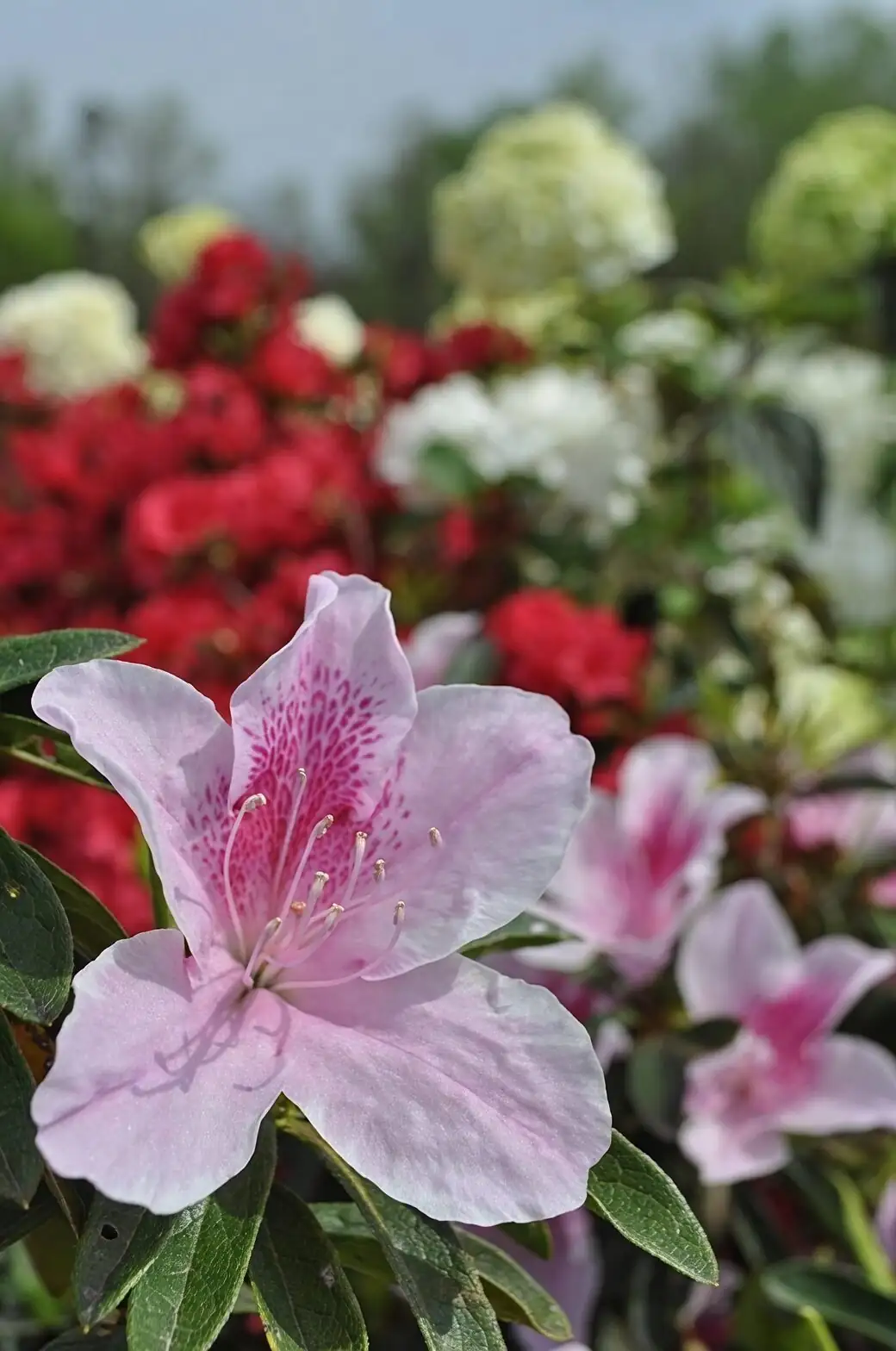
- Flowers: dense clusters of funnel-shaped blooms—single to ruffled—in pinks, reds, whites, and bicolors. With excellent care indoors, some plants may rebloom 2–3 times a year, though winter–spring is peak.
H2: For keen growers: propagation
- Semi-ripe cuttings: late spring to early summer. Take 12–15 cm (4.7–5.9 in) cuttings, strip lower leaves, keep a few at top; root in warm, humid, free-draining mix. Expect ~8–10 weeks to root.
- Air-layering: spring on mature wood; typically 4–5 months to root.
- Grafting is also used commercially.
H2: Why Belgian Azalea, why this name?
These are greenhouse-bred florist azaleas developed largely in Belgium and across Europe for compact pot culture and heavy flowering—the winter gift plant par excellence. Botanically they’re Rhododendron Simsii Group hybrids, though you’ll often see them sold under the catch-all horticultural label “Rhododendron indica.”
H2: Flower language—what does it really say?
The “language of flowers” is more cultural than botanical, shaped by European gifting traditions and, in parts of Asia, by the plant’s long association with homescapes. The Belgian florist azalea, arriving polished and blooming in the colder months, came to symbolize cheerful affection, elegance, and a gentle “take care of yourself.” It’s a soft, considerate message—perfect for holidays, recoveries, or simply brightening someone’s winter window.
H2: Root-rot proofing checklist (pin this)
- Acidic, airy mix (ericaceous + perlite/coarse sand).
- Pot with unobstructed drainage; no cachepot water touching the base.
- Water thoroughly, then drain; never park in a saucer.
- Follow the seasonal cadence; avoid drastic wet–dry swings.
- Keep it cool (12–25°C) and humid (50%+); heat drives thirst and stress.
- Bright light, gentle sun; no harsh midday scorch.
- Prune for airflow; remove spent blooms and crowded twigs.
Nail this cool, bright, evenly moist rhythm, and your Rhododendron Simsii Group (Belgian Azalea) will repay you with weeks of color now—and, with the same playbook, encore shows in seasons to come.