

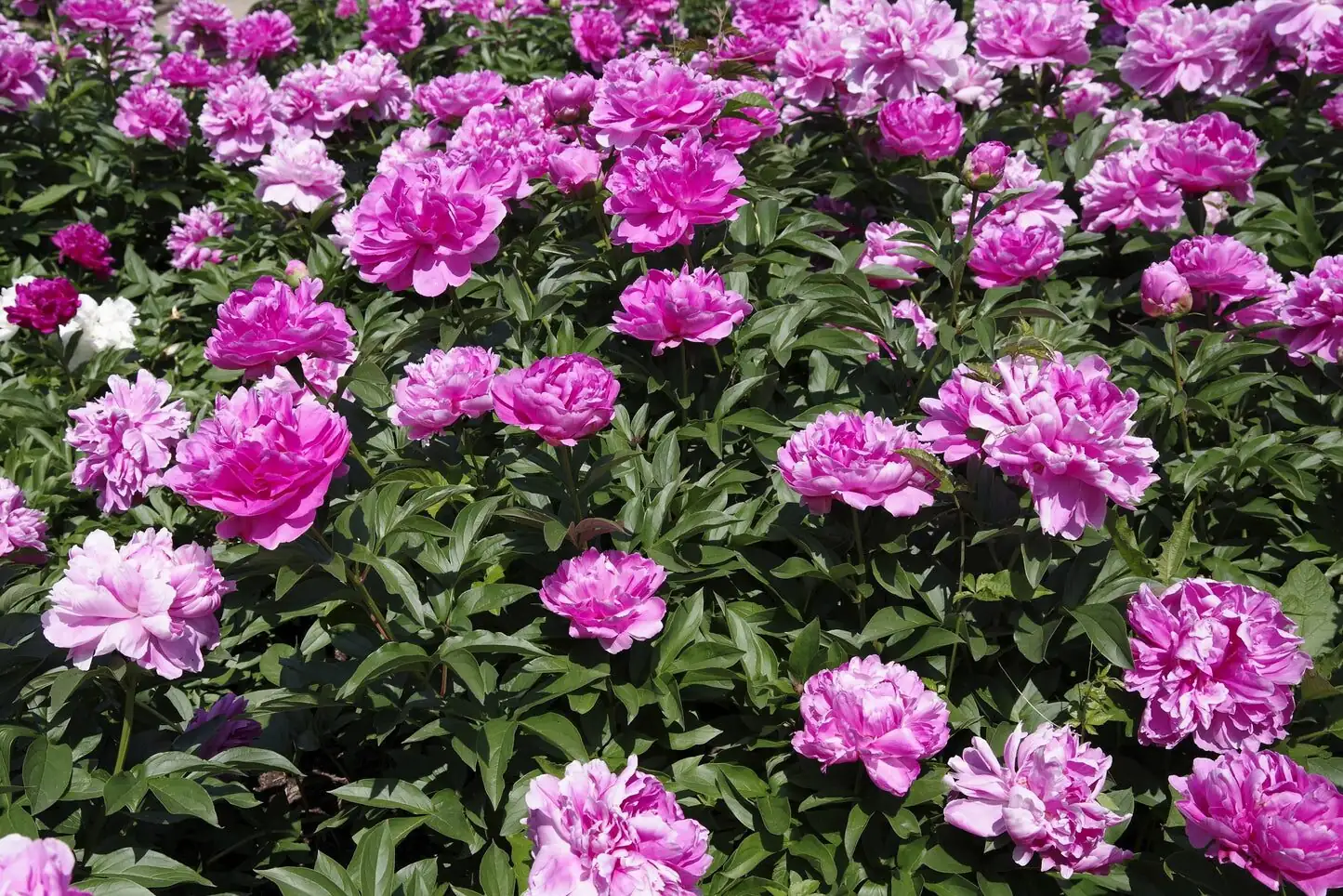
If you’ve ever wondered how a Chinese peony can explode with rose-like pomp in late spring and then vanish to bare soil by winter, the answer hides just under your feet. Paeonia lactiflora is a master of seasonal budgeting: it banks this year’s sunlight in carbohydrate-rich storage roots, spends that stash on next year’s buds, and stubbornly refuses to perform if its “vaults” sit wet. Here’s a behind-the-scenes tour of the plant’s physiology—and the practical choices you can make in summer and at disbudding to supercharge next year’s show.
Meet the plant behind the spectacle
- Botanical identity: Paeonia lactiflora (family Paeoniaceae), known as Chinese peony, common/garden peony, herbaceous peony
- Origins: Northwest China, Mongolia, and eastern Siberia
- Habit: Upright, clump-forming herbaceous perennial with a crown and fleshy storage roots; dies back to ground in winter
- Size: Typically 60–100 cm tall and 60–90 cm wide, depending on cultivar and conditions
- Flowers: Large, often fragrant, from single to fully double; late spring to early/mid-summer (often May–July)
- Sun and climate: Loves full sun; in hot-summer climates, give morning sun and light afternoon shade. Best growth around cool to moderate summers; prolonged high heat can reduce vigor.
- Hardiness: Long-lived and winter-dormant; commonly grown in USDA Zones 3–8 (sometimes 9 with adequate winter chill)
The secret engine: carbohydrate-rich storage roots
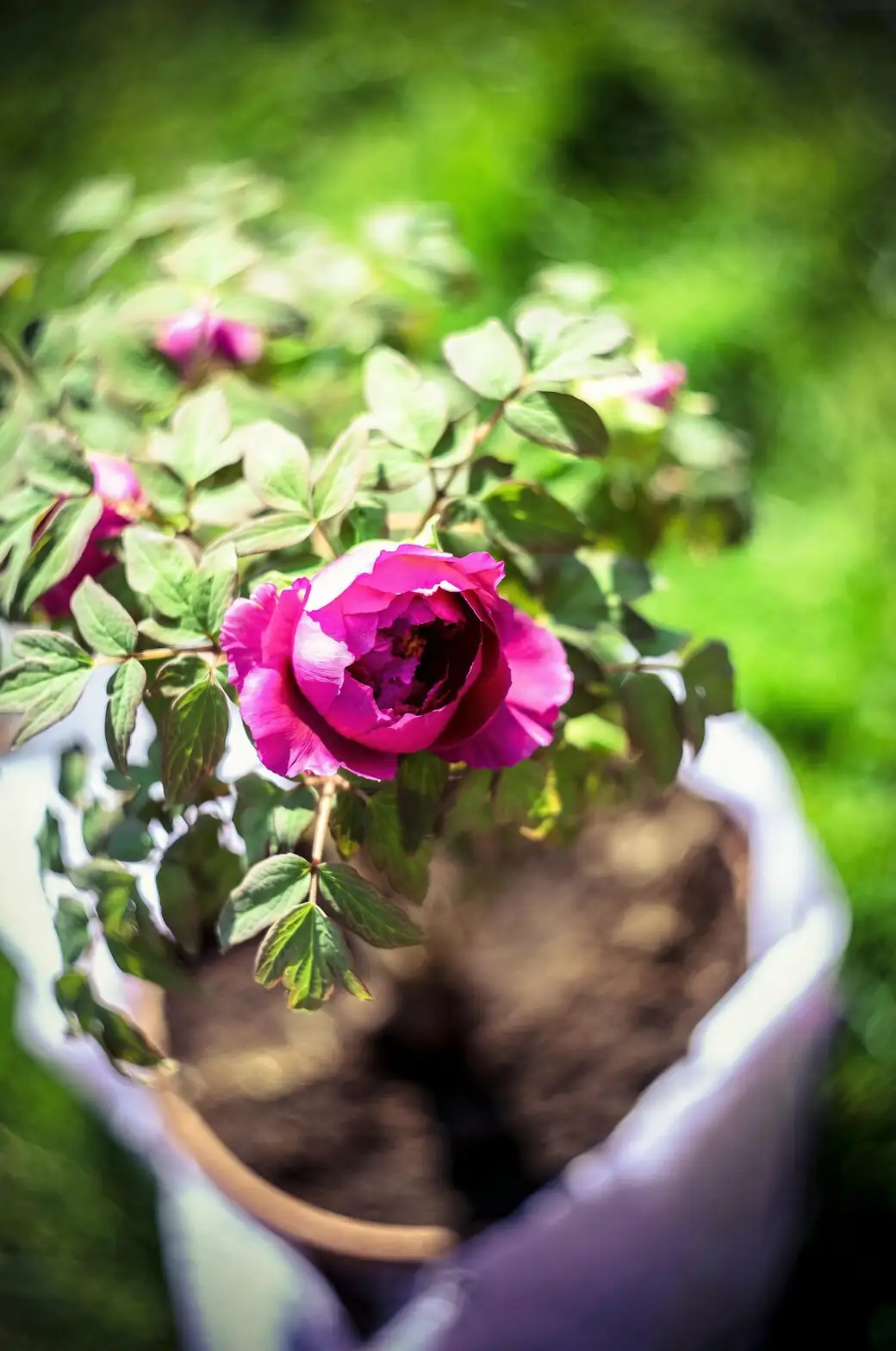
Think of each glossy spring leaf as a solar panel and the thick, pale roots below as the battery pack. During the growing season:
- Leaves convert sunlight into sugars, which move to the crown and fleshy roots (the main storage organ).
- Those sugars are stored primarily as starch, then mobilized to power spring shoots, stem elongation, and bloom.
- After flowering, the plant needs its foliage intact to rebuild the reserves it just spent.
Fresh research on herbaceous peony roots helps explain why timing and temperature matter. When conditions settle into the comfortable mid-20s °C (mid-70s °F), starch tends to accumulate in the fleshy roots, supporting their expansion. As seasons cool toward about 10–12 °C (low 50s °F), stored carbohydrates shift toward soluble sugars—useful for cold weather physiology and the coming dormancy. All of this underscores a simple rule: the healthier the foliage and the steadier the moisture in summer (without waterlogging), the richer the “bank account” for next year’s bloom.
A bonus insight from cut-flower research: peony buds open largely on internal fuel. Even when cut, stems carry enough starch and sugars to unfurl and keep a respectable vase life. On the plant, those additional sugars can still flow in during opening—evidence that carbohydrate movement is dynamic and decisive for bloom quality.
Why drainage makes or breaks peonies
Paeonia lactiflora demands moisture-retentive but free-draining soil. When water lingers around the crown and roots:
- Oxygen levels plummet, roots suffocate, and rots (including aggressive basal rots and southern blight) can pounce.
- Buds (“eyes”) may be damaged or lost, and next year’s bloom count takes the hit.

Make drainage your nonnegotiable:
- Soil: Aim for a fertile, deep loam enriched with compost or leaf mold. If drainage is sluggish, incorporate coarse sand or grit. Avoid waterlogging and strongly saline or alkaline conditions.
- Planting depth: Set the buds level with the soil surface (in very cold regions, only slightly below). Planting too deep often delays or limits flowering.
- Siting: Choose full sun with good airflow; in hot regions, provide morning sun and light afternoon shade.
- After heavy rain: Ensure water runs off quickly and the crown doesn’t stay wet.
Tip for containers: Use a large pot (20–25 cm/8–10 in diameter minimum; bigger is better long-term) with a rich but free-draining mix. Never bury the buds deep, and ensure excess water evacuates fast.
Summer aftercare that powers next spring
What you do in the weeks after bloom has an outsized effect on next year’s floral fireworks.
Right after flowering
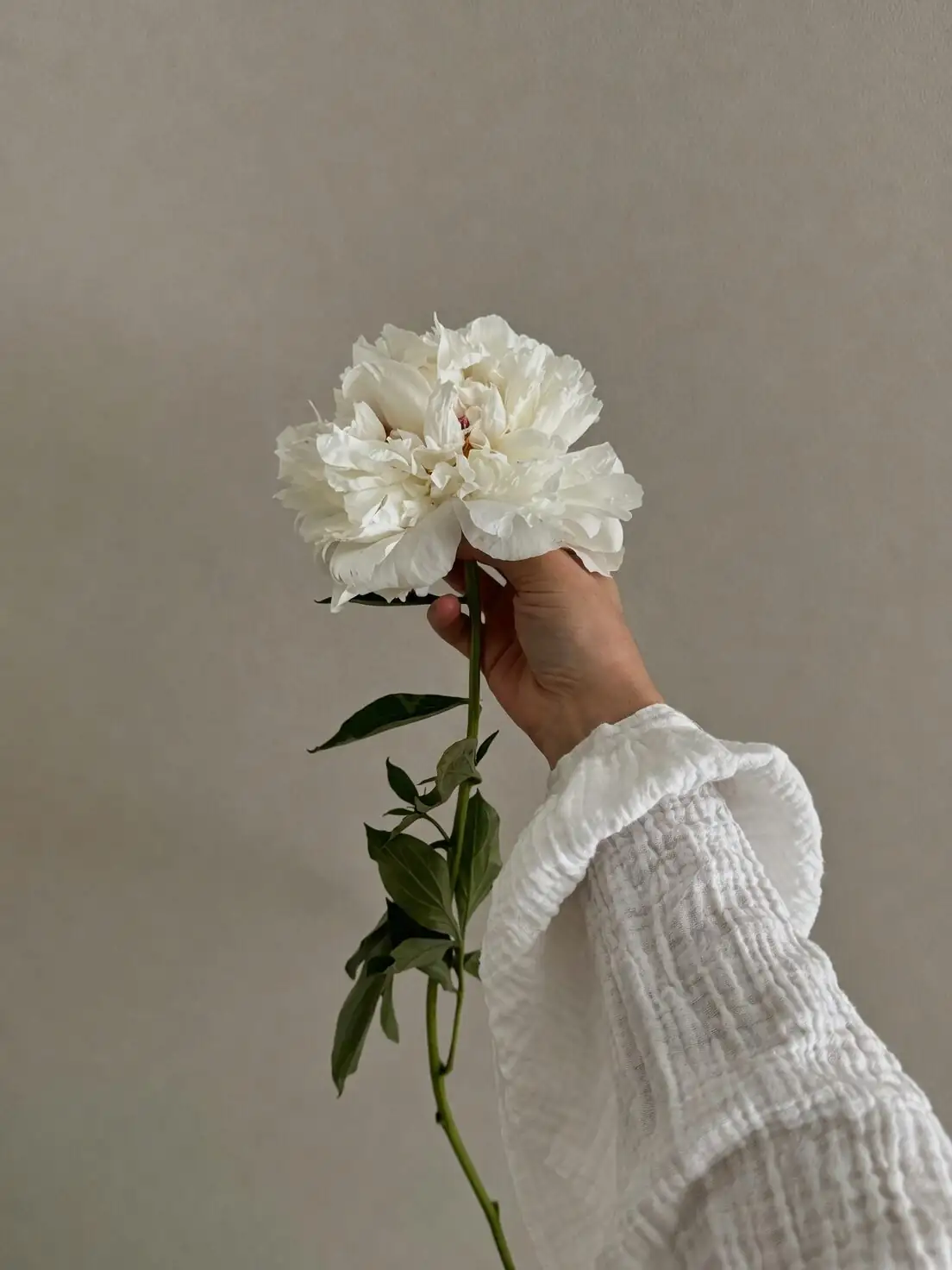
- Deadhead promptly: Remove spent blooms (unless saving seed) so the plant stops pouring energy into maturing seed and shifts it into root reserves.
- Keep foliage pristine: Healthy leaves are your sugar factory. Avoid rough handling and maintain airflow.
Watering rhythm
- Motto: Evenly moist, never soggy.
- Spring to flowering: Keep steady moisture to support stem strength and bud fill.
- Peak summer: Don’t allow drought; water at the base and add temporary light shade during heat spikes.
- Autumn: Maintain moderate moisture while roots refill with starch.
- Winter: Dormant—water sparingly and avoid cold, saturated soil. In very cold regions, mulch or gently mound over the crown to buffer against freeze–thaw (remove excess cover before growth resumes).
Feeding, without the fuss
- Growing season: 2–3 light feeds with well-rotted organic fertilizer or diluted organic liquid feeds.
- Around bud formation: Many growers switch to a bloom-leaning feed higher in phosphorus and potassium.
- Dormancy: You can tuck in a slow-release organic amendment near (not on) the crown.
Heat, hygiene, and health
- Heat management: In hot-summer climates, prioritize morning sun, afternoon shade, and even moisture. Mulch to keep soil cool, but don’t smother the crown.
- Hygiene: Good airflow and clean beds prevent leaf spots and basal rots. Remove old stems/leaves in late autumn.
- Pests: Watch tender growth for aphids or spider mites; use strong water sprays, horticultural soap/oil, and label-directed controls when needed.
Disbudding decisions: the art and the physiology
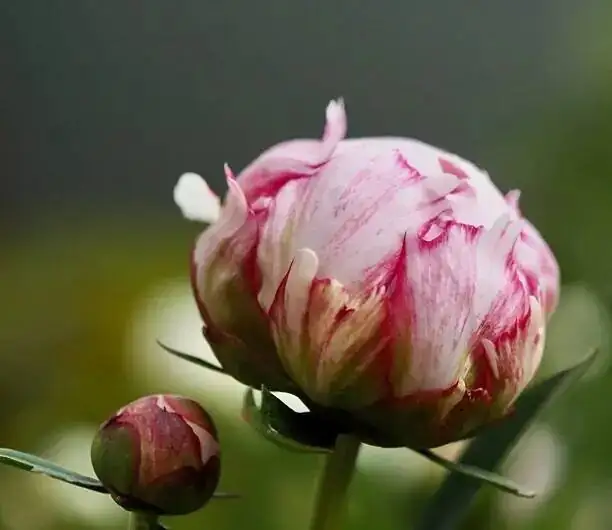
Peonies often form a central (terminal) bud plus smaller side buds on each stem. Your choice here steers both display style and energy economics.
- Goal: one giant, show-stopping bloom per stem
- Action: Remove side buds early, when pea-sized, leaving the terminal bud.
- Why: Fewer “sinks” means more resources concentrated into that single flower, yielding maximum size and refinement.
- Goal: more flowers per stem for a longer garden display
- Action: Keep side buds.
- Expect: More, smaller blooms; stems may benefit from discreet support. Deadhead promptly once petals fall to stop further energy drain.
- Goal: build the plant for the future (young or stressed clumps)
- Action: Allow only a few blooms; remove most buds the first year or two.
- Why: Developing storage roots is the long game. Fewer reproductive sinks now can translate to stronger plants and better bloom sets later.
Pair any strategy with fast deadheading after petal drop. That’s the moment you return the “budget” to savings rather than spending it on seed.
A practical calendar for success
- Spring
- Full sun and even moisture; avoid standing water.
- Buds form and swell—support taller cultivars if needed.
- Late spring to summer (flowering)
- Steady watering; light heat protection in hot regions.
- Disbud according to goals; deadhead promptly after bloom.
- Mid- to late summer
- Keep foliage clean and productive; this is starch-rebuilding season.
- Maintain moderate moisture and light feeding.
- Autumn
- Continue moderate moisture; roots are storing reserves.
- Divide if needed (Sep–Dec) into pieces with 3–5 plump “eyes.”
- Late autumn
- When foliage yellows, cut stems to ground and clear debris.
- Winter (Oct–Feb is the window for planting/repotting)
- Plant or repot while dormant; keep buds at or just below the surface.
- Water sparingly; protect crowns from extreme freeze–thaw.
Planting and division, without setbacks
- Best timing: Mid-autumn through winter (roughly Oct–Feb for planting/repotting; Sep–Dec for division).
- Dividing: Lift carefully, split along natural cracks into divisions with 3–5 buds, and avoid injuring the bud tips.
- Avoid spring disturbance: Dividing or repotting in spring often delays growth and flowering.
Troubleshooting: rot, spots, and stalls
- Root or crown rot? Improve drainage immediately, reduce watering, and let the surface dry slightly between waterings outside of active bud/flower time. If feasible during dormancy, lift, remove rot, and replant into a freer-draining site.
- Leaf spots and southern blight: Favor airflow, avoid wet foliage, and remove infected debris promptly.
- Not flowering?
- Too much shade, too-deep planting, over-wet or compacted soil, or heat stress can suppress blooms.
- Newly divided clumps may need a settling-in year.
Symbolism, history, and thoughtful use
- Meaning under the petals: In East Asian cultures, the peony embodies affection, honor, prosperity, and a harmonious marriage—associations that grew from centuries of courtly gardens, literature, and festival art. Later, Victorian “floriography” layered its own interpretations, so today’s “flower language” is a blend of traditions rather than a single ancient code.
- Cultural thread: Petals have graced sweet porridge and fritter-like treats historically; the roots (especially preparations known as “white peony root”) have a long record in traditional herbal practice. If you’re curious about medicinal use, seek qualified guidance rather than self-medicating.
- Safety note: Generally low toxicity, but discourage pets (and people) from nibbling; ingestion can upset sensitive stomachs.
Quick facts to remember
- This year’s flowers are last year’s sunshine, stored underground.
- Disbudding is a design choice—and a resource decision.
- Drainage isn’t optional; it’s life support for fleshy roots.
- A well-sited peony can thrive for decades with little disturbance.
- Seed-grown plants test patience: 4–5 years to first bloom is normal.
- Chinese peony resembles tree peony in bloom but is herbaceous—everything above ground disappears in winter.
With the right summer aftercare, smart disbudding, and a fanatical focus on drainage, Paeonia lactiflora will reward you year after year—bigger, richer, and more extravagant, powered by the secrets humming away in its underground vaults.