

If anything can turn a room into a love letter, it’s a vase of Chinese peonies (Paeonia lactiflora). Those plush, rose-like blooms unfurl from tight buds into billows of silk in days—if you time your harvest right, hydrate properly, and keep your cool. Here’s your florist-tested, botanist-approved guide to the famous “marshmallow stage,” hydration and conditioning, cool storage (with a pro secret), ant-safe prep, and modern styling that feels cloud-soft yet intentional.
The marshmallow stage: your pass to longer vase life
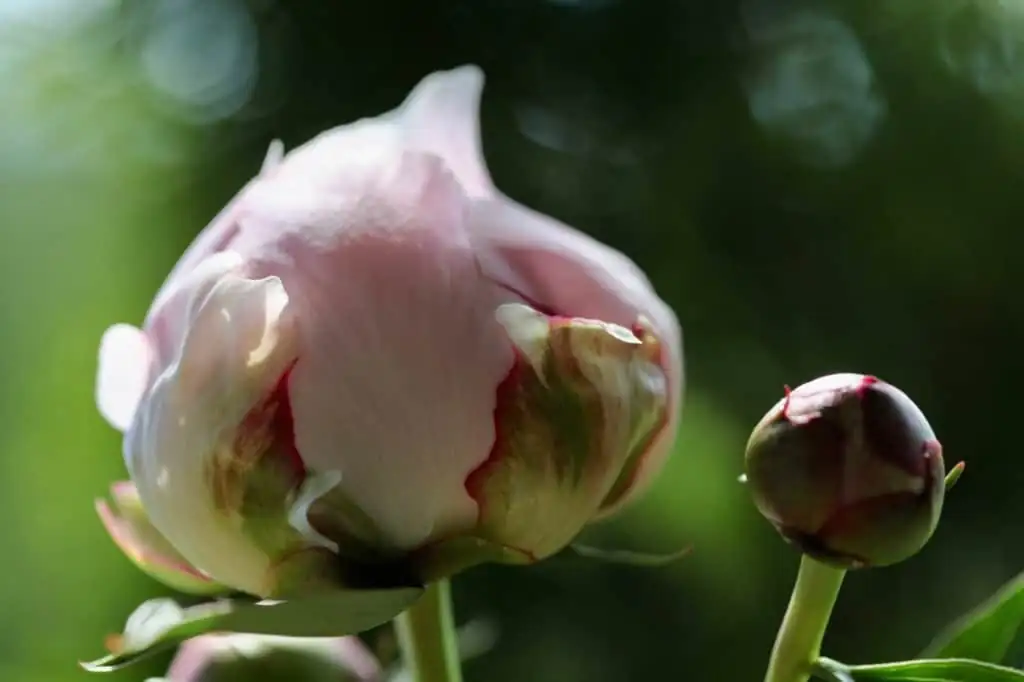
The best peony stems for the vase aren’t wide open—they’re at that just-right, soft-focused moment called the marshmallow stage.
- What to look for
- Buds show clear color (no longer green) and feel soft and springy—like a fresh marshmallow—when gently squeezed.
- Outer petals may loosen slightly, but the bloom is still closed.
- Stems are sturdy; leaves look fresh.
- Too tight vs. too open
- Rock-hard, greenish buds are often cut too early and may never open in water.
- Very open flowers are gorgeous but have a shorter vase life.
- Form matters
- Double and bomb-type peonies (think ‘Sarah Bernhardt’, ‘Festiva Maxima’, ‘Monsieur Jules Elie’) generally do best at soft-bud/marshmallow.
- Singles and “unfurling” types tolerate a little more openness at harvest.
- Buying tip
- At the market, choose firm stems with buds just showing color. Ask the seller for “marshmallow-stage” stems for best performance.
Hydration and conditioning: from field to full bloom
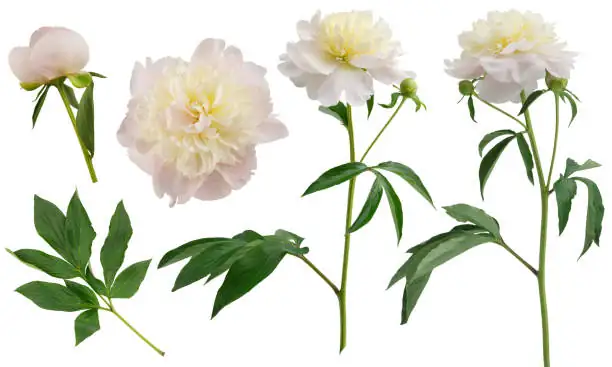
Peonies are thirsty, and doubles are especially sugar-hungry. Start strong and they’ll reward you with a week—or more—of luxury.
Quick-start routine
- Clean everything: scrub vases and pruners; bacteria is the enemy.
- Recut stems: 1–3 cm (½–1 in) off the ends at a sharp angle.
- Strip leaves below the waterline to reduce rot.
- Hydrate in tepid water: place stems in deep, room-temp to slightly warm water for 1–2 hours out of direct sun.
- Feed them: use commercial flower food in the vase; change water and recut every 1–2 days.
- Open cool, finish warm: hold in a cool room to slow opening; move to brighter, mild warmth to encourage unfurling when you’re ready to display.
DIY vase solution (when you don’t have flower food)
- Per liter of water: 1–2 tsp sugar + 1 tsp lemon or lime juice (to acidify) + 1–2 drops unscented household bleach (biocide). Stir well.
- Notes:
- Keep vase water slightly acidic (roughly pH 3.5–5) for better uptake.
- Refresh solution every 1–2 days; recut stems each time.
Pro notes from postharvest research
- Short “pulses” with high sucrose or some commercial hydrators don’t always deliver big benefits compared to good hydration and sanitation alone, especially for home use.
- Peonies open best when they’ve got both clean water and carbohydrates—commercial flower food remains the easy, consistent option.
Cool storage that really works
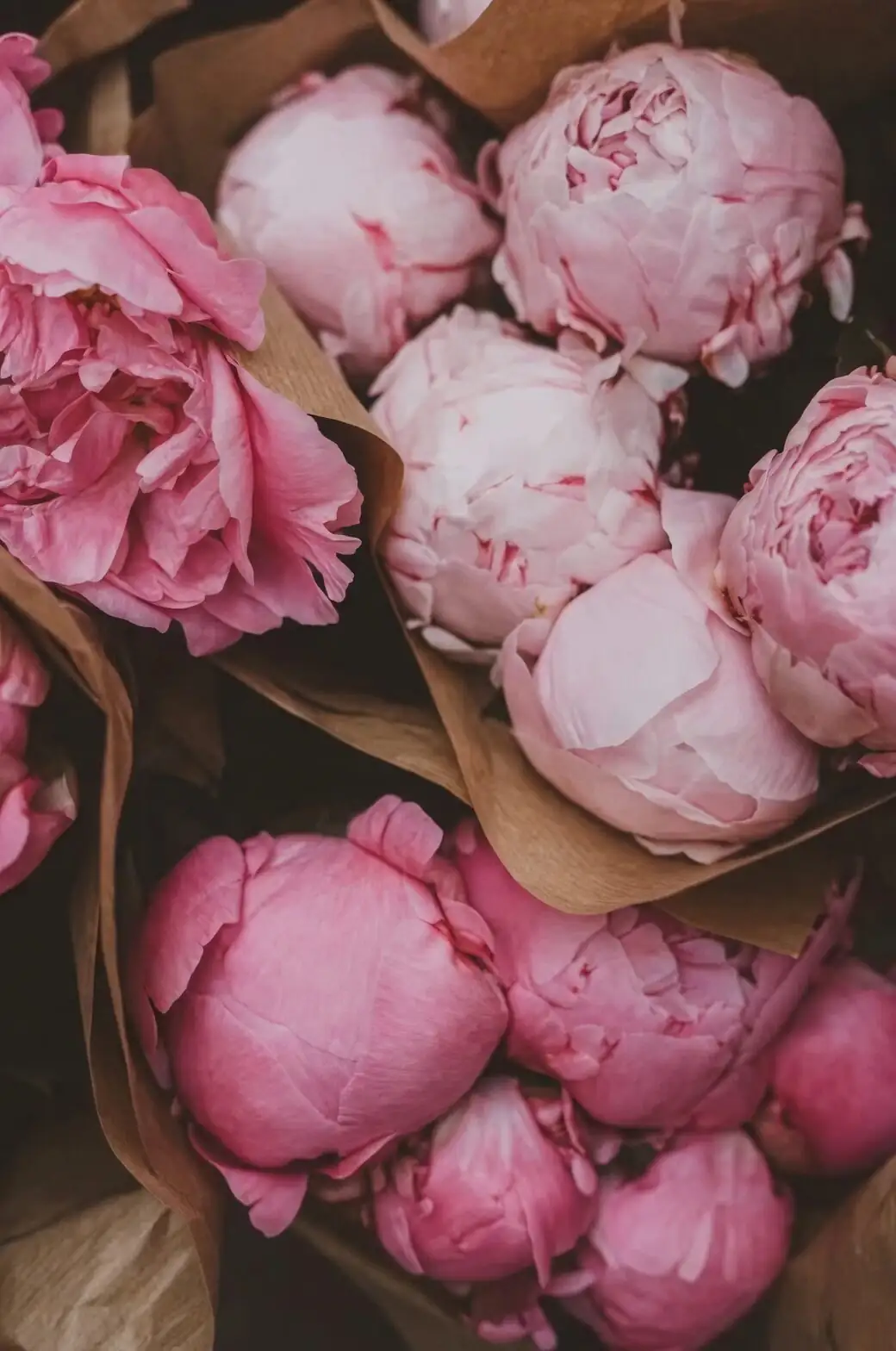
Peonies are famous for their “pause button.” You can hold marshmallow-stage buds for later magic—just keep them cold and dry.
Home method (1–2 weeks)
- Dry wrap buds in parchment or newspaper, then slip into a loose plastic bag.
- Refrigerate at 1–4°C (34–39°F). Keep away from fruit (apples, bananas, avocados) that release ethylene, which shortens vase life.
- To use: bring to room temp, recut stems, and hydrate in deep, tepid water with flower food. Give them a few hours (or overnight) to wake up.
Advanced, grower-level insight
- In controlled studies, non-freezing, sub-zero storage around −0.6°C extended storage of certain cultivars up to 16 weeks, with better quality than slightly above 0°C at very long durations. Near 0–1°C performed well for most shorter holds.
- Don’t try to “hover” near freezing with a home freezer—accidental freezing damages buds. Stick to a reliable refrigerator and the 1–2 week window at home.
Ant-safe prep (no myths, no chemicals)
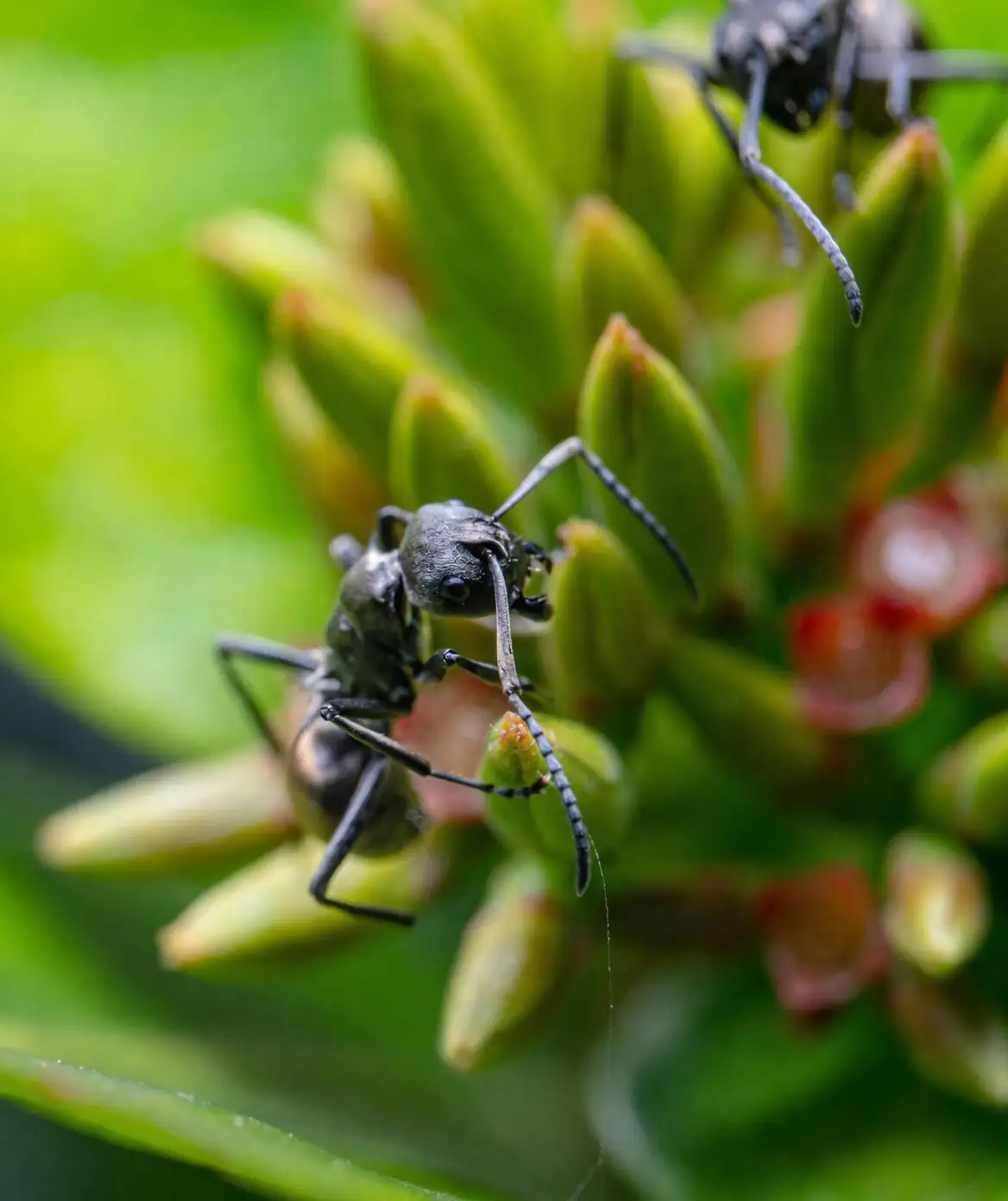
Ants adore the sugary droplets that form on peony buds—but they don’t help blooms open. Before bringing stems inside:
- Harvest away from ant trails if you can.
- Gently dunk buds in a bucket of clean water and swish; most ants float off.
- Lightly wipe buds with a soft cloth, then air-dry before storing or arranging.
- Avoid insecticidal sprays on cut flowers you’ll bring indoors.
Styling ideas: lush, modern arrangements without floral foam
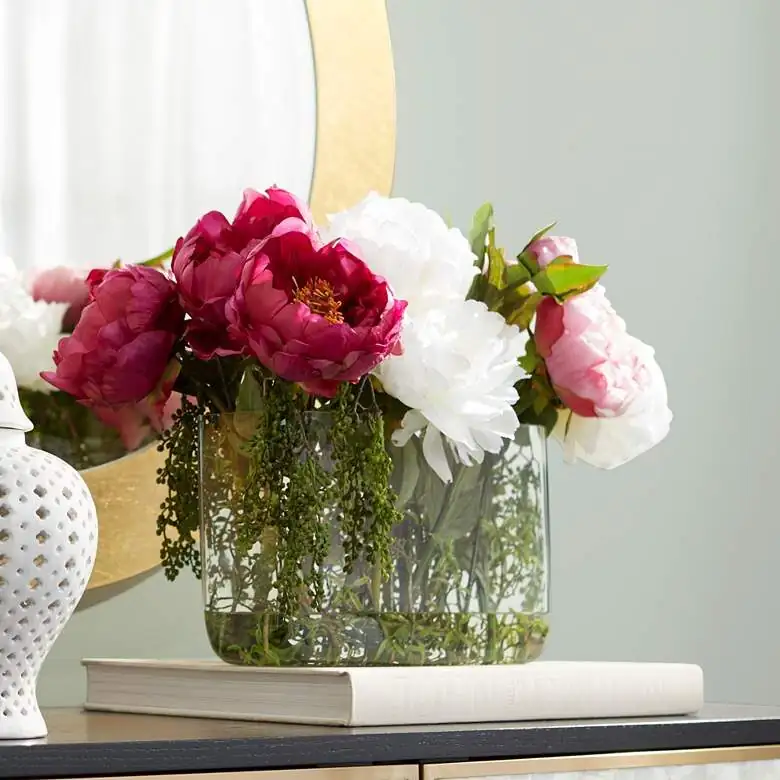
Peonies do drama effortlessly. Use mechanics that support heavy heads and let negative space breathe.
Foam-free foundations
- Chicken wire “pillow” in a wide-mouthed vase.
- A metal pin frog (kenzan) for low, sculptural pieces.
- A branch, bent wire, or reusable grid as an armature in tall vessels.
Three modern moods
- Cloud-mass classic
- Palette: blush, shell pink, ivory peonies with airy panicles (baby’s breath or cloud-like Ammi).
- Nestle 5–7 peony heads at varying heights; float airy fillers to keep it light.
- Minimal ikebana-inspired
- Use 1–3 stems with strong lines and lots of negative space.
- Add one sculptural branch or a single leaf (hosta, aspidistra) for tension.
- Garden-gathered modern
- Pair saturated peonies (raspberry, magenta) with textural greens (ninebark, smoke bush, viburnum), plus one delicate player (sweet pea, ranunculus).
- Keep stems spiraled and asymmetrical for movement.
Finishing moves
- Remove only the outer “guard” petals if bruised—don’t overpluck; they protect the bloom.
- For quicker opening, place stems in bright, indirect light and slightly warmer room temps; for slower, keep them cooler and dimmer.
- Heavy doubles love support: let big blooms lean on the rim or nestle into foliage.
Troubleshooting
- Buds won’t open
- Likely cut too tight, dehydrated, or chilled too long. Recut, place in tepid water with flower food, and warm the room slightly. Gentle bud massage can help loosen outer petals.
- Drooping “bent neck”
- Recut deeply, hydrate in warm water up to the neck of the stem, and keep cool for several hours.
- Cloudy water, slimy stems
- Bacteria bloom—clean the vase, recut stems, and refresh with new solution. Strip any submerged leaves.
- Petal browning
- Ethylene exposure or heat. Keep away from fruit and hot windows; change water frequently.
Growing your own? One insider trick for show blooms
Disbud side shoots so each stem carries a single, larger flower. Water steadily during bud formation and ensure excellent drainage—peonies hate waterlogged soil.
Symbolism and gifting, thoughtfully told
In East Asian flower culture, Chinese peonies symbolize romance, honor, prosperity, and a happy marriage—associations shaped over centuries of art, poetry, and courtly gardens where peonies were celebrated as “the king of flowers.” When gifting today:
- Pale pinks read tender and affectionate.
- Whites suggest refinement and new beginnings.
- Rich magentas feel confident and celebratory.
These meanings are cultural stories, not fixed rules—let your recipient’s taste guide your palette.
Quick-reference checklist
- Harvest/buy at marshmallow stage with color showing.
- Sanitize tools and vases; strip lower leaves.
- Recut and hydrate in tepid water; use flower food.
- Store buds cold and dry (1–4°C) for up to 1–2 weeks at home; keep away from fruit.
- Recut and rehydrate after storage; change water every 1–2 days.
- Remove ants by dunking and swishing—no sprays needed.
- Style with sturdy, foam-free mechanics; let space and texture breathe.
With timing, cleanliness, cool storage, and a light hand, Paeonia lactiflora will give you the lush, modern arrangements you dream of—and a vase life that feels downright luxurious.