

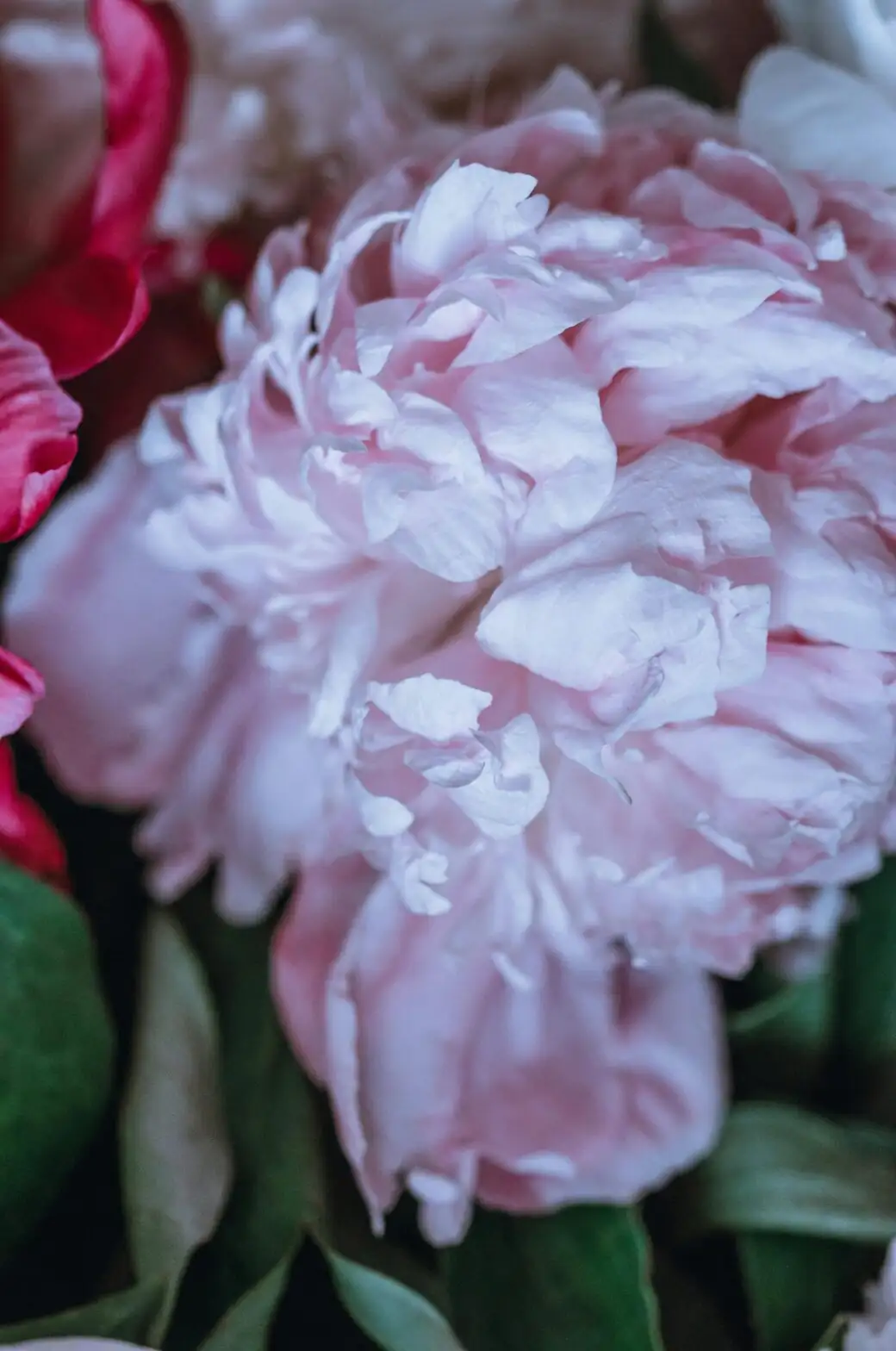
Peonies look like a hundred silken whispers unfurling at once—luminous, perfumed, and gone all too soon. No wonder cultures across Asia and the West gave this flower a language of its own. Trace that language back, and you’ll find Tang and Song poets writing of beauty and parting; Japanese hanakotoba balancing grace with a blush of shyness; and the Victorians elevating “bashfulness” into a coded message for love. Today, Paeonia lactiflora—the Chinese Peony—still carries those layered meanings into wedding aisles, heartfelt gifts, and spring celebrations.
Meet the flower behind the meanings: Paeonia lactiflora
Botanical snapshot
- Common names: Chinese Peony, Common/Garden Peony; Chinese name: 芍药 (sháoyào)
- Scientific name: Paeonia lactiflora (family Paeoniaceae)
- Native range: Northwest China, Mongolia, and eastern Siberia (Russia)
- Habit: Herbaceous perennial—dies back in winter, re-sprouts in spring
- Look and season: Big, often fragrant, rose-like blooms (single to very double) in late spring to early/mid-summer
- Personality in the garden: Sun-loving, long-lived, cold-hardy; superb cut flower with strong stems
Why this matters for meaning: a peony’s lush, almost overabundant petals read as prosperity and romance; its short, breathtaking season reads as beauty on the verge of goodbye. Those two notes—opulence and ephemerality—compose the melody of peony flower language across cultures.
China: beauty, wealth—and the ache of parting
In classical China the peony became “national beauty and heavenly fragrance” (国色天香), adored in imperial and scholar gardens alike. By the Tang Dynasty, poets linked the flower with feminine beauty and refined living; by the Song, literati recorded and ranked cultivars, painting and writing the peony into high culture.
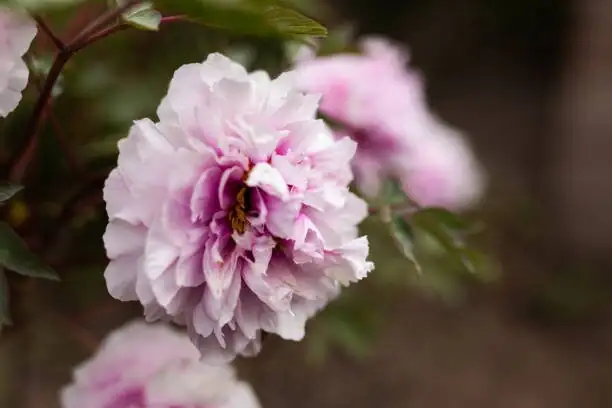
- Beauty: The peony’s layered, light-catching petals became a visual metaphor for grace and allure.
- Wealth and honor: Its sumptuous form and coveted garden status made it a symbol of prosperity and high standing.
- Parting: Blooming at late spring’s edge, peonies often appear in poems of farewell—the loveliness of a blossom meeting the inevitability of change. Their falling petals could mirror the tender sadness of separation.
Cultural echoes continue: in East Asian flower culture today, the Chinese Peony still suggests romance and affection, honor and prosperity, and wishes for a happy marriage—making it a natural choice for wedding bouquets and auspicious gifts.
Japan’s hanakotoba: grace and bashfulness in duet
Japan distills meanings through hanakotoba (the “language of flowers”), and peonies carry two intertwined threads:
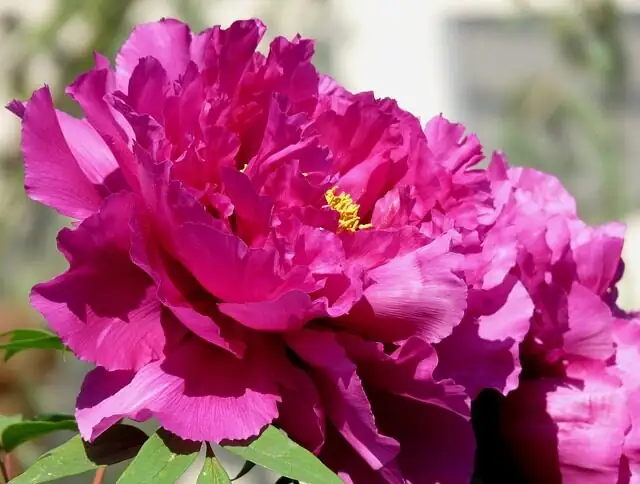
- Grace and good fortune: The peony’s poised grandeur conveys elegance and a well-ordered life. In art, bold peonies can even suggest courage and noble spirit.
- Bashfulness (especially for herbaceous peonies): Shakuyaku—the herbaceous peony, which corresponds to Paeonia lactiflora—traditionally whispers of modesty or shy affection. Think of a bloom so full it lowers its head slightly, as if blushing at its own splendor.
Together, these create a charming paradox: a flower that embodies both stately grace and a soft-spoken heart—ideal for nuanced gifting where admiration is tinged with tender restraint.
Victorian floriography: the age of bashfulness
In 19th‑century Europe, lovers tucked messages into bouquets, and the peony’s cue card read “bashfulness” (sometimes even “shame”). Explanations vary—its bowing, heavy blooms; folk tales of nymphs hidden among petals—but the takeaway stuck. In Western tradition, gifting peonies could mean “I adore you, and I’m a little shy about it,” or “My feelings are sincere but unassuming.” This softened the flower’s opulent look with a gentle, human note.
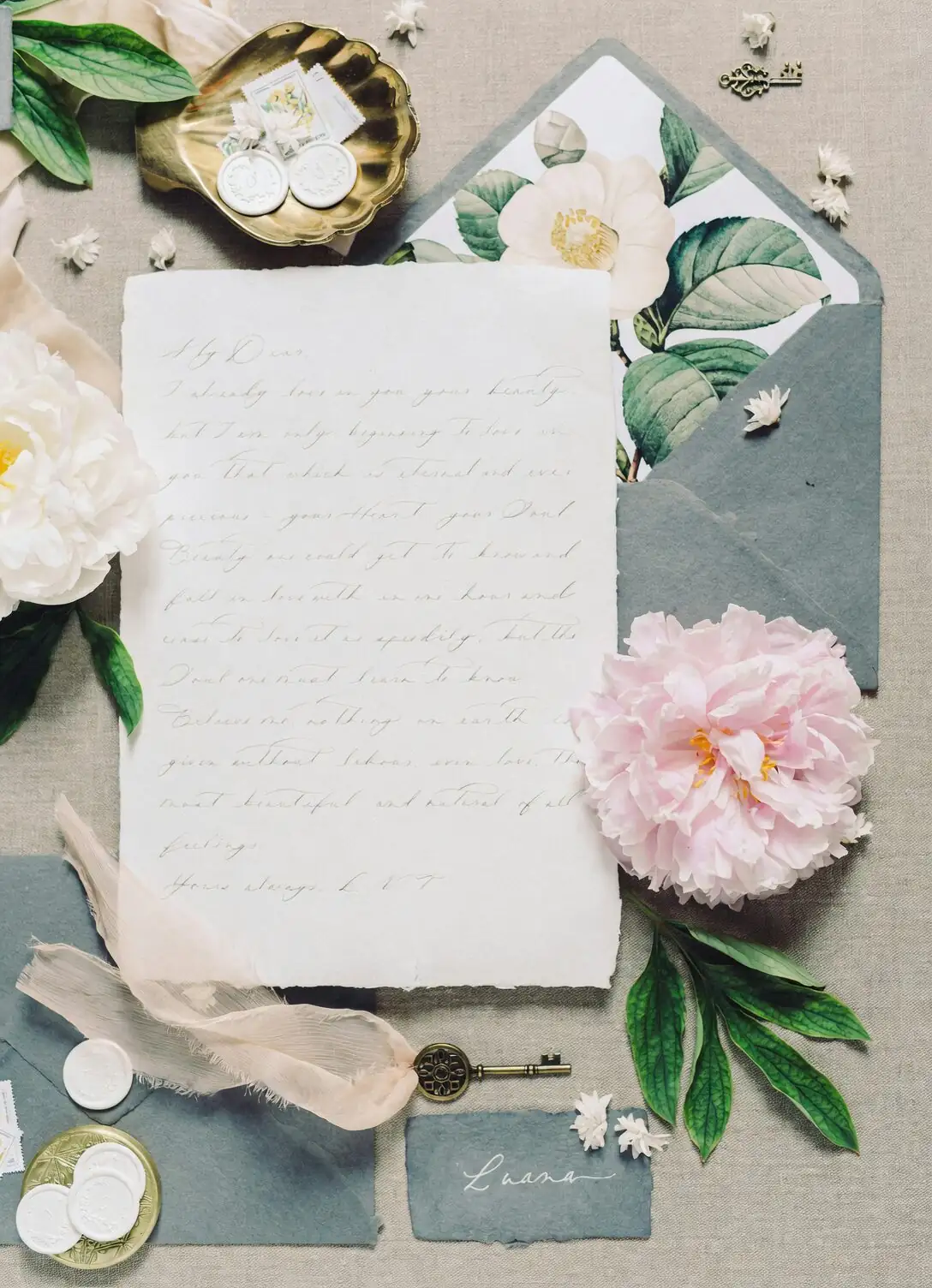
How old meanings shape modern gifting and weddings
Today’s bouquets borrow freely across centuries and borders. Here’s how those layered meanings translate into modern choices.
For weddings
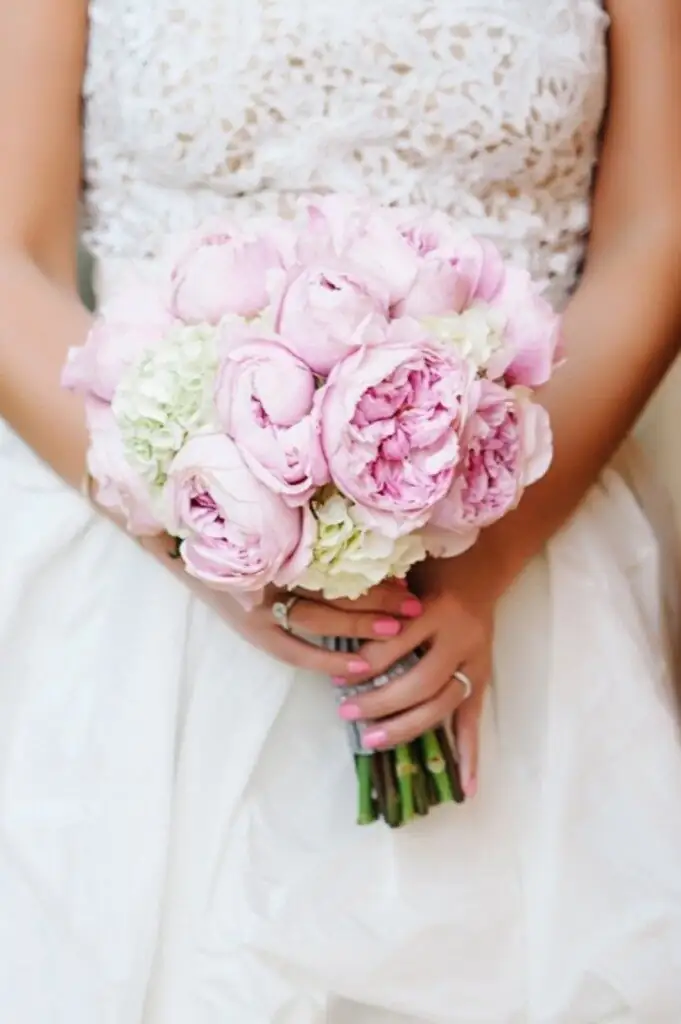
- What it says: The Chinese strand (prosperity, honor, happy marriage) intertwines beautifully with Western romance and Victorian bashfulness—sumptuous love with a humble heart.
- Colors and cues:
- Pink: romance, joy, elegance—classic for bridal bouquets and attendants
- White: purity and quiet dignity—refined for ceremonies and minimalist palettes
- Red: respect, abundance, celebratory energy—powerful in culturally blended weddings and festive décor
- Design notes:
- Pair with roses, ranunculus, sweet peas, or garden herbs for texture.
- Let a few fully double blooms be the stars, supported by simpler single or semi‑double forms for movement.
- Their late spring timing makes them perfect for May–June vows.
For gifts
- Romance in bloom: A mixed bouquet with pink peonies says “deep affection”—with that Victorian hush of shyness.
- Congratulations or housewarming: Red or bolder tones nod to honor and prosperity in East Asian tradition.
- Thoughtful apologies or reconciliations: White peonies can signal sincerity and respect; keep the styling simple and graceful.
Timing tip: For cut stems, choose firm buds that are just beginning to show color—this stage opens best and lasts longest in the vase.
The craft behind the symbolism: what the plant teaches us
Paeonia lactiflora is winter‑dormant and loves cool to moderate summers and bright sun. That seasonal rhythm—vanishing below ground, then returning with lavish strength—mirrors why people read resilience, renewal, and “deserved abundance” into its blooms. In other words, the plant’s life story reinforces its cultural story.
Grower’s quick guide
- Sun and air: Full sun for at least 6 hours/day; light afternoon shade helps in hot summers; good airflow is essential.
- Soil: Fertile, deep, and well‑drained—never waterlogged. Plant buds (“eyes”) level with the soil surface.
- Water: Evenly moist but not soggy through spring and flowering; let things dry slightly between waterings afterward.
- Climate: Cold‑hardy and long‑lived in USDA Zones 3–8; the plant appreciates winter chill and can struggle in prolonged intense heat.
- Care rhythm: Deadhead after bloom; cut stems to ground level in late autumn; divide clumps in dormancy if needed.
A happy plant gives the best symbols: strong stems that carry flowers above the foliage—perfect for cutting and gifting.
A brief, critical note on “flower language”
- China’s huayu (花语): While modern “peony = love/wealth” lists are popular, their roots lie in long literary habits rather than a single ancient code. Tang and Song poets set the emotional palette—beauty, prosperity, and the bittersweetness of parting—later distilled into today’s quick meanings.
- Japan’s hanakotoba: More deliberately codified, especially from the Edo to early modern eras, assigning concise sentiments like “bashfulness” to herbaceous peony (shakuyaku) and noble virtues to grand peony imagery.
- Victorian floriography: A true social game of coded messages; peony = bashfulness became a standard entry that still colors Western expectations.
Together, these systems don’t always agree—and that’s the charm. A single peony can speak courtly prosperity in one culture and tender shyness in another. Modern floristry embraces the harmony rather than choosing sides.
Styling ideas that let the meanings shine
- Classic East‑meets‑West bridal bouquet: Blush pink peonies with white garden roses, a hint of jasmine vine, and silk ribbon. Reads as romance + grace + good fortune.
- Joyous centerpiece for engagement dinners: Red and coral peonies with peony foliage, apricot ranunculus, and gold accents—quietly invoking honor and prosperity.
- Gentle reconciliation posy: White peony, sweet pea, and olive—clean lines, lots of negative space, and a hand‑tied bow.
Frequently asked symbolism questions
- Are peonies lucky wedding flowers? Yes—especially in East Asian traditions linking them to prosperity, honor, and a happy marriage, and in the West for romantic love with a tender, “bashful” tone.
- Do colors change the message? Subtly. Pink leans romantic; white reads pure and dignified; red feels auspicious and celebratory.
- When is the best time to gift them? Late spring into early summer, when they’re naturally in season. Choose buds just showing color for maximum vase life.
One last petal
Paeonia lactiflora bridges worlds: an herbaceous perennial from the cool lands of Northwest China, Mongolia, and eastern Siberia that now speaks in the languages of Tang courts, tea‑house whispers, and Victorian parlors. Give a peony, and you’re not just giving a flower—you’re handing over a small book of beauty, prosperity, and the soft-spoken courage of love.