

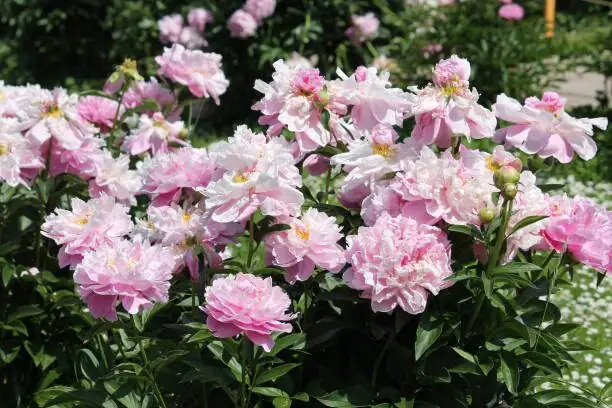
Think of the Chinese peony (Paeonia lactiflora) as the garden’s grand master of slow luxury: it takes its time, relishes a cool season, then arrives in a plume of scent and silk. And it holds a handful of delightful secrets—how to coax giant show blooms, when to cut for perfect vases, why ants adore the buds, and how to spot the difference between herbaceous and tree peonies at a glance. Ready for the reveal?
Meet Paeonia lactiflora, the Chinese Peony
- Family: Paeoniaceae
- Origin: Northwest China, Mongolia, and eastern Siberia
- Habit: Herbaceous perennial (dies back to the ground each winter; re-sprouts from a crown and fleshy storage roots)
- Size: Typically 60–100 cm tall and 60–90 cm wide, depending on cultivar and conditions
- Hardiness: Commonly grown in USDA Zones 3–8; may perform in Zone 9 if winter chill is adequate
- Look and bloom: Divided, fresh-to-glossy green foliage; large, often fragrant flowers from late spring to early/midsummer, in forms from single to gloriously double
Surprise #1: They can live for decades (and often get better with age)
Plant a well-chosen Chinese peony once and you might admire it for decades in the same spot—no annual replacements, no drama.
How to set yours up for a long life:
- Sunlight: Full sun (6+ hours daily) builds sturdy stems and abundant buds. In hot-summer regions, morning sun with light afternoon shade prevents heat stress.
- Soil: Deep, fertile, moisture-retentive but free-draining loam. Avoid waterlogging at all costs—fleshy peony roots resent “wet feet.” Strongly saline or strongly alkaline soils often disappoint.
- Planting depth matters: Set the buds (the “eyes”) at soil level or only slightly below (in colder climates). Planting too deep is a classic bloom-killer.
- Hands off in spring: Peonies dislike disturbance while they’re pushing shoots and buds. Divide or repot only during dormancy (best mid-autumn to winter).
Surprise #2: Disbudding is the secret to colossal, show-quality blooms
Want exhibition-style flowers the size of dessert plates? Try disbudding.
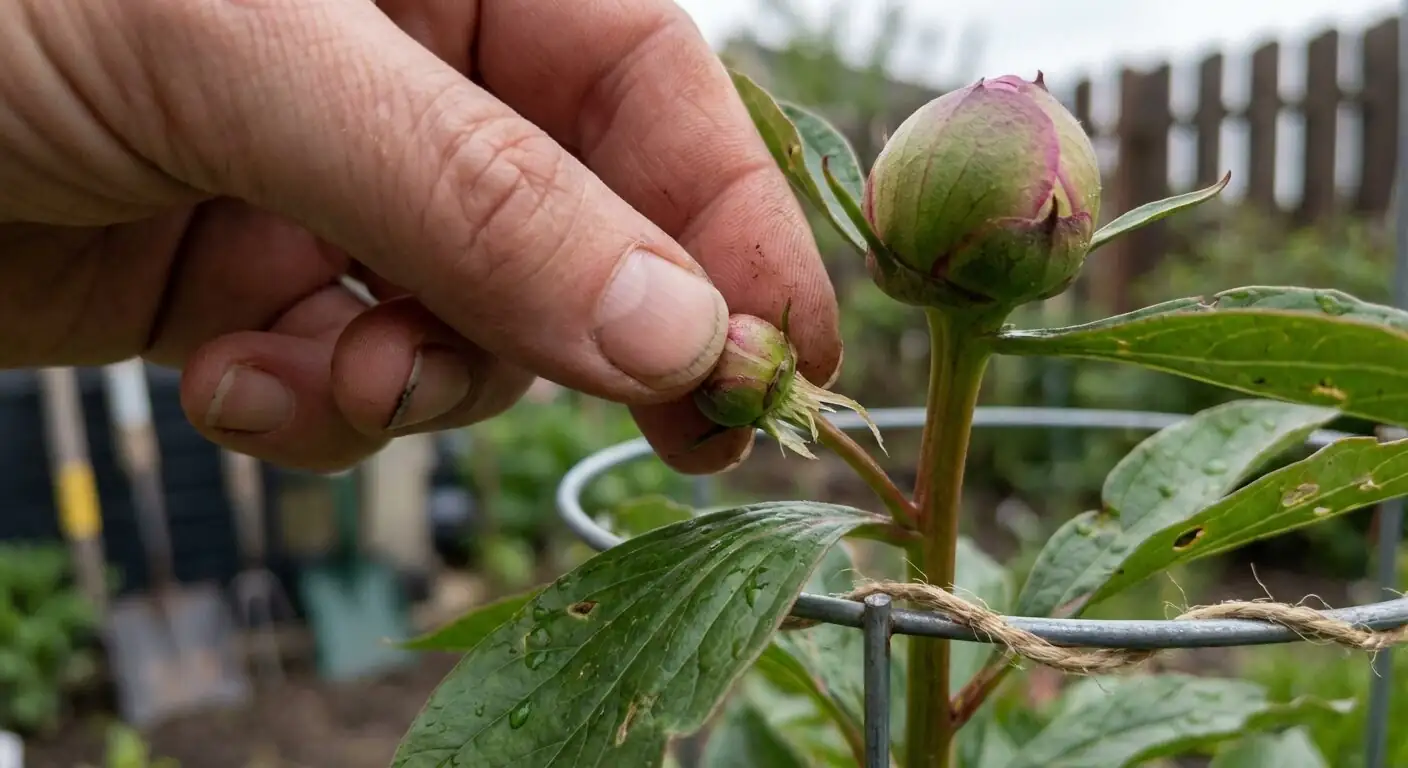
- What it is: Once the main (terminal) bud is clearly visible, pinch off the small side buds on that stem.
- Why it works: The plant funnels more energy into a single bloom, amplifying size, petal count, and presence.
- The trade-off: Fewer flowers overall per stem—perfect for showy bouquets or a “wow” border moment.
- Pro touch: Keep water “evenly moist, never soggy,” and switch to a bloom-leaning feed (higher in phosphorus and potassium) around bud formation. Good staking or support rings help carry hefty double blooms.
Surprise #3: The Marshmallow Bud Test—florist-level cutting at home
Cutting peonies at the right stage delivers pristine, ant-free, long-lasting blooms.
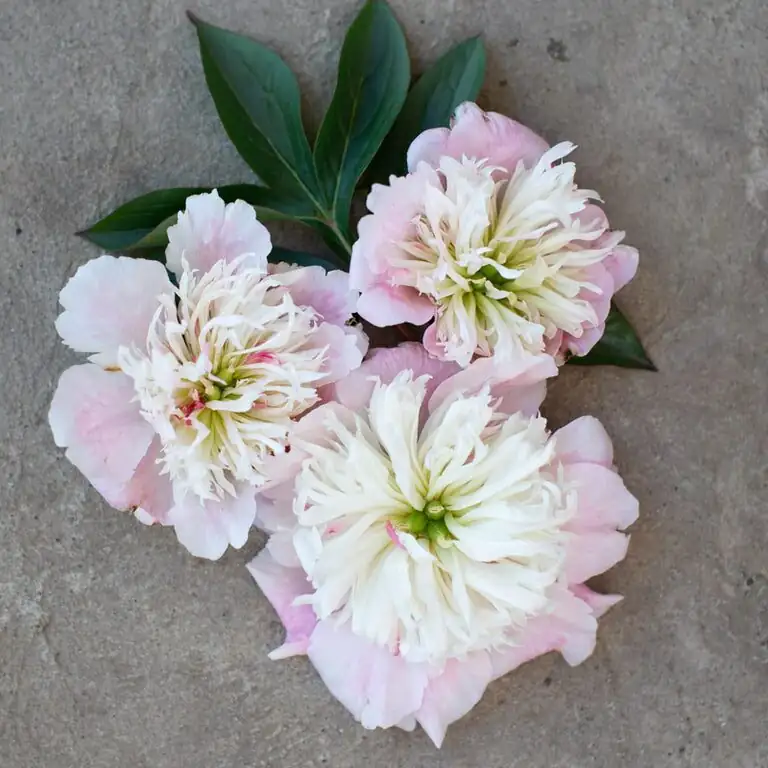
- The test: Gently squeeze a colored bud. If it feels like a marshmallow—soft but springy—it’s ready.
- What happens next: In water, these buds typically open in 8–48 hours to full, lush bloom.
- Ant etiquette: Before bringing stems indoors, hold them upside down and give a firm shake or a gentle rinse.
- Storage magic: Cut at marshmallow stage and refrigerate buds to time your blooms. Keep stems hydrated, loosely bagged or wrapped, and away from ethylene-producing fruits like apples and cantaloupes. Cool storage around 35°F (about 1.5–2°C) can hold buds for an extended period.
Tip for doubles like ‘Sarah Bernhardt’: buds about 1.5 inches across at cutting often open perfectly two days later.
Surprise #4: Ants don’t make peonies bloom—but they are welcome bodyguards
Let’s debunk a classic myth: peonies do not need ants to open. The ants come for a snack, not to play florist.
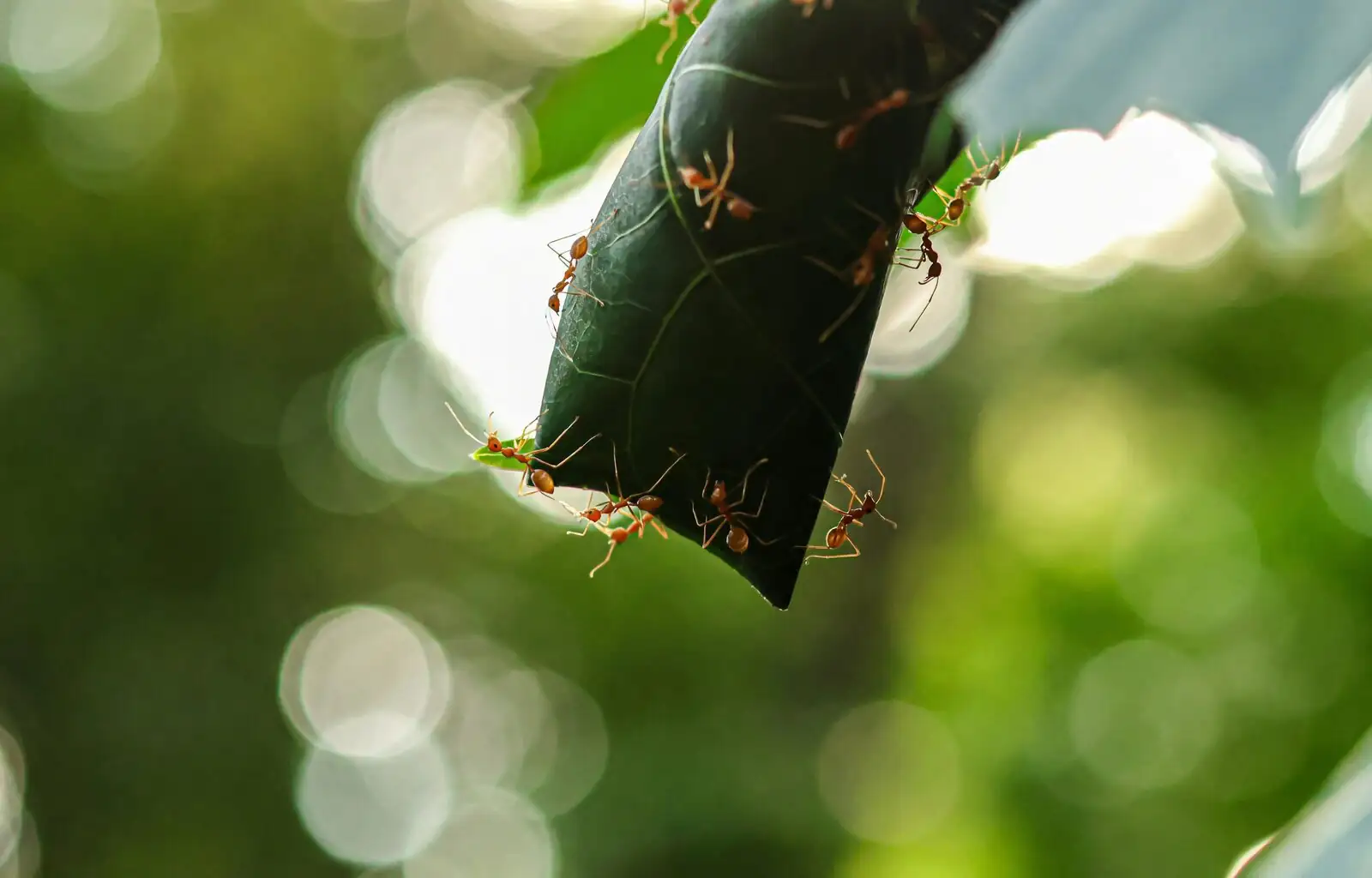
- What’s the draw: Tiny extrafloral nectaries on peony buds ooze a sugar-rich treat. Ants lap it up.
- The relationship: Mutualism. Ants get food; in return they often deter other bud-munchers like thrips. When the sugary secretions are gone and petals open, ants move on.
- What to do: Don’t spray insecticides—the ants aren’t harming the plant. For cut flowers, simply shake or rinse them off before bringing indoors.
- Real pests to watch: Thrips, aphids, and spider mites can show up on tender growth. Manage with strong water sprays, horticultural soap/oil, and label-directed controls if needed.
Surprise #5: Herbaceous vs. tree peony—the easy reveal
They may share those sumptuous, satiny blooms, but they’re different garden creatures.
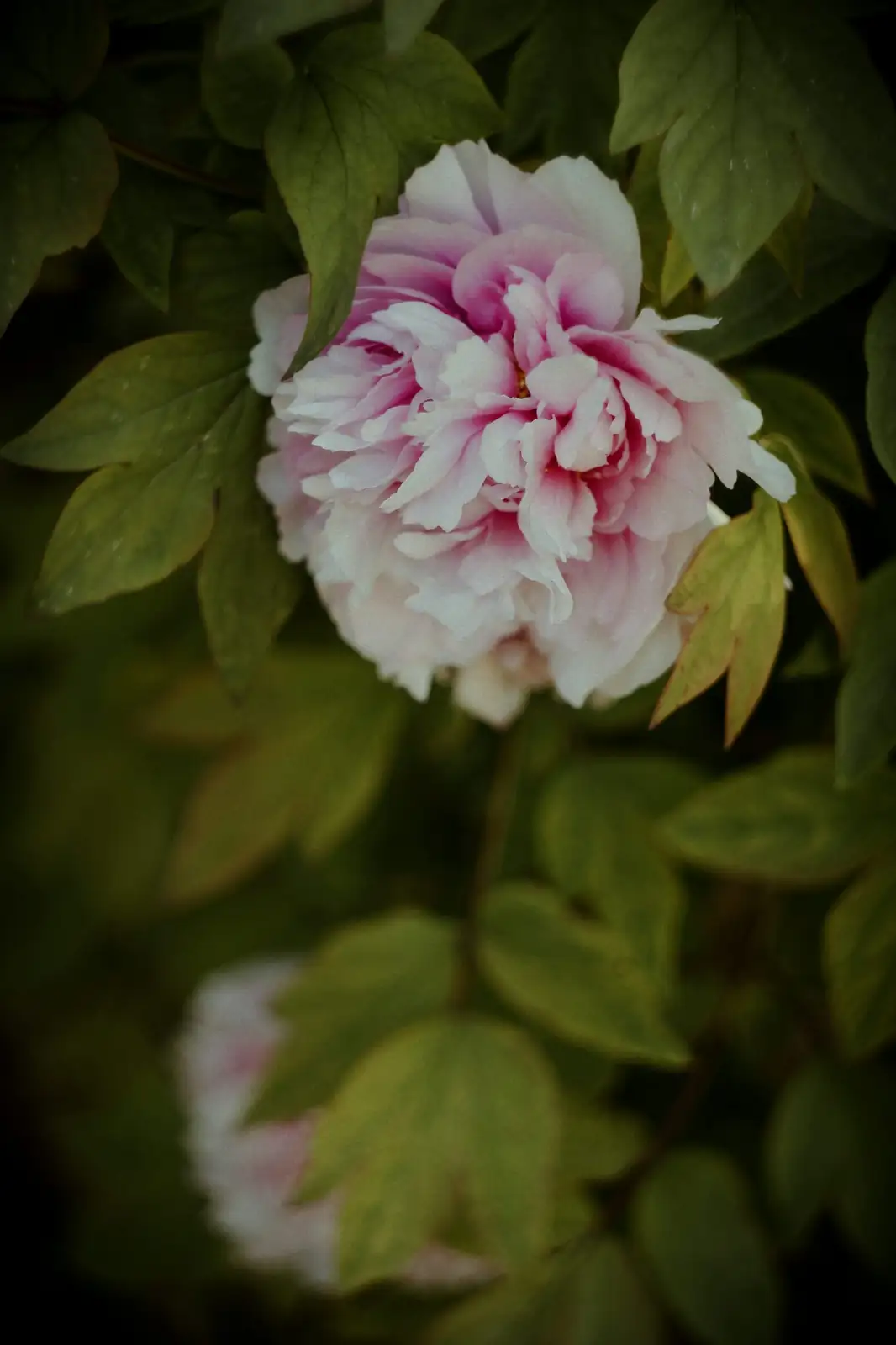
- Chinese peony (Paeonia lactiflora): Herbaceous. Everything above ground dies back in autumn; new shoots rise from the crown each spring. Cut stems to ground level after frost or once foliage yellows in late autumn.
- Tree peonies (other species and hybrids): Woody shrubs. Their framework persists through winter; do not cut them to the ground.
If your “peony” disappears completely each winter and resurfaces from the soil in spring, you’re looking at Paeonia lactiflora.
Growing for the long haul: a cheerful cheat sheet
- Sun:
- Best: Full sun for sturdy plants and maximum bloom.
- Hot regions: Morning sun with gentle afternoon shade.
- Water: Evenly moist during growth and flowering; never soggy. Water at the base. Keep things slightly drier when dormant.
- Soil:
- Deep, fertile, well-drained loam; improve with compost/leaf mold.
- Add grit where drainage is slow. Avoid waterlogging and strongly saline/alkaline conditions.
- Feeding:
- 2–3 light feeds during active growth with well-rotted organics or diluted organic liquid feed.
- Shift to bloom-leaning (higher P and K) when buds form.
- Add slow-release organic amendments near (not on) the crown in dormancy.
- Seasonal care:
- Spring: Full sun, even moisture, no standing water.
- Late spring–summer: Peak bloom—steady watering; provide light shade during extreme heat.
- Autumn: Moderate moisture so plants rebuild reserves; deadhead unless saving seed.
- Winter: Dormant—keep soil on the drier side; mulch/mound in very cold regions to protect buds.
- Pruning:
- For giant blooms: Remove side buds on each stem.
- Clean-up: Cut stems to ground level once foliage yellows in late autumn.
- Propagation:
- Best by division in autumn (Sep–Dec). Each division needs 3–5 plump eyes.
- From seed is slow: expect 4–5 years to first flowers.
- Containers:
- Pot size: At least 20–25 cm (8–10 in) diameter; larger is better long-term.
- Repot/plant only during dormancy (roughly Oct–Feb). Keep eyes at soil level.
Symbolism and flower language: beyond the pretty face
Across East Asia, the peony has long symbolized romance and affection, honor, prosperity, and a happy marriage—meanings born from centuries of art, poetry, and garden culture where lush abundance signified wellbeing. In modern gifting, a peony bouquet reads as “heartfelt and refined,” a whisper of luxury without saying a word.
A thoughtful caveat: flower language is cultural shorthand, not botany. Its meanings evolved through tradition and storytelling, then were popularized by florists and modern media. Enjoy the sentiment—but let your own occasion and intent shape what your peonies “say.”
Troubleshooting: quick wins
- “Why won’t my peony bloom?”
- Too deep: Eyes buried well below soil level
- Too shady: Fewer than 6 hours of sun
- Too hot for too long: Prolonged summer heat can reduce vigor
- Too young or recently moved/divided: Peonies sulk after disturbance
- Too much nitrogen: Leaves at the expense of flowers
- “My plant rotted at the base.”
- Diagnose drainage first. Lift and replant during dormancy into freer-draining soil; water carefully.
- “When should I divide or repot?”
- During true dormancy, ideally mid-autumn through winter. Spring division can delay or prevent flowering the following year.
One last, lovely footnote
Chinese peony is not just ornamental royalty—it’s appeared in traditional sweets and porridges, and its roots (notably “white peony root”) have a long history in herbal practice. If you’re curious about medicinal use, seek qualified guidance rather than self-medicating.
Plant it right, leave it be, and treat it to sunshine and drainage, and Paeonia lactiflora will reward you for years—maybe decades—with armfuls of perfumed silk and a few garden stories worth telling.