

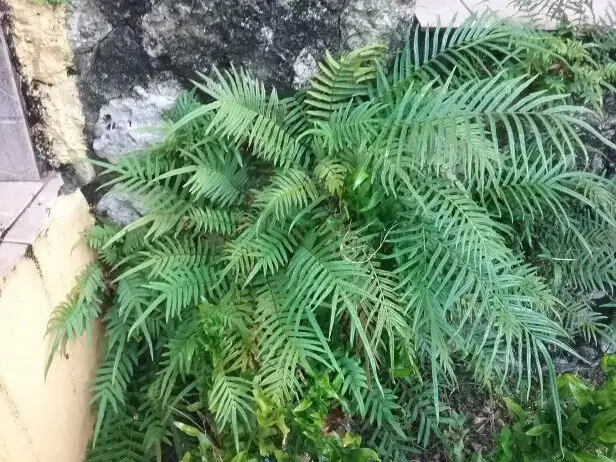
If your home has gentle, filtered light and you crave a lush, spa-like corner, Chinese brake fern (Pteris vittata) is your soft-arching, green fountain. This fern loves steady moisture and friendly humidity, and when you pair it with like-minded houseplants and the right substrate, it practically builds its own rain-forest bubble. Add mindful airflow and you’ll keep leaf spot out of the party while the fronds stay fresh and feathery.
Meet the plant: graceful, forgiving, and fond of comfort
- Name: Chinese brake fern (Pteris vittata), also known as Brake Fern or Ladder Brake; family Pteridaceae.
- Look: Narrow, feathered fronds on wiry dark stems form an elegant, arching clump; some selections show a pale stripe down each leaflet.
- Size indoors: Commonly 30–60 cm tall and wide; mature clumps often reach about 60 × 60 cm.
- Where it thrives: Bright, indirect light to part shade—avoid harsh midday sun. Indoors it’s happiest around 18–27°C and protected from cold drafts.
- Humidity sweet spot: Moderate to high; it looks best around 60–70% without ever sitting in soggy soil.
- Best vessels: Drainage holes are non-negotiable; excellent in pots or hanging baskets where the fronds can drape.
Tip: Think “bright shade” rather than “dark corner.” Aim for filtered, indirect light—near an east/north window, or a south window with a sheer—so the clump stays dense and green.
The microclimate blueprint: soft light, steady moisture, and gentle air
A thriving fern corner is really a set of small, smart choices that add up.
1) Substrate that drinks—but never drowns
Your goal is moisture-retentive yet free-draining. Two reliable recipes:
- Classic fern mix: peat-based medium + leaf mold (or fine leaf compost) + coarse sand for drainage.
- Practical indoor blend: 2 parts all-purpose potting mix + 1 part fine bark-based medium + 1 part horticultural charcoal.
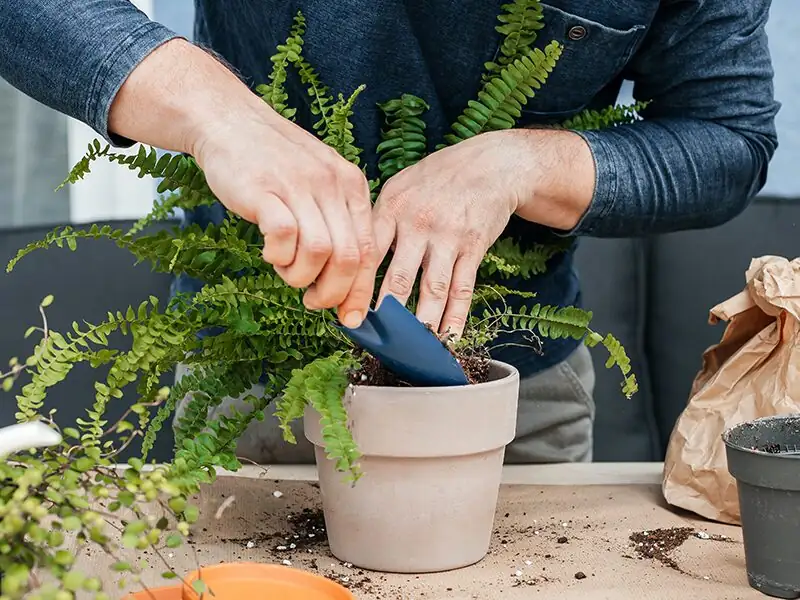
Use a pot with generous drainage holes. Water thoroughly, let excess run off, and never leave the pot standing in water.
2) Watering rhythm that stays even
- Spring–autumn: Keep evenly moist. As a general starting point indoors, this can be around 3 times per week in warm weather, then adjust for light, heat, and pot size.
- Winter: Dial back—often about once weekly, watering when the surface just begins to dry. Avoid complete dry-outs.
- Bonus: Mist in the morning, especially in dry rooms, to support frond quality. Morning misting dries by evening and helps minimize leaf spot.
3) Humidity without the sog
- Target: 60–70% is ideal for lush fronds, but moderate levels still work.
- How to get there:
- Group humidity-loving plants close (not crammed) to share transpiration.
- Place the cluster in a bright bathroom or kitchen if light is filtered.
- Use a pebble tray with water below the pot’s base or a small humidifier on low.
4) Airflow spacing to keep leaf spot at bay
Leaf spot thrives on stagnant, wet foliage. Counter it with:
- Spacing: Leave about a hand’s width (8–10 cm / 3–4 in) between the fern’s fronds and neighboring plants. Avoid leaf-on-leaf contact.
- Trimming: Thin a few crowded or overly tall fertile (spore-bearing) fronds to open the clump and improve circulation.
- Timing: Water and mist in the morning so fronds dry by nightfall.
- Gentle movement: A small fan on low, oscillating for 15–20 minutes a couple of times a day across the room, not blasting the plant, keeps air from going stale.
Companion houseplants that love the same “rain-forest bubble”
Create a mixed, humidity-happy vignette. Aim for plants that enjoy bright, indirect light, consistent moisture, and breathable soil.
- Nerve plant (Fittonia): Low, mosaic leaves thrive in humidity and appreciate steady moisture.
- Prayer plant (Maranta leuconeura): Colorful foliage curls at night; likes evenly moist, airy mix.
- Calatheas (Goeppertia spp.): Drama queen foliage that rewards humidity and filtered light.
- Selaginella (spikemoss): Cushioning texture; loves high humidity and moist substrate.
- Mosses (sheet or cushion types for top-dressing): Lock in surface moisture and add woodland polish.
- Small peperomias (e.g., P. caperata): Prefer moderate moisture and good airflow; don’t keep them as wet as the fern—place nearby rather than in the same pot.
- Miniature begonias (e.g., rex or rhizomatous types): Enjoy humidity and bright, indirect light; water when the top begins to dry.
- Other ferns: Maidenhair (with extra care), button, bird’s-nest types—co-locate for shared humidity, but pot individually so you can fine-tune watering.
Pairing pointers:
- Avoid mixing water-needy and drought-loving plants in the same container. Cluster in separate pots instead so each plant gets its ideal watering.
- Keep taller, airier plants toward the back to reduce shade stacking; rotate the cluster every couple of weeks for even growth.
A container “rain-bowl”: an easy layout
- Vessel: Wide, shallow pot or bowl with drainage; or a trio of separate pots on a single tray.
- Substrate: Use one of the fern mixes above; top-dress with fine bark, leaf mold, or moss.
- Centerpiece: Chinese brake fern.
- Edgers: Fittonia or Selaginella tucked near the rim (in their own small nursery pots if you want precise watering).
- Accent: A small, upright calathea or a jewel begonia slightly off-center for height and color.
- Air lane: Preserve an open “path” of space across the planting so air can move; don’t let foliage seal the surface like a lid.
Light, placement, and everyday care
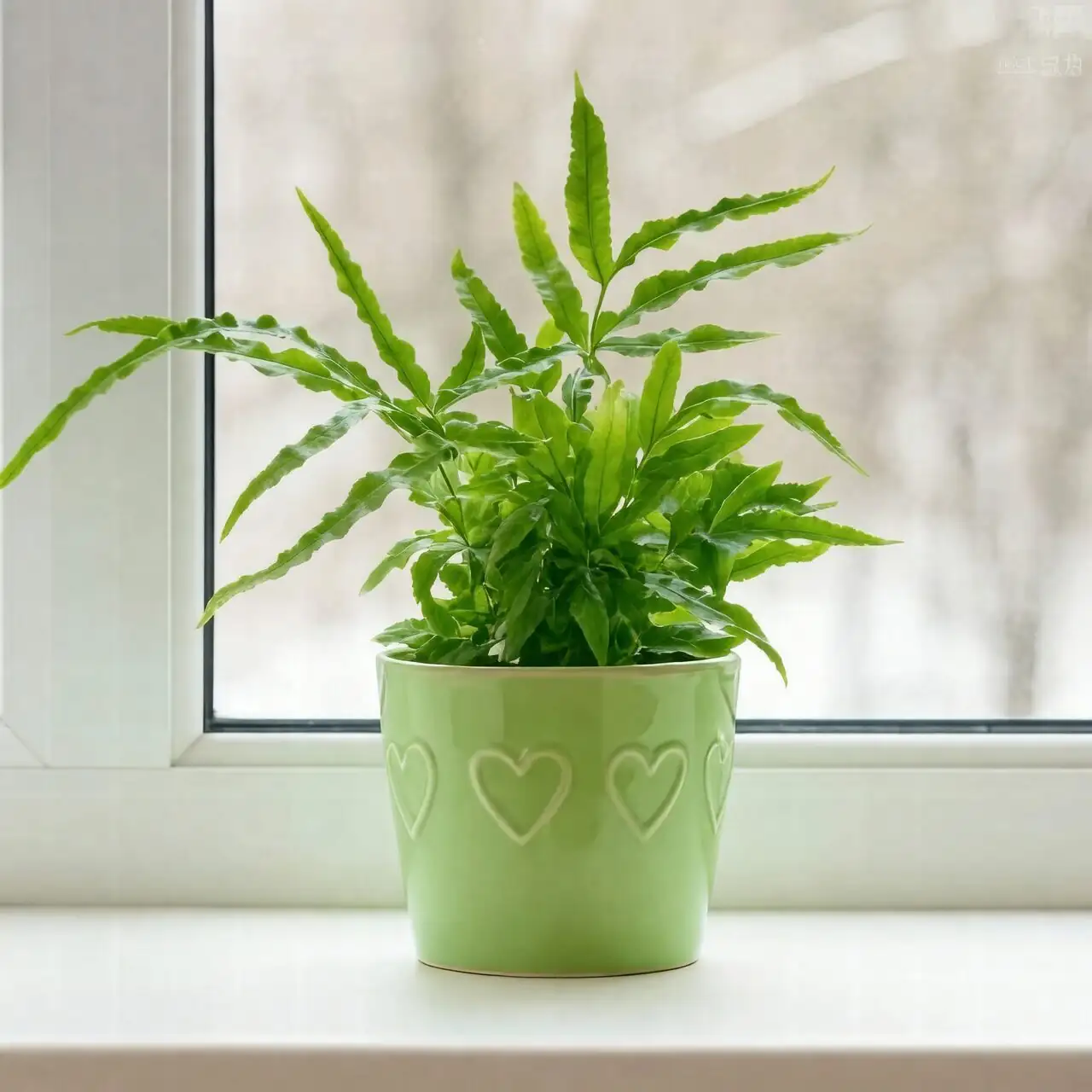
- Light: Bright, filtered light to partial shade—sheer-curtained south/southeast windows, or east/north exposures are great. Keep out of harsh midday sun.
- Temperature: Comfortable room temps suit it best (roughly 18–27°C). Protect from cold drafts and prolonged dips below ~10°C.
- Feeding: Monthly in spring–early autumn with a balanced liquid fertilizer at half strength. If using a higher-potassium formula (around 15-15-30), dilute well. Occasionally flush with plain water to prevent salt buildup and keep fertilizer off fronds to reduce spotting.
- Grooming: Snip yellow, brown, or damaged fronds at the base. Thin crowded fertile fronds to tidy the clump and boost airflow.
- Repotting: Every 2 years in spring (or sooner if roots circle hard). Step up just one pot size, or divide to refresh and share.
Leaf spot and pest defense plan
- Prevention: Morning watering/misting, good spacing, and gentle airflow.
- Action: Remove badly spotted fronds. If needed, use a fungicide labeled for ferns as directed.
- Pests to watch: Scale, mealybugs, spider mites—especially in dry air. Wipe off scale/mealybugs and follow with horticultural oil or insecticidal soap; raise humidity and rinse fronds for mites.
- Browning tips? Often low humidity, underwatering, or salt buildup. Increase humidity, re-balance watering, and flush the pot.
Styling ideas that support plant health
- Hanging basket: The fern’s arching fronds drape beautifully—just keep the basket within bright, indirect light and use a moisture-retentive, airy mix.
- Bathtub vignette: On a stool or shelf near a bright, curtained window. The bathroom’s ambient humidity is a bonus.
- Shelf cluster: Stagger heights; keep 8–10 cm between foliage and add a slow, indirect airflow source nearby.
Troubleshooting quick hits
- Yellow, curling fronds: Cut them at the base; water thoroughly; shift to bright, indirect light and increase humidity. Avoid drafts and direct sun.
- Crispy tips: Boost humidity (grouping, pebble tray, light misting), check for underwatering, and flush salts.
- Overcrowded clump: Divide in early spring; don’t make divisions too tiny—larger pieces establish faster.
Safe and soothing
Chinese brake fern is generally considered non-toxic or low-toxicity for people and pets. Still, discourage nibbling—ingesting foliage can cause mild stomach upset.
Meaning and fun facts
- Symbolism: Often associated with resilience and quiet elegance—ferns keep their calming greenery without ever needing flowers.
- About “flower language”: Ferns don’t produce flowers; any “flower language” attached to them is poetic symbolism drawn from their enduring, evergreen grace and the serenity they bring to shady places.
- Botany bonus: This fern reproduces by spores; look for the neat, brownish spore clusters on the undersides of mature fronds.
- Science spotlight: Pteris vittata is famous as an arsenic hyperaccumulator studied for phytoremediation in contaminated soils.
Build your fern’s microclimate like a layered woodland: soft, indirect light, moisture-retentive yet airy substrate, steady humidity, and a little moving air. Pair it with plants that like the same cozy conditions, and your Chinese brake fern will repay you with an ever-green fountain of fronds—no fuss, just calm.