

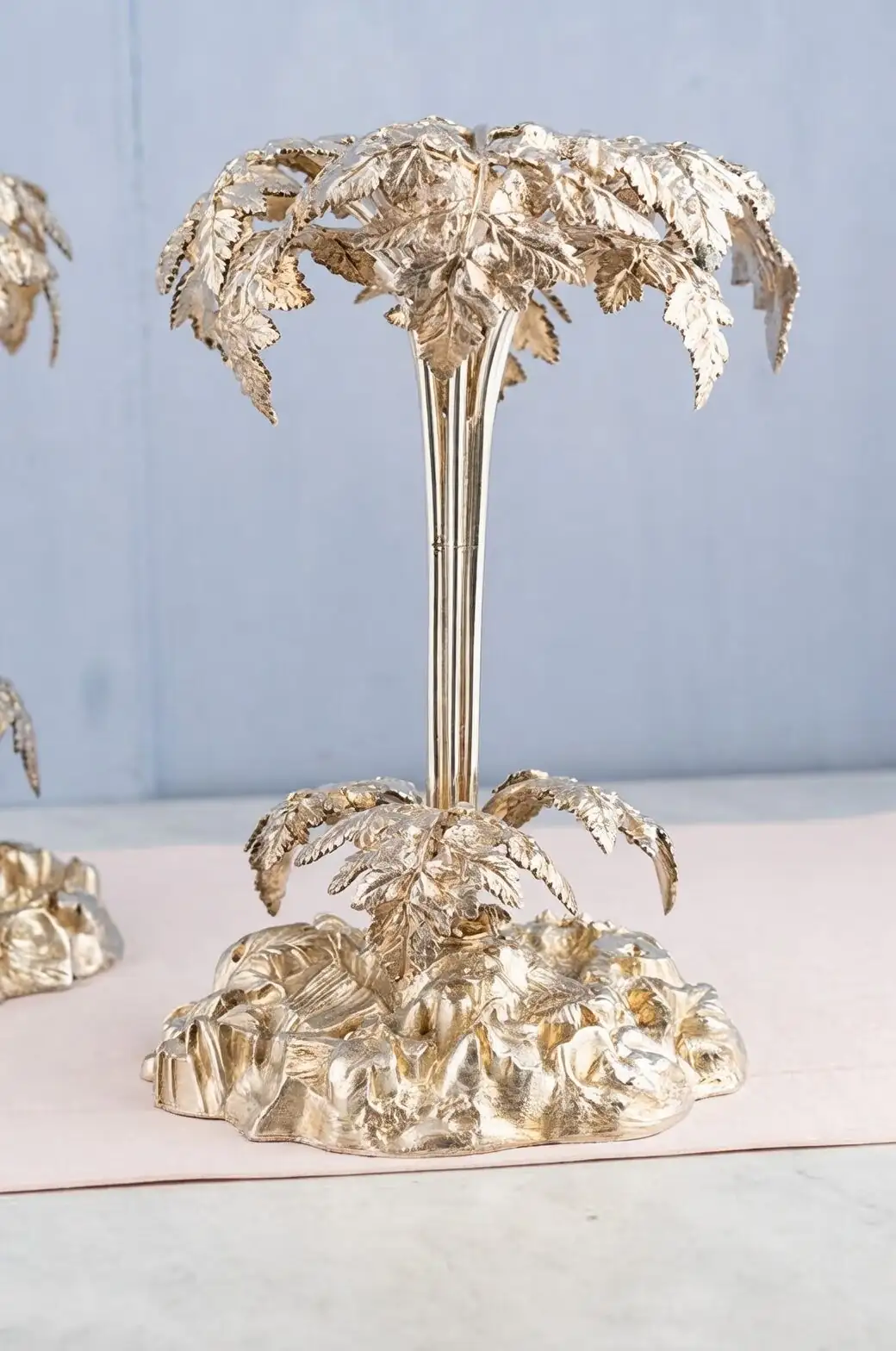
Victorian parlors once buzzed with “pteridomania”—a fern fever that sent collectors to forests, greenhouses, and print shops in search of these lace‑leafed marvels. In that era’s coded Language of Flowers, ferns were tokens of fascination and sincere feeling: a way to confess quiet admiration without saying a single word. Step forward to today, and the Chinese brake fern (Pteris vittata) slips gracefully into modern life as a living symbol of resilience and quiet elegance—perfect for mindful homes, thoughtful gifts, and even feng shui placements that invite calm, wood‑element harmony.
Ferns in the Victorian Language of Flowers—what those fronds were “saying”
Floriography—the Victorian “Language of Flowers”—was a playful, sometimes flirtatious code. While meanings varied by book and region, ferns commonly conveyed:
- Fascination and curiosity: a nod to the era’s obsession with science, exploration, and the intricate architecture of fronds.
- Sincerity and humility: greenery that stays evergreen without showy blooms felt honest, modest, and steadfast.
A quick reality check: floriography was never a single, universal dictionary. Meanings drifted over time and across social circles. Still, the fern’s consistent thread—quiet depth rather than loud display—made it a favored emblem for heartfelt, unpretentious sentiment.
Meet Pteris vittata, the Chinese brake fern
A portrait of quiet elegance
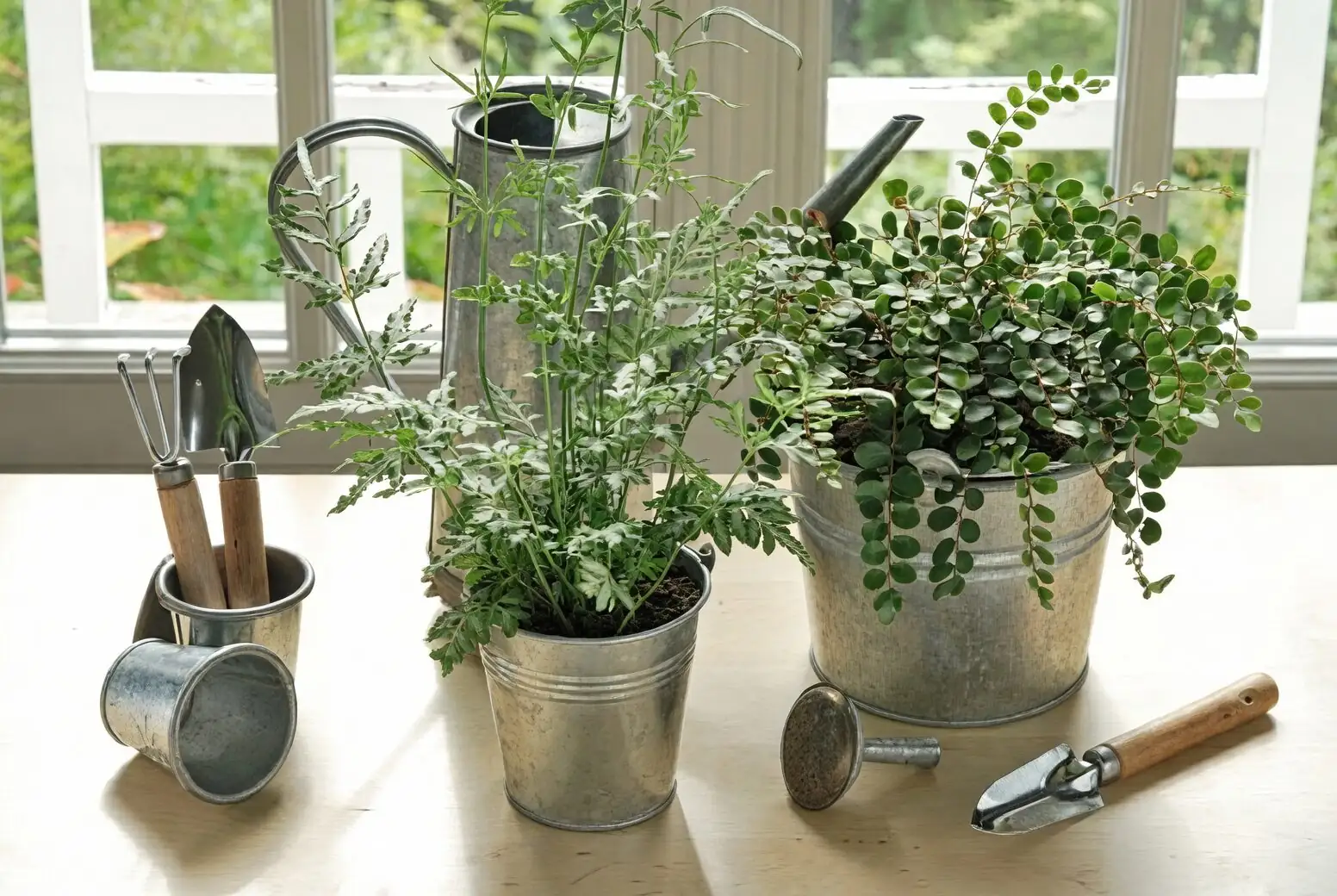
Pteris vittata forms a graceful, fountain‑like clump. Narrow, feathered fronds rise on wiry dark stems, then arch and drape—lovely in a pot and downright romantic in a hanging basket. Most plants are a lush solid green, though cultivated forms sometimes show a pale stripe down the center of each leaflet. Grown indoors, a mature plant typically reaches about 30–60 cm (12–24 in) tall and wide.
Why it resonates today
- Resilience without bravado: a foliage star that keeps its poise even without flowers—an apt symbol of steady strength.
- A scientist’s darling: famous for its unusual ability to tolerate mineral‑rich substrates and studied as an “arsenic hyperaccumulator” in certain soils—modern proof that subtle things can be powerful.
- Easy elegance at home: happy with bright, filtered light and evenly moist soil, it stays green and graceful with just occasional grooming.
Modern meanings to lean into
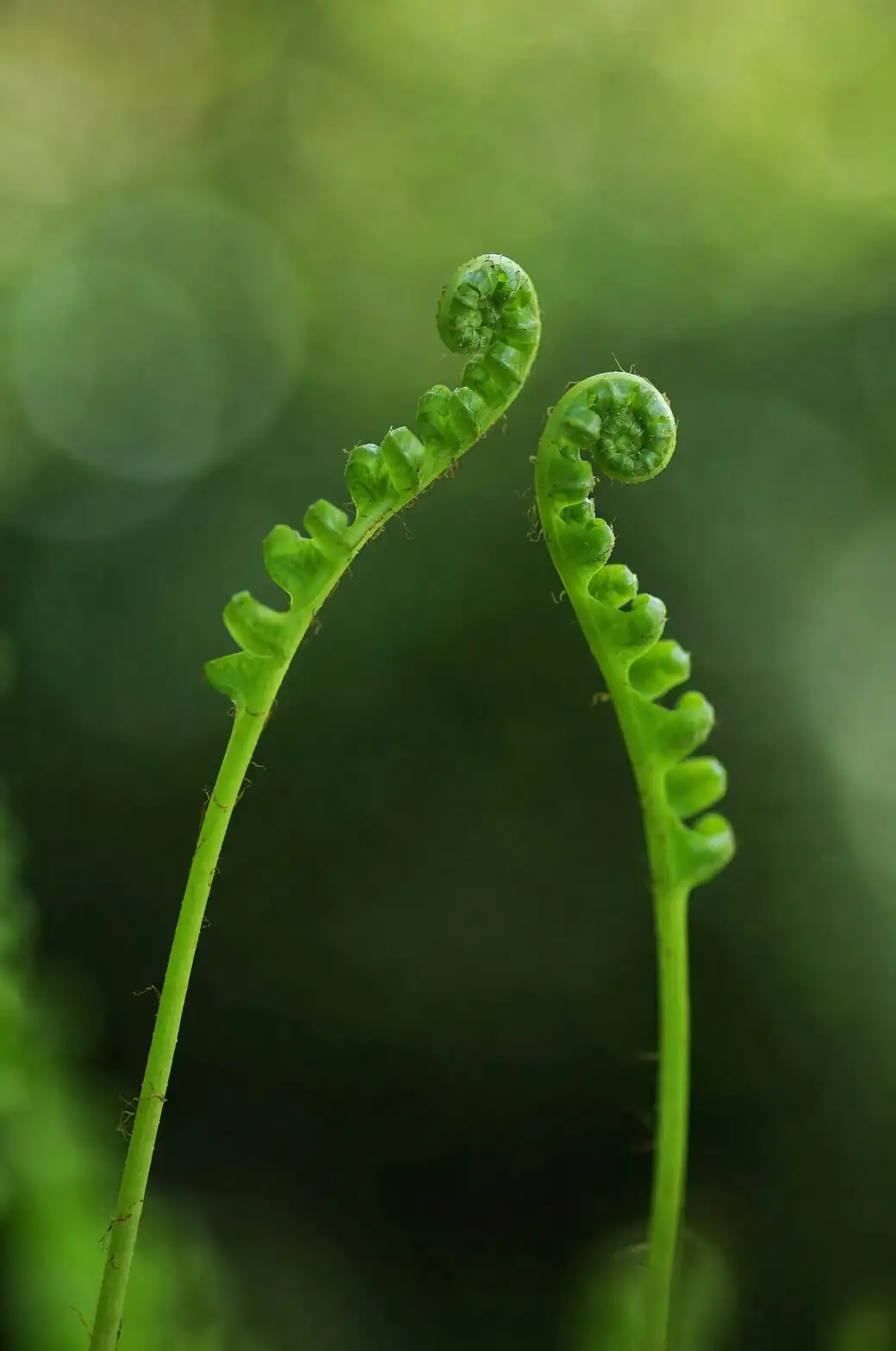
- Resilience: fronds unfurl, recover, and thicken into a calm, clump‑forming presence—an emblem of steady comeback energy.
- Sincerity: unfussy, evergreen foliage suggests honesty and reliability.
- Fascination: the intricate, ladder‑like fronds reward close looking—perfect for creatives and lifelong learners.
- Quiet elegance: it beautifies a space without dominating it; think of it as the botanical equivalent of a silk scarf.
Feng shui placements for soft, wood‑element harmony
Think of Chinese brake fern as a gentle infusion of the Wood element—growth, health, and renewal—expressed with yin grace rather than bold lines. Place it where light and humidity meet its needs, and let the symbolism follow.
- East (Health/Family) or Southeast (Wealth) areas
- Best near bright, indirect light: an east or north window, or a south window filtered by a sheer curtain.
- Symbolic aim: nurture family bonds and steady growth; invite prosperous, leaf‑by‑leaf progress.
- A bright bathroom sanctuary
- Bathrooms often offer the humidity this fern loves (it looks best with medium to higher humidity; 60–70% is ideal).
- Symbolic aim: renewal and cleansing—perfect for a spa‑like atmosphere.
- Entryway or living room (not in harsh sun or drafts)
- Place on a plant stand or shelf where fronds can drape.
- Symbolic aim: a sincere, welcoming first impression—green hospitality.
- Home office or creative nook
- Near an east or north window, it supports focus, study, and “fascination energy.”
- Choose a hanging basket to create a soft “waterfall” of fronds that calms visual clutter.
Practical feng shui note:
- Avoid strong, direct midday sun that can crisp the tips.
- Keep soil evenly moist but never waterlogged; pots must have drainage.
- Tidy energy matters: snip yellowed or damaged fronds at the base to refresh the look and airflow.
- Keep away from heaters, AC vents, and drying drafts.
Thoughtful gifting ideas—and what to write on the card
Chinese brake fern makes a meaningful present when you want your words to whisper, not shout.
Great occasions
- Housewarming or a new job: “rooting” into fresh beginnings
- Recovery and encouragement: a living reminder of resilience
- Apologies and reconciliations: sincere, steady goodwill
- Anniversaries and partnerships: elegance and constancy
How to present it
- A 12.5–15 cm (5–6 in) pot or a small hanging basket suits young plants beautifully.
- Pair with a simple ceramic pot and a care card: bright, filtered light; evenly moist soil; moderate to higher humidity.
Sample messages (feel free to borrow)
- “For your new chapter—may fascination guide you and steady growth follow.”
- “Quiet elegance for your space, sincere support for your journey.”
- “Like these fronds, may you unfurl in your own time—strong and green.”
- “A small emblem of resilience and the calm it brings.”
- “For a home filled with honest beauty and gentle, growing fortune.”
- “I’m sorry—offering a fern’s sincerity and a fresh start.”
- “To curiosity and craft—may inspiration keep unfolding.”
- “Here’s to grace under pressure and greener days ahead.”
Quick care refresher (so the symbolism thrives)
- Light: Bright, indirect light to partial shade. Filter harsh sun with a sheer curtain; east/north windows are great.
- Water: Keep evenly moist during active growth (spring–autumn). Water thoroughly, drain fully, and never leave the pot standing in water. In winter, water less often, avoiding complete dry‑outs.
- Humidity: Moderate to higher is best; it looks its finest around 60–70%. Mist regularly in dry rooms, group with other plants, or place in a bright bathroom.
- Temperature: Comfortable indoors—ideally about 18–27°C (64–81°F), and tolerant of 13–24°C (55–75°F). Protect from cold drafts; avoid prolonged dips below ~10°C (50°F).
- Soil and pot: Moisture‑retentive but free‑draining mix; always use pots with drainage holes. Repot about every 2 years in spring; move up just one size or divide the clump.
- Grooming: Snip yellow, brown, or messy fronds at the base. If fertile (spore‑bearing) fronds get crowded, thin a few for airflow and neatness.
- Size and habit: Typically 30–60 cm tall and wide indoors; clump‑forming and arching—perfect for shelves and hanging baskets.
- Pests and issues: Watch for scale, mealybugs, and spider mites (more common in dry air). Wipe or rinse fronds and follow up with horticultural oil or insecticidal soap as needed. Browning tips often mean low humidity, underwatering, or fertilizer salt—flush the pot occasionally with plain water.
- Safety: Generally regarded as non‑toxic or low‑toxicity to people and pets, but nibbling can cause mild stomach upset—best kept out of reach of curious chewers.
A living emblem for today
From Victorian calling cards to modern apartments, ferns have always stood for feelings that don’t need fanfare. The Chinese brake fern carries that torch with poise—resilience without bravado, sincerity without speeches, elegance without effort. Place it well, care for it lightly yet consistently, and let its fronds say what words sometimes can’t.