

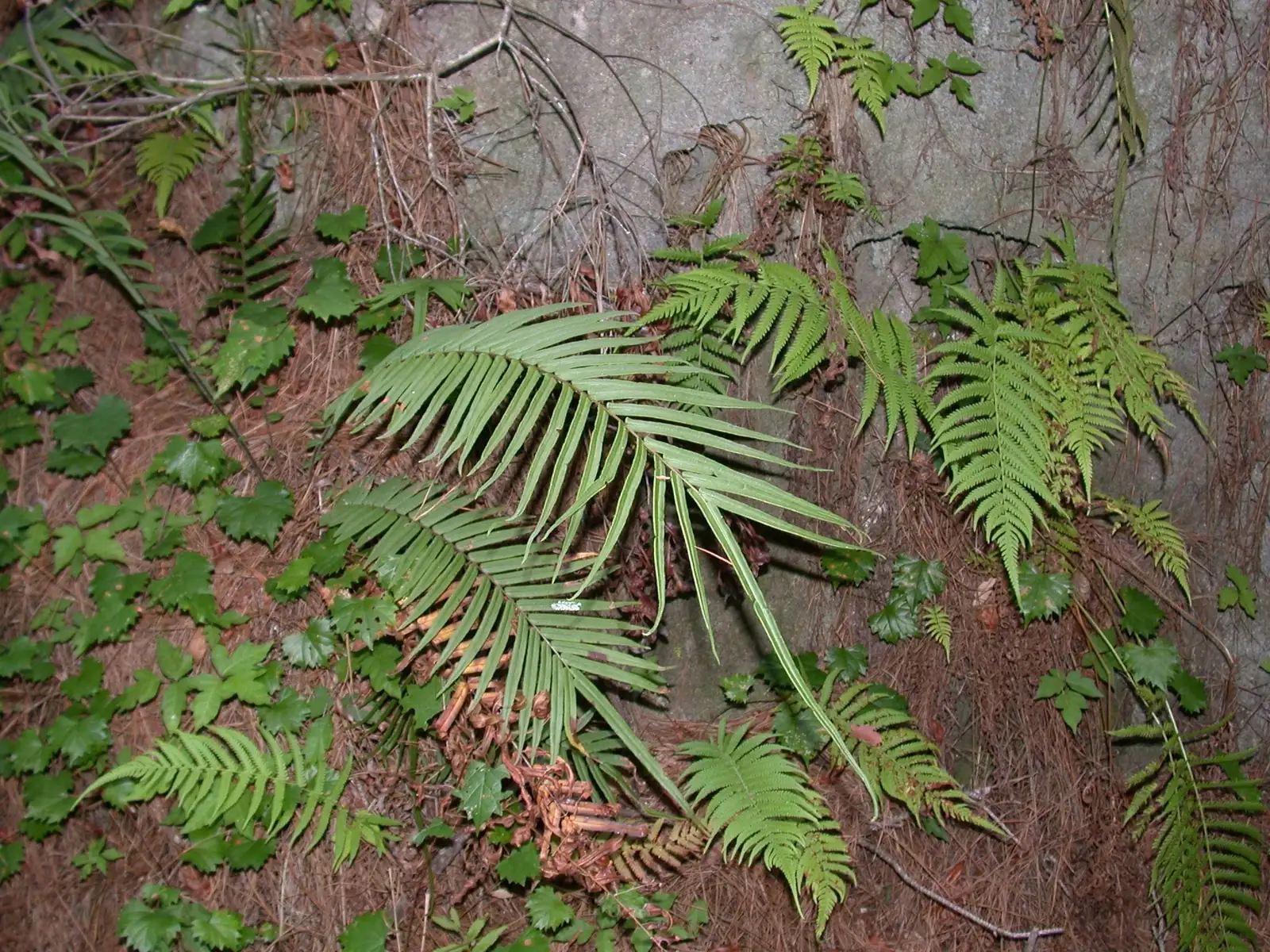
It began in the heat shimmer where rock meets air—on sun-baked limestone faces, in hairline cracks of cliff and quarry, where soil is scarce and roots must be wiry and willful. Pteris vittata, the Chinese brake fern, learned to make a living there. It sharpened its fronds to narrow, feathered blades that slip between stones. It gathered light the way a lizard soaks warmth—never in a rush, always on the safe side of shade. And once it mastered life on the rocks across the Old World’s tropics and subtropics, it leapt continents with us, colonizing mortar lines and bridge abutments, greening city edges and bright living rooms alike.
Pteris vittata wears its grit lightly. Up close it’s all grace—an airy fountain of slim, glossy fronds—but the story underneath is tough as limestone.
Born of stone and sifted light
- Native range: Tropical and subtropical regions of the Old World—Asia, parts of tropical Africa, and into southern Europe and the SW Pacific—where warm seasons and rocky substrates are common.
- Habitat signature: Frequently tied to limestone and mineral-rich outcrops. In towns, it repeats the trick on concrete and mortar, tucking into ledges and wall joints where many plants fail.
- Strategy: Clump-forming and arching, with wiry, dark stipes (stems) and slim, finger-like leaflets that keep wind load low and evaporation modest. Fern biology—no flowers, just spores—means it can dispatch dust-fine potential far and wide.
From cliffs to city walls: a quiet world tour
With a passport stamped across the paleotropics, Pteris vittata has now naturalized widely in warm regions worldwide. You’ll find it greening urban walls, bright bathrooms, shaded patios, and even the seams of sidewalks in mild climates. Frost is its one hard limit; in cold places it lives best as a houseplant. In warm zones (roughly USDA 9–11), it can persist outdoors year-round in part shade.
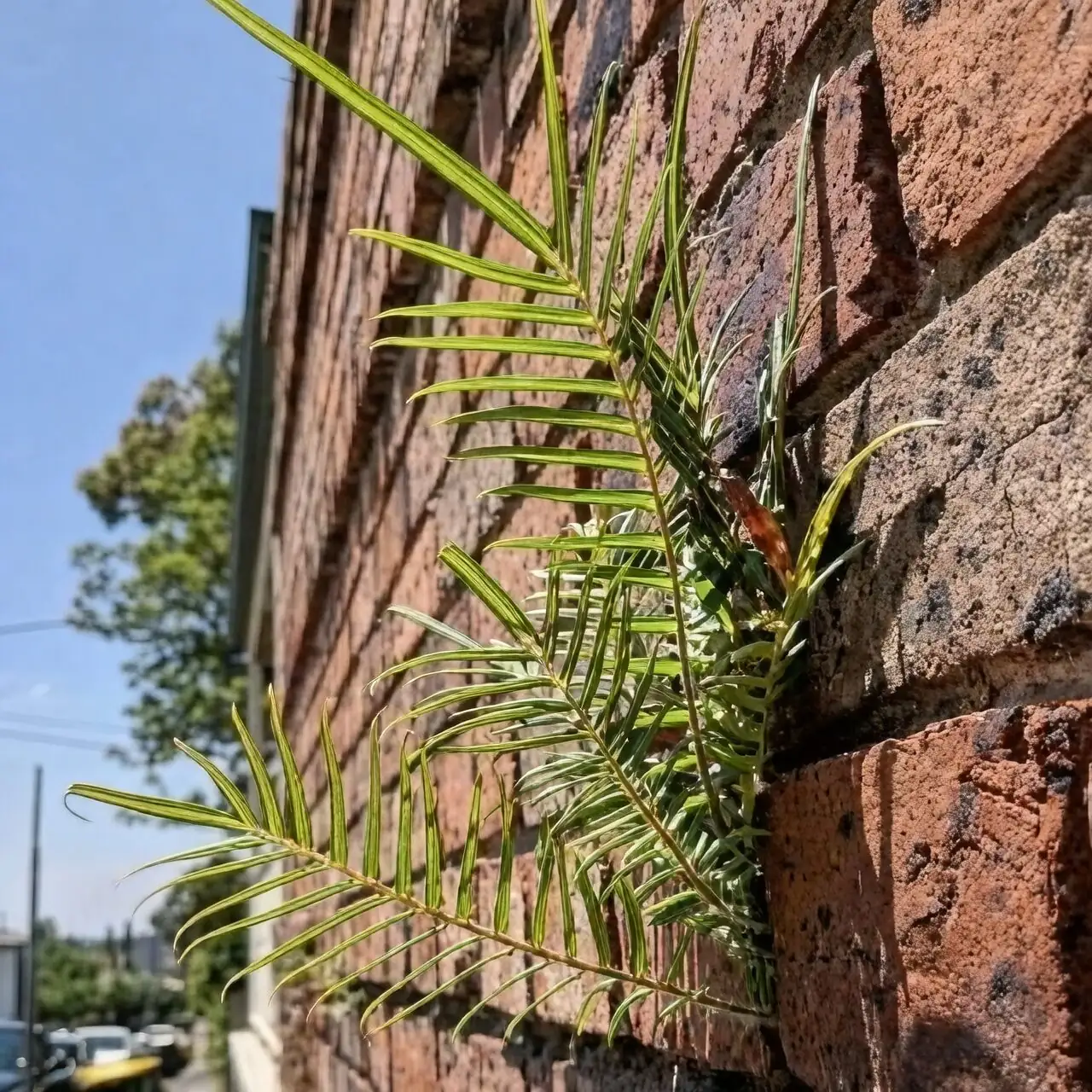
What it looks like, and why it charms
- Form: A dense, elegant mound—typically 30–60 cm tall and wide in containers, with mature houseplants often around 60 × 60 cm.
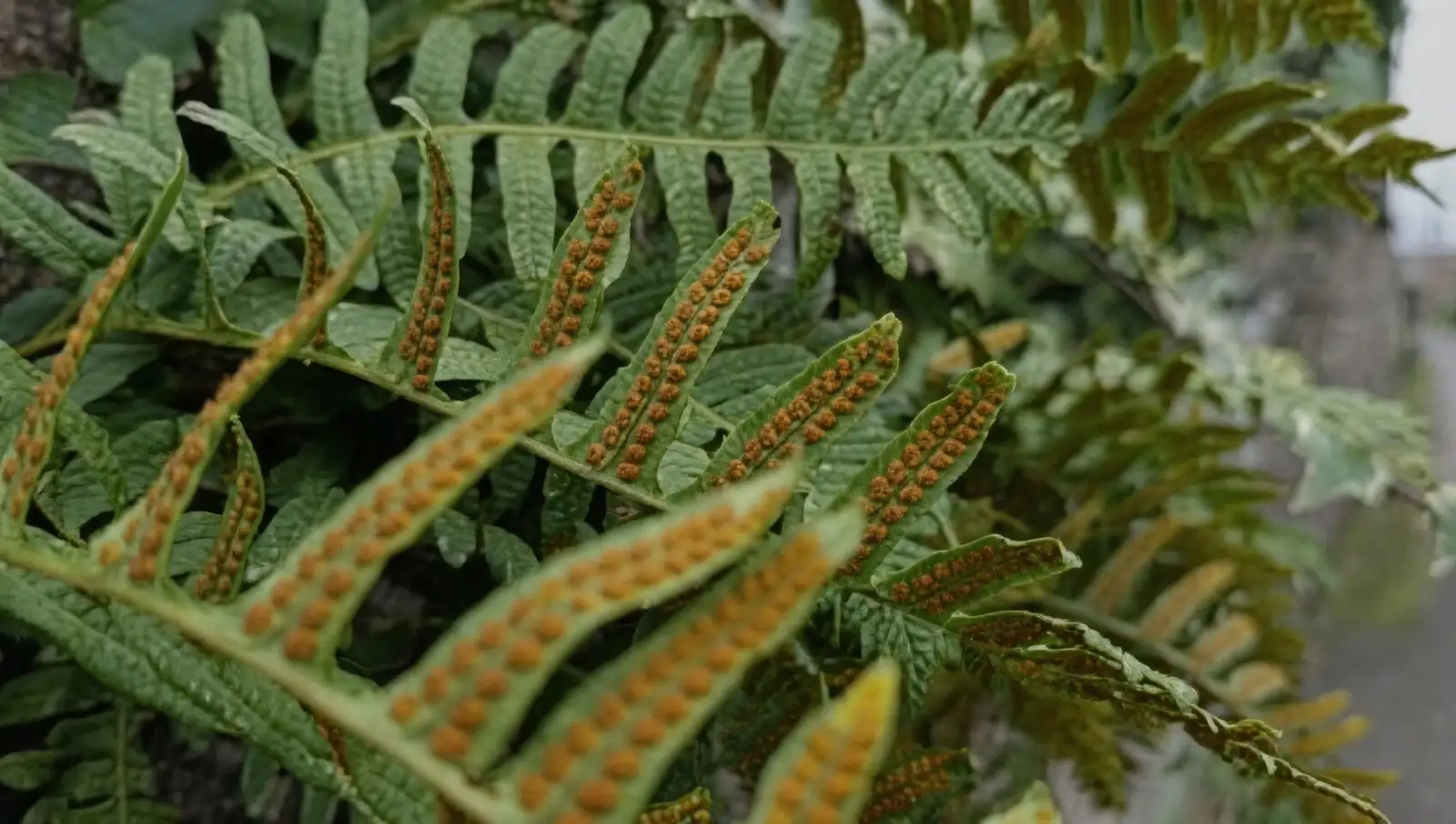
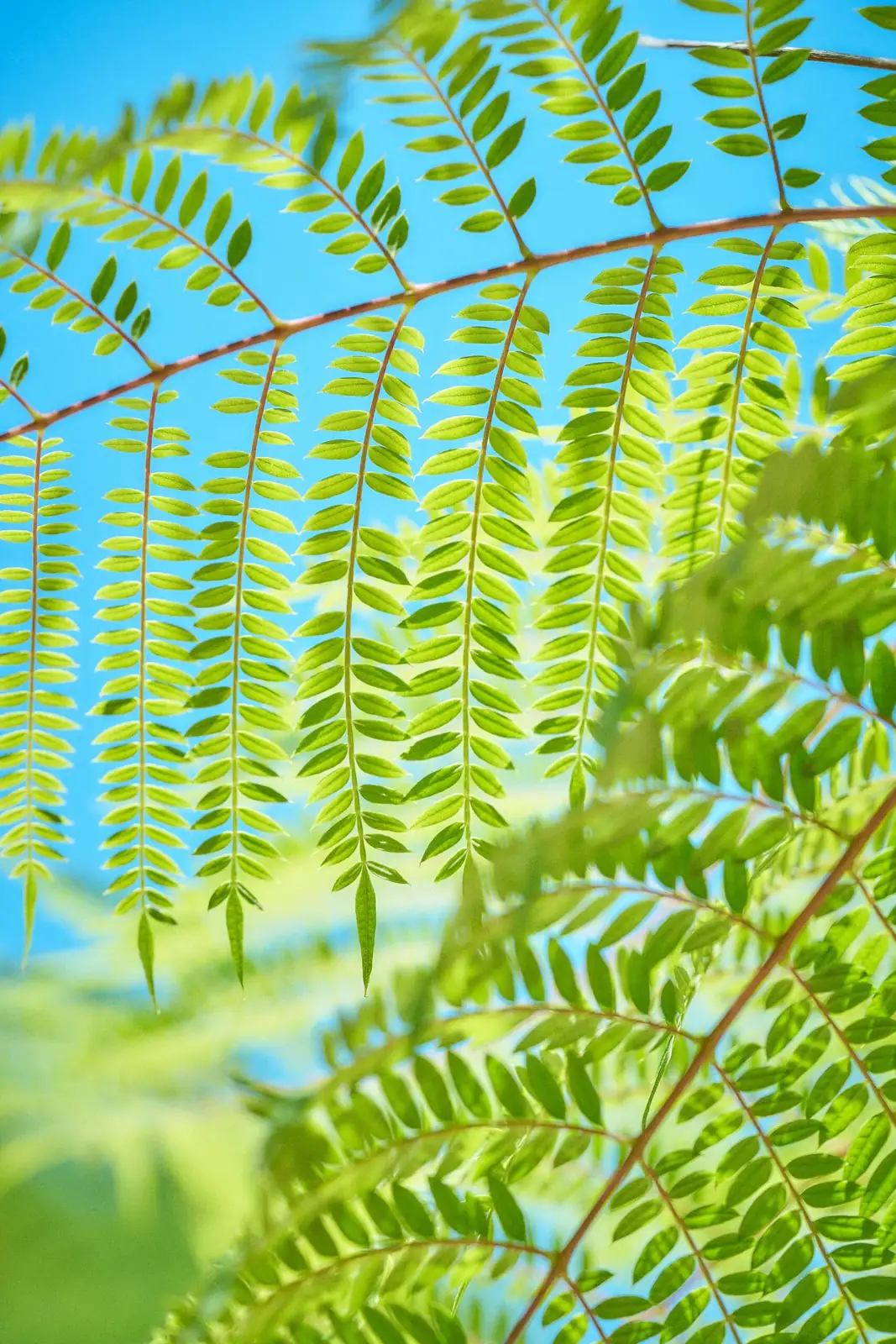
- Fronds: Narrow, finely divided, and feathered; they rise and arch outward like a soft fountain. Fertile fronds bear spores on their undersides; in this species the sori trace neat, continuous lines along the frond margins, a coppery seam when mature.
- Stems: Slender, wiry, and dark—architectural accents against the bright green.
- Cultivars: Some variegated forms show a pale stripe down the center of each leaflet—subtle but striking in dappled light.
The scientist’s crush: arsenic and elegant engineering
Pteris vittata is famous for a superpower: it’s an arsenic hyperaccumulator. In certain soils, the fern takes up arsenic and relocates it into its fronds. This quirk—born, perhaps, from its evolution on mineral-rich, alkaline rocks—has made it a global figure in phytoremediation research. Trials show it can be harvested repeatedly without losing its knack for concentrating the contaminant. Add its urban hardiness (hello, concrete crevices) and low maintenance compared to fussier ferns, and you see why labs and land managers pay attention.
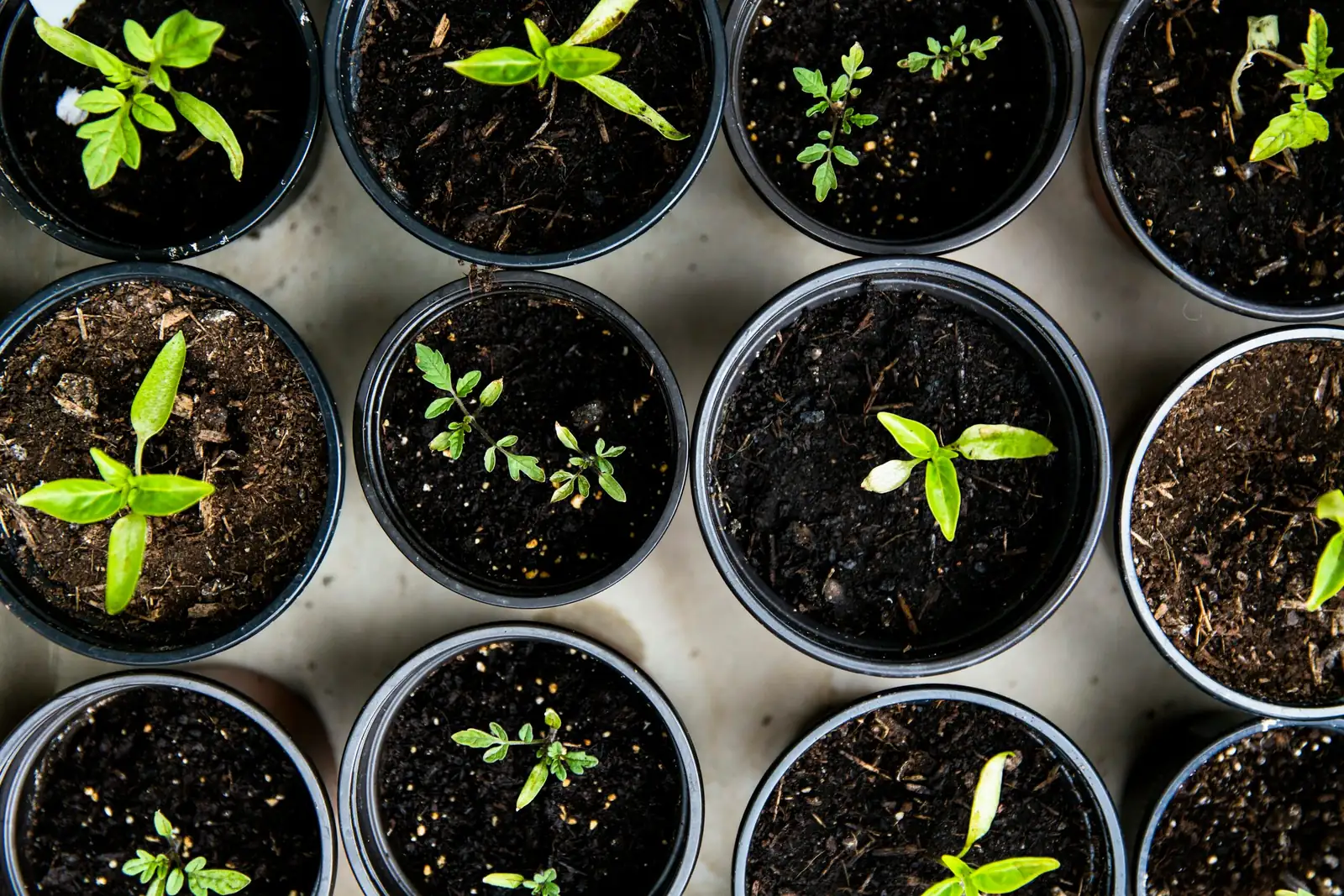
And the botany is beautiful. Ferns live a two-part life: the familiar fronded plant (sporophyte) releases dust-like spores that grow into tiny, heart-thin gametophytes tucked against the soil. On those, egg and sperm meet—and a new fern begins. No flowers, no seeds—just perfect patience and sporecraft.
Grower’s guide: make your home a gentle gorge
Pteris vittata is more forgiving than many indoor ferns—as long as you honor its origin story: bright, filtered light; steady moisture; and no harsh sun.
Light and temperature
- Light: Bright, indirect light to part shade. East- or north-facing windows are great; a south window works with a sheer curtain. Avoid strong midday sun.
- Temperature: Comfortable room ranges suit it. Aim for 18–27°C (64–81°F), tolerating 13–24°C (55–75°F). Protect from cold drafts and avoid prolonged dips below ~10°C (50°F).
Water and humidity
- Watering rhythm: Keep the mix evenly moist in spring–autumn—water thoroughly, let excess drain, never let it sit in a saucer. Indoors, that can mean roughly 3 times a week in summer, then scale back in winter to about weekly, watering when the surface just begins to dry.
- Humidity: Moderate is workable; 60–70% looks luxe. Use regular misting, group plants, or position in a bright bathroom. In dry air, tips can brown.
Soil and potting
- Mix: Moisture-retentive yet free-draining. Try:
- 2 parts quality potting mix + 1 part fine bark + 1 part horticultural charcoal; or
- A fern mix with leaf mold/leaf compost and coarse sand for drainage.
- Pot: Always use drainage holes. In hanging baskets, line well and watch moisture more closely.
Feeding and grooming
- Fertilizer: Monthly, spring to early autumn, with a balanced liquid feed at 1/2 strength. Keep solution off fronds to prevent spotting; flush the pot occasionally to reduce salt buildup.
- Pruning: Snip yellow, brown, or tattered fronds at the base any time. Thinning a few tall, fertile fronds improves airflow and tidiness.
Repotting and propagation
- Repot: About every 2 years in spring; step up just one size unless you’re dividing. Young plants thrive in 12.5–15 cm (5–6 in) pots.
- Divide: Best in early spring. Split the clump into sturdy sections with healthy roots; replant immediately and keep warm, shaded, and humid until reestablished. Spore propagation is possible but slow and advanced.
Season-by-season playbook
- Early spring: Repot and divide if desired.
- Spring–autumn: Keep evenly moist; mist in dry rooms; feed monthly; clean up tired fronds.
- Summer: Expect quicker dry-down; indoors, watering may be ~3x weekly depending on heat and pot size.
- Winter: Water less but never let it bone-dry; stay warm and draft-free.
Troubleshooting: when the grit shows
- Yellowing, curling fronds: Cut them at the base; move to bright, indirect light; water thoroughly; raise humidity and avoid drafts. New fronds should follow.
- Browning tips: Often low humidity, underwatering, or fertilizer salts. Increase ambient moisture and flush the pot with plain water.
- Pests: Scale, mealybugs, and spider mites show up in dry air. Wipe pests off and follow with horticultural oil or insecticidal soap; for mites, rinse fronds and raise humidity.
- Leaf spot: Remove affected fronds; improve airflow; if needed, apply a fern-safe fungicide as directed.
Size, placement, and design notes
- Typical indoor size: 30–60 cm tall and wide; mature clumps around 60 × 60 cm.
- Best placements: Bright bathrooms, sheltered shelves, or stands near east/north windows. It’s also spectacular in hanging baskets where fronds can drape.
- Style tips: Pair with textured ceramics or warm woods; contrast its fine fronds with broad-leaved companions. Keep it clear of heaters and AC vents.
Safety and coexistence
Generally considered non-toxic or low-toxicity to people and pets. Still, discourage nibbling—any houseplant can cause mild tummy upset if chewed.
Symbolism and “flower language,” minus the flowers
Ferns have long symbolized resilience and quiet elegance—green constancy without showy blooms. Pteris vittata, forged on bare rock and thriving in thin margins, deepens that meaning: it’s a botanist’s emblem of perseverance and a designer’s shorthand for airy calm. If you’re looking for a “flower language” fit, call it steadfast grace—the beauty of thriving between stones.
Quick FAQ
- What light does it need?
- Bright, indirect light to partial shade. Avoid direct midday sun, which can scorch fronds.
- Several fronds turned yellow and curled—what now?
- If the base is firm, trim the damaged fronds, water thoroughly, move to bright filtered light, and raise humidity. It should push new fronds.
- My plant is dense. Do I have to pot up?
- Not necessarily. Divide the clump and replant a portion in the same pot with fresh mix. Avoid tiny divisions; heftier pieces reestablish faster.
- Does it demand high humidity?
- Moderate will do, but it looks best with extra moisture in the air—around 60–70% is ideal.
In a world that prizes drama, Pteris vittata makes a subtler promise: give it warmth, filtered light, and steady moisture, and it will repay you with green poise—and the quiet satisfaction of hosting a plant evolved to turn stone into sanctuary.