

Graceful, feathery, and surprisingly forgiving, Pteris vittata—better known as the Chinese brake fern—builds a lush fountain of green on wiry dark stems. Give it bright, filtered light and steady moisture, and it will reward you all year. Below is a clear, month‑by‑month playbook to keep it thriving—complete with spring repotting and division, summer moisture and feeding cues, autumn tidy‑ups, and a gentle winter slowdown.
At‑a‑glance settings
- Light: Bright, indirect light to part shade; avoid harsh midday sun. East or north windows are perfect; south with a sheer works well.
- Temperature: Ideal 18–27°C (64–81°F). Tolerates 13–24°C (55–75°F). Protect from cold drafts and avoid prolonged dips below about 10°C (50°F).
- Humidity: Simple target 60–70% (it copes with moderate humidity, but tips may brown if air stays very dry).
- Watering: Keep the mix evenly moist spring through autumn; never waterlogged. In summer, many homes need watering about 3× per week; in winter, often about weekly, letting the surface just begin to dry.
- Soil: Moisture‑retentive yet free‑draining fern mix. Try 2 parts all‑purpose potting mix + 1 part fine bark + 1 part horticultural charcoal, or a peat‑based fern mix with a little leaf mold and coarse sand.
- Feeding: Spring to early autumn, feed monthly at 1/2 strength with a balanced liquid fertilizer. Option: a higher‑potassium formula (around 15‑15‑30) works well when appropriately diluted.
Month‑by‑month playbook
Note: Months assume a temperate Northern Hemisphere rhythm; shift a few weeks for your climate. Indoors, the daylength and heating schedule matter most.
January
- Winter pause: Keep it warm and bright. Water when the surface starts to dry—typically about weekly—avoiding full dry‑outs.
- Air care: Aim for 60–70% humidity; set a pebble tray or place near a humidifier if heating is on.
- Quick check: Inspect undersides of fronds for spider mites (dry rooms invite them). Rinse fronds gently if needed.
February
- Pre‑spring prep: Clean your shears, gather fresh mix and a slightly larger pot (only 1 size up) for next month’s repot.
- Light lift: Days lengthen—move it a touch closer to bright windows if winter shadows set growth back.
- Groom: Snip spent or yellowing fronds at the base to open the clump for new spring growth.
March
- Prime time to repot and divide: Refresh the mix and either step up one pot size or divide the clump to keep the same pot.
- Watering shift: As light and warmth increase, keep the mix consistently moist without soggy feet.
- Aftercare: For divisions, keep them warm, in part shade, and with higher humidity until re‑established.
April
- Growth wakes up: Resume monthly feeding at half strength.
- Moisture rhythm: Water thoroughly, then let excess drain; never leave the pot standing in water.
- Shape and airflow: Thin a few overcrowded or very tall fertile (spore‑bearing) fronds to keep the fern airy.
May
- Almost summer: Watering frequency rises as the room warms—aim for evenly moist.
- Rinse and refresh: A gentle shower or sink rinse helps deter mites and dust and boosts humidity.
- Optional fresh air: If your climate is warm and frost‑free, a shaded, sheltered patio spot (no direct sun or wind) can be lovely—acclimate gradually.
June
- Peak moisture: Indoors, many plants now drink enough to need watering about 3× per week; adjust to pot size, light, and airflow.
- Feed: Continue monthly at half strength. Flush the pot once this month with plain water to minimize fertilizer salt buildup.
- Heat watch: Keep within the ideal 18–27°C range; avoid hot, baking windows.
July
- Steady routine: Maintain even moisture and your 60–70% humidity target to keep tips from crisping.
- Pest patrol: Scale and mealybugs can appear. Wipe them off and follow up with horticultural oil or insecticidal soap; repeat as needed.
- Groom: Remove any damaged fronds at the base to push clean new growth.
August
- Hot, dry spells: Increase airflow without blasting drafts; group plants or use a pebble tray to stabilize humidity.
- Morning water wins: Water early so fronds dry by evening, reducing leaf‑spot risk.
- Still feeding monthly; keep fertilizer off the fronds to prevent spotting.
September
- Ease toward autumn: Begin spacing waterings slightly if growth slows, but don’t allow a full dry‑out.
- Last feed of the season: Offer your final half‑strength feed this month or early next.
- Moving day (if summered outdoors): Bring it in before nights dip near 13°C (55°F).
October
- Autumn tidy‑up: Snip tired fronds; thin crowded fertile fronds to improve airflow.
- Light shuffle: Shorter days—move closer to bright windows or add a sheer‑filtered south exposure.
- Watering: Reduce frequency a notch, keeping the surface from staying soggy.
November
- True slowdown: Pause fertilizing. Water about weekly, letting the surface begin to dry between waterings.
- Comfort zone: Keep away from heaters and drafts; maintain humidity around 60%+ to prevent brown tips.
December
- Low‑light month: Rotate the pot to keep the clump balanced and prevent lean.
- Minimal fuss: Maintain bright, indirect light, gentle humidity, and light hands with the watering can.
Spring step‑by‑step: repotting and division
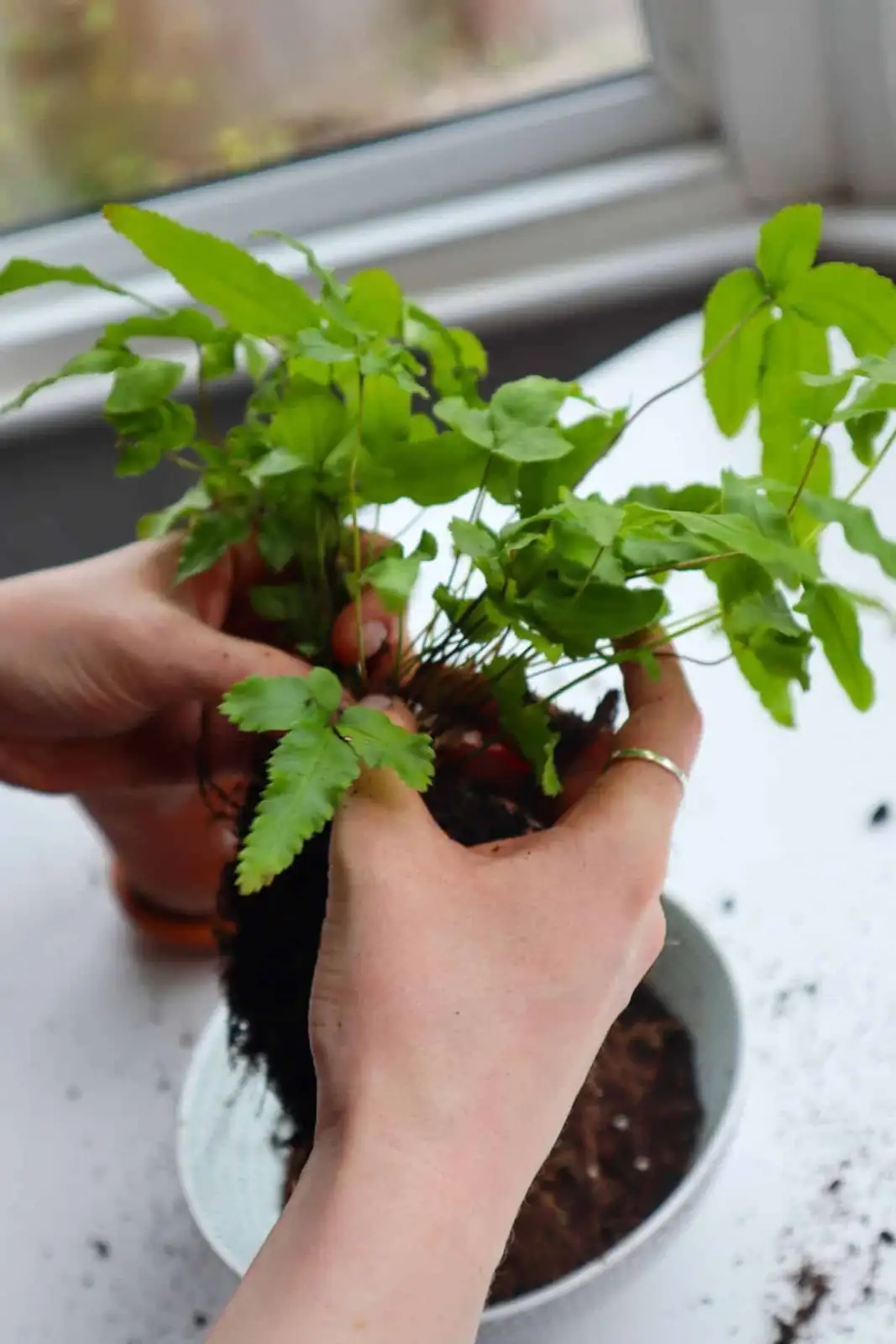
- When: Early spring, about every 2 years (or sooner if roots circle hard or push from drainage holes).
- Tools and setup: Clean shears, fresh free‑draining fern mix, and a pot with drainage (move up just one size).
- Lift and assess: Gently loosen the root mass. Trim dead roots; keep healthy, fibrous ones.
- Divide (optional): Separate the clump into a few sturdy sections—each with fronds and a good share of roots. Avoid tiny slivers; larger divisions establish faster.
- Replant: Center in fresh mix, firm lightly, water thoroughly, and drain well.
- Aftercare: Bright, filtered light; warm and draft‑free; higher humidity for a couple of weeks.
Light and placement finesse
- Best spots: East or north windows, or near a bright window with a sheer curtain. A bright bathroom is often ideal.
- Avoid: Midday sun that scorches fronds and dries the mix, and drying blasts from heaters or AC vents.
Watering that works
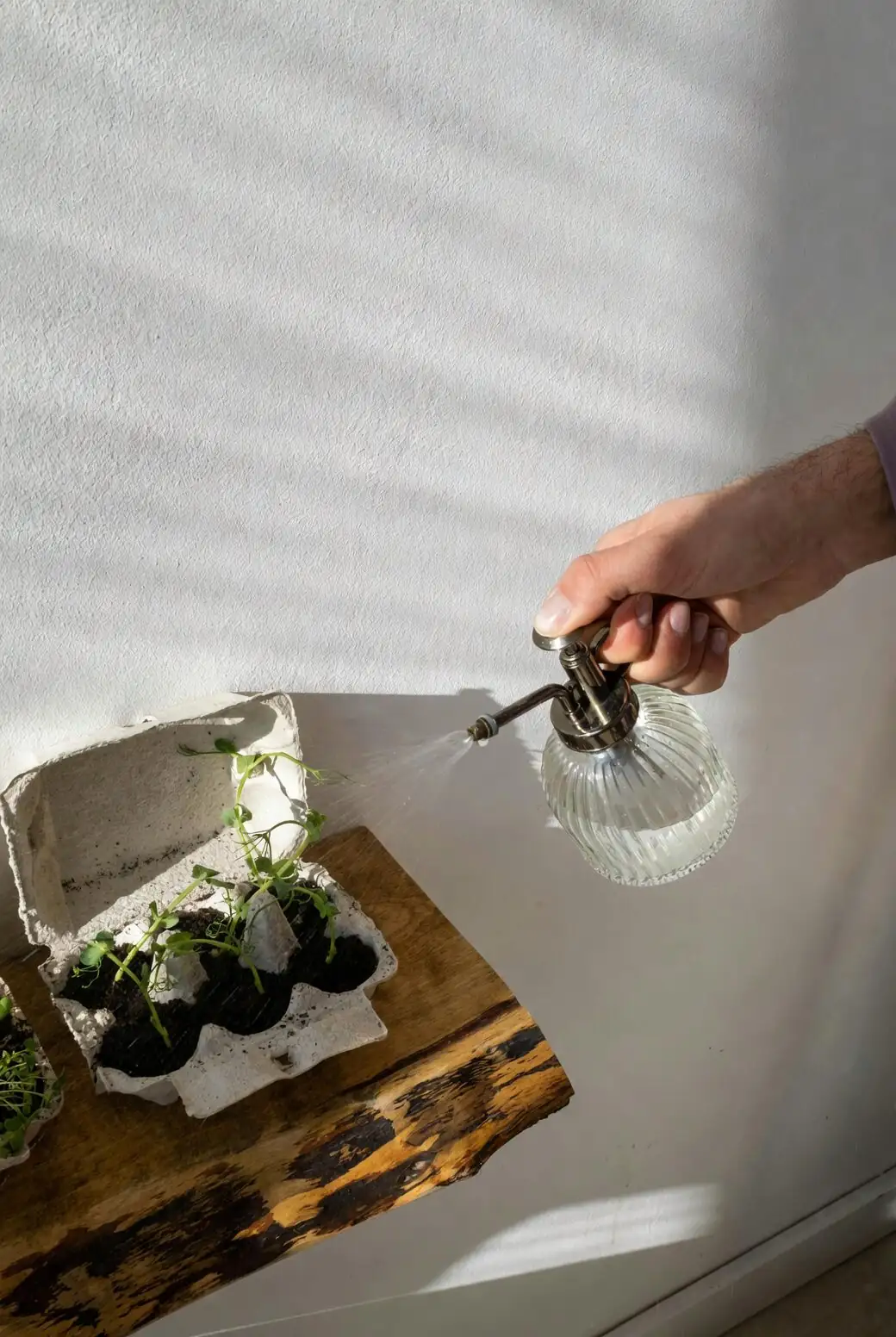
- Active growth (spring–autumn): Evenly moist is the goal—thorough waterings with good drainage, then repeat before the core dries.
- Winter: Water less often—about weekly—when the surface just begins to dry.
- Pro tip: If tips brown, think humidity, missed waterings, or salt buildup. Flush the pot with plain water and fine‑tune your routine.
Feeding, simply
- Once monthly at half strength from spring to early autumn. If you prefer, a higher‑potassium formula around 15‑15‑30 works well when diluted appropriately. Skip feeding in winter.
Common issues and easy fixes
- Browning tips: Usually low humidity, underwatering, or salt buildup. Raise humidity, keep moisture steady, and flush the mix.
- Yellowing/curling fronds: Often drought, hot sun, or drafts. Trim at the base, restore even moisture, and move to softer light.
- Leaf spot: Avoid wet fronds late in the day, improve airflow, remove affected leaves. Use a fern‑safe fungicide if needed.
- Pests:
- Scale and mealybugs: Wipe off and follow with horticultural oil or insecticidal soap; repeat weekly until gone.
- Spider mites: Increase humidity, rinse fronds, and maintain gentle airflow.
Size, habit, and styling
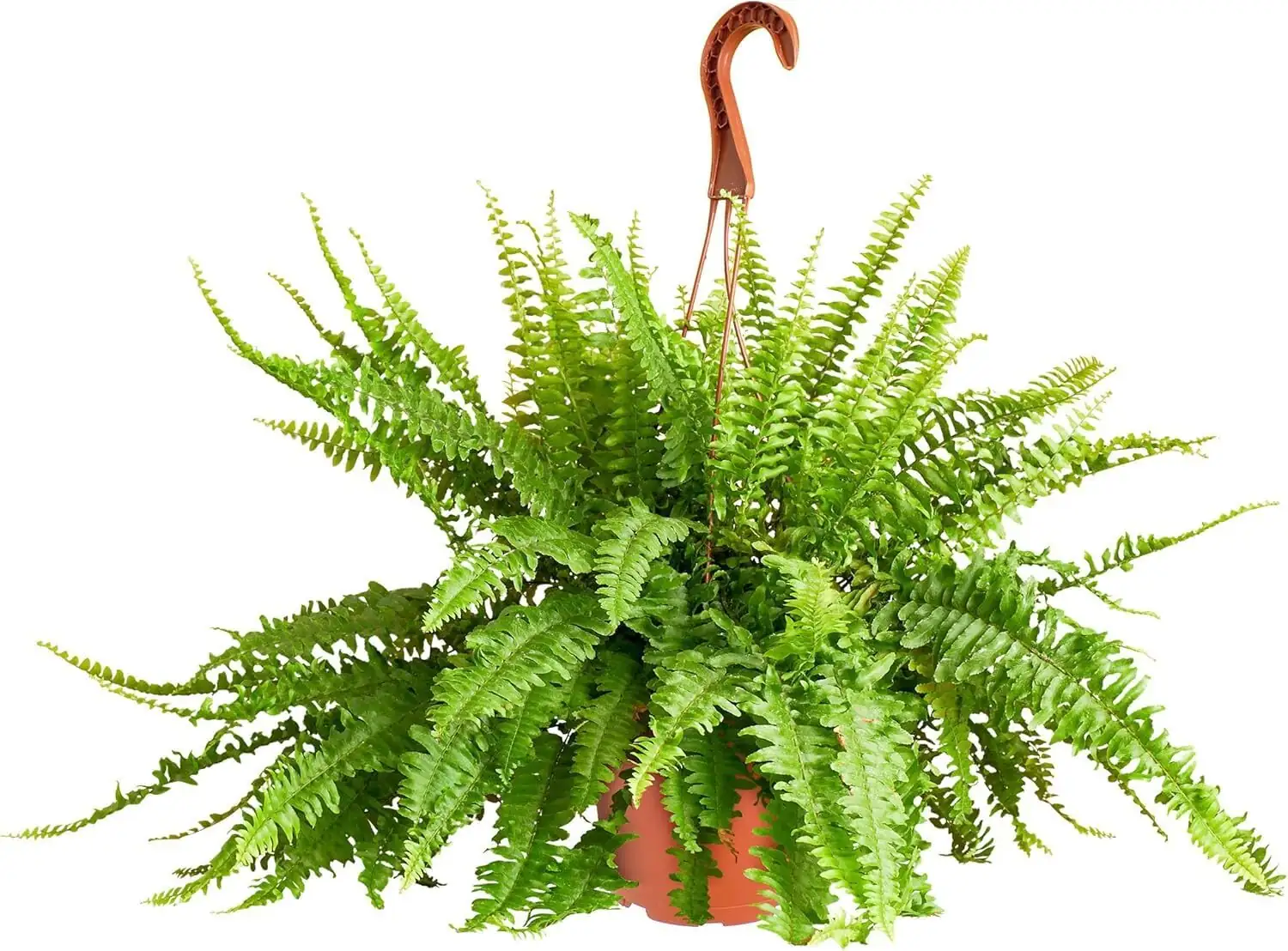
- Mature size in pots: Typically 30–60 cm tall and wide, often reaching 60 × 60 cm with age and good care.
- Look: Narrow, feathered fronds arch on dark wiry stems—elegant and airy in pots or hanging baskets. Variegated forms may show a pale center stripe on the leaflets.
Safety and placement around pets
- Generally regarded as non‑toxic or low‑toxicity to people and pets. Still, keep out of reach of nibbly companions to avoid stomach upset.
Symbolism and a curious claim to fame
- Symbolism: Ferns are often linked with resilience and quiet elegance—ever‑green, ever‑graceful, even without flowers. In “flower language,” ferns stand in for modest beauty and steadfastness precisely because they don’t bloom; their poise comes from form and persistence rather than a fleeting show.
- Science trivia: Pteris vittata is famous as an arsenic hyperaccumulator and has been studied for phytoremediation—one reason it appears so often in scientific literature.
Your simple success recipe
- Bright, indirect light; even moisture; monthly half‑strength feed in the growing season; 60–70% humidity; repot/divide in early spring. Follow the monthly cues above, and your Chinese brake fern will stay lush, tidy, and delightfully fountain‑like year after year.