

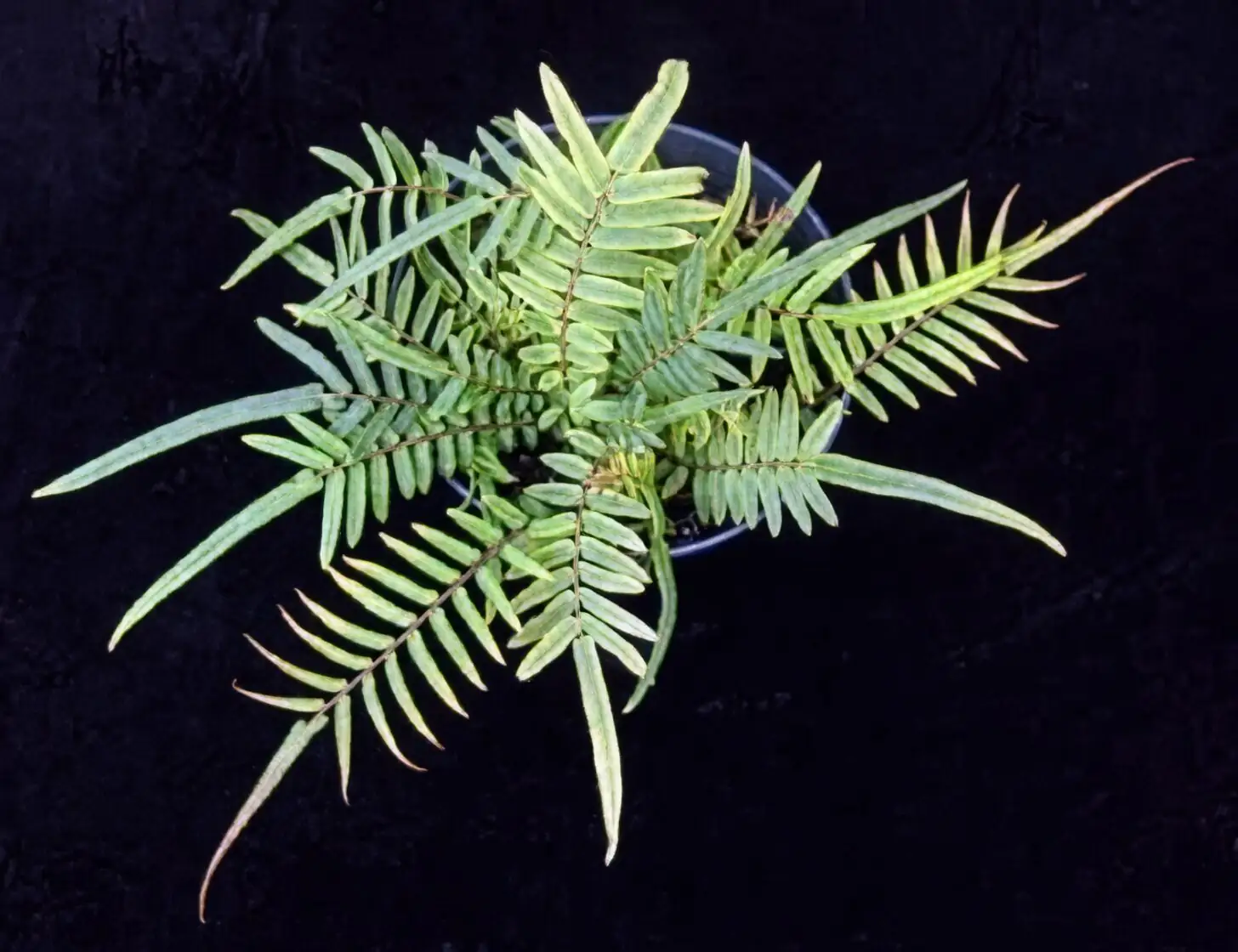
Imagine a green fountain that never stops—fronds rising and arching like gentle sprays of water. That’s your Chinese brake fern (Pteris vittata) on a good day. The secret to keeping it fountain-fresh instead of crispy? Learn to “read” its signals for light, water, and humidity. Here’s your hands-on guide—shadow tests, season-savvy watering, and humidity hacks included.
Meet your plant: Pteris vittata at a glance
- Common names: Chinese brake fern, Brake fern, Ladder brake (凤尾蕨)
- Look: Narrow, feathered fronds on wiry dark stems; clump-forming and elegantly arching—great in pots or hanging baskets. Some forms show a pale stripe down each leaflet.
- Size indoors: Typically 30–60 cm tall and wide, maturing around 60 × 60 cm with age and good care.
- Personality: Easy-to-moderate. Forgiving compared with fussier ferns—unless you let it dry out or scorch in sun.
Light your fern can “read”: the shadow test
Bright, filtered light is the sweet spot. Strong direct sun (especially midday) crisps fronds; too little light makes it thin and scraggly.

The one-minute shadow test
- Crisp-edged shadow of your hand at midday = too bright (pull back or add a sheer curtain).
- Soft, fuzzy shadow = bright, indirect light (perfect).
- Barely any shadow = too dim (move closer to light or add a grow light).
Try this test where you plan to keep the plant—conditions can change dramatically between sill, shelf, and floor.
Window wisdom
- Best bets: East or north windows; bright shelves with filtered light.
- South or southeast: Use a sheer curtain or set the plant a few feet back to blur the shadows.
- Outdoors in warm climates: Dappled shade only; never harsh midday sun.
Watering by rhythm, not by calendar
P. vittata loves even moisture but hates being waterlogged or bone-dry. Think “steady sips,” not feast-or-famine.
Your seasonal rhythm
- Spring through autumn: Keep the mix evenly moist. A rough indoor guide is thorough watering, letting excess drain, and repeating often enough that the top never gets crunchy—commonly about 3 times per week in summer, but adjust to light, heat, and pot size.
- Winter: Slow down. Water when the surface begins to dry—often about once per week—without allowing a complete dry-out.
How to hit the mark
- The finger-and-weight check: Before watering, feel the top 1–2 cm of mix—it should be just starting to lose moisture. Lift the pot too: a light pot signals it’s time.
- The soak-and-drain method: Water until you see runoff, then let the pot drain fully. Never leave the pot standing in water.
What the fronds are telling you
- Crispy tips, curling, sudden yellowing in hot spots = too much sun or too-dry soil/air.
- Overall yellowing, limp fronds, sour smell in soil = overwatering or poor drainage.
- Browning tips in otherwise green fronds = dry air, underwatering, or fertilizer salts. Flush the pot with plain water monthly to clear salts.
Humidity hacks to keep fronds fountain-fresh
Moderate humidity is usually fine, but this fern looks its sleekest around 60–70% humidity.
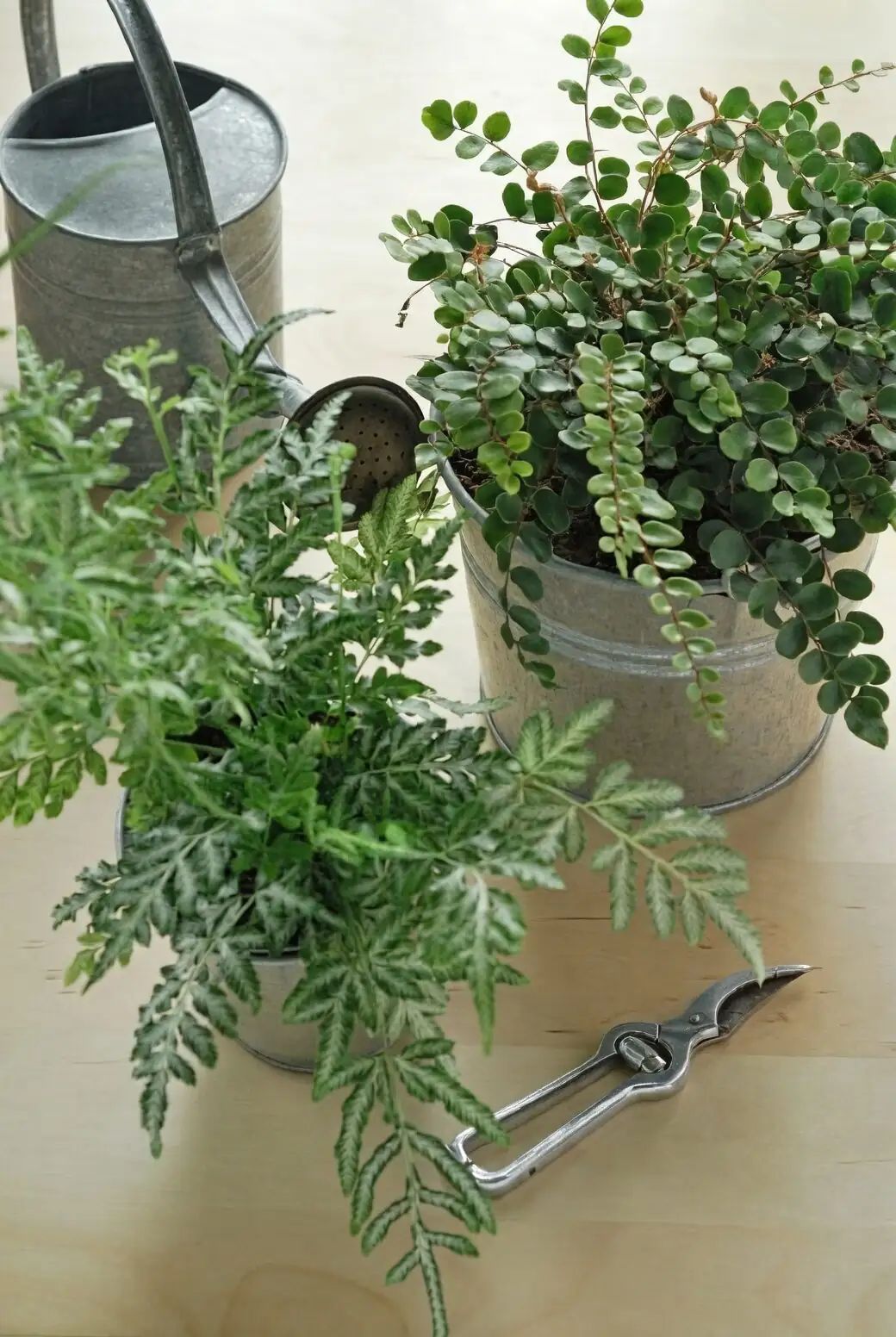
- Group therapy: Cluster plants to create a moister microclimate.
- Bright bathroom bonus: If there’s filtered light and no harsh sun, it’s a natural spa for ferns.
- Pebble tray assist: A wide tray with pebbles and water (pot above the waterline) adds gentle humidity.
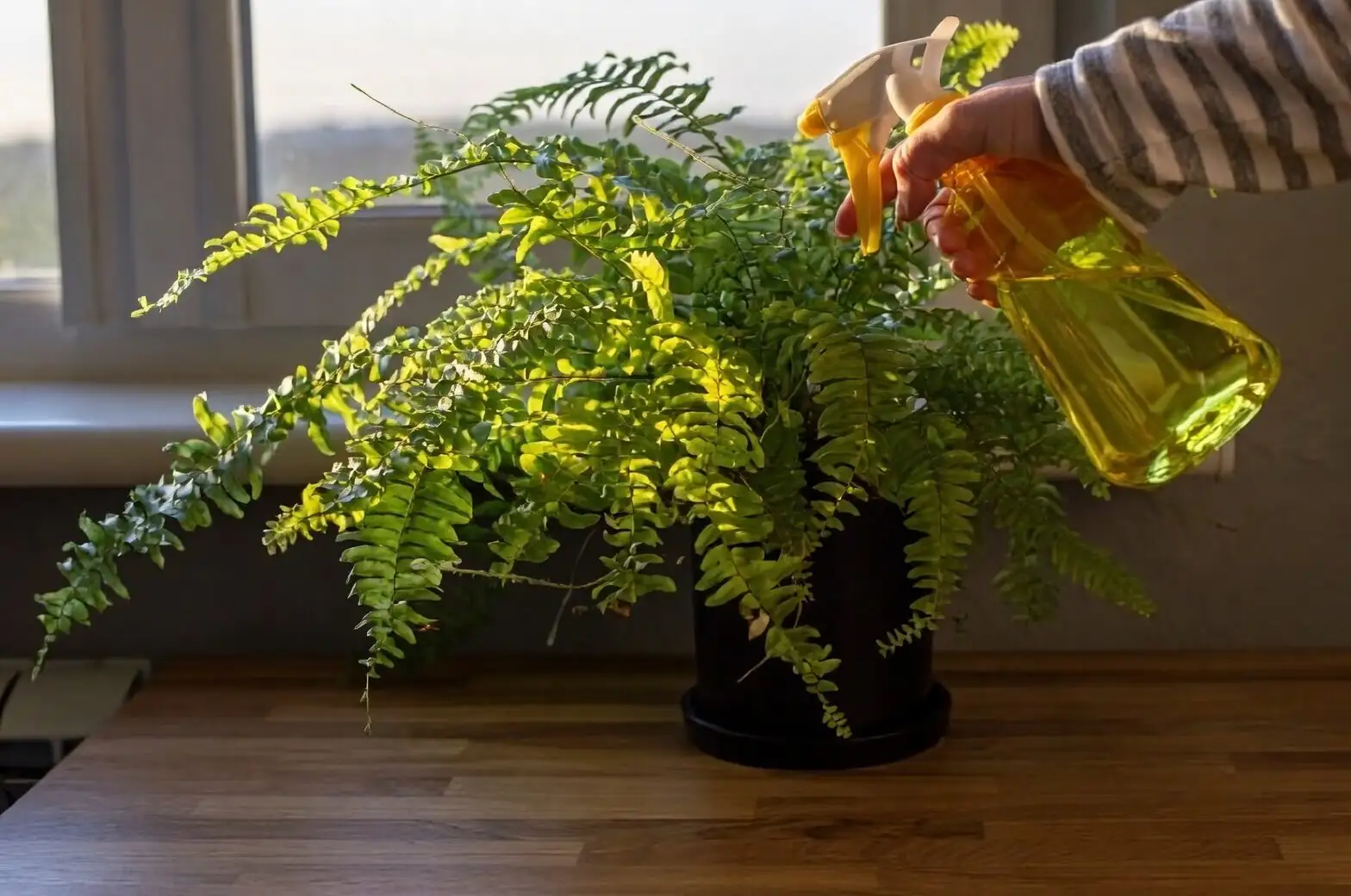
- Misting, the smart way: Lightly mist in the morning during dry spells (every 1–2 days in very dry rooms). Avoid leaving fronds wet late in the day to reduce leaf spot risk.
- Gentle airflow: A small fan on low, not directly at the plant, helps prevent fungal spots without drying fronds.
Temperature and placement
- Comfortable indoors: About 18–27°C is ideal; it also does well in 13–24°C. Protect it from cold drafts and avoid dips below ~10°C.
- Keep away from heaters and AC vents—dry blasts lead to crispy tips.
Potting mix that balances moisture and air
Aim for moisture-retentive yet free-draining.
- Easy recipe: 2 parts all-purpose potting mix + 1 part fine bark or coco chips + 1 part horticultural charcoal. Pots must have drainage holes.
- Classic fern approach: Peat-based fern mix with leaf mold/leaf compost plus a pinch of coarse sand for drainage.
- Pro tip: Excellent drainage prevents the soggy-root slump.
Feeding: gentle and occasional
- Spring to early autumn: Feed monthly with a balanced liquid fertilizer at 1/2 strength. If you prefer, a higher-potassium option around 15-15-30 can work when diluted properly.
- Keep fertilizer off fronds to avoid spotting, and flush with plain water occasionally to prevent salt buildup.
- Winter: Usually skip feeding.
Grooming keeps the fountain shape
- Pruning: Snip yellow, brown, or messy fronds at the base anytime. Thinning a few tall, fertile (spore-bearing) fronds improves airflow and neatness.
- Cleaning: A soft brush or a gentle shower rinse freshens fronds; let them dry with good airflow afterward.
Repotting and division
- Timing: About every 2 years in spring, or when roots crowd the pot or push through drainage holes.
- Size up modestly: Move up just one pot size, or divide and replant into the same pot with fresh mix.
- Division basics: Gently separate the clump into sections with healthy roots and fronds; replant promptly and keep warm, in part shade, with higher humidity until established.
Quick troubleshooting: read and respond
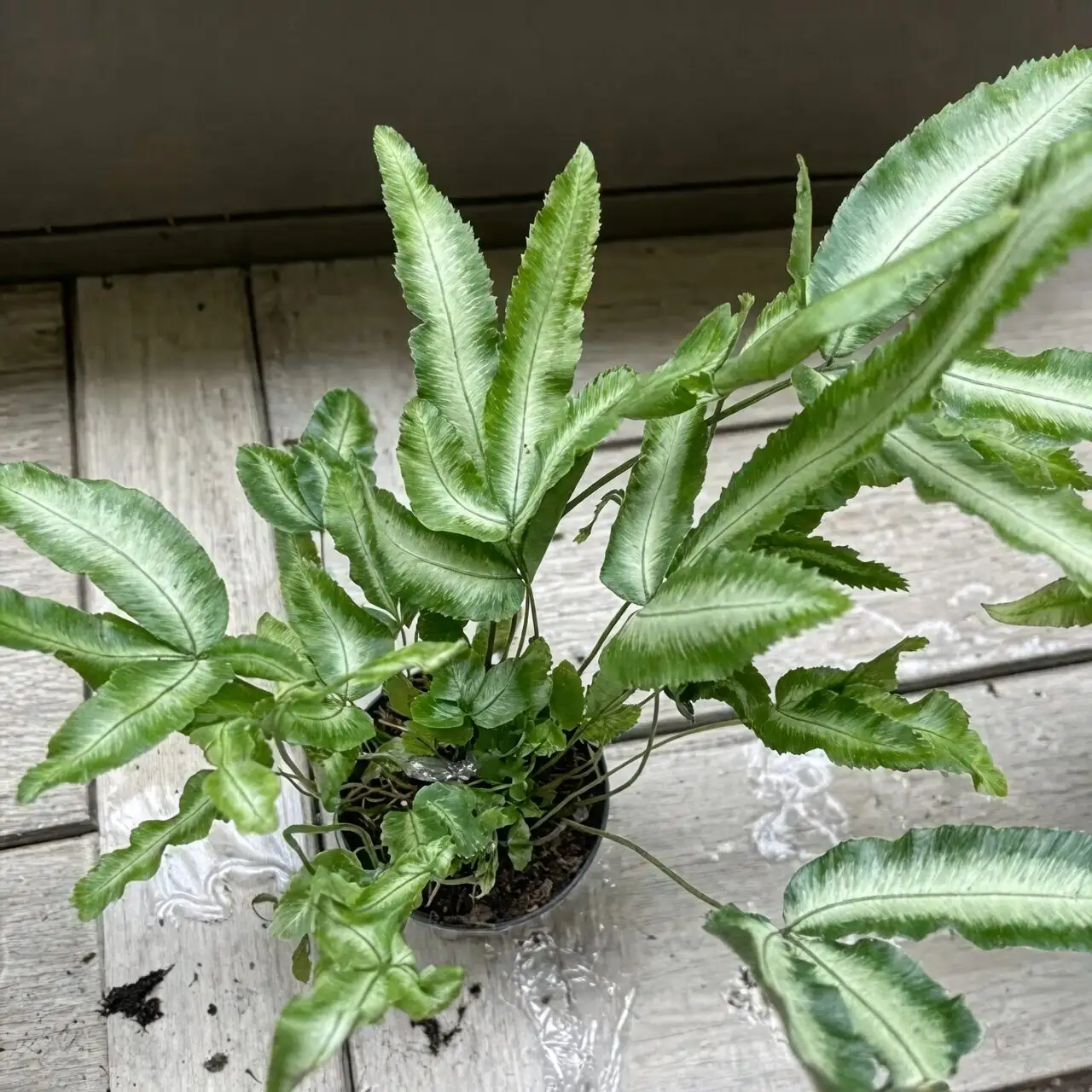
- Fronds yellowing and curling: Cut damaged fronds, give bright, indirect light, water thoroughly (then drain), and raise humidity. Avoid direct sun and drafts.
- Crispy tips: Increase humidity, check watering consistency, and flush salts.
- Scale/mealybugs: Wipe off pests, then follow with horticultural oil or insecticidal soap; repeat as needed.
- Spider mites (common in dry air): Increase humidity, gently rinse fronds, and monitor.
- Leaf spot: Remove affected fronds, avoid late-day wetting of foliage, improve airflow; use a fern-safe fungicide if necessary.
Safety, symbolism, and a science-y surprise
- Pet- and people-friendly: Generally regarded as non-toxic/low-toxicity, though chewing can cause mild stomach upset.
- Symbolism: Resilience and quiet elegance—the poise of greenery without needing flowers.
- Fun fact: Pteris vittata is famous as an “arsenic hyperaccumulator,” studied for phytoremediation in contaminated soils.
- Fern 101: No flowers here—look for spore clusters on the undersides of mature fronds.
Care calendar at a glance
- Early spring: Repot and/or divide; trim dead roots and tired fronds.
- Spring–autumn: Keep evenly moist; mist in dry rooms; feed monthly at half strength; tidy as needed.
- Summer: Expect more frequent watering (often ~3× weekly indoors, condition-dependent).
- Winter: Water when the surface starts to dry (often weekly), keep warm, and shield from dry heat and drafts.
With the right light (soft-shadow bright), a steady watering rhythm, and humidity boosts when the air gets parched, your Pteris vittata will keep that lush, airy, fountain-like look—no crispy tips, just graceful green all year.