

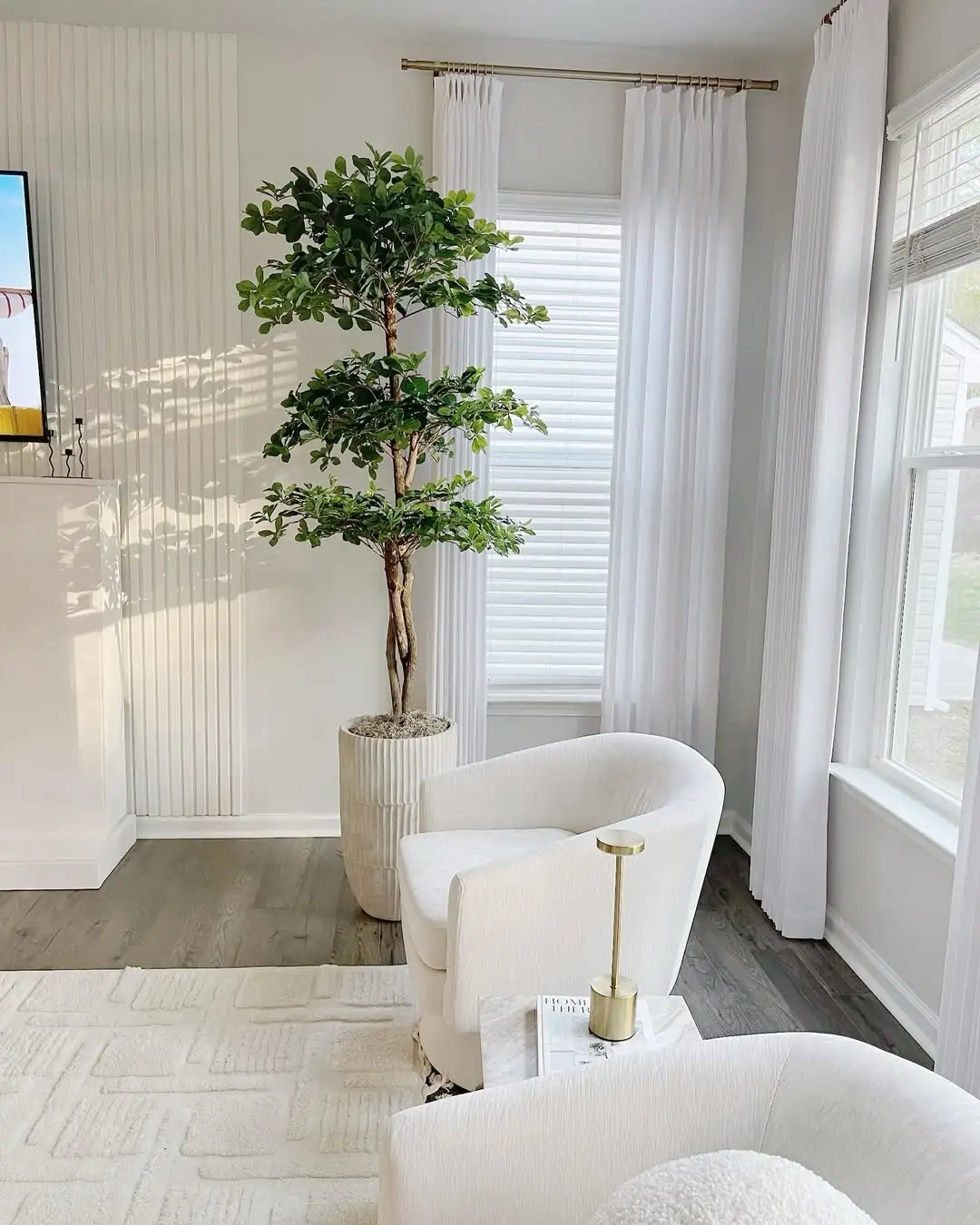
A glossy, easygoing houseplant with a mischievous side—that’s Heptapleurum arboricola, the dwarf umbrella tree. Those palmate “mini-umbrellas” are irresistible in bright living rooms and offices, but like many handsome evergreens, it’s toxic if chewed and its milky sap can irritate skin. Here’s your practical, friendly safety brief: where to place it so little hands and curious pets can’t nibble, how to suit up for pruning, and exactly what to do if someone does take a bite or the sap gets on skin.
Meet Heptapleurum arboricola (Dwarf Umbrella Tree)
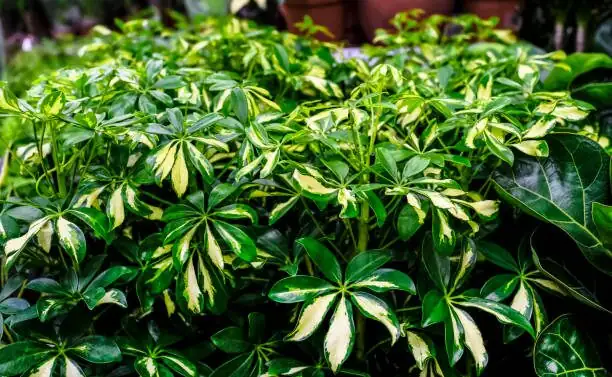
- Also known as Dwarf Schefflera, Hawaiian Schefflera, Umbrella Tree; family Araliaceae; native to southern China and Taiwan and now grown worldwide indoors.
- Grown for glossy, hand-shaped leaves. Indoors it’s typically 1–2 m tall with bright, indirect light and a sturdy pot; it responds beautifully to pruning and shaping.
- Safety headline: toxic if ingested; sap may irritate skin and mouth and can cause mild gastrointestinal upset in people and pets. Wash hands after pruning and keep it out of reach of children and animals.
Toxicity, plainly explained
Heptapleurum arboricola contains insoluble calcium oxalate crystals. When chewed, these needle-like crystals can irritate the mouth and throat and may lead to drooling, pawing at the mouth (in pets), and mild stomach upset.
Typical signs after chewing or ingesting plant parts:
- Mouth/throat irritation or burning sensation
- Excessive drooling, difficulty swallowing
- Nausea or vomiting, mild gastrointestinal upset
- In pets: pawing at the mouth, vocalizing; occasionally vomiting
Good news: the intense mouth irritation usually limits how much anyone eats. Still, treat exposures seriously and follow the first-aid steps below.
Smart placement: style it out of reach
Give your plant bright, indirect light and keep it physically inaccessible. Think “admire, don’t handle.”
Homes with toddlers and young kids
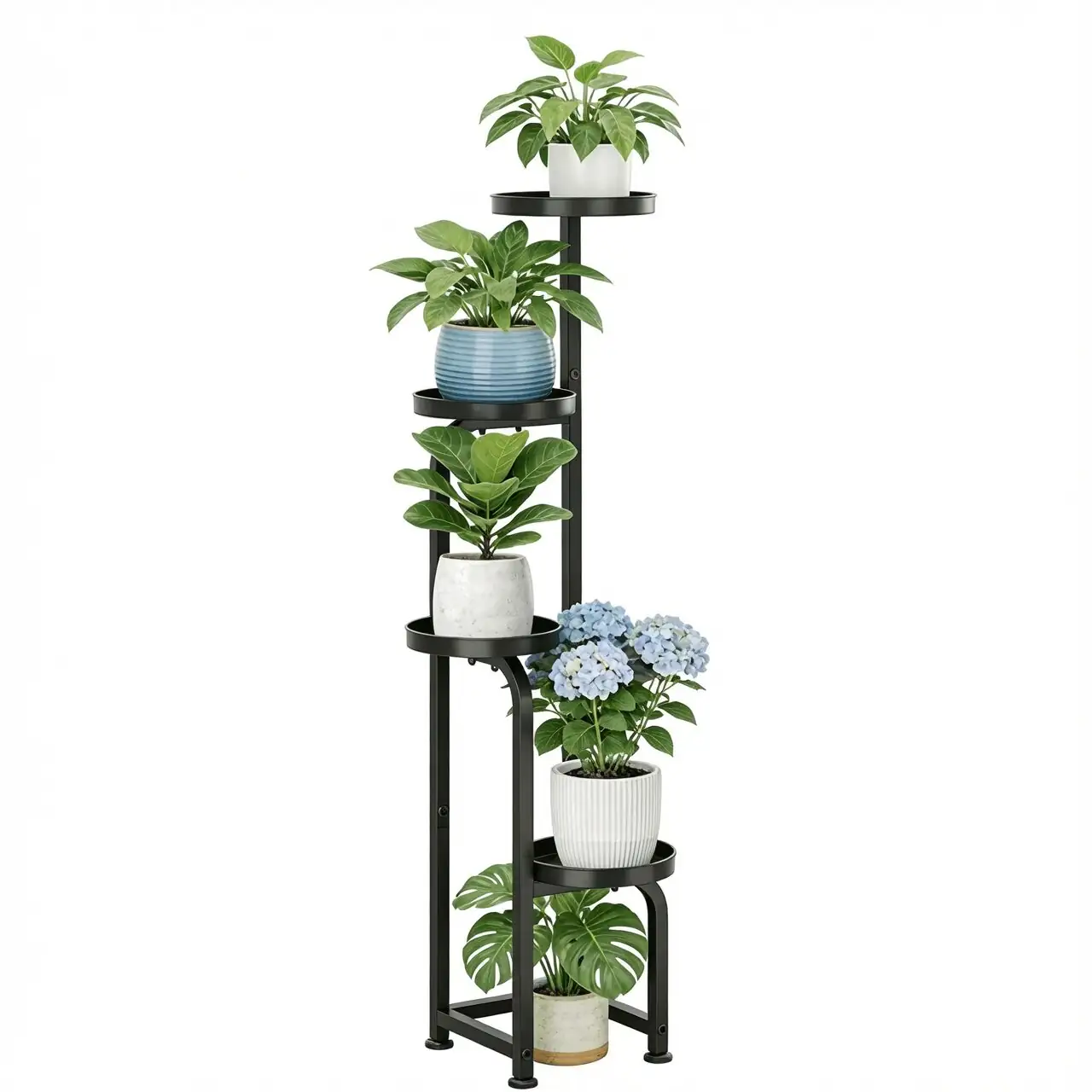
- Go high and secure: wall-mounted shelves with safety brackets; floating shelves above adult shoulder height; tall bookcases with anti-tip straps.
- Behind a barrier: a console table behind a sofa, or a gated sunroom/office.
- Avoid tempting spots: toy areas, floor planters, or low window seats.
- Label for caregivers: a simple “Do not touch—irritant sap” tag prevents well-meaning help from pruning bare-handed.
Homes with cats (professional escape artists)
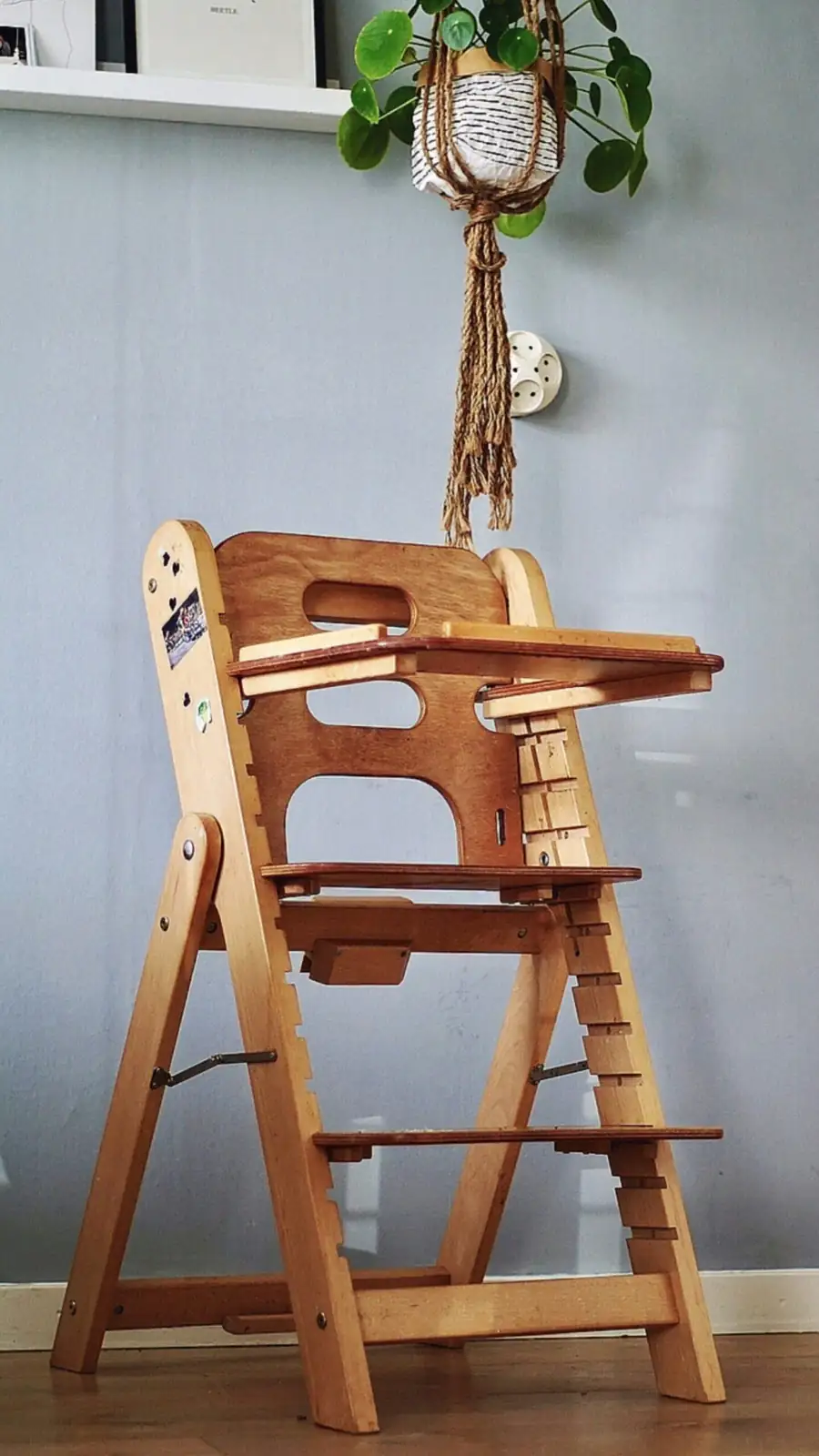
- Choose truly unreachable zones: closed-door rooms with good light, or high shelves that lack “launch pads” within 1–1.5 m.
- Hang it right: ceiling hangers or wall-mounted planters at least 2 m high, with no nearby furniture to leap from.
- Add deterrents and alternatives: train with positive reinforcement, use cat-safe deterrent mats on shelves you don’t want scaled, and offer appealing cat grass or catnip elsewhere.
- Window strategy: place it behind a sheer curtain at a bright east or filtered south window—great light, lower access.
Homes with dogs (ground-focused nibblers)
- Elevate: sturdy plant stands 1 m+ high, or wide consoles against walls.
- Use boundaries: baby gates or indoor pens for puppy zones; avoid low floor pots near beds or food bowls.
- Reinforce leave-it: reward-based training keeps curious noses away.
Pro tip: choose a heavier, stable pot sized to the root ball to prevent tipping, and rotate the plant so all sides get light without being moved into kid/pet zones.
Pruning and potting: PPE and safe workflow
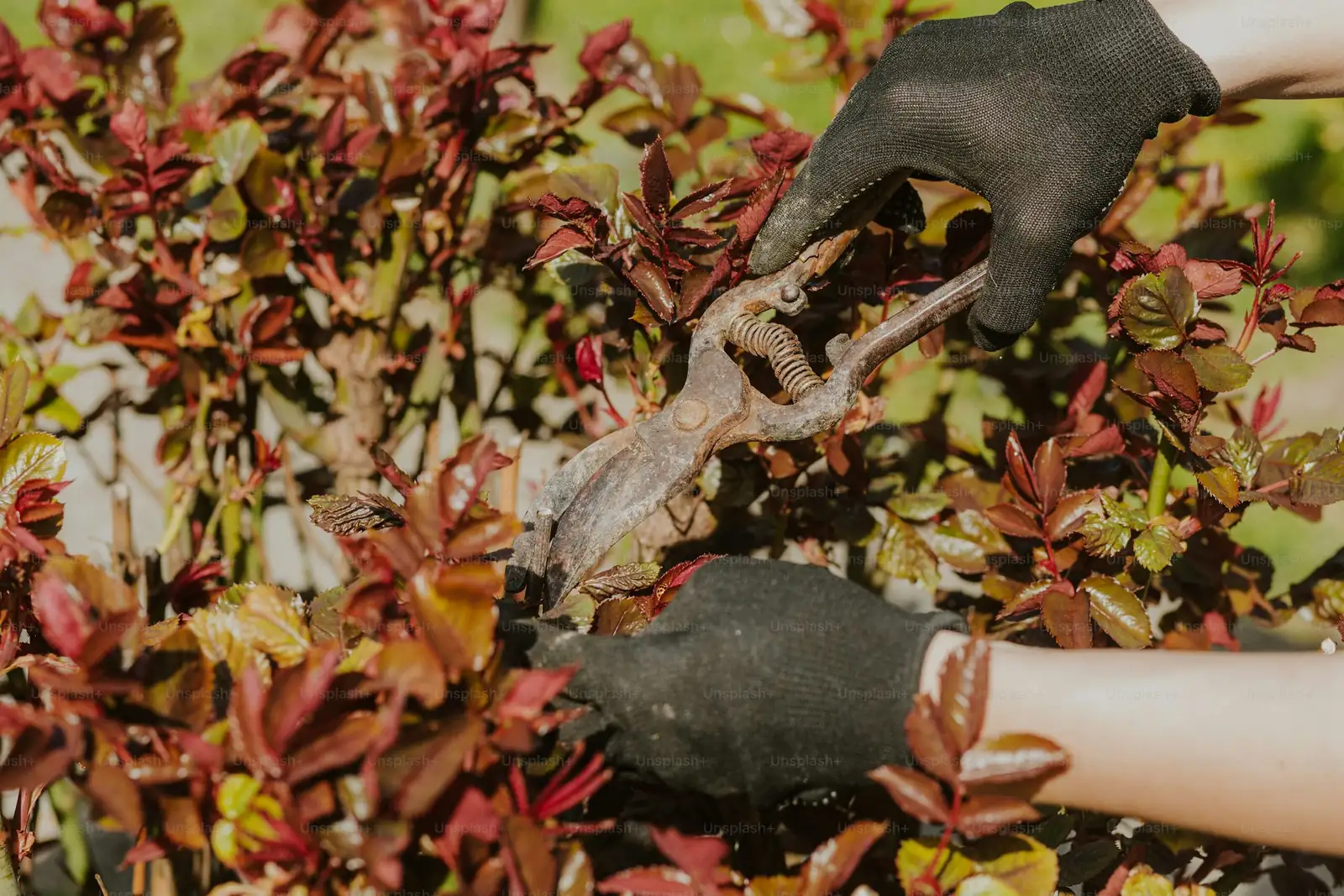
The sap is the irritant. Prune smart, and you’ll love how well this plant shapes up.
Gear checklist
- Nitrile gloves (better sap barrier than fabric)
- Long sleeves; consider safety glasses if you’re shaping a big plant
- Clean, sharp pruners
- Paper towels or a cloth you don’t mind sapping
- Mild soap and water for cleanup
Safe workflow (especially in spring to early/midsummer)
- Time it right: best structural pruning is spring to early/midsummer; cut long stems back by about one-third just above a node to encourage branching.
- Before you start: lay down newspaper or a drop cloth.
- Make clean cuts: avoid crushing stems (more sap flow).
- Sap management: blot any drips right away; don’t rub your eyes or face.
- Aftercare: wash tools and hands with soap and water; launder sap-exposed sleeves promptly.
Cleanup and disposal
- Bag trimmings before leaving the room; don’t compost where pets might rummage.
- Wipe any sap on floors or pots with soapy water; rinse and dry.
First aid: if ingested or if sap contacts skin/eyes
Humans
If chewed/ingested:
- Remove plant bits from the mouth; rinse repeatedly with cool water.
- Sip water or milk to ease mouth/throat irritation.
- Do not induce vomiting.
- Call your local Poison Control (U.S. 1-800-222-1222) for guidance, especially for children or if symptoms escalate.
If sap contacts skin:
- Wash with soap and cool water for several minutes.
- Remove contaminated clothing; launder before reuse.
- Mild redness/itching: a cool compress can soothe; monitor. Seek medical advice if irritation persists or worsens.
If sap gets in eyes:
- Flush eyes with lukewarm water for at least 15 minutes, holding lids open.
- Remove contacts after initial flushing.
- Seek medical evaluation if pain, redness, or blurred vision continues.
Seek urgent care if there is trouble breathing, significant swelling, or severe, persistent pain.
Pets (cats and dogs)
If chewed/ingested:
- Gently remove plant material from the mouth; rinse the mouth with water (a syringe or small cup helps).
- Offer a small amount of water afterward.
- Call your veterinarian or the ASPCA Animal Poison Control Center at 888-426-4435 (fee may apply) for case-specific advice.
- Monitor for: drooling, pawing at the mouth, vomiting, difficulty swallowing, or notable swelling. Go to an emergency vet if breathing becomes labored or swallowing is severely impaired.
If sap contacts skin or eyes:
- Rinse the area (or gently flush eyes) with lukewarm water for several minutes.
- Contact your vet if irritation persists.
Quick safety FAQ
- Is it safe to touch the plant? Yes—brief, gentle handling is fine. Irritation risk rises when sap is exposed (pruning, leaf tearing). Wear gloves for pruning and wash up afterward.
- Can it go in a nursery or playroom? Better not. Choose a closed office, high shelving, or a gated bright spot instead.
- Will drying or cooking leaves make them safe? No. Keep all plant parts away from children and animals.
A note on symbolism—and respect
The dwarf umbrella tree is often associated with protection, resilience, and good fortune—its layered canopy reads like a tiny shelter. Lovely symbolism, but let the meaning inspire your placement: protect those under your roof by keeping this beauty where it can be seen and enjoyed, not sampled.
At-a-glance safety checklist
- Place high, secure, and away from launch points.
- Prune in gloves; consider eye protection.
- Bag trimmings immediately; wash tools and hands.
- If ingested: rinse mouth, offer water or milk (humans), water (pets), and call Poison Control or your vet.
- If sap on skin/eyes: wash/flush with water; seek care if irritation persists.
Enjoy Heptapleurum arboricola for what it does best—brightening rooms with glossy, evergreen elegance—while keeping everyone safe and comfortable around it.