

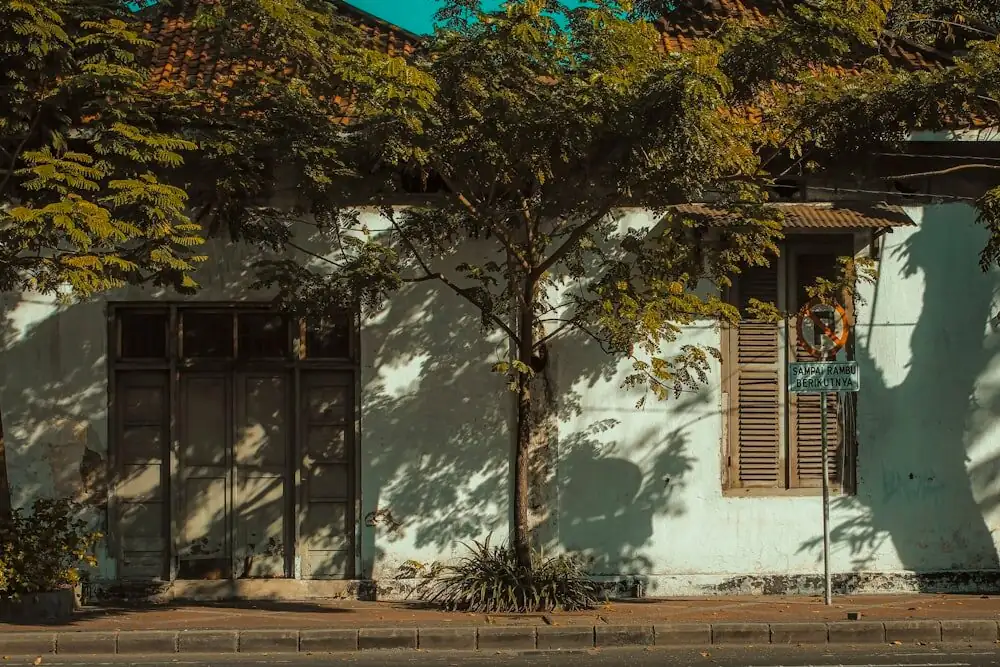
If your Heptapleurum arboricola—better known as the dwarf umbrella tree—has been thriving indoors, a warm-season holiday outdoors can supercharge its growth. The trick is a gentle hardening-off: teaching those glossy, hand-shaped leaves to handle brighter, breezier conditions without a hint of sunburn. Here’s your friendly, field-tested guide to moving from indoor light to dappled shade, cruising through summer without scorch, and bringing it back in before the first chilly whispers of autumn.
Meet the dwarf umbrella tree (and why it loves a summer sabbatical)
- Botanical name: Heptapleurum arboricola (formerly grouped with Schefflera)
- Family: Araliaceae
- Origin: Southern China (including Hainan) and Taiwan; now a global houseplant favorite
- Look: Glossy, palmate leaves in rich green or eye-catching cream/yellow variegation
- Indoors: Fast, forgiving, and responsive to pruning—keep it bushy or train it as a petite tree on a stake or moss pole
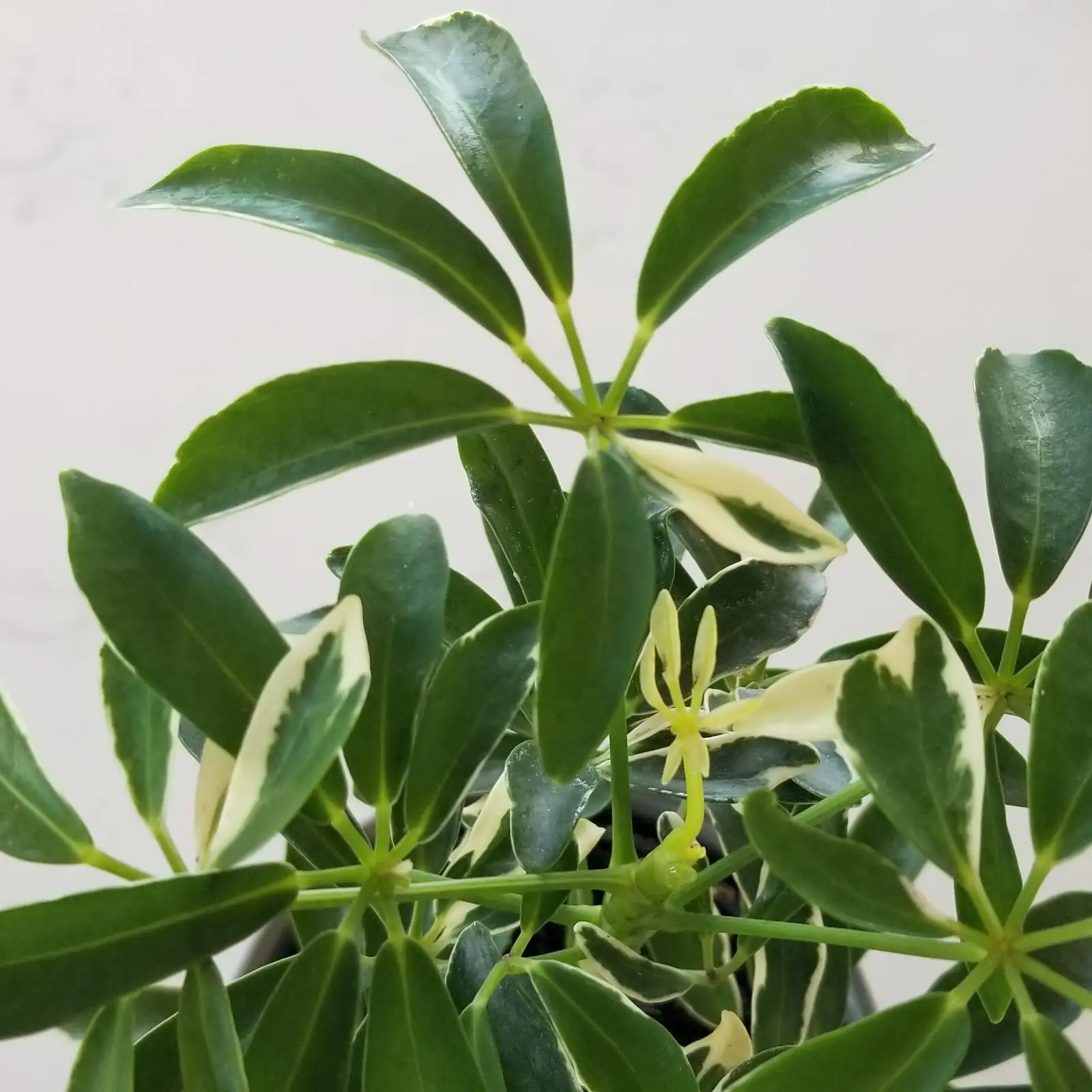
Summer outdoors in bright shade mimics its native understory life. The payoff:
- Stockier, better-branched growth
- Richer leaf color (especially for variegated types)
- Faster recovery from winter doldrums
Frost-tender warning: This is a warm-lover. Plan on summering outside and wintering inside unless you live where frost never bites (roughly USDA Zones 10–12).
The 2‑week hardening-off plan: from indoor light to dappled shade
Think of hardening-off as a gradual gym routine for leaves—short sessions first, never at high noon, and building slowly.
Before you begin (3–7 days ahead)
- Health check: No sticky residue, webbing, scale bumps, or mealy fluff. Wipe leaves clean for maximum photosynthesis.
- Right pot, right mix: Use a sturdy, heavier container with a free-draining mix (e.g., potting substrate plus extra aeration like perlite and a bit of bark). Heavy pots resist wind tip-overs.
- Weather window: Choose a stable period without heat waves. Aim for nights consistently above 15°C/59°F and calm daytime breezes.
- Water prep: Start evenly moist—never soggy. You’ll water by feel: when the top 2–3 cm (about 1 inch) dries, water thoroughly and let excess drain.
Week 1: Short, sheltered visits
- Days 1–2: 1–2 hours each morning in bright, open shade (no direct sun), where the shadow of your hand looks soft and fuzzy rather than crisp.
- Days 3–4: 3–4 hours in dappled light, still strictly avoiding late morning to midafternoon.
- Days 5–7: 4–6 hours in dappled light. Gentle airflow is good; gusty wind is not. Rotate the pot a quarter turn every few days to keep growth even.
Pro tip: For green-leaved plants only, a whisper of early sun (15–30 minutes before 9 a.m.) can be okay if temperatures are mild. Variegated types scorch more easily—stick to dappled light.
Week 2: Settle into summer mode
- Days 8–10: Half day to full day in dappled/filtered light. Never let midday, summer sun land directly on the leaves.
- Days 11–14: Full days in your chosen bright-shade spot. Confirm that the plant never bakes under reflected glare (white walls, paving, pool decks can amplify heat).
Feeding: During active growth (spring to autumn), a balanced liquid fertilizer monthly at half strength is a safe baseline. If growth is exuberant and your watering rhythm is solid, feeding every 2 weeks at label strength can be fine—pause during heat spikes and in winter.
Watering rhythm outdoors: Warmer temps and breezes mean the mix dries faster. Keep to the rule—water when the top 2–3 cm are dry; drench thoroughly; never leave the pot standing in water. Avoid a swing from bone-dry to sopping-wet, which can trigger leaf drop.
Finding the right outdoor spot (warm climates)
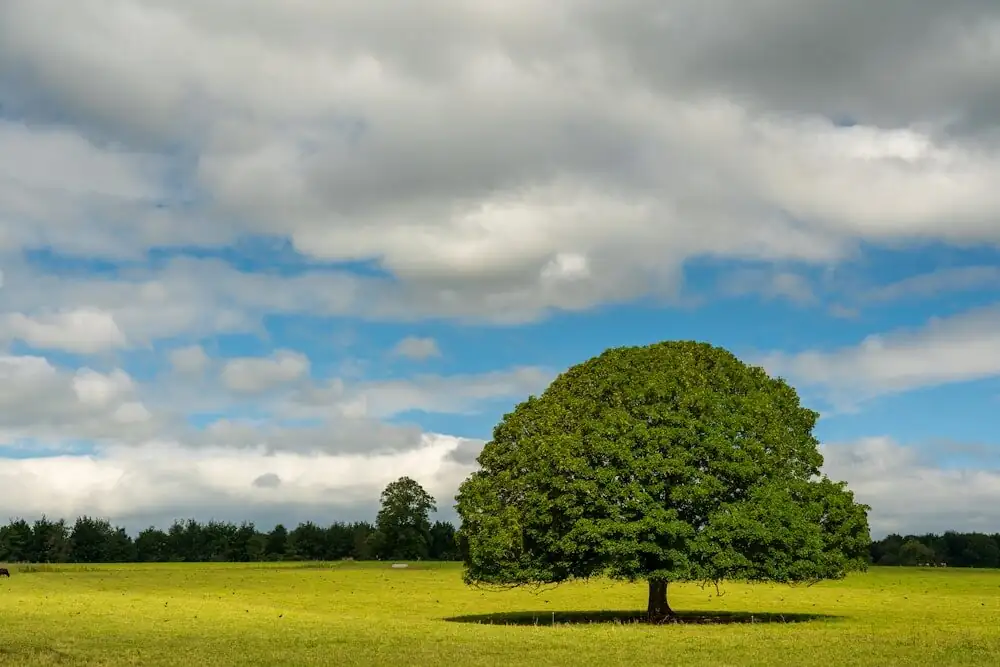
Aim for bright shade or fine, dancing light—think under a high-canopy tree, a pergola with a sheer curtain, a covered east-facing porch, or behind a trellis.
- Morning light only: If any direct sun touches leaves, keep it to the cool, early hours.
- Shield from midday: From late morning to midafternoon, your plant should be in dappled or fully filtered light.
- Avoid reflectors: Light-colored walls, gravel, or paving can bounce heat and scorch leaves even in shade—watch those hot microclimates.
Variegated cultivars need bright, filtered light to keep their patterns bold, but they’re more sun-sensitive. Place them a notch deeper in shade than green forms.
Sun, scorch, and leaf language: what’s normal, what’s not
- Normal acclimation: Slight paling of older leaves, new leaves a bit smaller or thicker at first, steady upright petioles.
- Too much light/heat: Brown, crispy patches (often on the upper leaf surface), bleached variegation, or leaves cupping downward midafternoon.
- Too little light: Stretched spaces between leaves, lanky stems, faded variegation.
Course-correct fast: Move to deeper shade immediately if you see crisping. Trim damaged leaflets once new growth looks steady.
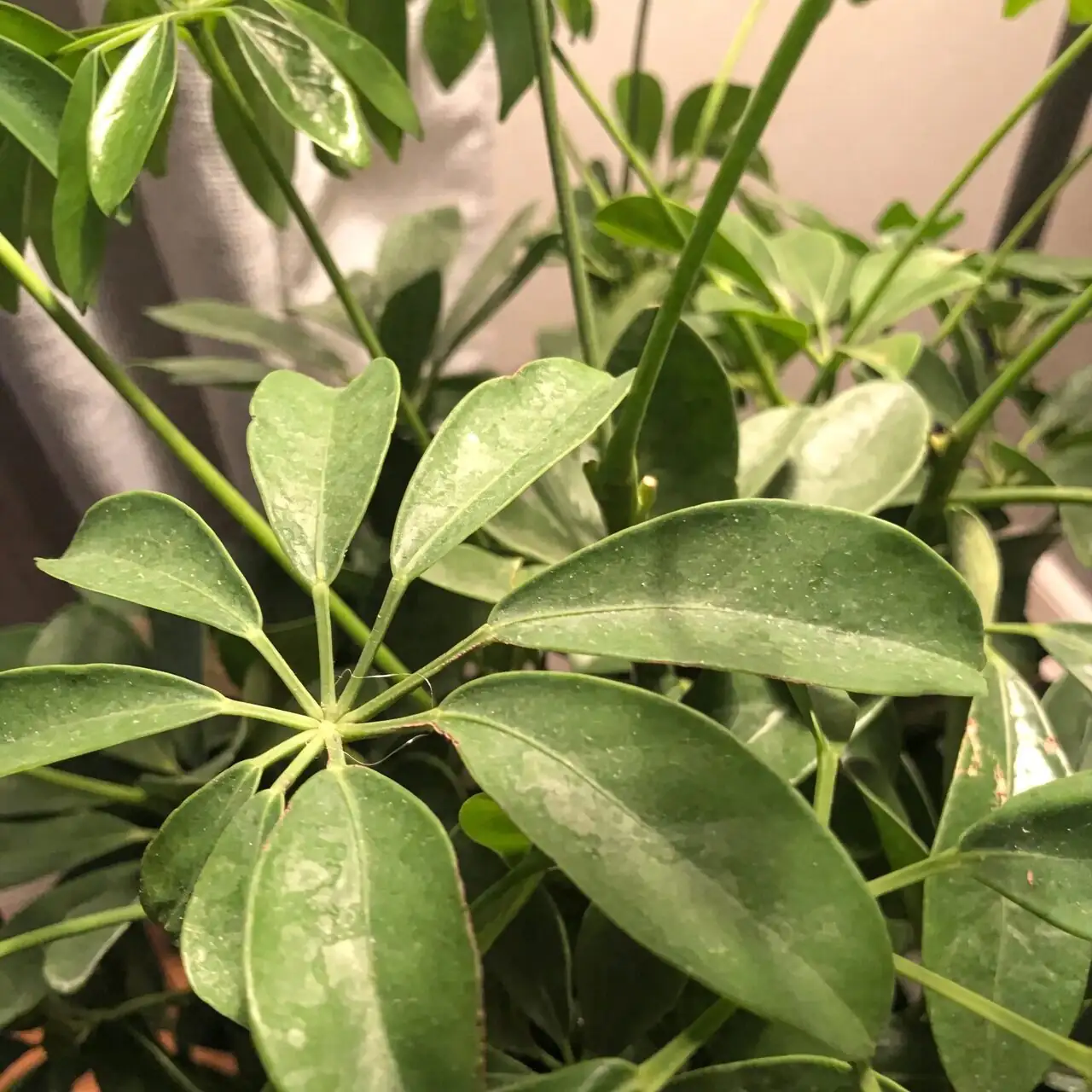
Summer care outdoors: simple and steady
- Watering: Check the top 2–3 cm regularly. In hot spells, you may water more often, but keep it thorough with full drainage.
- Humidity and airflow: This plant adapts to typical home humidity but looks best with steady warmth and decent air movement. Outdoors, aim for shade plus good ventilation—not a stagnant corner.
- Pruning for shape: In late spring through midsummer, snip back lanky stems by about one-third just above a node. Repeat light shaping 2–3 times in the growing season to build a denser canopy.
- Support: Many plants are trained on stakes or a moss pole—keep ties snug but not tight, and adjust as stems expand.
- Pests: Spider mites (especially in dry heat), scale, and mealybugs are the usual suspects. Inspect weekly. Treat early with insecticidal soap or horticultural oil, repeating as directed. Increase airflow to discourage leaf spot; remove any affected leaves.
Safety note: Toxic if eaten. Keep away from curious pets and kids, and wash hands after pruning—the sap can irritate skin and mouth.
Heat waves and vacations: scorch-proof tactics
- Slide it deeper into shade temporarily; if needed, hang a sheer cloth to diffuse light.
- Water in the morning; never leave the pot in a saucer full of water.
- Skip fertilizer during extreme heat—resume when temperatures normalize.
- Avoid midday misting (magnified sun can spot leaves). Instead, rely on even soil moisture and shade.
When to bring it back inside (before chills strike)
Heptapleurum arboricola loves warmth. Plan your homecoming when:
- Night temperatures start trending below about 15°C/59°F, or
- A cool front is forecast; absolutely bring it in before any dip near 10°C/50°F. Around 5°C/41°F can cause chilling injury.
The 7–10 day reverse-acclimation
- Days 1–3 (outdoors): Park it in deeper shade to begin lowering light intensity.
- Days 4–7 (indoors by day, outdoors by evening, optional): Move it inside to its bright, indirect spot for part of the day behind a sheer curtain, then back out to shade overnight if nights are still warm.
- Day 7–10: Keep it indoors full-time near a bright east window or filtered south window.
As light decreases, water less frequently—still by feel. Pause or greatly reduce feeding through winter. Avoid cold drafts.
The clean-and-check ritual (no hitchhikers, please)
- Rinse leaves (top and underside) in the shower or with a gentle hose, let dry in bright shade.
- Wipe petioles and stems; inspect closely for scale and mealybugs.
- Refresh the top 1–2 cm of potting mix to disrupt any pests, and clean the outside of the pot and saucer.
- If you treat pests, follow up with a second application per product instructions and quarantine the plant away from other houseplants for 1–2 weeks.
Quick diagnostics: leaf drop and legginess after the move
- Sudden leaf drop: Often overwatering after relocation, a cold draft, or too little light. Let the mix dry more between waterings, keep it warm (ideally above 15°C/59°F), and shift to brighter, filtered light.
- Leggy growth indoors: Increase brightness (add a sheer-filtered south or bright east exposure), and prune back long stems in spring/early summer to force branching.
Frequently asked acclimation questions
- Can it take full sun if “only in the morning”? Short, gentle early sun may be okay for green forms after a careful hardening-off. Still, your safest, best-looking finish is dappled light all day. Avoid summer midday sun altogether.
- Should I repot before moving it outside? Repot in spring if needed, but don’t repot mid-hardening-off. Let it acclimate first; repotting plus relocation can double the stress.
- Do variegated forms need different treatment? Yes—give them brighter, filtered light but even more protection from direct sun to prevent crispy, bleached patches.
- How often should I fertilize while outdoors? Monthly at half strength is a reliable baseline. If growth is vigorous and you’re watering frequently, you can step up to every 2 weeks at label strength—then taper off in autumn and stop in winter.
A note on symbolism (flower language, thoughtfully)
While the dwarf umbrella tree rarely flowers indoors, its “flower language” in modern decor leans symbolic rather than traditional: a canopy of protection, resilience through easy regrowth after pruning, and a sense of abundance. These meanings largely arise from feng‑shui‑style interpretations and the plant’s generous, sheltering leaf form—more a contemporary cultural reading than an ancient, codified language of blooms. It’s a fitting emblem for a houseplant that calmly flourishes with steady routines.
Hardening-off cheat sheet
- Start when nights stay above 15°C/59°F.
- Give 1–2 weeks to acclimate, increasing time in dappled light—never midday sun.
- Water when the top 2–3 cm/1 inch of mix is dry; soak thoroughly; no standing water.
- Feed lightly during active growth; pause during heat spikes and in winter.
- Choose bright shade microclimates: under trees, a covered porch, behind a trellis, or through a sheer.
- Watch for scorch (brown, crispy patches) and move to deeper shade immediately.
- Bring inside before nights dip toward 10°C/50°F; avoid chills near 5°C/41°F.
- Clean, inspect, and quarantine briefly when returning indoors.
Treat Heptapleurum arboricola like a friend visiting the patio: offer bright, dappled light, shelter from the midday blaze, a steady drink without soggy shoes, and a warm seat indoors when evenings turn cool. Do that, and those glossy umbrellas will stay wide open all year.