

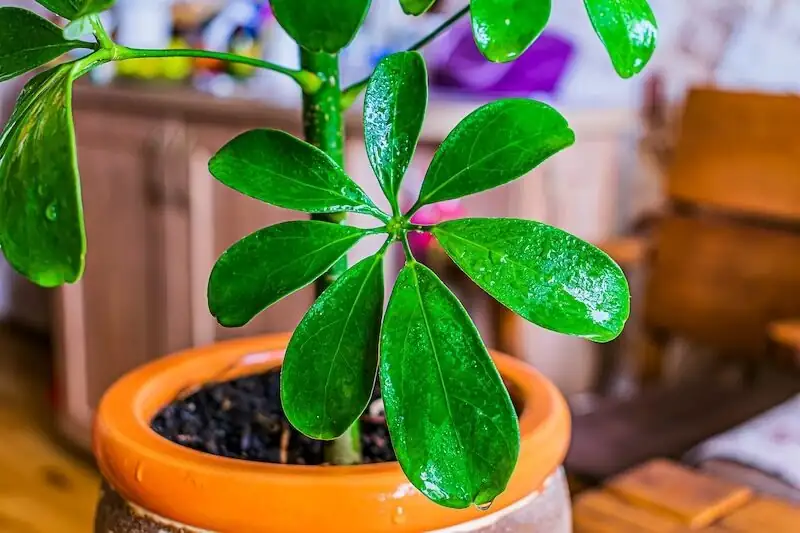
Seeing webbing, sticky leaves, or a sudden soot-black sheen on your Dwarf Umbrella Tree? Take a breath—Heptapleurum arboricola (often still sold as Schefflera) is a tough, fast-growing houseplant. With a quick diagnosis and a simple IPM (Integrated Pest Management) plan, you can turn things around fast and keep that glossy, hand-shaped canopy thriving.
Spot the pest in seconds: diagnose by what you see
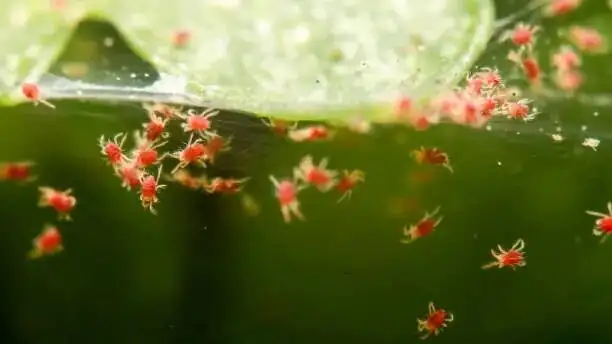
- Webbing + dusty speckles + leaves turning dull, then yellowing and dropping
- Likely culprit: spider mites
- Clue check: tap a leaf over white paper—if you see tiny moving specks, that’s mites.
- Sticky, shiny leaves (honeydew) + ants nosing around + black sooty mold on leaves or furniture
- Likely culprits: aphids, mealybugs, or soft scale (sometimes whiteflies)
- Differentiate by their look:
- Aphids: clusters of pear-shaped soft insects on tender tips; colors range green/yellow/brown.
- Mealybugs: white, cottony tufts in leaf axils, along stems, and under leaves.
- Soft scale (often brown soft scale): flat or domed brown/tan bumps stuck to stems and leaf midribs that don’t move when poked.
- Whiteflies: a faint “snow” of tiny white moth-like insects flies up when you gently shake the plant.
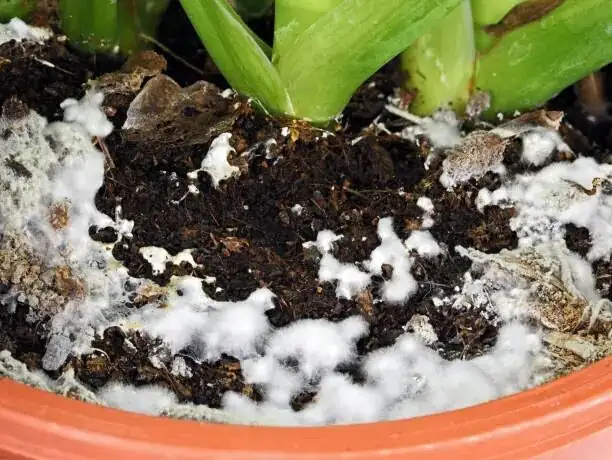
- Yellowing or leaf drop without stickiness or webbing?
- Often cultural stress: overwatering, low light, or a cold draft can do this. Fix the environment first as you inspect for pests.
What to do right now: a rapid-response IPM plan
1) Isolate and gear up
- Move the plant away from others (quarantine).
- Put down a drop cloth or move to the shower for easy cleanup.
- Wear gloves; this plant’s sap can irritate skin, and it’s toxic if ingested by pets/people.
2) Rinse and wipe
- Give the foliage a gentle, lukewarm shower to knock down mites, aphids, and honeydew.
- Wipe both sides of leaves and the stems with a soft cloth. For mealybugs/scale, dab visible pests with a cotton swab dipped in 70% isopropyl alcohol.
3) Prune the worst
- Snip off heavily infested or sooty leaves; discard in the trash. Disinfect shears before and after.
4) Improve the plant’s “immune system” (environment)
- Light: bright, indirect light—avoid harsh midday sun that can scorch.
- Warmth: 15–30°C (59–86°F). Keep away from cold drafts; prolonged chill below ~10°C (50°F) stresses the plant.
- Airflow: place a small fan nearby for gentle air movement; stale, still air invites pests and leaf spot.
- Humidity: normal home humidity is fine, but mites love very dry air; aim for roughly 40–60% if you can.
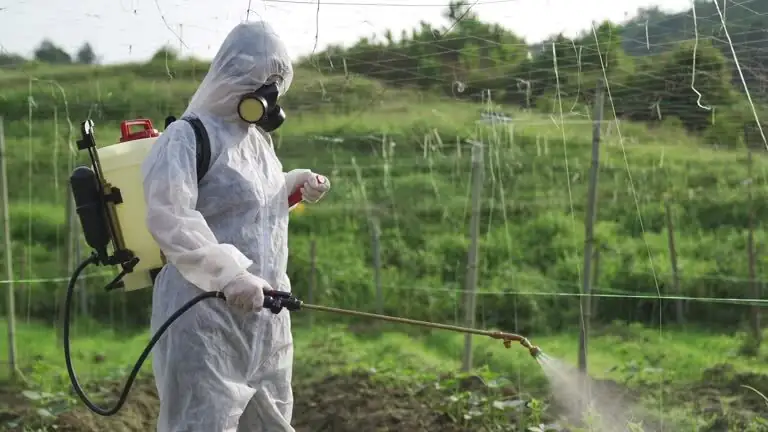
5) Low-impact spray that works
- Choose insecticidal soap or horticultural oil (mineral, neem, or other plant-based oils) labeled for indoor plants.
- These products kill on contact and have little to no residual effect—thorough coverage matters. Spray upper and lower leaf surfaces, petioles, leaf axils, and stems until just shy of dripping.
- Timing and safety:
- Spot-test a few leaves first and wait 48–72 hours. Some plants can be sensitive to soaps or oils.
- Avoid mixing your own “dish soap” spray—use a commercial, plant-labeled product.
- Do not spray in hot, direct sun or when the plant is heat-stressed.
- Many soaps above ~3% concentration can injure foliage; even ~1.5% can mark sensitive plants. Follow the label exactly.
- Repeat every 7–10 days for 3–4 rounds to catch new hatchlings. For mites, lean closer to every 5–7 days initially.
6) Clean up honeydew and sooty mold
- After treatments dry, wipe leaves with a damp cloth to remove sticky residue and sooty mold so the plant can photosynthesize efficiently.
7) Monitor weekly
- Re-check leaf undersides and nodes with a hand lens or your phone’s macro mode.
- Continue isolation until you’ve had 3–4 clean inspections.
8) Last-resort escalation (for stubborn soft scale or mealybugs)
- A systemic product (e.g., imidacloprid soil application) can control heavy indoor infestations of soft scale and mealybugs. Use only if legal in your area, strictly follow label directions, and never on edible plants. Many growers prefer to reserve systemics as a final step after mechanical cleaning plus repeated oil/soap treatments.
Pest-by-pest: your targeted playbook
Spider mites
- Symptoms: fine stippling, dulling leaves, webbing; worst in warm, very dry, still air.
- Actions:
- Rinse foliage thoroughly; repeat weekly for a few cycles.
- Raise humidity toward ~50–60% and add airflow.
- Use insecticidal soap or a horticultural oil labeled for mites; cover undersides meticulously, repeat 5–7 days apart at first.
- Paper tap test weekly to confirm decline.
Aphids
- Symptoms: clusters on new growth, curling leaves, abundant honeydew + sooty mold.
- Actions:
- Pinch or wipe off clusters; prune tender tips if loaded.
- Spray with soap or oil; repeat 7–10 days.
- Indoors, natural enemies are scarce, so staying consistent with contact sprays is key.
Mealybugs
- Symptoms: white cottony tufts in nooks and nodes; sticky honeydew and sooty mold follow.
- Actions:
- Dab each mealybug with 70% alcohol; wipe away residue.
- Follow with oil or soap sprays into leaf axils and along stems; repeat 7–10 days.
- Inspect roots during repotting—root mealybugs can hide in the potting mix. Replace old mix and clean the container if discovered.
Soft scale (e.g., brown soft scale)
- Symptoms: immobile brown/tan bumps lining stems and leaf midribs; heavy honeydew and sooty mold.
- Actions:
- Gently scrape off adults with a fingernail or swab; dispose.
- Target the crawler stage (the mobile babies) with repeated oil or soap sprays, thoroughly covering stems and undersides.
- Persistent, heavy indoor cases may warrant a labeled systemic as a last resort.
Whiteflies (less common indoors on Heptapleurum, but possible)
- Symptoms: faint cloud of tiny white insects when disturbed; sticky honeydew.
- Actions:
- Yellow sticky cards help monitor populations.
- Use repeated soap or oil sprays; ensure full underside coverage.
Airflow, watering, and leaf health: the recovery trifecta
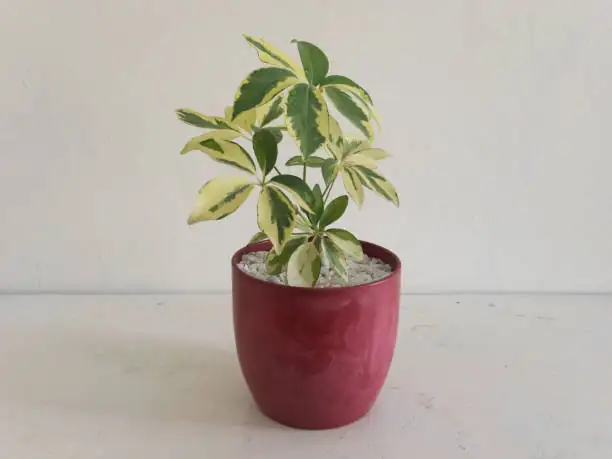
- Watering rhythm: in spring–autumn, water when the top 2–3 cm (about 1 inch) of mix is dry, then drain well. Never leave the pot standing in water. In winter, water sparingly—often about monthly, or when the potting mix is mostly dry.
- Soil: keep it free-draining; a quality potting mix with added perlite/bark helps roots breathe.
- Light: bright, filtered light keeps growth dense and resilient; low light invites legginess.
- Warmth and drafts: keep it warm and steady—chill or sudden cold drafts can cause leaf drop and slow recovery.
Prevent the next outbreak: a simple monthly routine
- Quarantine all new plants for 2–4 weeks in bright shade with good airflow; inspect for webbing, sticky residue, cottony clusters, or brown bumps.
- Wipe dust off leaves; clean leaves after any bout of honeydew or sooty mold.
- Space plants for airflow; rotate the pot for even light.
- Prune lanky, shaded stems in spring to early/midsummer to keep a compact, bushy canopy that’s easier to inspect and treat.
- Feed lightly during active growth (spring to autumn)—monthly at half-strength is a safe baseline—and pause in winter.
- Repot in spring when rootbound; use a sturdy pot and well-aerated mix.
Quick FAQs
- Is sticky residue always a pest sign?
- On this plant, yes—sticky honeydew is from sap-sucking insects (aphids, mealybugs, scale, whiteflies). Clean it and treat the source.
- Should I mist to fight mites?
- Light misting can raise humidity briefly, but consistent room humidity and gentle airflow are more effective. Avoid keeping foliage wet in cool, stagnant air, which can encourage leaf spot.
- Is Heptapleurum arboricola safe for pets?
- No. It’s toxic if ingested and the sap may irritate skin and mouth. Keep out of reach and wash hands after pruning or treating.
A note on names and meaning
You’ll still see this plant sold as Schefflera, but modern taxonomy places it in Heptapleurum. Its umbrella-like leaves have earned it a reputation for protection and good fortune—a living symbol of shelter and resilience. Keeping those glossy “umbrellas” clean, pest-free, and gently fanned by fresh air is the best way to honor that spirit.
With sharp eyes, a spritz of oil or soap, and tweaks to light, airflow, and watering, your Dwarf Umbrella Tree will bounce back quickly—and keep that lush, polished look that made you bring it home in the first place.