

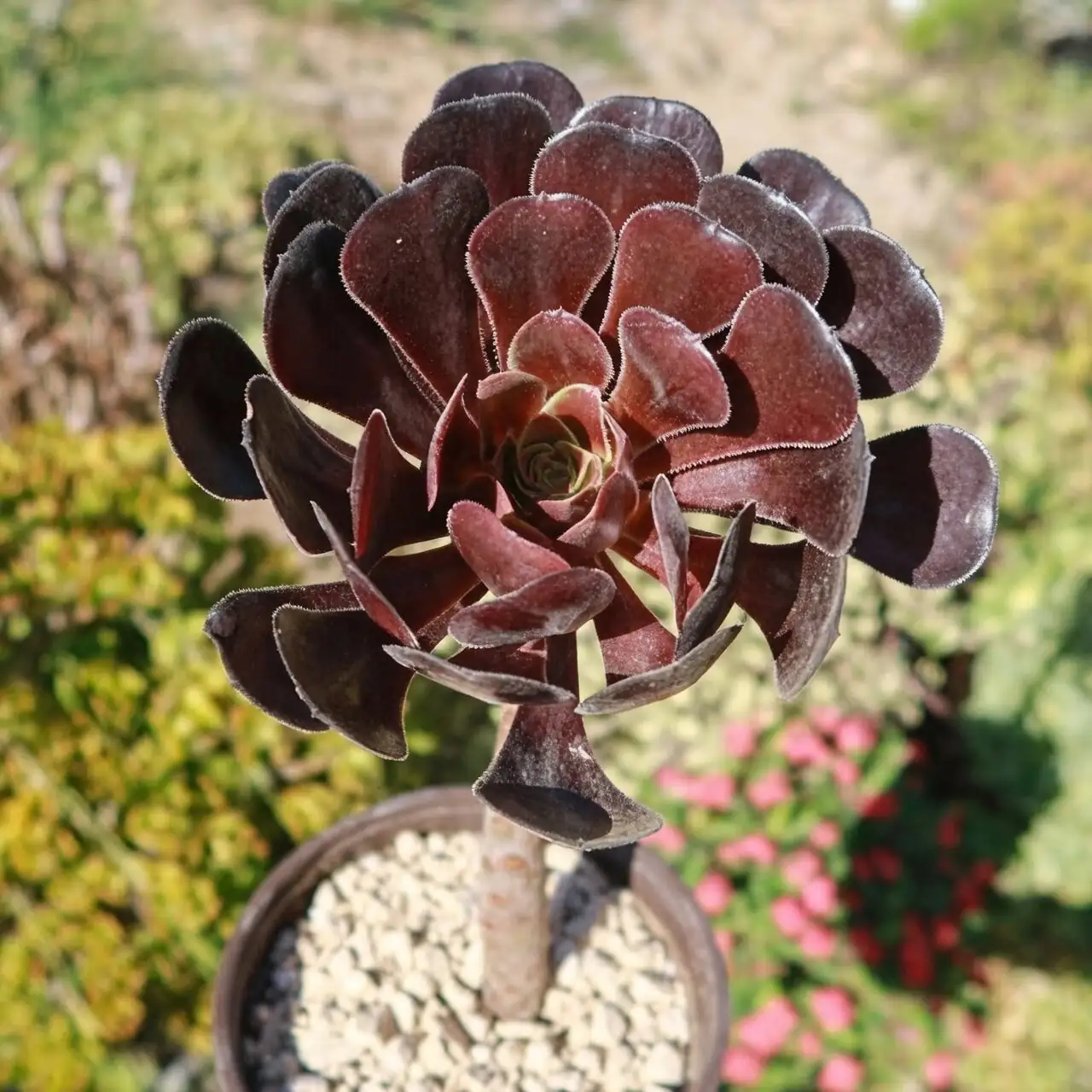
Think of Aeonium arboreum ‘Zwartkop’ as the mood ring of succulents: in cool, bright weather it turns nearly black like velvet roses on sticks; in softer light or heat, it warms to burgundy, plum, even hints of green. Add one charming plot twist—each mature rosette eventually flowers and then bows out—and you’ve got a plant that’s both dramatic and delightfully quirky.
Meet the Black Rose Aeonium (Aeonium arboreum ‘Zwartkop’)
- Family: Crassulaceae (the succulent clan)
- Look: Branching, woody stems topped with glossy, spoon-shaped rosettes that read deep burgundy to near black in strong light
- Size: Often compact in pots at first, but can mature to about 60 × 60 cm (24 × 24 in) with age and pruning
- Origins: A cultivated dark-leaved form of Aeonium arboreum, a species native to the Canary Islands (Macaronesia)
- Seasonality: Strongest growth in the cooler part of the year; slows or semi-rests in hot summer weather
- Flowers: Upright clusters of small, starry yellow blooms in spring; the flowering rosette is monocarpic (it declines afterward), while side rosettes carry on
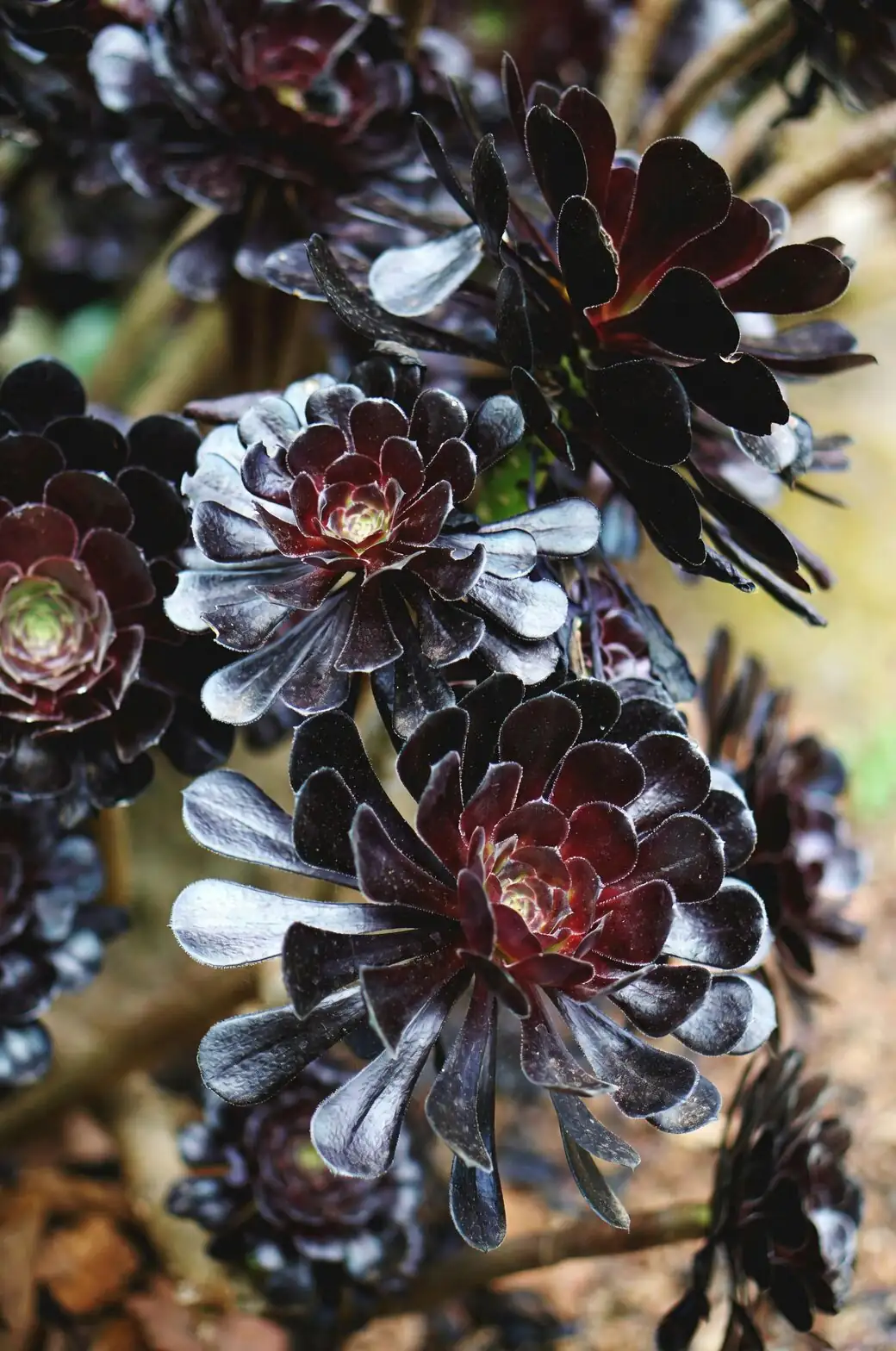
The Color Show: Why it Swings from Plum to Near-Black
Here’s the science-lite scoop behind the drama.
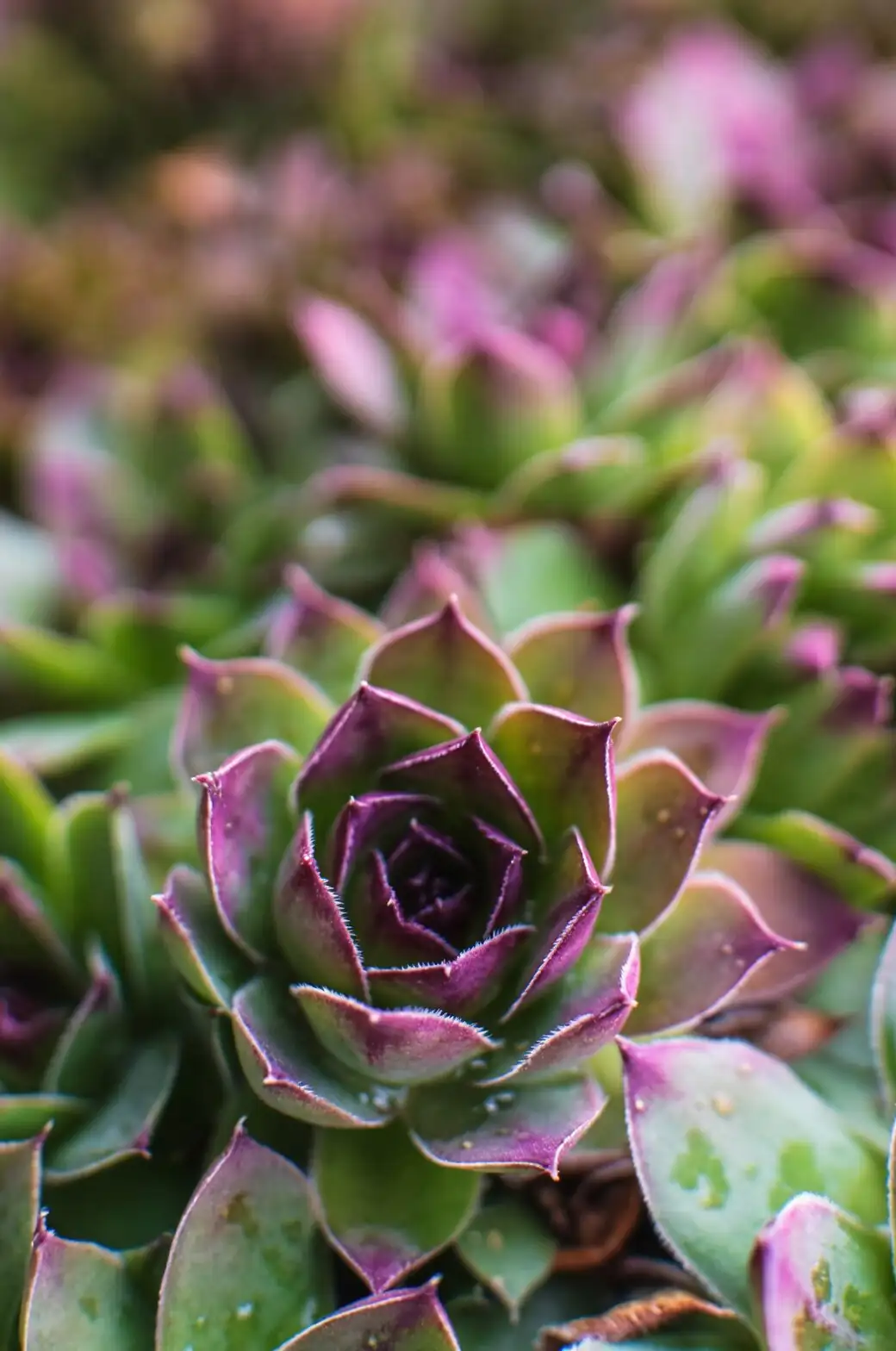
Light: The main dimmer switch
- Strong light ramps up dark pigments (anthocyanins) that mask green chlorophyll, so rosettes read like near-black velvet.
- In lower light, chlorophyll takes the spotlight—expect more reddish-purple to green, and a tendency to stretch.
Temperature: Cool nights, richer tones
- Cooler seasons and crisp nights encourage deeper anthocyanin expression. That’s why the plant often looks its inkiest in autumn–spring.
- Hot spells can mute color and push the plant into a semi-resting posture.
Water and nutrition: Keep it lean, not mean
- Slightly drier, “lean” conditions in bright light favor darker foliage. Overwatering or heavy feeding often softens color and form.
- Aim for sturdy, tight rosettes—lush and floppy usually means lower light or excess water.
How to Coax Peak Near-Black Tones
Think bright, cool, and lean—without tipping into stress.
- Light
- Indoors: Brightest window possible (south/east are great). Acclimate to any direct sun gradually over 10–14 days.
- Outdoors (mild climates or warm seasons): Full sun to bright light, but shield from harsh midday rays in heatwaves or behind glass to prevent scorch.
- Under grow lights: Strong LED lighting 10–12 hours/day keeps tones dark and growth compact.
- Temperature
- Color sweet spot: Bright days with coolish nights (roughly 10–18°C / 50–64°F). Keep frost-free and avoid cold, wet conditions.
- Water
- During cool-season growth (autumn–spring): Water when the top layer dries; never soggy.
- In hot summer semi-dormancy: Go nearly dry, offering tiny “sips” only if the rosettes begin to wrinkle.
- Feeding
- Light meals only during active growth. Monthly, half-strength balanced or low-nitrogen succulent feed. Skip summer dormancy.
- Potting mix and pot size
- Use a fast-draining cactus/succulent mix generously cut with grit/pumice. Good airflow in the root zone helps color and health.
- Slightly snug pots often keep growth tighter and color richer. Always use drainage holes.
- Airflow
- Bright and breezy wins. Stagnant, humid corners dull color and raise rot risk.
Cool-Season Sprinter, Summer Lounger
This species often flips the usual houseplant script.
Autumn–Spring (main growth)
- Water: When the surface dries; deep water, drain well.
- Light: As bright as you can give; brief direct sun is welcome with acclimation.
- Feed: Monthly at half strength.
- Temperature: Generally happy around 10–24°C (50–75°F), with 20–25°C (68–77°F) excellent for steady growth.
Summer (semi-dormancy in heat)
- Water: Sharply reduce; keep almost dry. Offer only sips if rosettes wrinkle.
- Light: Bright but protect from harsh midday sun, especially behind glass.
- Grooming: Expect tighter rosettes and some outer leaves to dry—normal.
Winter (cool rooms)
- Water: Go easy—cool + wet is rot’s playground. Let the top layer stay dry longer.
- Cold caution: Keep above about 6°C (43°F) and protect as temperatures approach 0°C (32°F).
The Monocarpic Plot Twist: Bloom and Farewell
- The spectacle: Mature rosettes may send up yellow, star-shaped flowers in spring.
- The quirk: Each blooming rosette is monocarpic—it declines after flowering.
- The good news: Side rosettes usually persist. Let the flowered rosette dry down, then prune it out cleanly.
- Pro tip: Take stem cuttings before or after bloom on non-flowering rosettes to keep your “black bouquet” going.
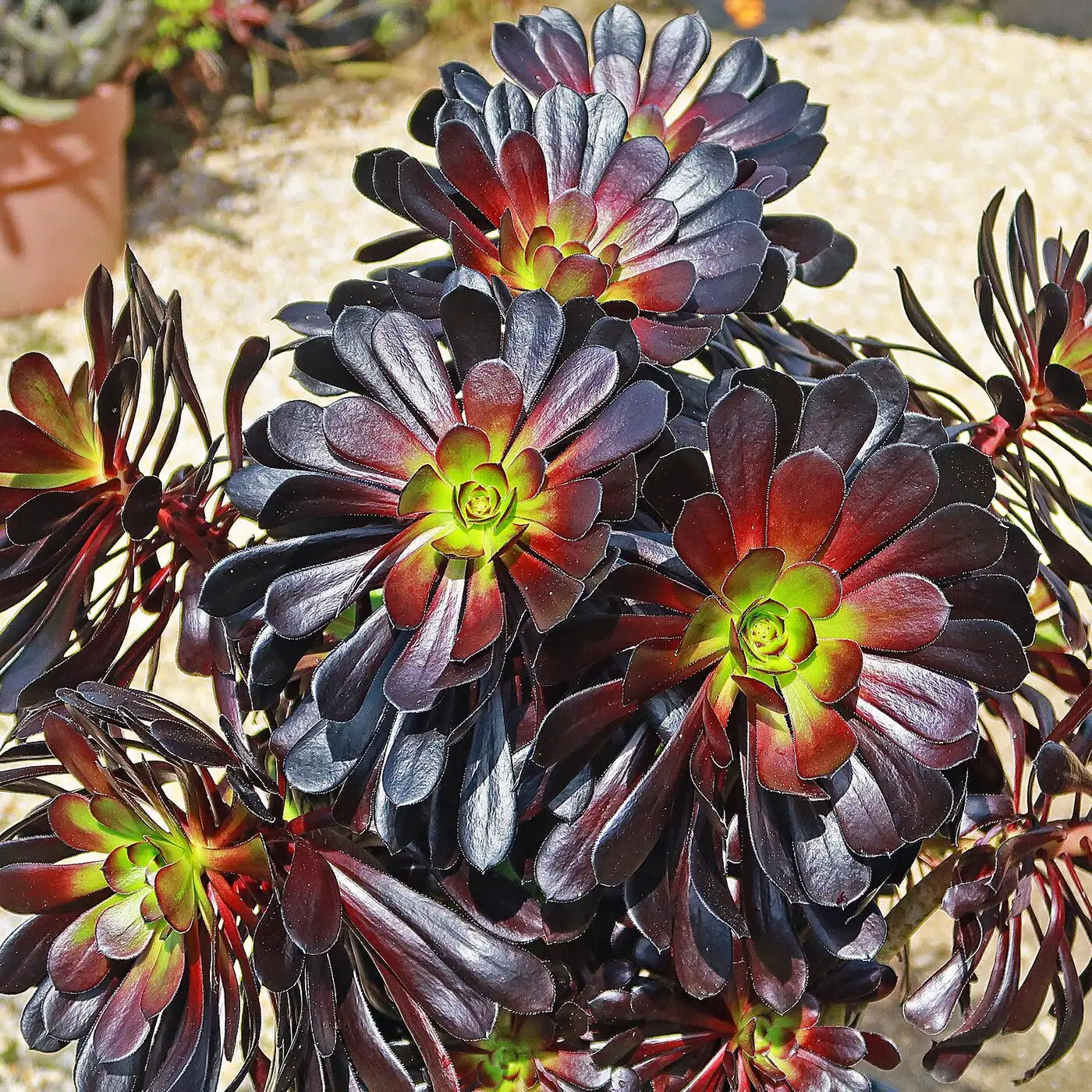
Everyday Care, Made Easy
Light
- Full sun to bright light; bright partial shade tolerated. Indoors, brightest window wins.
Watering
- Active growth (autumn–spring): Water when the top layer dries; never let it sit in water.
- Summer heat: Nearly dry, just sips if wrinkling starts.
- Winter in cool rooms: Keep on the drier side to prevent root rot.
Soil and Pot
- Fast-draining cactus/succulent mix with added grit/coarse sand/pumice. Drainage holes are non-negotiable.
Fertilizer
- Monthly at half strength in active growth windows; skip summer dormancy to avoid weak, stretched growth.
Pruning and Shaping
- Remove dried lower leaves to tidy.
- Cut back leggy stems to encourage branching; many growers rejuvenate by restarting from cuttings every 2–3 years.
Propagation
- Best by stem cuttings and offsets.
- Take a rosette with a short stem section; let the cut callus for several days.
- Set into a dry, gritty mix; begin light watering after roots form (about 3–4 weeks in good conditions).
- Seeds: Surface-sow in spring or autumn around 20–22°C (68–72°F); steady moisture and ventilation aid germination (roughly 9–14 days).
Temperature, Humidity, Hardiness
- Frost-tender; best outdoors year-round only in mild, frost-free climates (roughly USDA 10–11).
- Prefers low to average household humidity with good airflow.
Pests and Problems
- Usual suspects: Mealybugs, aphids (especially on flower stalks), whiteflies, scale.
- Biggest risk: Root/stem rot from soggy mix, low light, or cool, wet conditions. Improve light, drainage, and airflow.
- Leaf spot/rust can appear in stagnant, damp air—keep foliage dry late in the day and ventilate.
Safety
- Not listed as highly toxic, but sap may irritate sensitive skin. Keep out of reach of nibbling pets and kids; wash up after pruning if you’re sensitive.
Styling and Placement Tips
- Indoors: A dramatic anchor for sunny windows, shelves, and open-planters with silver or lime succulents for contrast.
- Outdoors (warm seasons): A sculptural focal point in patio containers; give morning sun and filtered midday light.
- Design note: It shines in open arrangements. Closed terrariums are too still and dim for peak performance.
Troubleshooting: Fast Fixes
- Rosettes turning green and stretching: Increase light; move closer to a bright window or add grow lights.
- Scorched tips or pale patches: Too much harsh midday sun—add sheer shade or pull back from glass.
- Wrinkled leaves in heat: Normal with summer slowdown; offer a small sip if severely wrinkled, then wait.
- Mushy base or blackened center: Likely rot—unpot, remove affected tissue, re-root healthy cuttings in fresh, gritty mix.
- Pests in leaf crevices: Treat early with insecticidal soap or horticultural oil; repeat as needed.
- Color not going near-black: Boost light, ensure cooler nights if possible, reduce feeding, and avoid overwatering.
Flower Language and Modern Meaning
While there’s no ancient lore attached to this cultivar, the Black Rose Aeonium has picked up a contemporary “flower language” of resilience and bold elegance. Its glossy, near-black rosettes symbolize modern minimalism with a touch of mystery—staying stylish even in lean, bright conditions.
Fun Facts
- The same plant can read almost black in strong light but shift to burgundy or greener in shade.
- It often sprints in the cool season—opposite of many houseplants.
- Stem cuttings root readily once callused, making it an easy one to share.
- With age, it becomes a little “tree” of rosettes, living up to the “tree aeonium” nickname.
Care summary to lock in color and vigor: give it brilliant light, cool-ish nights, fast drainage, careful watering (especially light-handed in summer), and a modest feeding routine in its cool-season growth window. Do that, and your ‘Zwartkop’ will reward you with rosettes so dark they read like living black roses.