

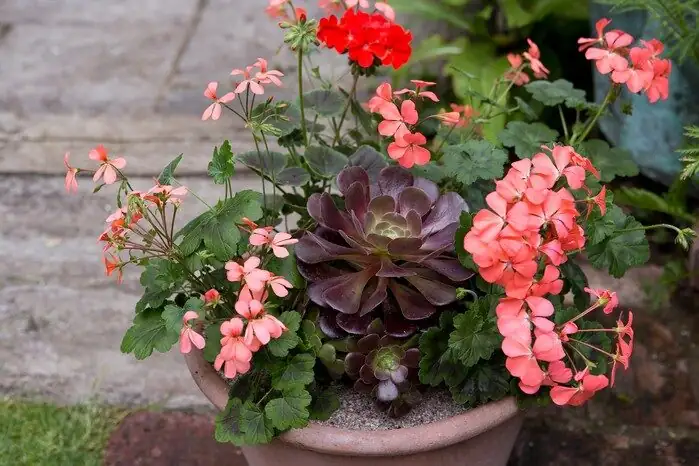
If you love drama in the garden, Aeonium arboreum ‘Zwartkop’ is your velvet-cloaked lead actor—rosettes so dark they read as black, held like bouquets atop branching, woody stems. In frost‑free Zones 10–11, it’s wonderfully easy outdoors, especially in containers you can nudge into midday shade during heatwaves, scoot out of the wind, and roll under cover for the rare cold snap. Here’s how to grow a pitch‑perfect Black Rose Aeonium that keeps its color, shape, and swagger year after year.
Meet the Black Rose Aeonium
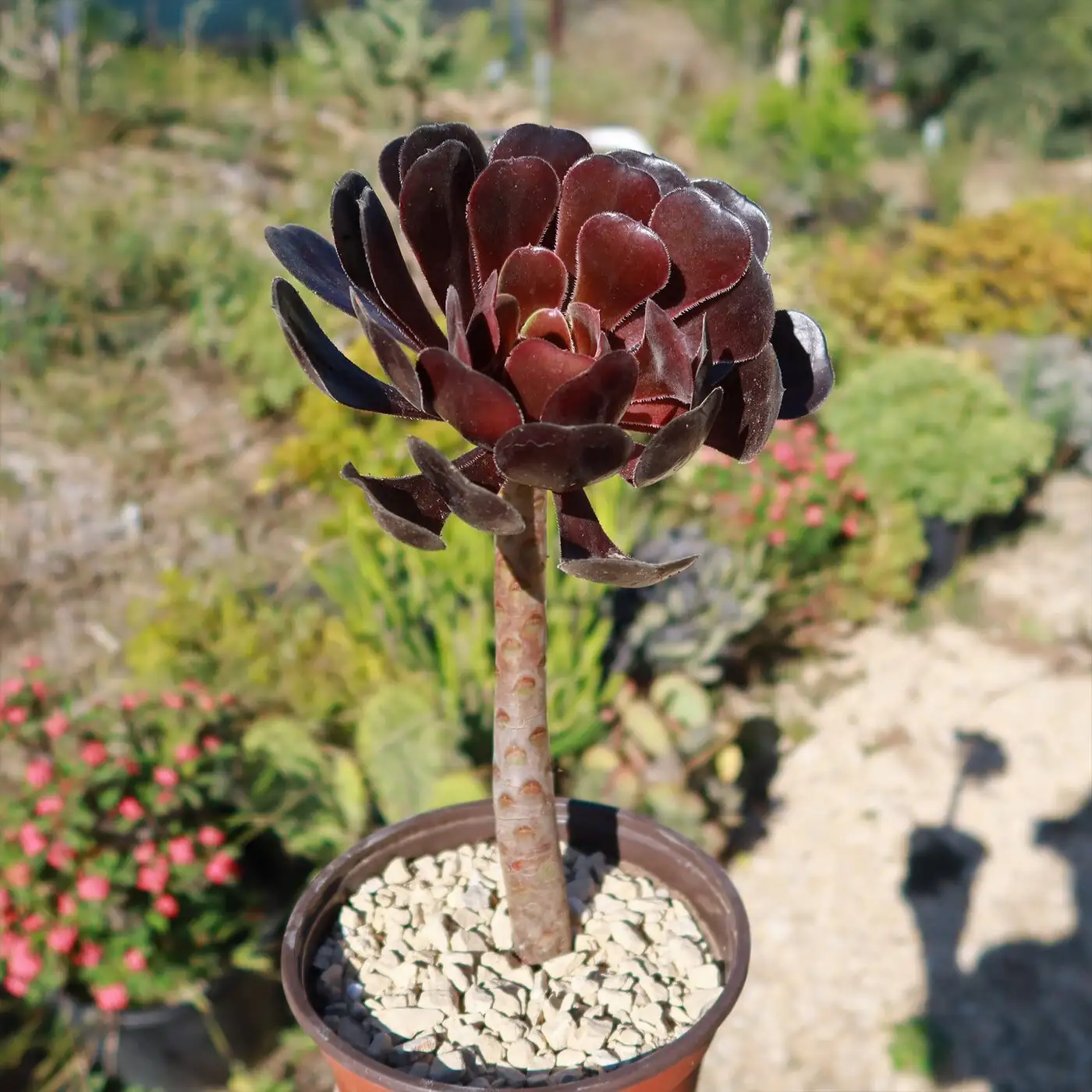
- Botanical name: Aeonium arboreum ‘Zwartkop’ (Crassulaceae)
- Also called: Black Rose, Black Tree Aeonium, Aeonium ‘Black Rose’
- Origins: A cultivated form of Aeonium arboreum, a species native to the Canary Islands (Macaronesia)
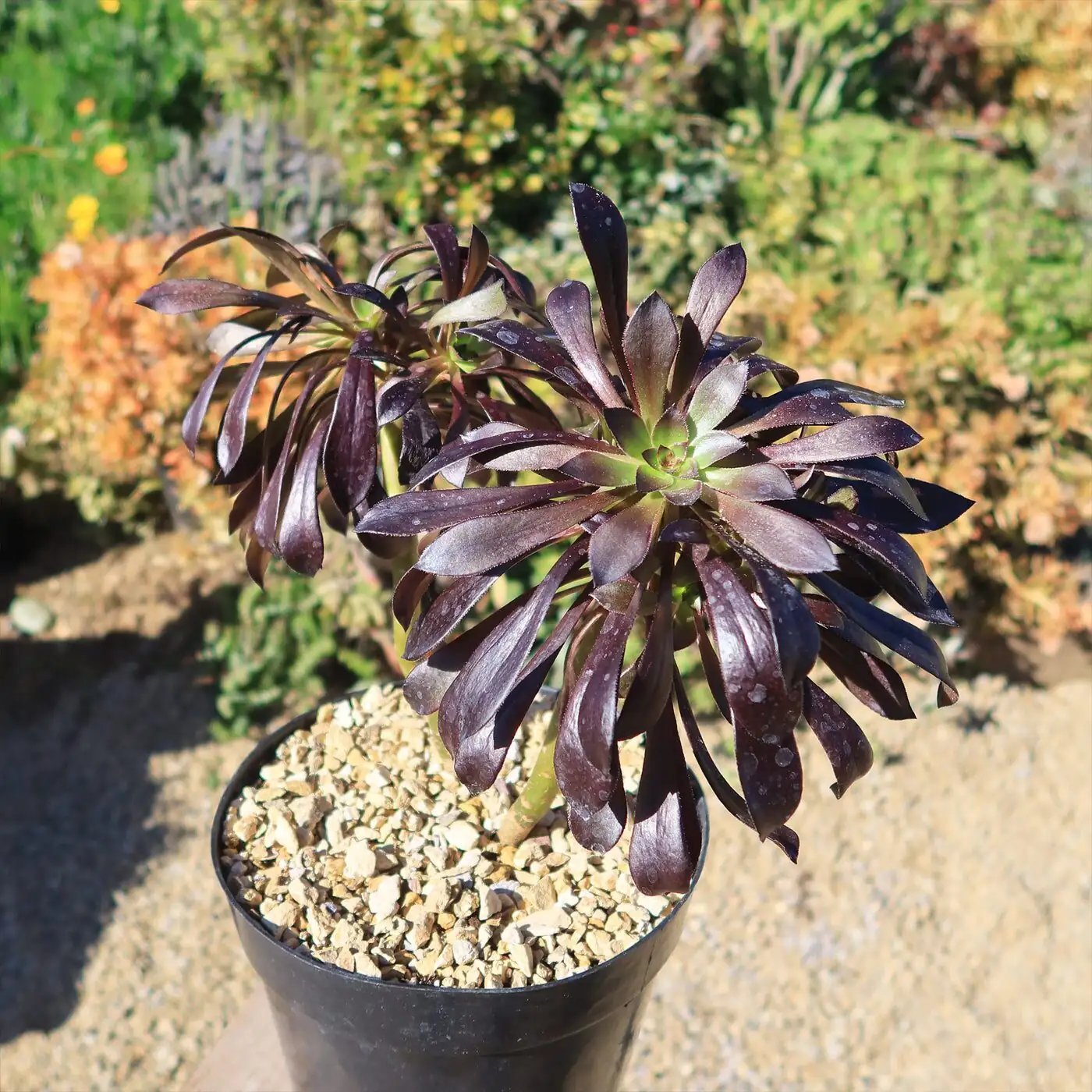
- Look: Glossy, spoon-shaped leaves form tight rosettes that turn deepest burgundy to near‑black in strong light and cooler seasons; mature rosettes may send up clusters of small, starry yellow flowers
- Habit: Upright, branching succulent; most active in the cool season (autumn–spring), slows or semi‑rests in hot summer weather
- Size: Often compact in pots when young; with time and room, can reach about 24 × 24 in (60 × 60 cm)
The Zone 10–11 outdoor game plan
‘Zwartkop’ is tender and not frost tolerant, but in Zones 10–11 it’s an outdoor natural.
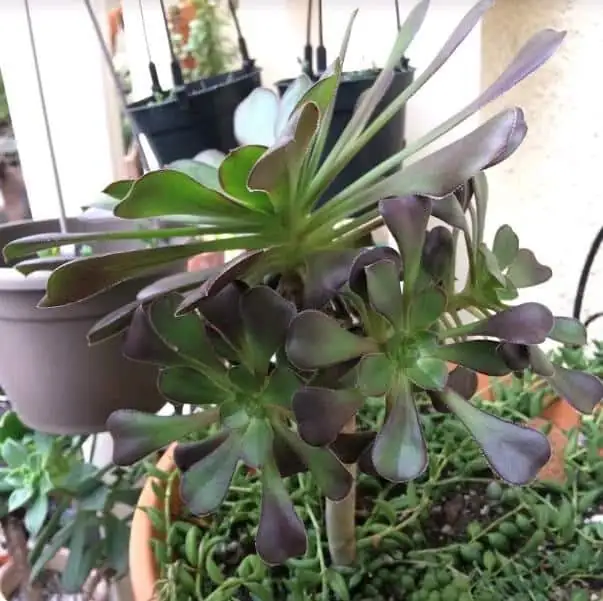
- Sun and shade: Give full sun to very bright light. In hot spells, protect from harsh midday sun to prevent scorch—morning sun with dappled afternoon light is ideal.
- Heatwave strategy: In extreme heat, aim for midday shade using 30–40% shade cloth, a pergola’s dapple, or a bright east exposure.
- Temperature: Sweet spot is roughly 50–75°F (10–24°C), with strong growth around 68–77°F (20–25°C). Keep it frost‑free; as nights approach 43°F (6°C), be ready to shelter.
- Air and humidity: Loves bright, breezy, low‑to‑average humidity conditions with good airflow.
Container-first success (and why it’s easier)
Containers let you fine‑tune light, drainage, and wind exposure—and make quick moves before a heatwave or chilly night.
Pots that perform
- Choose pots with generous drainage holes.
- Heavier containers (terra‑cotta, cement, or ceramic) anchor tall, top‑heavy rosettes in windy spots.
- Size guide: Small plants look great in 12–15 cm (4.7–6 in) pots; step up only one size when repotting.
Gritty, airy mixes that keep roots happy
Fast drainage is non‑negotiable. Aim for a succulent/cactus base cut with extra mineral grit for airflow:
- Recipe A (light and fast): 1 part high‑quality potting mix + 1 part pumice + 1 part coarse sand or 3–6 mm grit
- Recipe B (durable/mineral‑leaning): 2 parts pumice or lava rock + 1 part succulent mix
- Recipe C (balanced): 2 parts succulent mix + 1 part perlite + 1 part small gravel
Tips:
- Top‑dress with gravel to keep necks dry and add weight against wind.
- In summer heat or cool winter rooms, keep the mix on the drier side.
Midday shade and wind protection: small moves, big payoffs
- Midday shade on demand: Park the pot where the plant gets morning sun, then light afternoon shade. A clip‑on shade cloth or moving it under a patio table during heatwaves works wonders.
- Wind smarts: In exposed balconies or coastal breezes, rosettes act like sails. Use:
- A sheltered nook near a wall or railing
- Heavier pots and gravel top‑dressings
- Discreet staking of lanky stems
- Grouping containers to create a living windbreak
Watering that matches its rhythm
Aeoniums flip the usual succulent script: they thrive in the cool season and rest in the peak of summer.
- How to water: Water deeply until excess drains; never leave the pot standing in water. Let the top layer dry before watering again.
- Seasonal cadence in Zones 10–11 (adjust for pot size, wind, and exposure):
- Autumn–spring (main growth): about every 7–14 days when the surface dries
- Early summer shoulder season: every 10–21 days, watching the weather
- Peak summer heat/semi‑dormancy: keep almost dry; offer small “sips” only if rosettes begin to wrinkle—often every 3–4 weeks is enough
- Cool winter nights: go easy; the cooler the nights, the slower the drinking
- Red flags:
- Overwatered: mushy stems, blackened centers, persistent wet mix
- Underwatered: prolonged wrinkling with very lightweight pot (respond with a thorough drink, then resume the seasonal rhythm)
Feeding and grooming
- Fertilizer: During active growth (winter through late spring and/or spring and autumn), feed monthly at half strength with a balanced or low‑nitrogen succulent fertilizer. Skip summer dormancy.
- Pruning: Remove papery lower leaves. If a rosette flowers and declines, wait for it to dry, then remove it—side rosettes keep the show going.
- Shaping: Cut back leggy stems in spring to encourage branching; you can re‑root the cuttings.
A simple seasonal calendar for Zones 10–11
- Autumn–spring: Bright light to sun; water when the surface dries; monthly half‑strength feed; light shaping and pest checks
- Early spring: Possible yellow, starry blooms on mature rosettes; remove spent rosettes after they dry
- Spring: Best time to repot, tidy basal leaves, and take cuttings
- Summer: Provide midday shade during heatwaves; drastically reduce water to occasional sips; excellent time to move pots out of strong wind
Overwintering made easy (yes, even in 10–11)
Most winters are a breeze, but be ready for the outlier cold snap.
- When nights near 43°F (6°C): Move containers under eaves, onto a bright porch, or just inside a bright doorway or sunroom.
- Frost alert: Use frost cloth or bring pots in overnight; return outside once temperatures rebound.
- Pro tip: Keep a rolling caddy under large pots, and water a few days before a planned move so the container isn’t at its heaviest.
In-ground or balcony?
- In-ground: Works in truly frost‑free pockets with sharp drainage (raised mounds or gravelly berms). Still plan for afternoon shade during heatwaves.
- Containers: Best control over drainage, wind, light, and easy seasonal tweaks—often the winning formula for showpiece rosettes.
Quick propagation (because you’ll want more)
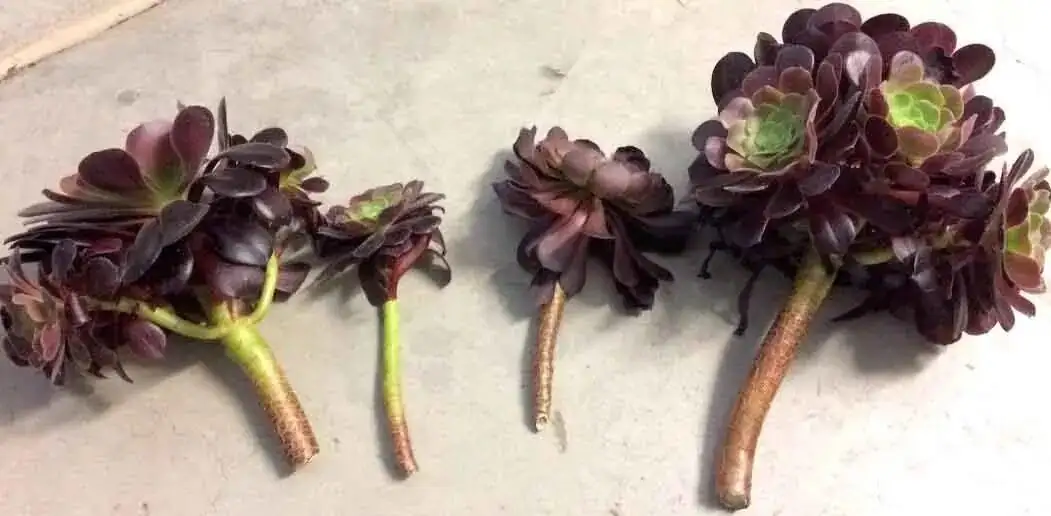
- Stem cuttings: Take a healthy rosette with a short stem. Let the cut end callus for several days, then place in a dry, gritty mix. Begin light watering after roots form (about 3–4 weeks in good conditions).
- Offsets: Pot up side rosettes as they develop for instant mini ‘Zwartkops’.
- Seeds: Surface‑sow in spring or autumn around 68–72°F (20–22°C); steady moisture and ventilation help germination in 9–14 days.
Troubleshooting: keep it glossy and dark
- Color going green or rosettes stretching: Needs more light. Shift to brighter exposure (introduce sun gradually).
- Leaf scorch (white or brown patches): Too much intense midday sun during heat; add shade during peak hours.
- Rot at base or center: Overwatering or soggy mix, especially in cool weather—improve drainage, extend dry time between waterings, and boost airflow.
- Pests: Mealybugs, scale, aphids (often on flower stalks), and whiteflies. Treat early with insecticidal soap or horticultural oil; repeat as needed.
Safety note
Not considered highly toxic, but the sap can irritate sensitive skin. Keep out of reach of pets and children, and wash hands after pruning.
Meaning and mood
Gardeners often link Black Rose Aeonium with resilience and bold, modern elegance. Its near‑black rosettes hold their sculptural poise through dry spells and shifting seasons—a living emblem of strength meeting style.
—
With a gritty mix, moveable shade, a wind‑savvy perch, and a watering rhythm that respects its cool‑season growth and summer siesta, ‘Zwartkop’ becomes one of the easiest statement plants you can grow outdoors in Zones 10–11. Once you see those inky rosettes gleam in morning sun, you’ll wonder how your patio ever went without them.