

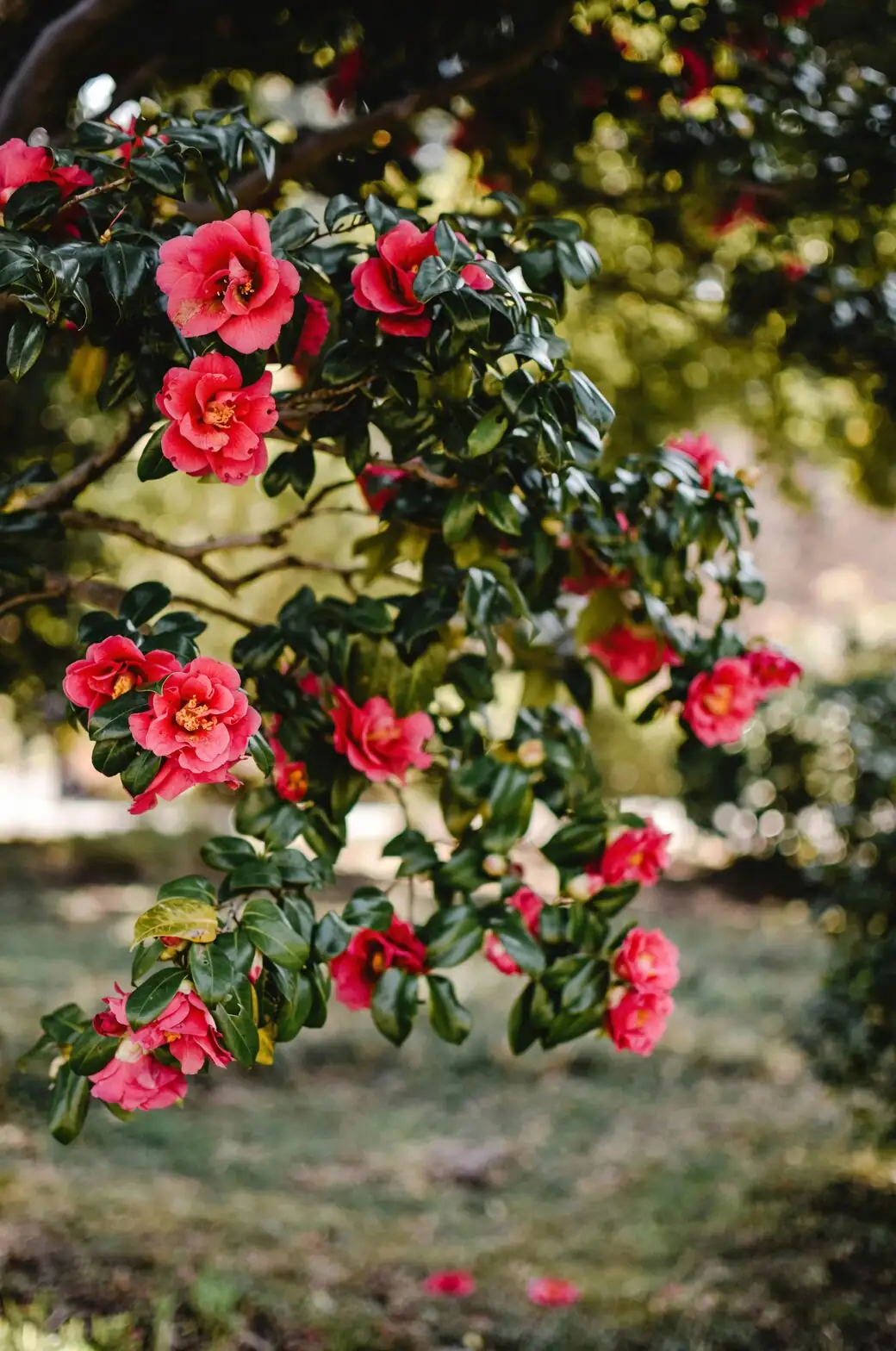
Think of Sasanqua camellia as the cool-season headliner that only needs a smart stage crew to shine in any weather. When heat waves glare down at midday, you drop the 50% shade cloth, mulch the “feet,” and water in the morning. When fickle winter flings a sudden freeze, on go the frost cloths, the windbreaks go up, and container plants roll to safety. Here’s your weatherproofing playbook—simple, reliable moves that keep Camellia sasanqua flowering gracefully from autumn into winter.
Meet the plant
- Botanical name: Camellia sasanqua (Family: Theaceae)
- Origin: Japan
- Evergreen, densely branched shrub with glossy deep-green leaves
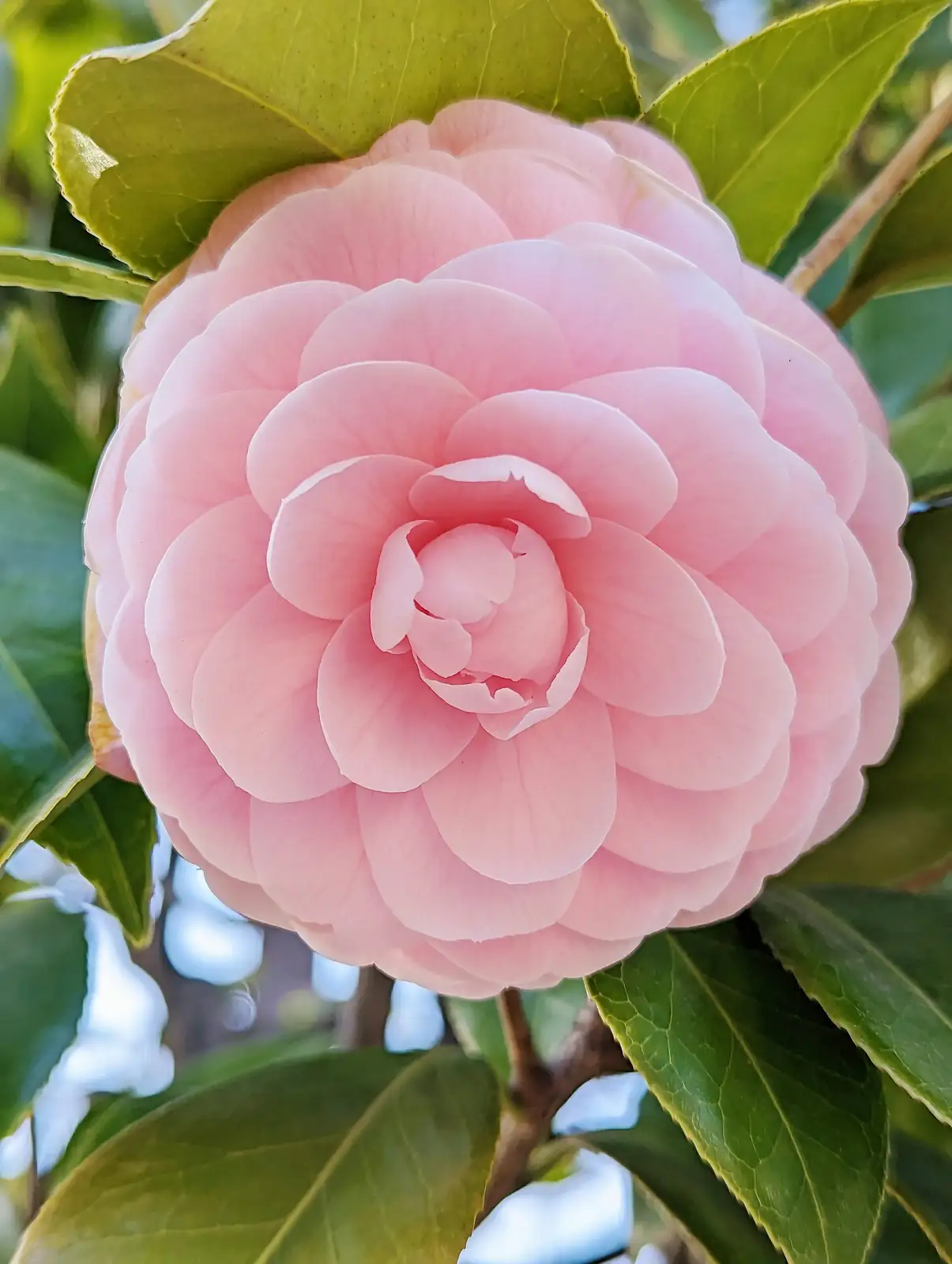
- Flowers: Single to semi-double, white/pink/red, often lightly fragrant
- Flowering season: Autumn to winter (roughly October–January)
- Size: Typically 1.5–5 m tall and 1.5–4 m wide (varies by cultivar and pruning)
- Best uses: Hedges, specimen shrubs, patio containers, and even bonsai-style training
- Hardiness: Generally USDA Zones 7–9 (varies by cultivar)
Light and placement
- Outdoors: Bright light to full sun. In hot summers, protect from harsh midday sun; ~50% shade cloth (half-day filtered light) is ideal in warm regions.
- Partial shade is tolerated and can help buds hold in hot climates.
- Indoors (short-term display): Place in an extremely bright south- or east-facing window in a cool, ventilated room. Keep away from heating/AC vents and drying drafts.
Soil and moisture sweet spot
- Soil: Moist but well-drained, slightly acidic mix. For containers, use leaf mold/composted bark + peat (or substitute) + coarse sand/grit.
- Watering rhythm:
- Summer: Water thoroughly for even moisture (about once daily; in very hot spells, morning plus a light evening check if needed).
- Winter: Water about every 3–5 days, ideally around midday on a mild, bright day. Never let the soil become bone-dry or waterlogged.
- Humidity: Prefers moderately high humidity (around 70–80%) with good airflow; a light, occasional mist is fine except in the coldest months.
The weatherproofing playbook
Part 1: Heat and harsh midday sun
- Deploy 50% shade cloth at midday
- Hang or hoop 50% shade cloth to filter the sun during peak hours. Aim for dappled, half-day light. Remove or roll back once temperatures ease to encourage sturdy growth and bud set.
- Mulch like a pro
- Lay 5–8 cm (2–3 in) of organic mulch (pine needles, shredded bark) over the root zone, keeping it a few centimeters off the trunk. Mulch evens soil temperatures and slows evaporation.
- Water in the morning
- A deep morning soak hydrates roots before heat arrives and reduces stress that leads to leaf scorch and bud drop. In extreme heat (prolonged above 38°C / 100°F), check soil again at dusk and top up only if the mix is drying.
- Keep the roots cool in containers
- Choose light-colored pots, use pot feet for drainage and airflow, and consider double-potting (cachepot style) to insulate roots from radiating heat.
- Bud care in heat
- Prolonged temperatures above 38°C (100°F) can scorch developing buds and leaves. Prioritize even moisture and midday shade; avoid waterlogging.
Part 2: Sudden freezes and winter wind
- Wrap with breathable frost cloths
- Before a hard freeze, drape a breathable frost cloth over the canopy, securing it to the ground to trap radiant heat. Avoid plastic touching foliage; if you must use plastic as an outer layer, keep a fabric layer between plastic and leaves.
- Break the wind
- Erect temporary windbreaks (burlap, shade cloth on stakes) on the windward side. Winter wind desiccates buds and leaves; calmer air preserves flower quality.
- Move containers to safety
- Containers are more vulnerable than in-ground plants. For cold snaps, roll them to a sheltered, bright spot—an unheated porch, garage, or cold frame kept around 3–6°C (37–43°F) is excellent. Good light and cool temperatures keep buds intact and blooms long-lasting.
- Water before a freeze, mulch the root zone
- Moist soil holds heat better than dry soil. Water thoroughly the day before a freeze, then add or refresh mulch to insulate roots. Do not waterlog.
- Morning sun caution after frost
- After a freezing night, sudden, direct early sun can cause leaf and petal damage. Let plants thaw gradually in filtered light if possible.
Year-round care, tuned for performance
Feeding for flowers
- March–September: Fertilize every 2 weeks with a balanced feed (e.g., 20-20-20) or an organic liquid fertilizer.
- May: One application of 0.2% monopotassium phosphate can help with bud initiation.
- October: Add an extra phosphorus-forward feed to support strong flowering.
Pruning and shaping
- After flowering: Remove spent blooms, dead/diseased wood, and leggy shoots to keep the shrub full.
- Early summer: Light shaping prune.
- Late summer: Thin crowded buds (often leaving about one bud per shoot) for larger, better-quality blooms.
Repotting (containers)
- Timing: Repot after flowering.
- Frequency: Young plants every 2 years; mature specimens every 3–4 years.
- Typical pot sizes: 15–20 cm (6–8 in) for young plants; 20–30 cm (8–12 in) for mature.
- Refresh the mix, trim dead/rotten roots, and ensure sharp drainage.
Propagation
- Semi-ripe cuttings in early summer (5–10 cm/2–4 in), with warmth, humidity, and shade; rooting in ~4–6 weeks.
- Grafting (late spring to early summer), often onto Camellia oleifera.
- Spring air-layering is also effective.
Placement and temperature guide
- Best growth: 18–25°C (64–77°F).
- Cold tolerance (in-ground): Short spells down to about -10°C (14°F), depending on cultivar and exposure.
- Container overwintering: Cool is best—about 3–6°C (37–43°F).
- For indoor bloom display: A cool 8–10°C (46–50°F) helps flowers last longer.
Troubleshooting: pests and diseases
- Anthracnose: Gray-white circular or irregular leaf spots (often near margins). Remove infected leaves, improve airflow, avoid wetting foliage late in the day; use an appropriate fungicide if severe.
- Scale and aphids: Common indoors or in still air; look for curling/yellowing leaves and sticky honeydew that can lead to sooty mold. Treat with horticultural oil or insecticidal soap and increase light/ventilation.
Indoors for the show
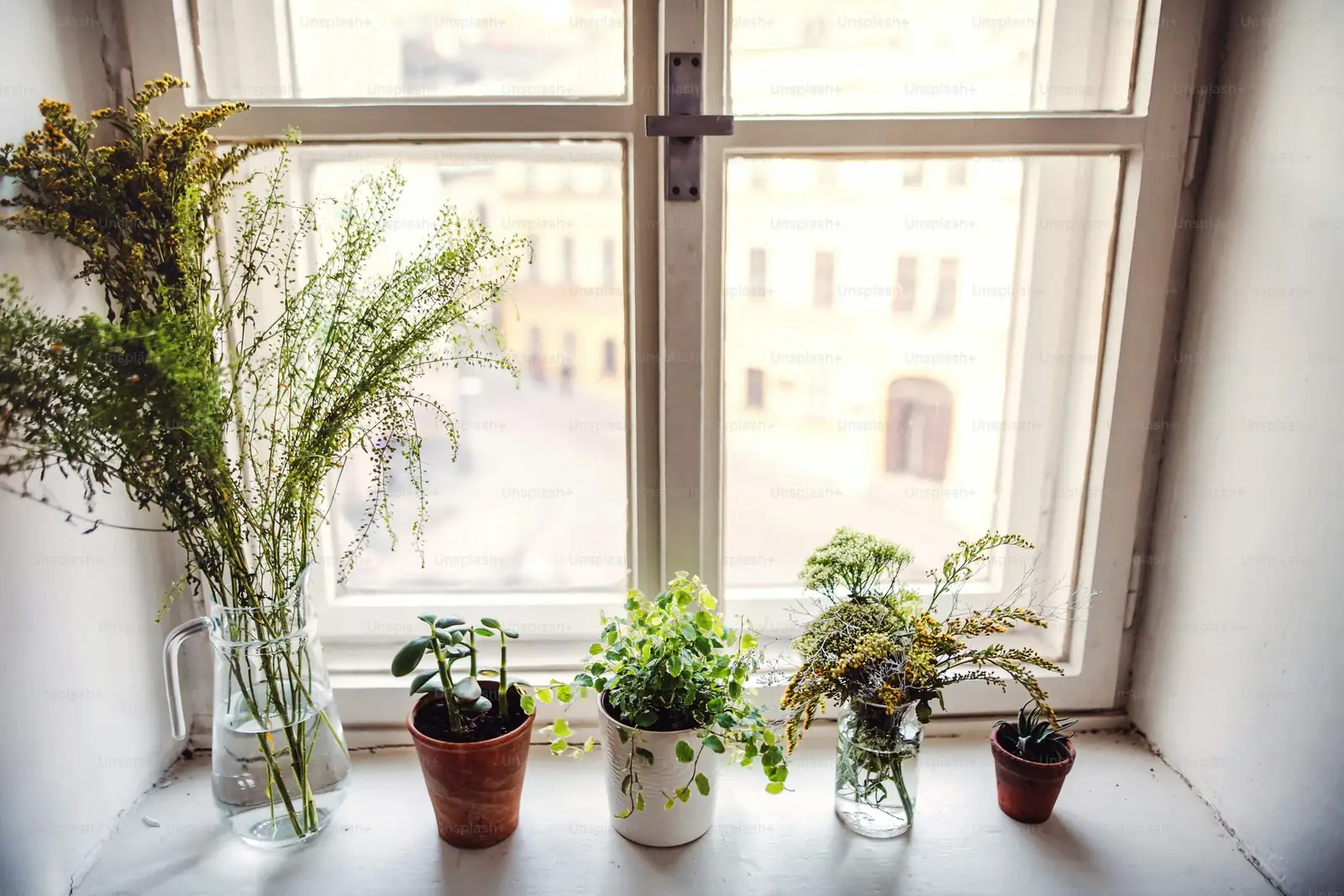
- For short-term indoor display while blooming, give extremely bright light, keep cool at ~8–10°C (46–50°F), and maintain even moisture. Shield from vents and drafts to prevent bud drop.
Quick seasonal checklist
Spring–Summer
- Light: Bright; add 50% shade cloth in hot regions for midday protection.
- Water: Evenly moist; deep morning watering during hot spells.
- Feed: Every 2 weeks March–September; optional 0.2% monopotassium phosphate in May.
- Prune: Early summer light shaping. Take semi-ripe cuttings.
Late Summer–Autumn
- Thin buds for quality.
- October: Phosphorus-forward feed. Watch for heat spikes and keep the shade cloth handy.
- Mulch and site prep for winter.
Winter
- Flowering continues. Water every 3–5 days around midday on mild, bright days.
- For freezes: Frost cloths, windbreaks, pre-freeze watering, and move containers to 3–6°C (37–43°F) if possible.
Safety and symbolism
- Toxicity: Generally considered non-toxic to people and pets; chewing may cause mild stomach upset in sensitive animals.
- Flower language (hanakotoba-inspired): Sasanqua camellias are often associated with admiration, grace, and refined beauty—virtues amplified by their timing. They bloom as the year quiets, becoming a symbol of understated strength and elegance. Historically in Japan, camellias carry layered meanings across species and colors; for sasanqua, the delicacy of petals paired with a resilient evergreen structure offers a poetic contrast: gentleness without fragility.
Buying smart
- Choose a dense, well-shaped plant with glossy leaves and about half buds/half open flowers. Avoid yellowing foliage or leaf spots.
- After purchase, keep very bright and cool (8–10°C / 46–50°F), evenly moist, and away from heating/AC vents.
Mini-FAQ
- Why did my plant drop buds indoors?
- Usually a mix of uneven watering, dry air, low light, poor ventilation, pests, or temperature swings from vents/heaters. Keep it bright, cool, evenly moist, and well ventilated.
- What’s the simplest heat strategy?
- Morning watering, 5–8 cm mulch, and a 50% shade cloth over midday. That trio prevents most heat-related stress.
With this weatherproofing playbook—midday shade cloth, mulch, and morning watering for the heat; frost cloths, windbreaks, and quick container relocation for sudden freezes—your Sasanqua camellia will carry the garden through autumn and winter with glossy leaves and graceful, fragrant blooms.