

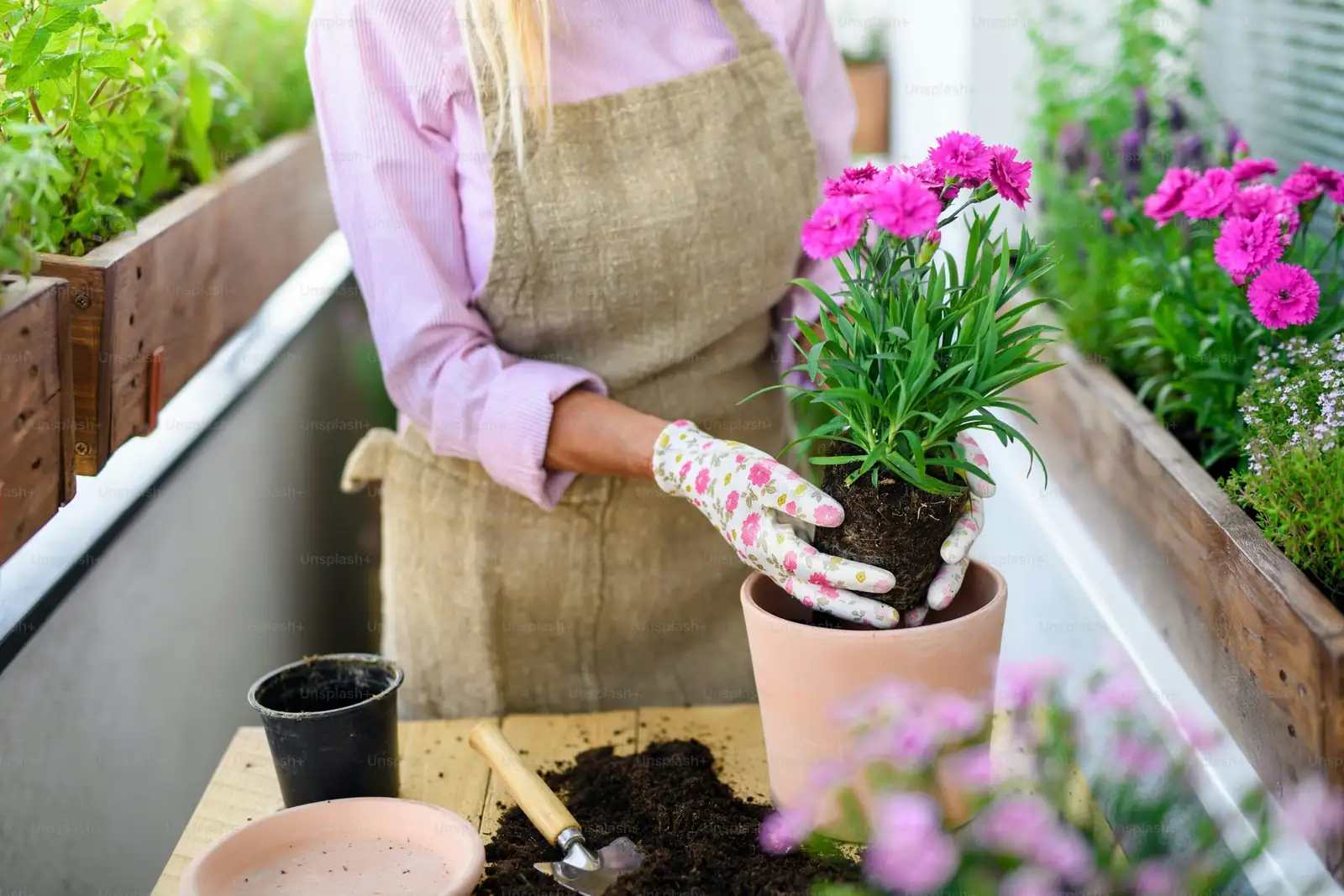
Sasanqua camellia is the cool-season showoff your containers have been waiting for—an evergreen with glossy polish and a flurry of autumn-to-winter flowers just when patios and balconies start to go quiet. Treat it like a VIP houseguest, not a full-time houseplant: grow it outdoors in a bright, sheltered spot, bring it indoors only for a brief, cool display, and keep its roots in a smart, acidic, free-draining mix. Do that, and you’ll have a living lantern from October to January.
Meet Sasanqua Camellia (Camellia sasanqua)
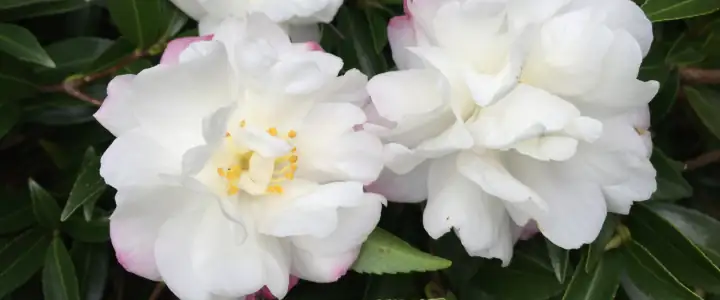
- Origin: Japan; family Theaceae; genus Camellia
- Habit: Evergreen, naturally dense branching; rounded to upright
- Size: Typically 1.5–5 m tall and 1.5–4 m wide in the ground, smaller in containers
- Foliage: Deep green, glossy leaves that look groomed year-round
- Flowers: White, pink, or red; single to semi-double; often lightly fragrant
- Bloom season: Autumn to winter (roughly October–January)
- Uses: Specimen shrub, hedge, patio pot, bonsai-style training; seasonal indoor display when kept cool and bright
The Container-First Blueprint
Pot and Drainage: Keep It Snug, Not Stressed
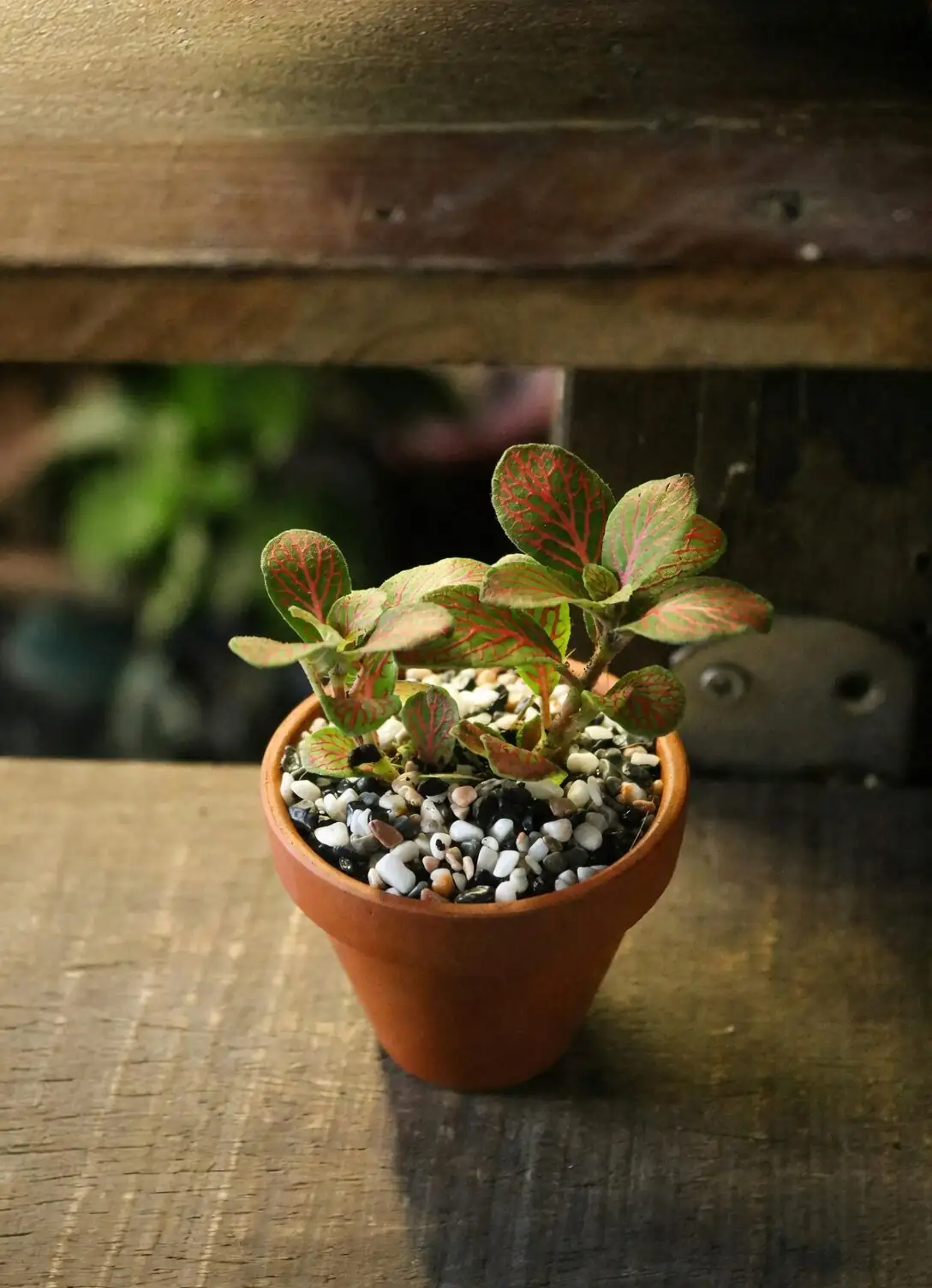
- Choose a container just a few inches wider than the current rootball with generous drainage holes.
- Pot feet or a stand prevent water from pooling under the pot.
- Young plants do well in 15–20 cm (6–8 in) pots; established specimens in 20–30 cm (8–12 in).
- Terracotta breathes and helps avoid sogginess; glazed pots hold moisture longer—adjust watering accordingly.
The Mix: Acidic Bark/Peat/Grit That Mimics a Forest Floor
Aim for a slightly acidic, moisture-retentive but free-draining blend:
- 2 parts composted bark or leaf mold
- 1 part peat or a peat alternative (e.g., coco peat)
- 1 part coarse grit or sharp sand (you can fold in some perlite for extra porosity)
This combination holds steady, even moisture around fine feeder roots while shedding excess water—exactly what camellias want.
Light: Bright to Full Sun, With a Midday Filter in Heat
- Outdoors: Bright light to full sun; in hot summers, protect from harsh midday sun. In warm regions, half-day filtered light (about 50% shade) prevents bud scorch.
- Indoors (temporary display): Park it at an extremely bright south- or east-facing window. Dim rooms mean weak growth and poor bud set later.
Watering: Even Moisture, Never Soggy
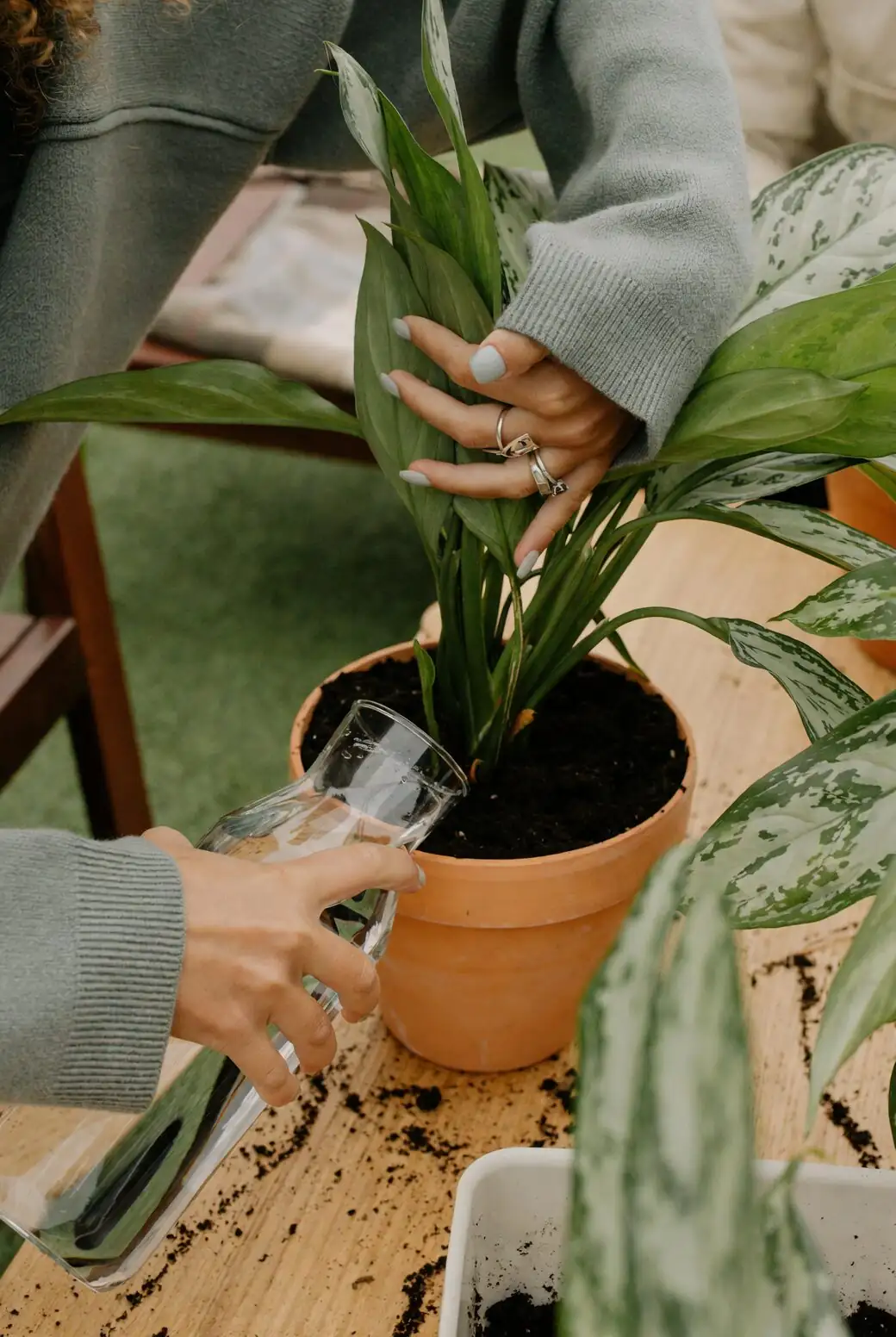
- Water thoroughly each time and let excess drain freely. Do not let the pot sit in a saucer of runoff.
- Keep the mix evenly moist—not wet, not dry. Drought or waterlogging, especially in winter, triggers leaf/bud drop.
- Summer rhythm: Often daily, even morning and evening during hot spells.
- Winter rhythm: About every 3–5 days, ideally midday on a mild bright day.
- Humidity: Prefers moderately high humidity (around 70–80%). Outside of winter, a light weekly mist can help—always with good airflow.
Pro tip: Feel for moisture 3–5 cm down rather than judging by the surface. The top crust can dry fast while the root zone still holds water.
Feeding: Fuel the Bud Factory
- March–September: Feed every 2 weeks with a balanced fertilizer (e.g., 20-20-20) or an organic liquid feed.
- May: One application of 0.2% monopotassium phosphate can encourage bud initiation.
- October: A phosphorus-forward feed supports strong flowering.
- Skip heavy feeding in winter.
Temperature: Cool Is King
- Best growth: 18–25°C (64–77°F).
- Overwintering containers: A steady 3–6°C (37–43°F) is ideal; this cool rest protects buds and keeps plants compact.
- Indoor bloom display: A crisp 8–10°C (46–50°F) prolongs flowering.
- Heat caution: Prolonged heat above 38°C (100°F) can scorch buds and leaves—offer shade and vigilant watering.
- Draft avoidance: Indoors, keep away from heating/AC vents and drying drafts; cool and stable beats warm and gusty.
Hardiness and Placement
- Generally hardy in USDA Zones 7–9 (varies by cultivar).
- Place containers on a bright, sheltered patio or balcony with good ventilation and protection from hot, drying sun.
The Seasonal Playbook
Spring to Early Summer (Grow and Shape)
- Temperature: 18–25°C sweet spot.
- Feed every 2 weeks (March–September).
- After flowering, prune to remove spent blooms, dead/diseased wood, and any legginess. A light shaping prune in early summer keeps the canopy dense.
Late Summer (Set Up the Show)
- Thin crowded buds—often one per shoot—for larger, better-quality flowers.
- Maintain even moisture and bright light; shield from harsh midday sun in heat.
Autumn to Winter (Curtain Up)
- October: Give a phosphorus-forward feed.
- Flowering begins; keep soil evenly moist and avoid waterlogging.
- For containers, overwinter best at 3–6°C.
- For short indoor display, shift to a very bright, cool window at 8–10°C. Return outdoors (cool, sheltered) once the show winds down.
Repotting: The Smart Schedule
- Timing: Repot after flowering.
- Frequency: Young plants every 2 years; mature specimens every 3–4 years.
- How-to:
- Gently lift and inspect roots; trim only dead/rotten sections.
- Refresh into the acidic bark/peat/grit mix with strong drainage.
- Set the crown at the same depth; do not bury stems.
- Water thoroughly and drain; keep evenly moist as roots re-establish.
- Between full repots, top-dress yearly: remove the top 2–3 cm of old mix, replace with fresh.
Indoors—Only as a Guest, Not a Tenant
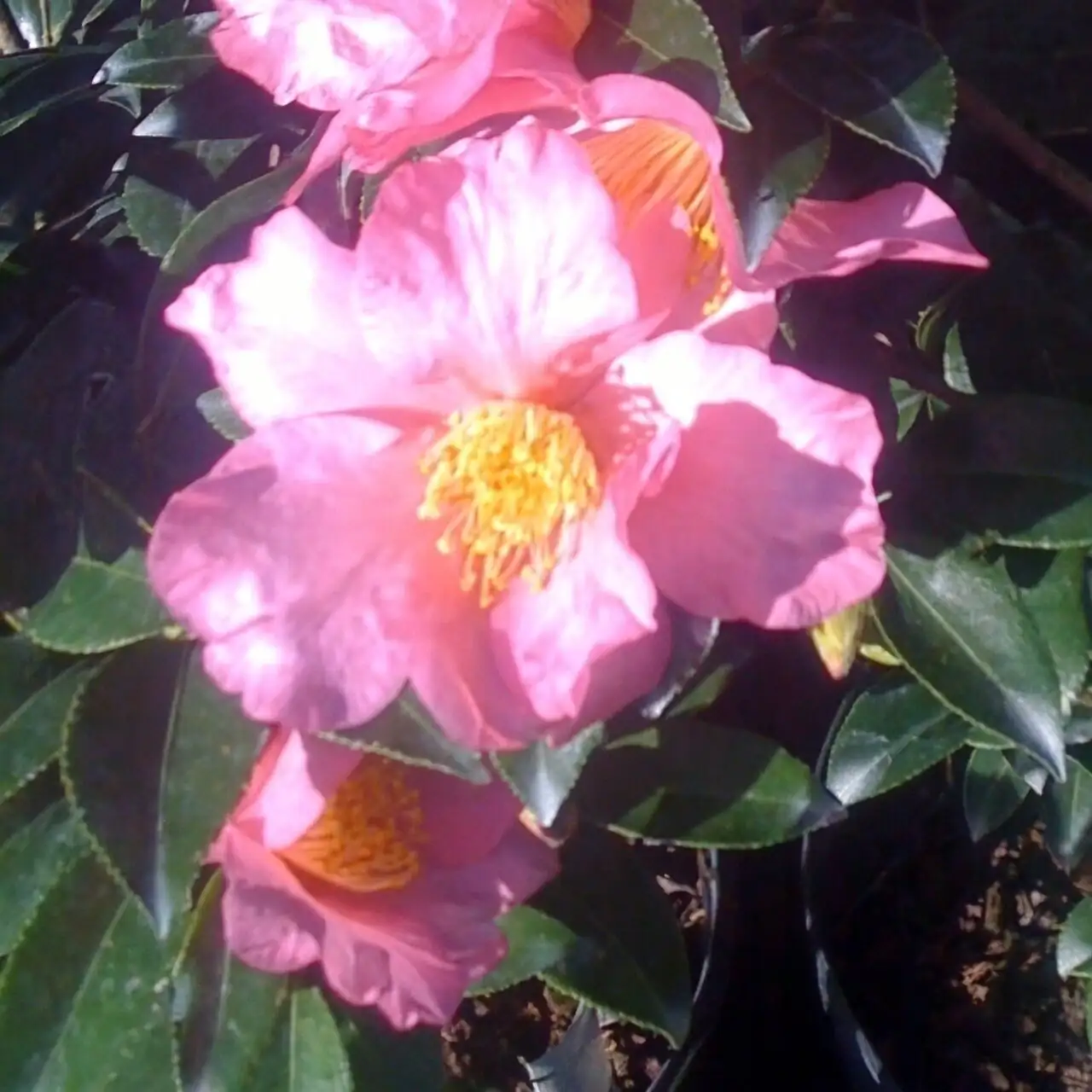
Sasanqua camellias aren’t houseplants. They’ll tolerate a short indoor engagement if you give them:
- A very bright window in a cool room (8–10°C).
- Even moisture, no soggy feet.
- Space away from heaters and vents.
- Good ventilation without cold or hot blasts.
After blooming, escort them back outdoors to a cool, bright, sheltered perch so they can rest and reset.
Styling and Pruning
- After flowering, snip off spent blooms to keep things neat.
- Remove weak, crossing, or congested shoots; open the canopy for light and airflow.
- A light summer touch-up maintains shape. Compact forms and fine branching also make sasanqua a willing bonsai candidate.
Troubleshooting: Stop the Bud-Drop Blues
Common causes and quick fixes:
- Uneven watering (too dry/too wet): Recommit to thorough, even moisture with perfect drainage.
- Dry indoor air or low light: Keep cool and very bright; add humidity with nearby trays and airflow.
- Temperature swings or drafts: Park it away from vents and slamming doors; steady beats swingy.
- Pests (scale, aphids) and sooty mold: Increase light/ventilation; treat with horticultural oil or insecticidal soap.
- Anthracnose (gray-white spots): Remove infected leaves, improve airflow, avoid late-day leaf wetting; use a suitable fungicide if severe.
Safety and Companions
- Toxicity: Generally considered non-toxic to people and pets, though nibbling may cause mild stomach upset in sensitive animals.
- Companions for containers: Pair with heucheras, ornamental ferns, and trailing ivy to echo that glossy green and frame the blooms without competing for the spotlight.
Flower Language and Meaning
Camellias—especially those that bloom with grace in the year’s quiet months—have long been linked with admiration, grace, and refined beauty. These meanings arose from the plant’s elegant symmetry and its habit of flowering when little else does, a natural metaphor for composed strength and poise. As with most “flower language,” interpretations vary by culture and era, so treat them as poetic shorthand rather than strict rules; still, gifting a sasanqua in winter carries a clear message of esteem and quiet elegance.
Quick-Start Checklist (Container-First Strategy)
- Mix: Composted bark/leaf mold + peat (or substitute) + coarse grit/sand.
- Pot: Just upsized, excellent drainage, on pot feet.
- Light: Bright to full sun outside; protect from harsh midday sun in heat; extremely bright window for short indoor displays.
- Water: Even moisture, never soggy; summer often daily; winter every 3–5 days midday.
- Humidity: Aim for moderately high; light weekly mist outside winter, plus airflow.
- Temperature: Overwinter cool at 3–6°C; indoor bloom display at 8–10°C; avoid hot drafts.
- Feeding: Every 2 weeks March–September; May 0.2% MKP; October phosphorus-forward feed.
- Pruning: After flowering; light shape in early summer; thin buds in late summer.
- Repotting: After bloom; young every 2 years, mature every 3–4; refresh top layer annually.
- Placement: Bright, sheltered patio/balcony; indoors briefly and only in a cool, bright room.
Follow this cool, bright, and even-moisture playbook, and your Sasanqua Camellia will repay you with a long, lustrous, autumn-to-winter performance—year after year.