

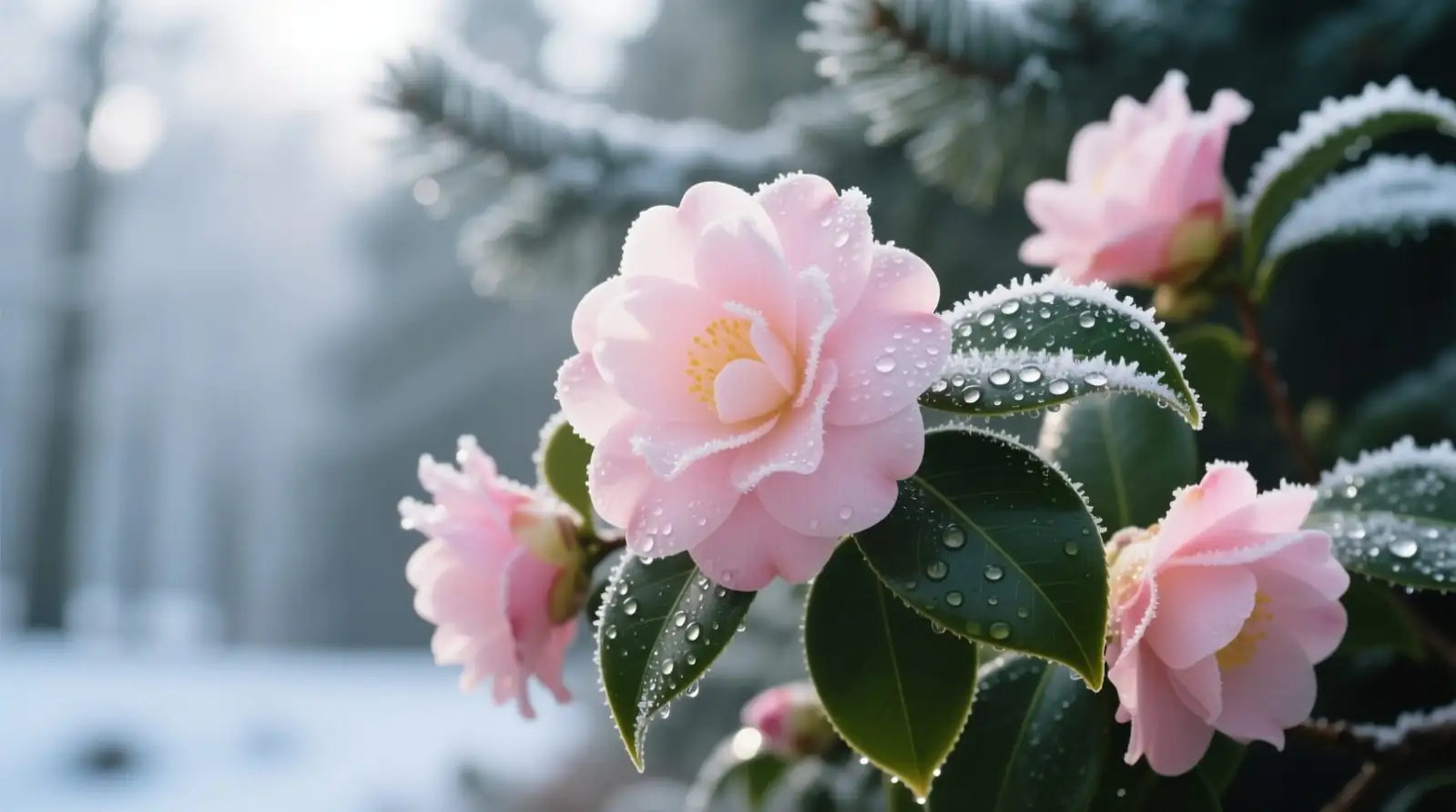
When most of the garden has folded into winter’s quiet, Sasanqua Camellia steps forward—never loudly, always with poise. Its lightly fragrant blooms open from autumn into the cold months, scattering soft petals like confetti on frost. That wintry grace shaped how Japan read the plant in hanakotoba (the language of flowers): a message of modest beauty that endures. From there, its meaning crossed into Chinese huayu (花语), and today it’s an elegant choice for gifts, front doors, and even feng shui zones that ask for calm, wood-toned vitality.
Meet Sasanqua Camellia (Camellia sasanqua)
- An evergreen shrub native to Japan, admired for a long display from autumn to winter (often October to January).
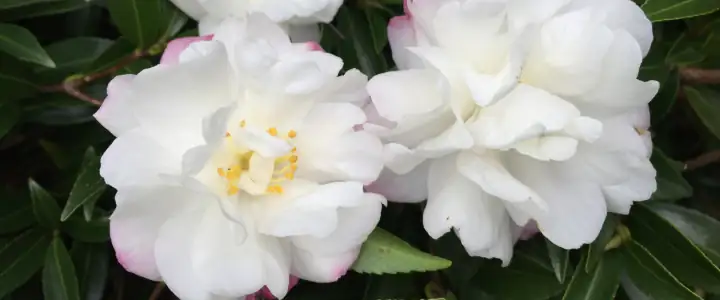
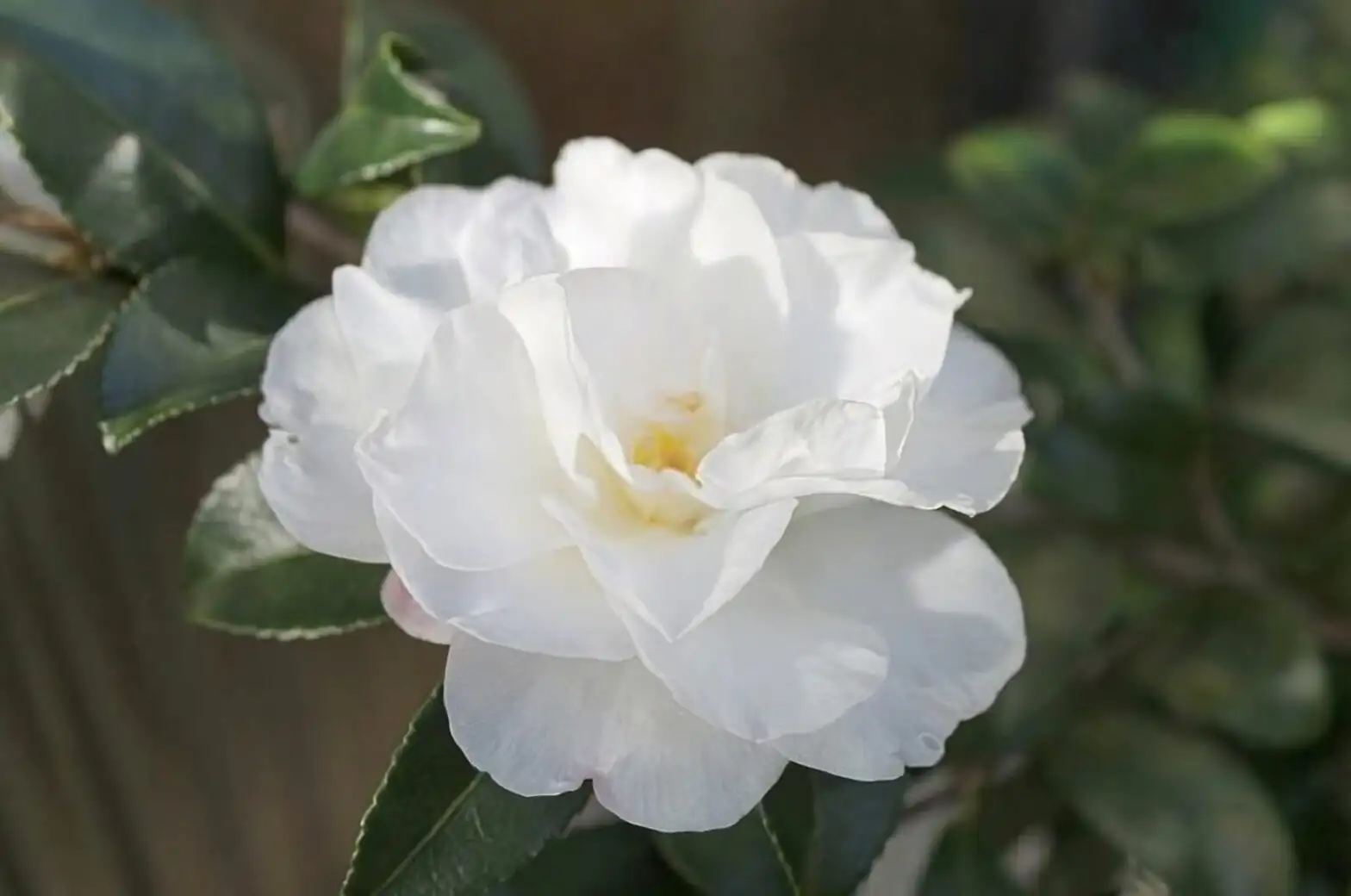
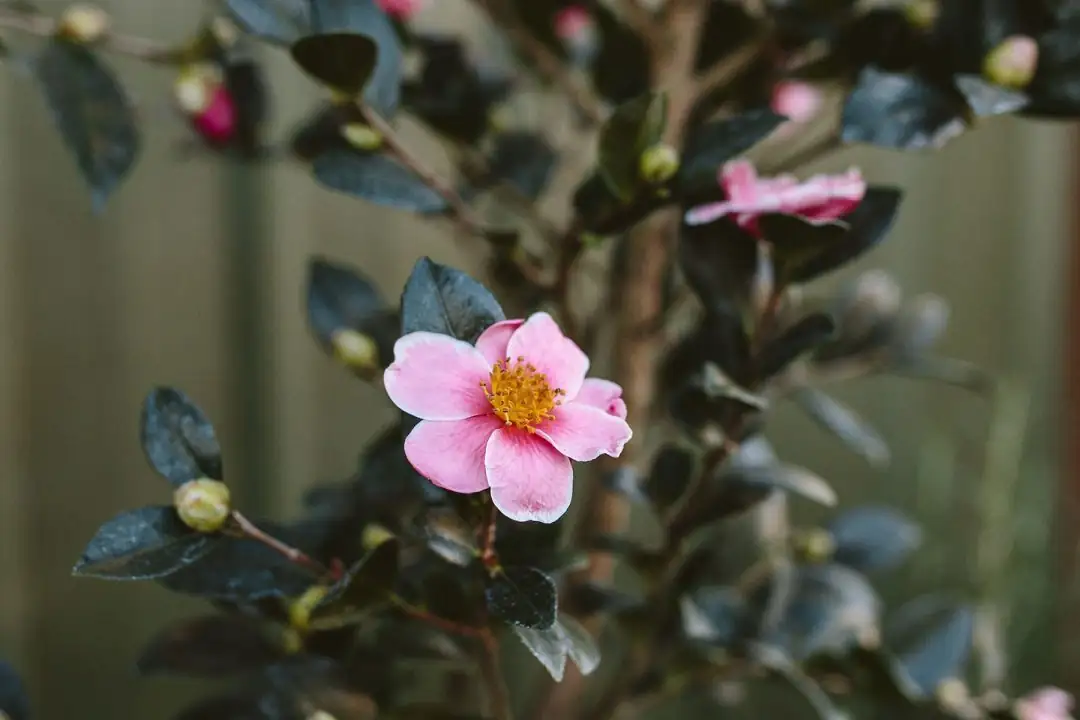
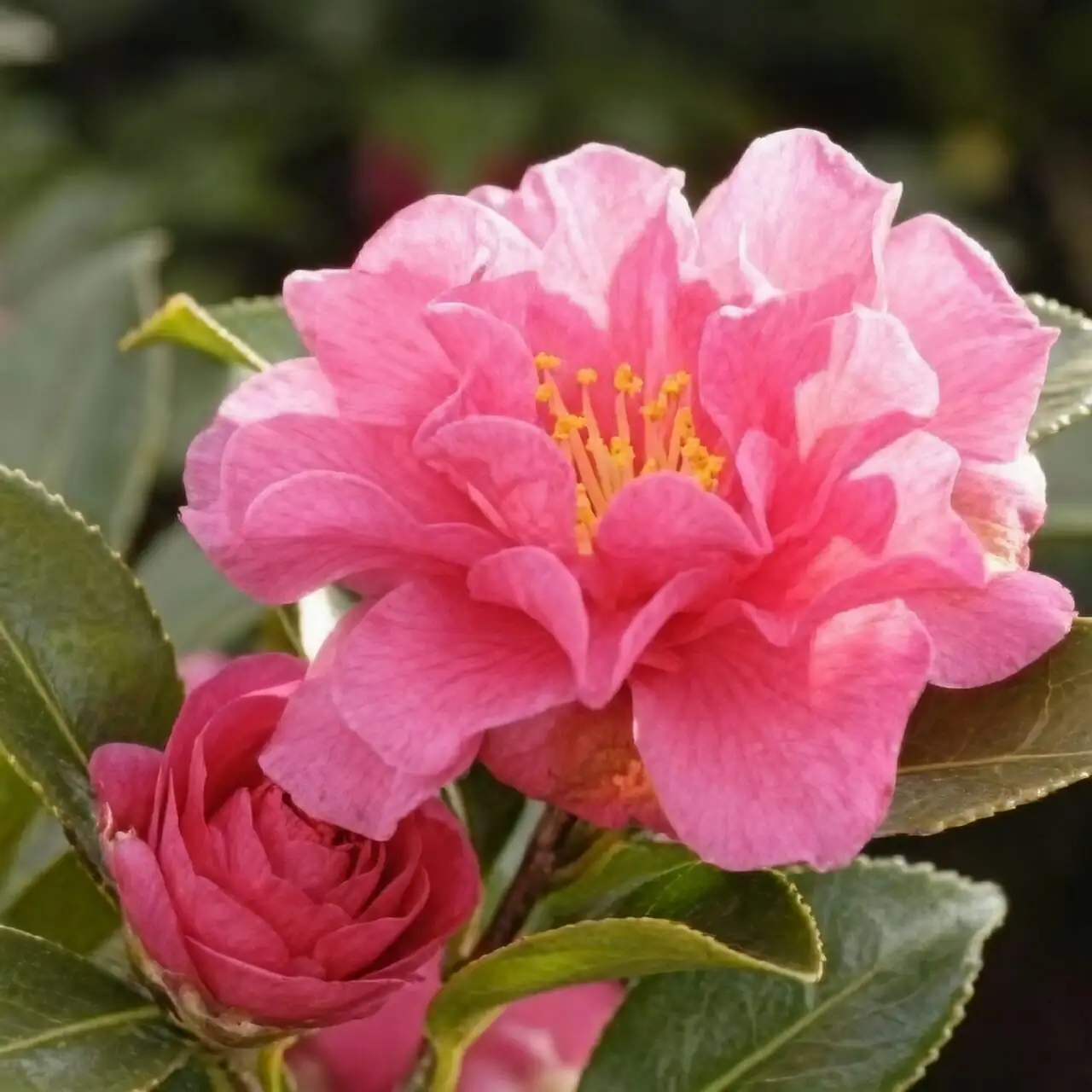
- Flowers: white, pink, or red; single to semi-double; often lightly fragrant.
- Foliage: small to medium, glossy deep green leaves on naturally dense branching.
- Habit: 1.5–5 m tall, 1.5–4 m wide (depending on cultivar and pruning); easy as a hedge, specimen, large container, or even bonsai-style subject.
- Garden personality: bright light to full sun with protection from harsh midday heat; slightly acidic, well-drained soil; steady, not-soggy moisture.
A lovely telltale: sasanqua sheds petals one by one. That gentle snowfall contrasts with its cousin, the tsubaki (Camellia japonica), whose blossoms famously drop whole.
How winter grace shaped its hanakotoba meanings
Hanakotoba isn’t just a list of definitions—it’s a cultural habit of “reading” flowers by their season, form, and feeling. Sasanqua’s story forms naturally from what you see:
- Seasonal poise: It blooms when days are short and cold. The message reads as grace under pressure, or beauty that keeps its voice even in winter.
- Modest architecture: Many sasanqua cultivars have simple, single to semi-double flowers. No heavy ruffles—just a clean, sincere face.
- Petal by petal: Because the petals fall individually, the bloom “bows out” quietly. In poetry and winter painting, that has suggested humility, delicacy, and the poignancy of brief beauty.
- Everyday presence: In Japan, sasanqua gained special popularity from the Edo period onward as a hedge and garden tree. It marked boundaries, brightened roadsides, and perfumed gateways; its seeds were pressed for household oil. Its meanings feel lived-in: companionable admiration, refinement without airs.
Put more simply, sasanqua in hanakotoba leans toward admiration, grace, and refined beauty—tinted by winter’s gentle resilience and a modest way of being seen.
Sasanqua vs. tsubaki: shared roots, different stories
Both are camellias, yet folklore and everyday experience tug them in different directions.
- Blooming season
- Sasanqua (Camellia sasanqua): autumn into winter.
- Tsubaki (Camellia japonica): typically midwinter into spring.
- Fragrance
- Sasanqua: often lightly fragrant.
- Tsubaki: usually little to no fragrance.
- How flowers fall
- Sasanqua: petals drop one by one—soft, continual confetti.
- Tsubaki: whole flowers can “plop” at once—visually striking, but in lore sometimes read as ominous.
- Cultural tone
- Sasanqua: modest, tender, quietly enduring—chosen for hedges, gateways, and seasonal cheer.
- Tsubaki: sumptuous, noble, passionately elegant—but in some settings (e.g., hospitals) avoided in Japan because of that whole-flower drop. Its beauty is grand; its symbolism can run heavier.
This is why, for get-well wishes or winter-bright good-luck gifts, many people reach for sasanqua: it carries warmth without the superstitions.
From hanakotoba to Chinese huayu (花语)
In Chinese, sasanqua is called 茶梅 (chá méi). As the plant traveled in gardens and trade, its wintry charms slipped neatly into Chinese floral reading:
- Borrowed heart, local voice: The same winter-blooming poise suggests 清雅 (refined elegance), 谦逊 (modesty), and 坚韧 (perseverance/inner strength).
- Everyday auspice: As a cool-season bloomer that brightens gates and courtyards, tea-mei reads as bringing warmth into the cold months—a favorable sign around the lunar New Year in milder regions.
Color nuances used in contemporary huayu and gifting:
- White: purity, quiet blessing, clarity of intention.
- Pink: gentle affection, harmonious companionship.
- Red: festive warmth, celebration, auspicious vitality in winter.
Think of it as a winter lamp: not a blaze, but a kind, steady light.
A modern gifting guide
What does a sasanqua bouquet, branch, or potted shrub say today? Consider the recipient, season, and color.
- For mentors, elders, or hosts
- Message: “I admire your grace” and “Thank you for steady guidance.”
- Best choices: white or soft pink; a shaped potted shrub for an entryway is especially thoughtful.
- Get-well and encouragement
- Message: “Quiet strength; may your days brighten.”
- Best choices: white (calm) or light pink (comfort). Sasanqua avoids the tsubaki superstition and feels beautifully appropriate.
- New job, new home, or year’s turning
- Message: “Refined beginnings; warmth through winter.”
- Best choices: red (festive), pink (harmonious), or a mixed planting near a doorway.
- Winter weddings or anniversaries
- Message: “Enduring elegance, love through seasons.”
- Best choices: white for classic purity; pink for tender romance. Use sasanqua as a living arrangement guests can plant after the celebration.
- Apology or reconciliation
- Message: “Humble heart, sincere respect.”
- Best choices: white blooms with a simple vase or a neatly pruned patio shrub.
Small tip: If gifting a potted plant for display through the holidays, choose one with a mix of open flowers and tight buds (about half and half). Keep it cool and bright to stretch the show.
Feng shui placement: where grace meets good qi
Sasanqua brings wood-element vitality that’s gentle rather than explosive—perfect for smoothing and refreshing spaces without overwhelming them.
- Outdoors
- East or southeast (wood element): supports growth, health, and family harmony—ideal for hedges or a welcoming shrub by the gate.
- South with red blooms (fire-enhancing): adds celebratory visibility and seasonal “spark,” provided summer sun isn’t brutal.
- Practical care: bright light to full sun with protection from harsh midday heat; slightly acidic, well-drained soil; even moisture. A sheltered patio or balcony works beautifully.
- Indoors (short-term winter display)
- Light and temperature are the real feng shui here: place in very bright light (east- or south-facing window) in a cool room to keep the qi—and buds—steady.
- Best zones: east (health/family) or southeast (prosperity), especially for work nooks that need calm focus.
- Avoid: right beside heaters or AC vents; hot, dry rooms will cause bud drop and sagging energy.
- Boundaries and flow
- A clipped sasanqua hedge gently defines property lines—an elegant “soft fence” that protects without bristling.
- At entries, a pair of potted sasanquas says “Welcome” with polish, not pomp.
Good to know: Sasanqua is generally non-toxic to people and pets (though nibbling may upset sensitive stomachs), so it’s a friendly choice for family spaces.
Quick care cheats to make the symbolism last
Treat the plant kindly and the message stays clear.
- Light: bright light to full sun; in hot regions, filter the fiercest midday sun.
- Temperature: thrives at 18–25°C (64–77°F). For a long indoor bloom display, keep it cool around 8–10°C (46–50°F). Established outdoor plants can handle brief dips to about -10°C (14°F), cultivar-dependent.
- Water: keep evenly moist, never bone-dry or soggy. Let excess drain after each watering.
- Humidity: prefers moderate-to-high humidity with good airflow; avoid very dry, heated air.
- Soil: slightly acidic, well-drained mix (composted bark/leaf mold + peat substitute + coarse grit).
- After flowering: prune lightly to remove spent blooms and tidy shape. Repot container plants after bloom (every 2–4 years depending on age).
- Buying for the season: pick a well-shaped plant with glossy leaves and a 50/50 mix of buds and blooms. Keep it cool and bright after gifting.
A final note on meaning
Sasanqua’s power is its understatement. Where some flowers proclaim, it suggests. Where others blaze, it glows. In hanakotoba, that restraint earned it the language of admiration, grace, and refined beauty—made sharper, not softer, by winter’s edge. In Chinese huayu, it carries the same lamp-like warmth into doorways and festivals. However you give or place it, let the petals speak the way they always have: one by one, quietly, and straight to the heart.