

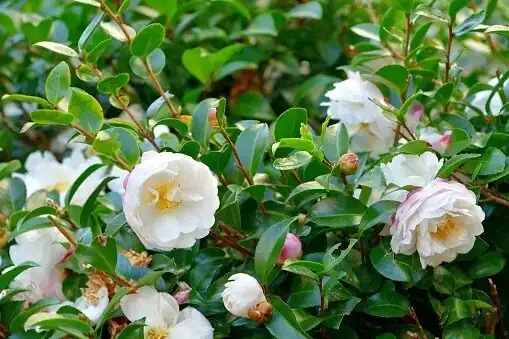
Picture it: the garden is yawning into winter, and then—bam—glossy green foliage studded with luminous blooms opens the “second act” of the year. That’s Camellia sasanqua, the Sasanqua Camellia: a cheerful cool-season showoff with a light, tea-like fragrance, single-to-semi-double petals, and year-round polish. It’s equally happy in hedges, classic pots, or as a petite bonsai. And yes, there’s a simple trick to super-size those flowers: keep reading for the one-bud rule.
Meet Sasanqua Camellia (Camellia sasanqua)
- Origin: Japan; family: Theaceae (the tea family)
- Habit: Evergreen, densely branched shrub; naturally rounded to upright
- Size: Typically 1.5–5 m (5–16 ft) tall and 1.5–4 m (5–13 ft) wide, depending on cultivar and pruning
- Foliage: Small to medium, deep green, and glossy—like built-in leaf polish
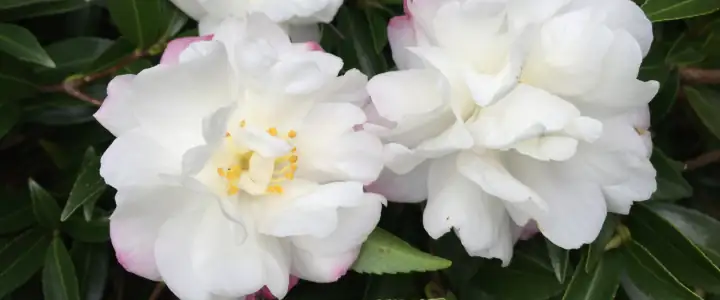
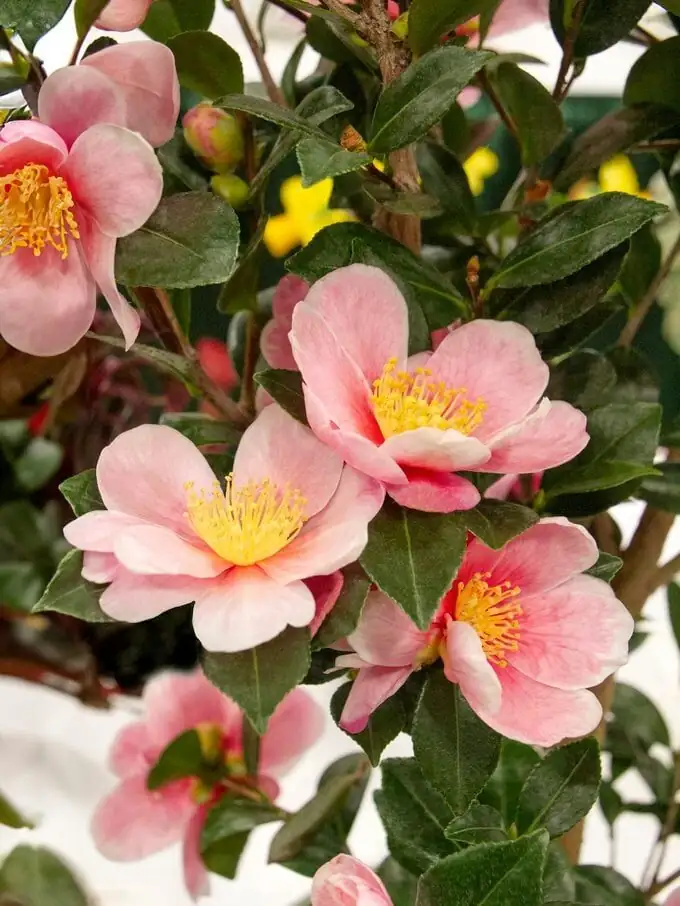
- Flowers: White, pink, or red; lightly fragrant; usually single to semi-double
- Bloom season: Autumn to winter (often October–January), right when gardens need a pick-me-up
The cool-season bloom playbook
Sasanqua’s strategy is simple and brilliant: set buds in the warm months, then open flower after flower as temperatures cool. A few pointers that turn “nice” into “show-stopping”:
- Cool rooms extend the display: Indoors for short-term bloom viewing, keep it at about 8–10°C (46–50°F) so flowers last longer.
- Long run, not a sprint: Plants often open waves of blooms across weeks in the cool season, keeping interest high even if each individual flower is fleeting.
- Light fragrance, big ambiance: The scent is subtle and tea-like—best enjoyed up close on still, cool mornings.
Sun, shade, and temperature: find the sweet spot
- Light: Bright light to full sun is ideal; in hot-summer regions, protect from harsh midday sun. Partial shade is fine.
- Temperature: Best growth at 18–25°C (64–77°F).
- Cold: In-ground plants can handle short snaps down to about -10°C (14°F), depending on cultivar and exposure.
- Heat: Prolonged heat above 38°C (100°F) can scorch buds and leaves—give afternoon shade and steady moisture during heat waves.
- Indoors (short-term display only): Park it at an extremely bright south- or east-facing window with good airflow; avoid hot, dry rooms and drafts.
- Humidity: Likes it moderately high (around 70–80%); a light, occasional mist in non-winter months helps—always with good ventilation.
Evergreen gloss that elevates any space
That polished foliage isn’t just pretty—it’s practical. Dense branching and tidy leaves make Sasanqua a natural for:
- Clipped hedges or privacy screens
- Specimen shrubs by the entryway
- Patio and balcony planters for four-season structure
Container sweetheart (and a charming bonsai candidate)
Sasanqua is famously container-friendly, and its small leaves and refined branching also lend themselves to bonsai-style training.
- Soil mix: Slightly acidic, free-draining blend—think composted bark/leaf mold + peat (or a peat alternative) + coarse sand/grit.
- Watering: Evenly moist is the mantra—never bone-dry, never waterlogged. Let excess drain freely every time.
- Overwintering containers: Cool is key—about 3–6°C (37–43°F) is ideal for potted plants resting outside in sheltered spots.
- Repotting: After flowering.
- Young plants: every 2 years
- Mature plants: every 3–4 years
- Typical pot sizes: 15–20 cm (6–8 in) for young, 20–30 cm (8–12 in) for mature
- Bonsai tips:
- Prune after flowering to shape; light wire if needed.
- Use an acidic, fast-draining bonsai mix; root-prune when repotting.
- Morning sun, bright light, and a cool winter rest keep growth compact and buds reliable.
Snackable care cheatsheet
- Watering rhythm:
- Summer: often daily (twice during heat spells), always allowing full drainage
- Winter: about every 3–5 days, ideally midday on bright, mild days
- Feeding (heavy bloomers need fuel):
- March–September: every 2 weeks with a balanced fertilizer (e.g., 20-20-20) or organic liquid feed
- May: one application of 0.2% monopotassium phosphate can support bud initiation
- October: give a phosphorus-forward feed to power strong flowering
- Pruning:
- After flowering: remove spent blooms, dead/diseased wood, and lanky shoots
- Early summer: a light shape-up
- Late summer: thin crowded buds—often leaving about one bud per shoot—to boost bloom size and quality
- Placement:
- Outdoors: bright, sheltered patio or balcony; protect from scorching midday sun in hot climates
- Indoors (short-term bloom display): extremely bright window, cool room, away from vents
Bud science: why “one bud per shoot” makes bigger flowers
Think of each shoot as a budget. Many buds = many expenses; one bud = a splurge. When you thin to roughly one bud per shoot in late summer, the plant funnels more energy and water to fewer flowers. The payoff:
- Larger, showier blooms
- Better form on single-to-semi-double flowers
- Less risk of buds aborting from crowding stress
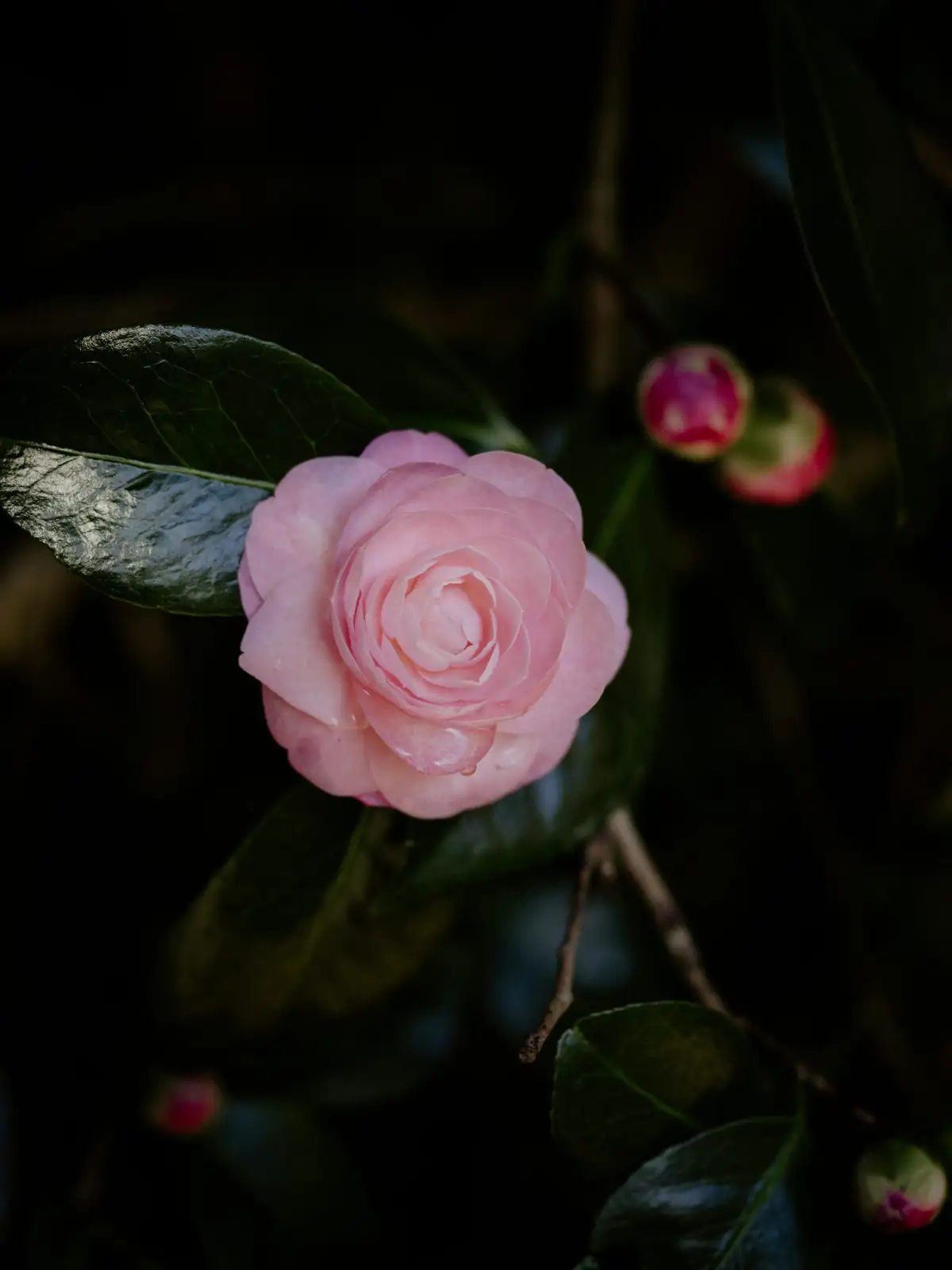
How-to:
- In late summer, inspect the tips where multiple buds cluster.
- Keep the strongest, best-placed bud; gently remove the extras with clean fingers or snips.
Cultivar crush: a few personalities to know
- Yuletide: Single, true-red petals with golden stamens; a classic that often peaks around December on an upright, vase-shaped plant.
- Setsugekka: Snowy white, semi-double petals with a rippled edge; luminous against dark foliage.
- Shishi Gashira: Rosy-pink, semi-double blooms on a compact, slightly spreading shrub—great for lower hedges and large containers.
- Pink-a-Boo: A pinky-coral single with a pleasantly mild fragrance; a colorful twist on the Yuletide vibe.
Note: Sizes vary with cultivar and pruning; choose what fits your space and style.
Common hiccups and quick fixes
- Bud or leaf drop indoors: Usually from uneven watering, dry air, low light, poor ventilation, pests, or blasts of hot/cold air from vents. Remedy with:
- Very bright light, cool temps (about 8–10°C / 46–50°F while blooming), steady moisture, and airflow.
- Pests: Scale insects and aphids cause curling or yellowing leaves and sticky honeydew.
- Response: Improve light/ventilation and treat with horticultural oil or insecticidal soap.
- Leaf spots (e.g., anthracnose): Gray-white spots often starting near margins.
- Response: Remove infected leaves, increase airflow, avoid wetting foliage late in the day; use an appropriate fungicide if severe.
Safety note: Generally considered non-toxic to people and pets, though nibbling leaves/flowers may upset sensitive stomachs.
Seasonal calendar at a glance
- Spring–Summer: Grow at 18–25°C (64–77°F); fertilize every 2 weeks (Mar–Sep)
- May: Optional 0.2% monopotassium phosphate for bud initiation
- Early Summer: Light shaping prune
- Late Summer: Thin buds (often one per shoot) for larger flowers
- Autumn: Phosphorus-forward feed in October; flowering begins
- Winter: Flowering continues; water less frequently (every 3–5 days); overwinter containers cool (3–6°C / 37–43°F); for indoor displays, keep at 8–10°C (46–50°F)
Buying tips for a showtime display
- Choose a 2–3-year-old plant with:
- A dense, well-shaped crown and glossy, healthy leaves
- Roughly a 50/50 mix of buds and open flowers (for instant wow + weeks of color)
- No yellowing or spotting
- After purchase: Provide very bright light, keep it cool (8–10°C / 46–50°F), and maintain evenly moist—not soggy—soil.
Multiply the magic
- Semi-ripe cuttings (early summer): 5–10 cm (2–4 in); warm, humid, shaded environment; rooting in about 4–6 weeks, pot on the following spring. A heel of older wood can help.
- Grafting: Late spring to early summer, commonly onto Camellia oleifera rootstock.
- Air-layering: Spring is a reliable window.
Symbolism: grace when the world goes quiet
Sasanqua camellias often symbolize admiration, grace, and refined beauty—fitting for a plant that dresses the garden when much else is bare. These meanings echo threads from Japanese aesthetics that prize seasonal elegance and from Victorian floriography, where winter-blooming poise read as quiet devotion. Treat “flower language” as cultural poetry rather than strict botany; the real magic is how those winter blossoms make spaces feel composed and cared for.
—
Ready for a low-drama, high-reward winter headliner? Plant a Sasanqua Camellia where you’ll pass it daily. When cold mornings glint off those glossy leaves and lightly perfumed petals, you’ll be very glad you did.