

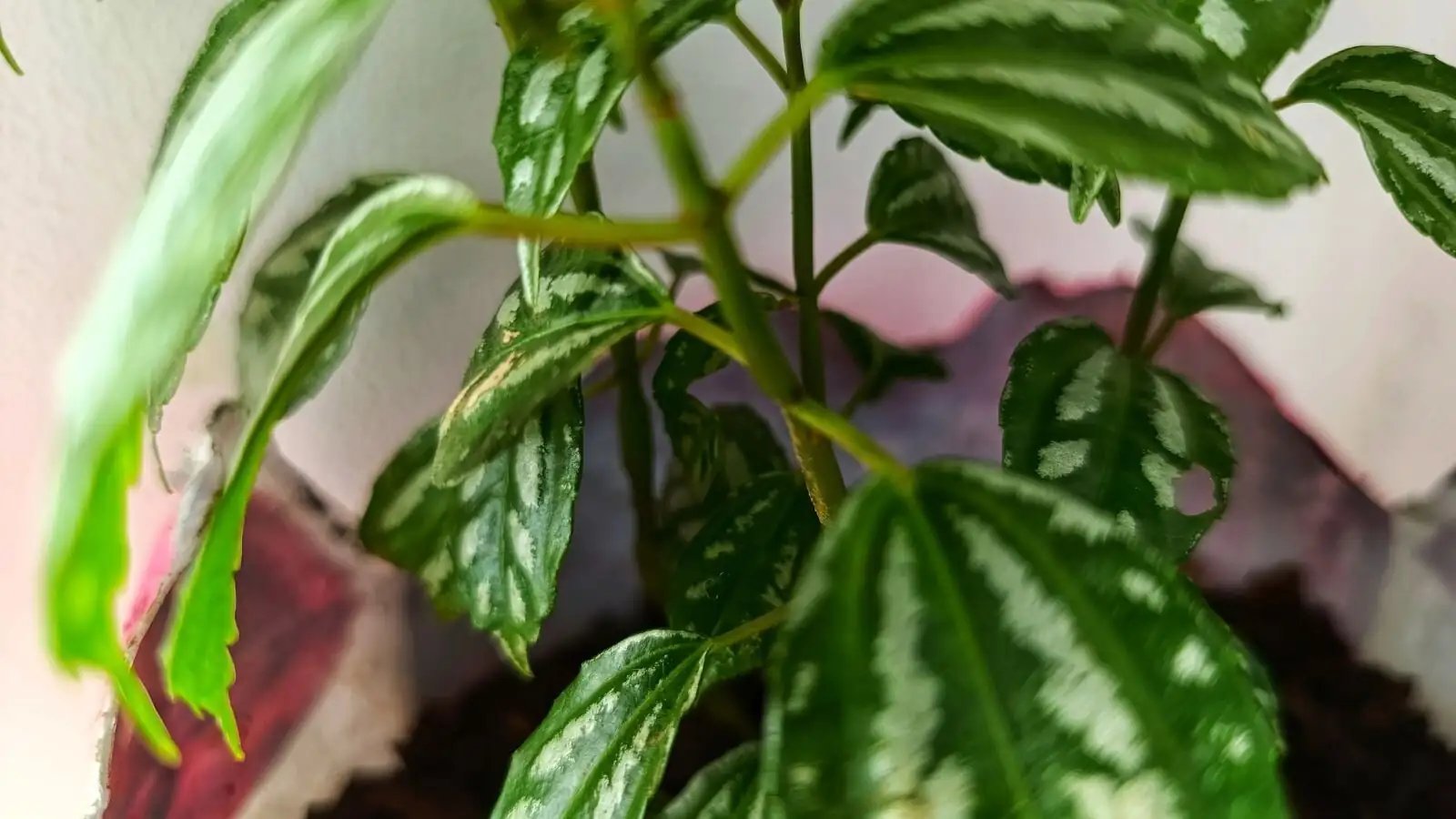
You don’t need a lab to do plant science—you just need a curious eye, a camera, and a few pots of Pilea cadierei. The Aluminum Plant’s signature silver flashes and tight, tidy habit make it a brilliant subject for a living, low-fuss light experiment. Over a few weeks, you’ll see, measure, and photograph how different light setups change silver intensity, internode length, and leaf size. Ready to let your plant be the researcher and the result?
Meet your test plant: compact, shiny, and light-sensitive
- Botanical profile: Pilea cadierei (Aluminum Plant), family Urticaceae; native to Vietnam.
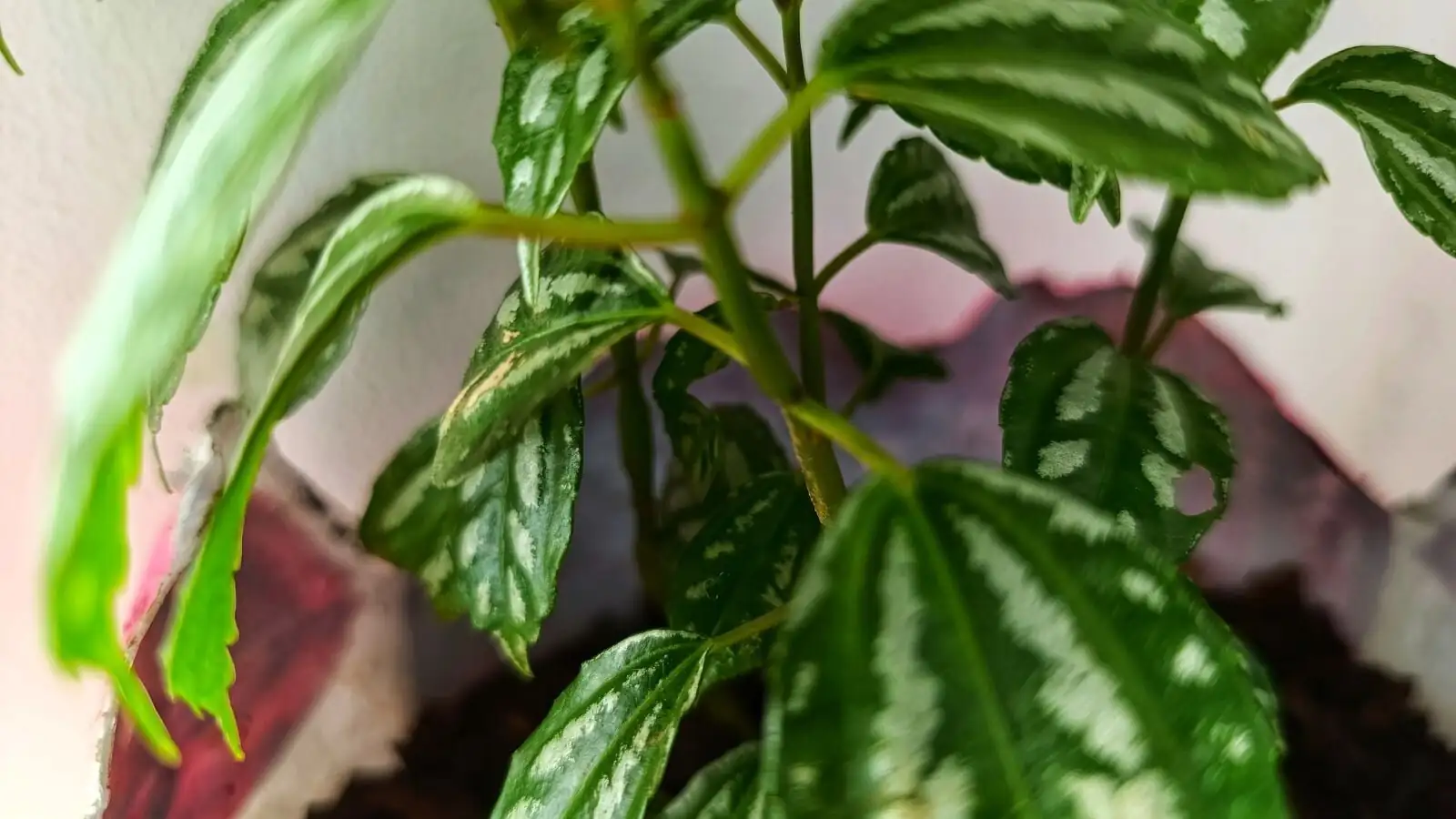
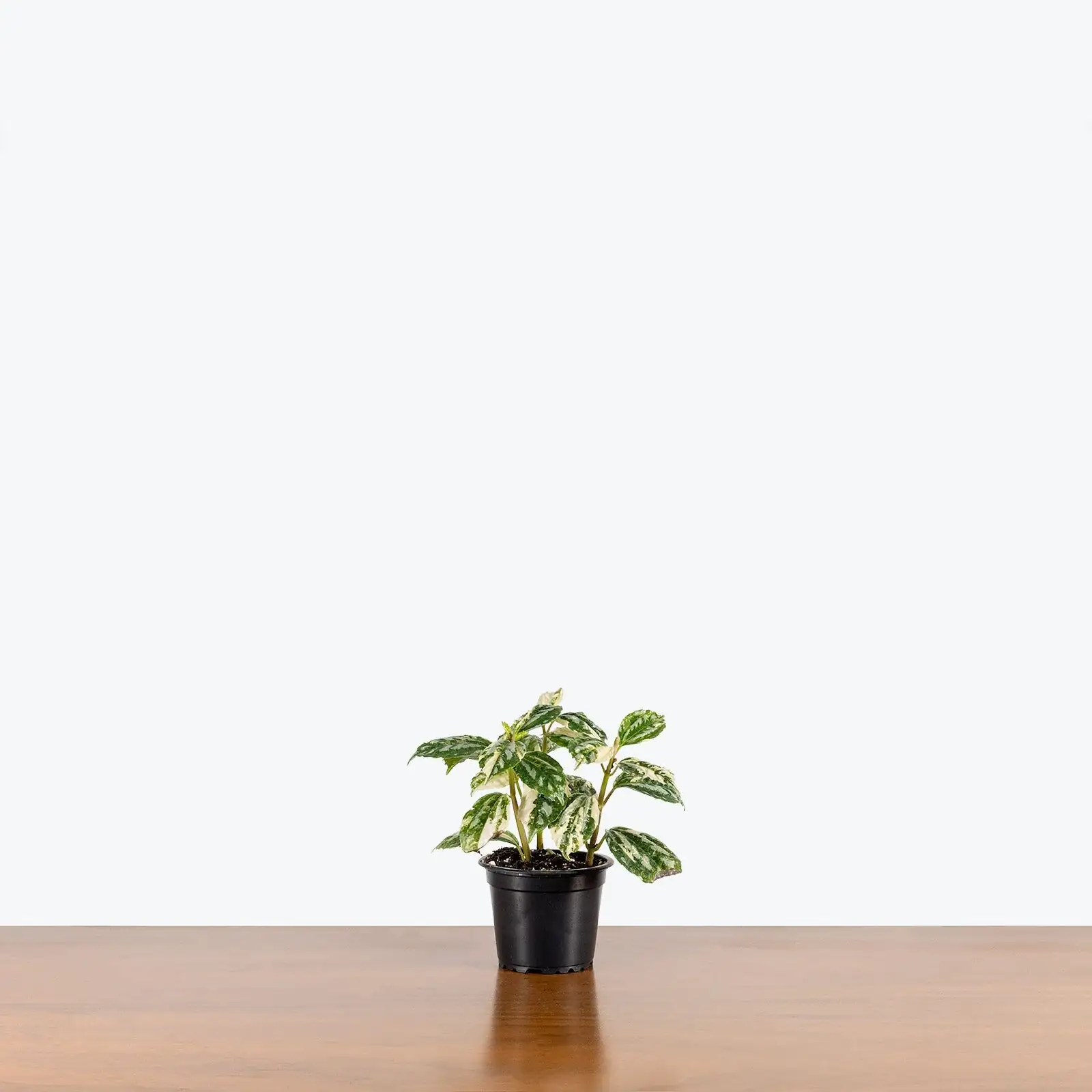
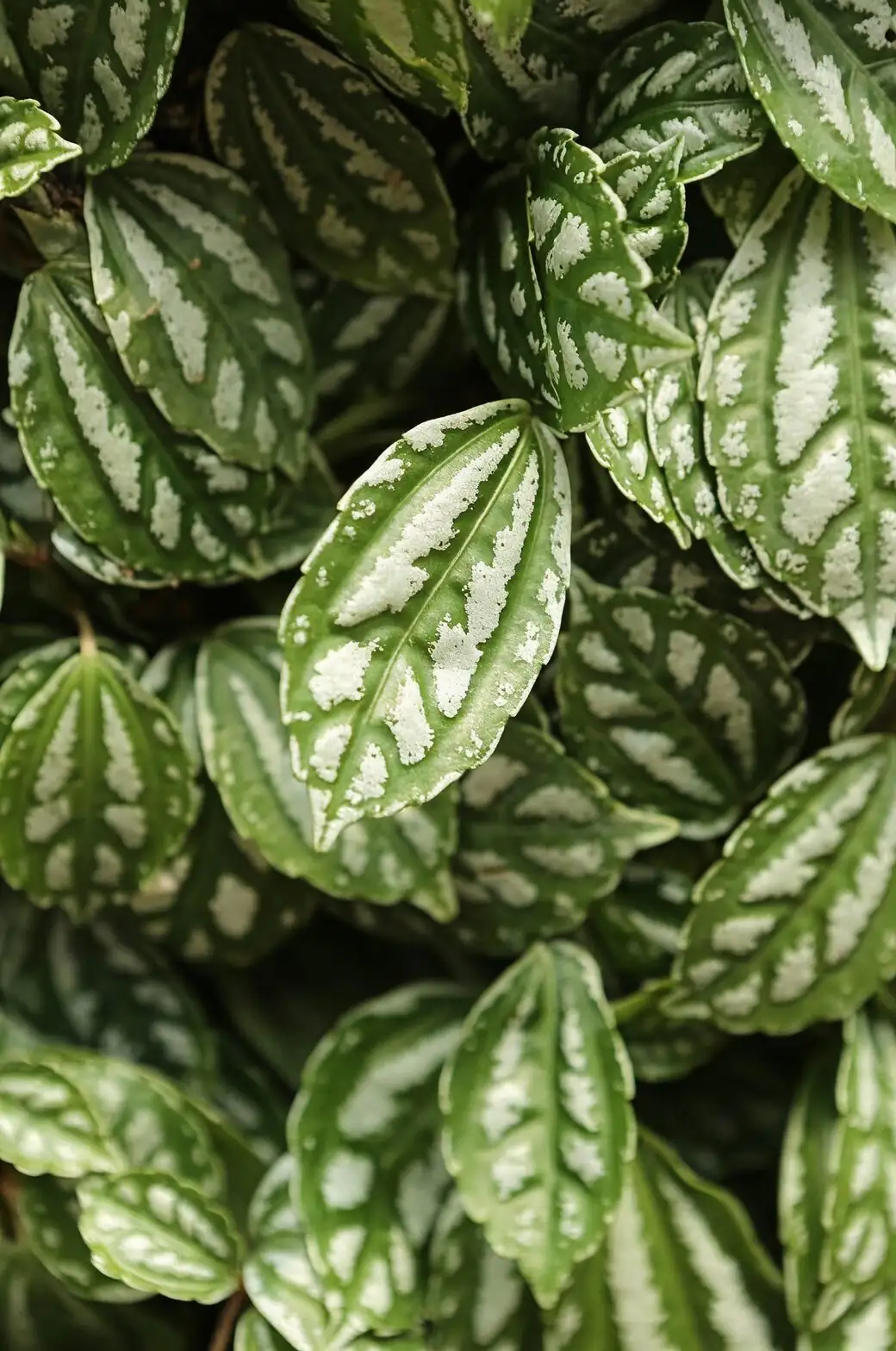
- Look: Deep green, gently quilted leaves streaked with bright silver. Compact, mounding habit—typically 20–30 cm tall and wide.
- Light personality: Thrives in bright, indirect light. Too little light fades the silver and causes stretch; harsh direct midday sun can scorch and shrink leaves and dull the pattern.
- Indoors vs. outdoors: An easy, beginner-friendly houseplant; in warm, frost-free climates it can act as a glossy, low groundcover in shade.
- Comfort zone: 15–25°C (59–77°F), moderate to high humidity (around 40–60%+), evenly moist but never soggy soil.
Pro note: Those gleaming silver patches reflect light and contribute less to photosynthesis than the green tissue—so the plant needs a consistently bright, indirect setup to look its best.
The question
Which common home light setups produce the boldest silver, the tightest internodes, and the biggest, healthiest leaves?
The traits you’ll track
- Silver intensity: How bright and “metallic” the patches appear relative to the surrounding green.
- Internode length: Distance between two successive nodes (where leaves emerge). Shorter = stockier, more compact growth.
- Leaf size: Length × width of the newest fully expanded leaf; you’ll estimate area from this.
The experiment design (simple, repeatable, and fun)
1) Clone your starting material
Create uniform plants so light is the main variable.
- Take 5–12 cm tip cuttings from one healthy mother plant.
- Remove lower leaves; root in water or a moist, airy medium (e.g., 2 parts potting mix to 1 part perlite).
- Warmth helps (about 18–22°C). Cuttings often root in ±1 week; pot up when roots are 2–5 cm long.
Tip: Label each cutting with a code before you pot it up.
2) Standardize everything except light
- Pots: Same size and material across all treatments (commonly 12–15 cm).
- Mix: Loose and well-draining (e.g., 2 parts peat-based potting mix + 1 part perlite).
- Watering: Keep evenly moist—water thoroughly when the top 1–2 cm just begin to dry; always empty the saucer.
- Feeding: Light feeding during active growth (spring–fall) either every 2 weeks at label rate/half-strength or a gentle every-2-month plan. Keep the schedule identical for all groups.
- Climate: Aim for 15–25°C and ~40–60%+ humidity with decent airflow. Keep away from cold drafts.
- Pruning: Do not pinch during the trial (pinching alters internode measurements). Groom only damaged leaves if needed.
3) Choose your light setups
Pick at least three distinct, real-world options you can maintain for 8 weeks:
- North window (baseline low-bright): A few feet from the glass; generally lowest indoor intensity.
- East window (bright indirect): Soft morning light, bright for most of the day.
- South or west window behind a sheer curtain (filtered bright): Position a few feet back to avoid harsh midday sun.
- Optional control: Full-spectrum LED grow light positioned to deliver bright, indirect intensity without heat; run 12–14 hours/day.
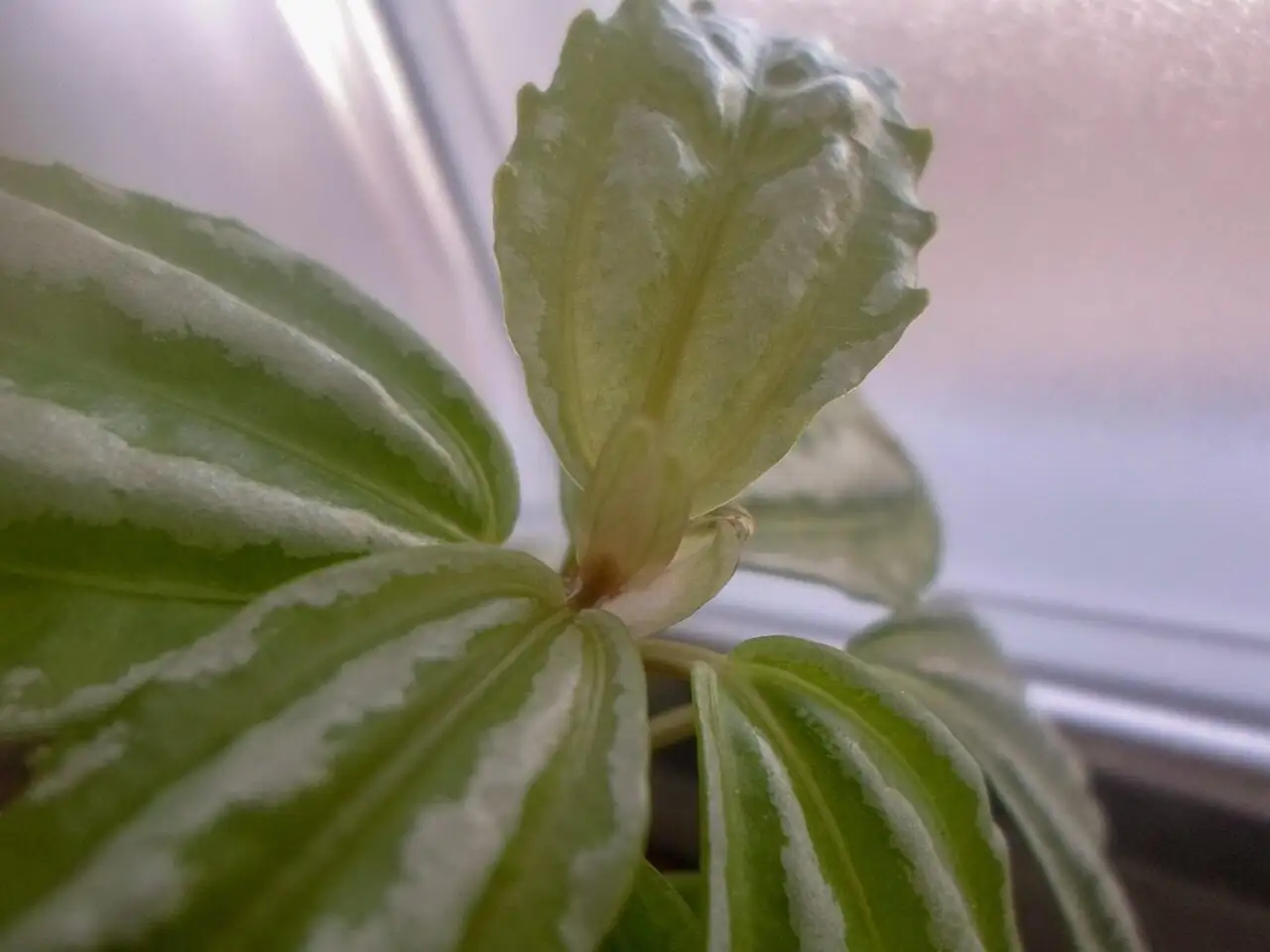
Target intensity guide (use a basic light meter or a phone app as a proxy):
- Low: ~100–200 footcandles (fc)
- Moderate/bright indirect: ~200–500 fc (often the sweet spot)
- Avoid prolonged >600–800 fc of direct, unfiltered midday sun at leaf level, which risks scorch for Pilea cadierei.
Pro note: If using windows, note seasonal changes. In summer, pull back from intense afternoon sun; in winter, move slightly closer to keep brightness up—still filtered.
4) Placement and randomization
- Space plants so leaves don’t shade each other.
- Keep orientation fixed (don’t rotate during the trial) so internode directionality reflects the light source.
- If possible, run at least n=3 plants per light treatment to reduce “individual plant” bias.
Photo logging: make your camera your co-researcher
Consistency is everything. Your eyes adapt; your camera remembers.
- Setup
- Shoot weekly on the same day/time.
- Use a neutral backdrop, a ruler or grid for scale, and a gray card or a sheet of mid-gray paper for color consistency.
- Fix distance and angle with a tripod or marked floor spot.
- Shots to take
- Overhead: captures leaf size and pattern.
- Side-on at plant midline: captures internode spacing and overall habit.
- Detail macro: the newest fully expanded leaf for silver/green comparisons.
- Phone settings
- Lock exposure and white balance if your camera allows (or always tap-focus on the same reference area).
- Avoid mixed lighting—turn off nearby lamps and rely on the test light.
Pro tip: Include a small color checker or the same white index card in every shot; it helps compare silver brightness week-to-week.
Measurement protocol (fast, repeatable)
Log once per week for 8 weeks.
- Internode length (mm)
- On the tallest stem, measure the distance between the two most recent nodes.
- Record the last three internode lengths and average them.
- Leaf size (mm and estimated cm²)
- Select the newest fully expanded leaf on each plant.
- Measure length (tip to base) and width (widest point).
- Estimate area: length × width × 0.75 (leaf-ellipse correction factor). Note any scorch or edge browning.
- Silver intensity (visual + digital)
- Visual score: 1–5 scale
- 1 = faint, grayish, low contrast
- 3 = clear, even silver splashes
- 5 = bright, mirror-like patches with crisp edges
- Optional digital check:
- In your photo, sample the same silver patch and adjacent green area each week with a color-picker app.
- Track the brightness (L*) or value; calculate a Silver-to-Green contrast ratio. Higher ratio = more “pop.”
- Health notes
- Record any scorch (tan patches), leaf tip browning, mite stippling, or droop after watering.
Your data sheet (example columns)
- Date
- Plant ID and Light Setup
- Footcandles at canopy (midday reading)
- Internode length 1/2/3 (mm) + average
- Leaf length (mm), width (mm), area estimate (cm²)
- Silver intensity visual score (1–5)
- Silver L and Green L (optional) + contrast ratio
- Notes (scorch, pests, watering day, temp/humidity snapshot)
Timeline and care cadence
- Week 0: Pot rooted cuttings, assign light treatments, baseline photos and measurements.
- Weeks 1–8: Measure and photograph weekly. Water as the top 1–2 cm dries; maintain identical fertilizer plan across all plants.
- End of Week 8: Final measurements, compile and graph results. Afterward, you can pinch to rebush.
What you’re likely to see (and why)
- North window/low light (~100–200 fc)
- Expect longer internodes, softer green, and reduced silver contrast. Leaves may be thinner, with occasional brown tips from chronic low light stress.
- East window/bright indirect (~200–400 fc)
- Often the sweet spot: compact internodes, strong silver-on-green contrast, and nicely sized leaves.
- Filtered south/west (sheer + distance; ~300–500 fc, avoiding harsh midday)
- Bold silver and tight spacing; monitor for any leaf warmth or edge scorch on bright days—adjust distance if leaves feel hot mid-afternoon.
- LED grow light (bright indirect mimic, 12–14 h)
- Predictable results if you set intensity well: compact growth and reliable silver. Watch for excessive tightness/smaller leaves if intensity is too high or duration too long—dial back slightly.
Tell-tale coaching from the plant itself
- Silver fading, floppy stems: Not enough light; move closer to bright, filtered light.
- Scorch, smaller/leathery leaves, dull pattern: Too intense/harsh—add a sheer curtain or increase distance.
- Yellowing and general wilt with wet soil: Overwatering/root stress—let the surface dry more and improve drainage.
Advanced, pro-level touches
- Quantify light more than once: Midday, cloudy day, and sunny day, then average. Light varies—your data should acknowledge it.
- Airflow and humidity: Aim for moderate humidity (40–60%+). Use pebble trays or plant grouping, but keep decent airflow to discourage leaf spot.
- Temperature discipline: Best at 15–25°C. Below ~8–10°C, trouble starts; at ~5°C, leaf drop accelerates.
- Don’t mix variables: Keep pot size, substrate, watering frequency, and feeding consistent across all treatments.
- Photo analysis shortcut: If you don’t want to fuss with color metrics, your 1–5 silver score plus internode measurements will still tell a strong story.
Troubleshooting quick guide
- Leggy and floppy: Increase bright, indirect light; plan a hard spring cutback after the experiment to reset the mound.
- Brown tips/edges: Often too little light or uneven moisture; adjust placement and watering cadence.
- Pests: In dry indoor air, spider mites are common; mealybugs or aphids may appear. Rinse foliage, boost humidity/airflow, and treat early with insecticidal soap or horticultural oil per label directions.
- Overwatering alarms: Persistent sogginess leads to yellow leaves and root rot. Use a free-draining mix and never leave the pot standing in water.
Safety note: Treat it as potentially mildly toxic if chewed—keep out of reach of pets and children that like to nibble.
After the trial: what to do with your data (and your plants)
- Graph it: Plot internode length and leaf area by treatment; add your silver scores as a line or color scale.
- Pick a winner: The best setup is the one that consistently gives high silver scores, short internodes, and generous leaves without scorch.
- Make it permanent: Move your favorite plant (or all of them) to that winning light. Now is the time to pinch tips to encourage branching and rebuild a dense, cushiony shape.
- Keep iterating: Repeat in another season to see how natural light shifts change the results—or fine-tune LED height and duration.
The hidden joy of this experiment is that you don’t just read about “bright indirect”—you measure it, photograph it, and watch your Pilea cadierei wear the difference. By week eight, your silver won’t just shine; your confidence as a plant observer will, too.