

Aluminum plant (Pilea cadierei) is the little disco ball of shade lovers—compact, gleaming with brushed‑silver patches, and easy enough for beginners to keep lush. The only catch? It’s best treated as potentially mildly toxic if chewed or swallowed. That means a bit of strategy if you share your home with curious cats and snack‑happy dogs. Here’s how to place and protect this beauty, give it the care it craves, choose safer styling stand‑ins, and handle the occasional nibble with calm confidence.
Meet the plant: small footprint, big sparkle
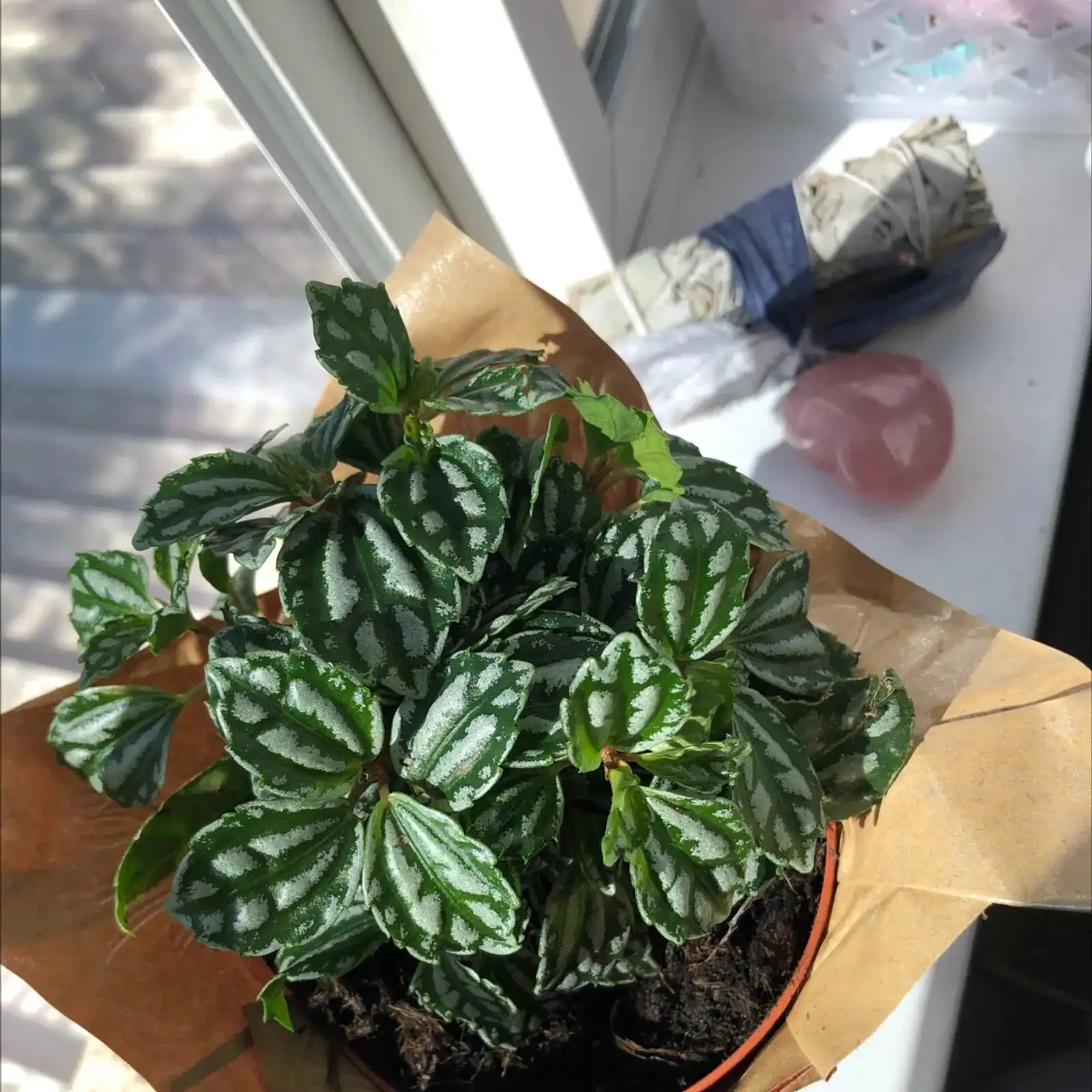
- Look: Deep green, gently quilted leaves splashed with aluminum‑white along the veins—like metallic brushstrokes.
- Size and habit: Naturally tidy, about 8–12 in (20–30 cm) tall and wide; forms a compact mound and branches readily when pinched.
- Light sweet spot: Bright, indirect light. East windows are lovely; north windows or a few feet back from bright south/west light also work. Harsh midday sun can scorch; use a sheer curtain if needed.
- Indoor vibe: A star for shelves, desks, hanging baskets, or bright bathrooms. In very warm, frost‑free climates, it can even serve as a shiny groundcover in shade.
Safety first: is Aluminum plant pet‑friendly?
Think “low‑risk but not a snack.” Many growers consider it easygoing, yet it’s safest to treat Pilea cadierei as potentially mildly toxic if chewed or swallowed—especially for pets. Keep it out of reach of avid nibblers, and contact a professional if ingestion occurs. Prevention is the goal so your pets and your plant both thrive.
Where to put it so pets can’t reach—and it still looks amazing
You can absolutely give Pilea cadierei the light it loves while keeping it off the menu.
Best pet‑savvy placements indoors
- High, bright shelves: East‑facing bookcases or floating shelves 3–6 ft from a sunny window. Rotate the pot weekly for even growth.
- Hanging baskets: Hang near bright windows with a sheer curtain. Aim the plant’s canopy at eye level for you, not paw level for them.
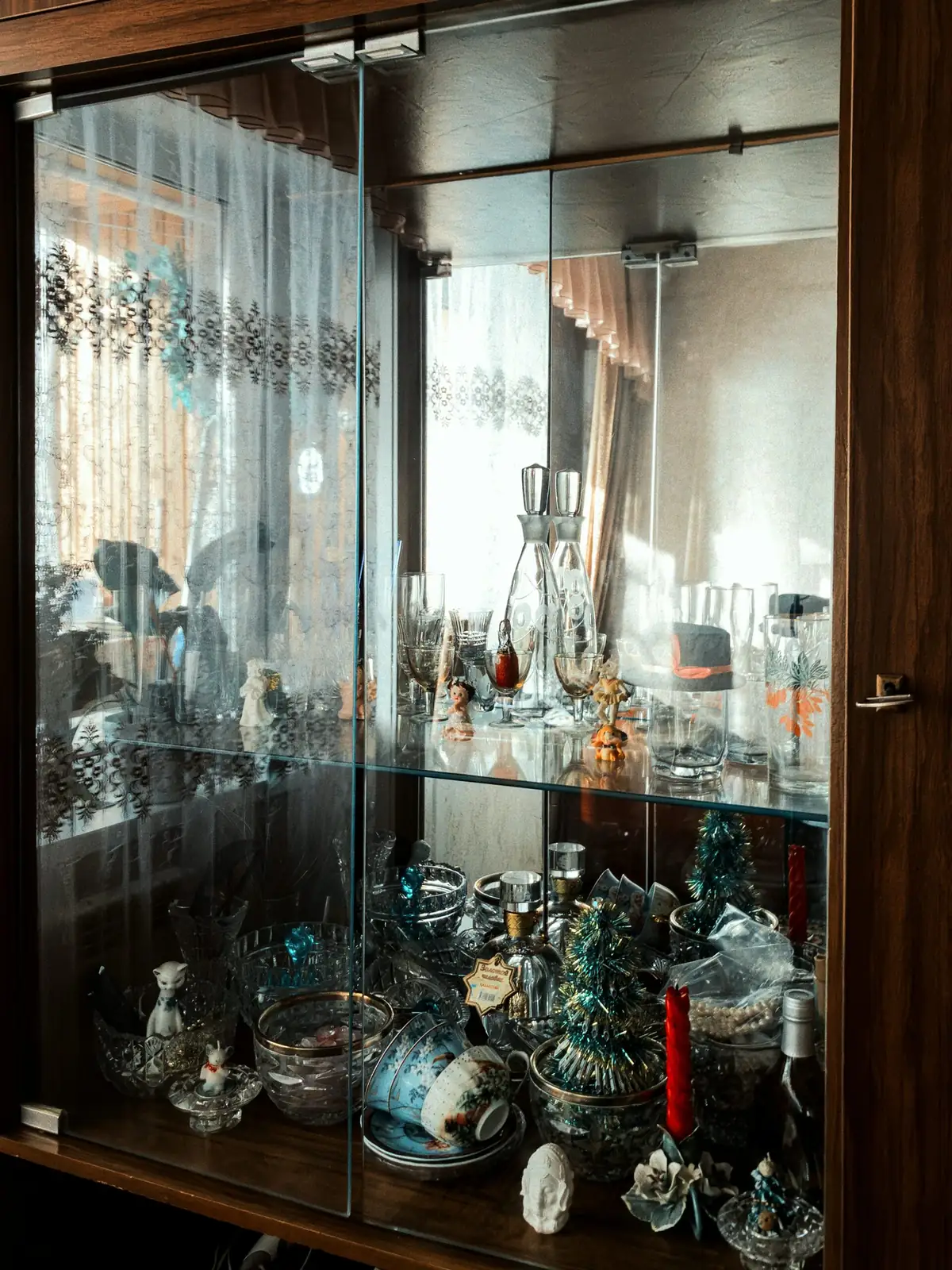
- Behind glass: Display in a cabinet with glass doors or a windowed plant hutch—bright, indirect light plus a physical barrier.
- Bright bathrooms: Great for humidity, as long as there’s consistent light. Shut the door when you’re not in there if you have determined grazers.
- Window math:
- East: within 1–3 ft.
- South/West: 3–6 ft back or behind a sheer.
- North: as close as possible to the glass.
Outdoor note (warm, frost‑free zones only—approx. USDA 11–12)
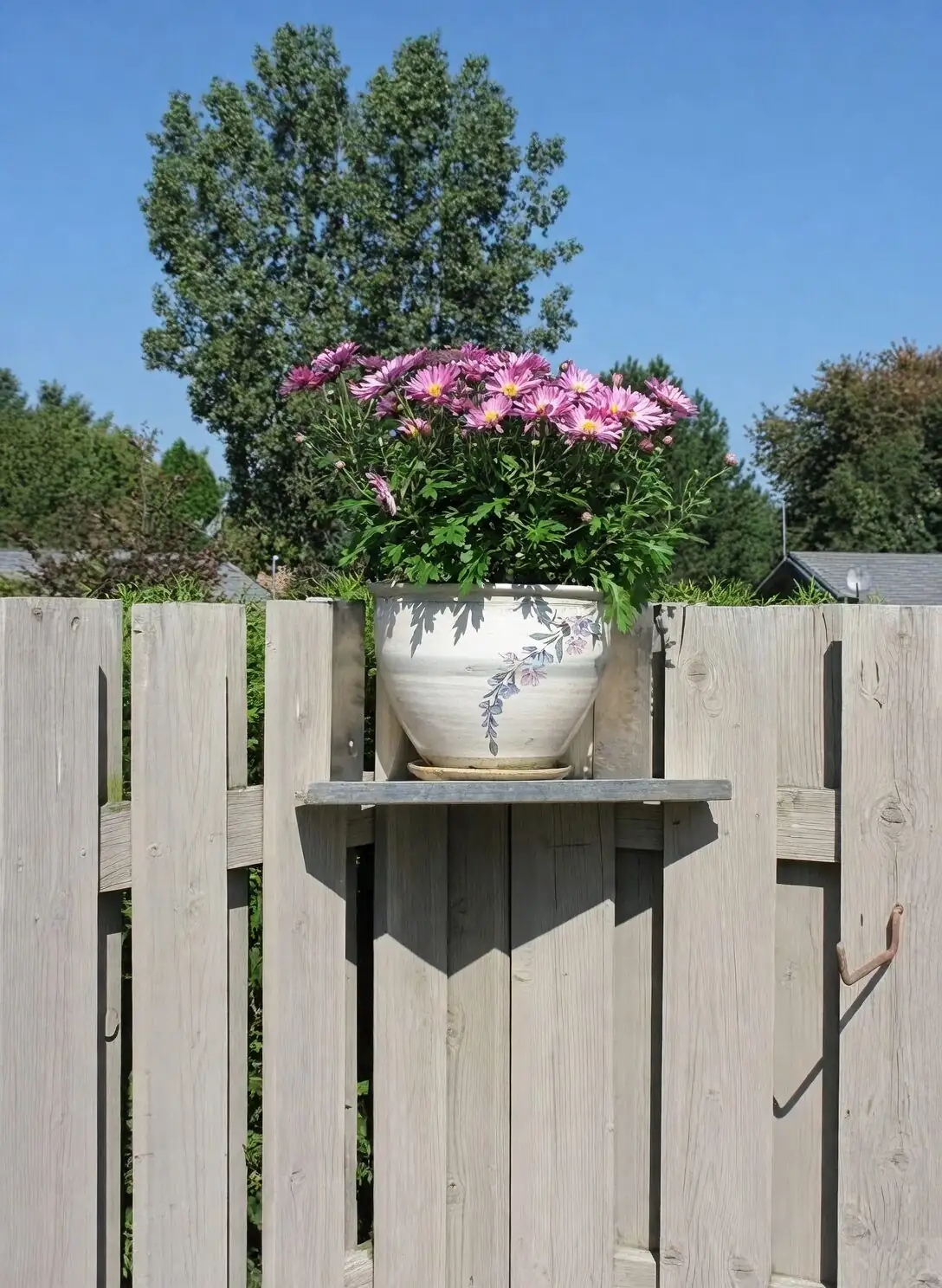
Use as a low groundcover in shade/filtered light, but keep dogs off with raised planters, discreet fencing, or plant in an enclosed courtyard. Bring containers inside before temps dip near 50°F (10°C).
Cat‑proof and dog‑proof tricks that actually work
- Give better greens: Offer cat grass or catnip so plant‑curious felines have a sanctioned salad.
- Make the landing zone unappealing:
- Around the pot: crinkle foil collars, pebbles too large to dig, or a snug decorative cachepot.
- On shelves: museum putty under pots to prevent tipping.
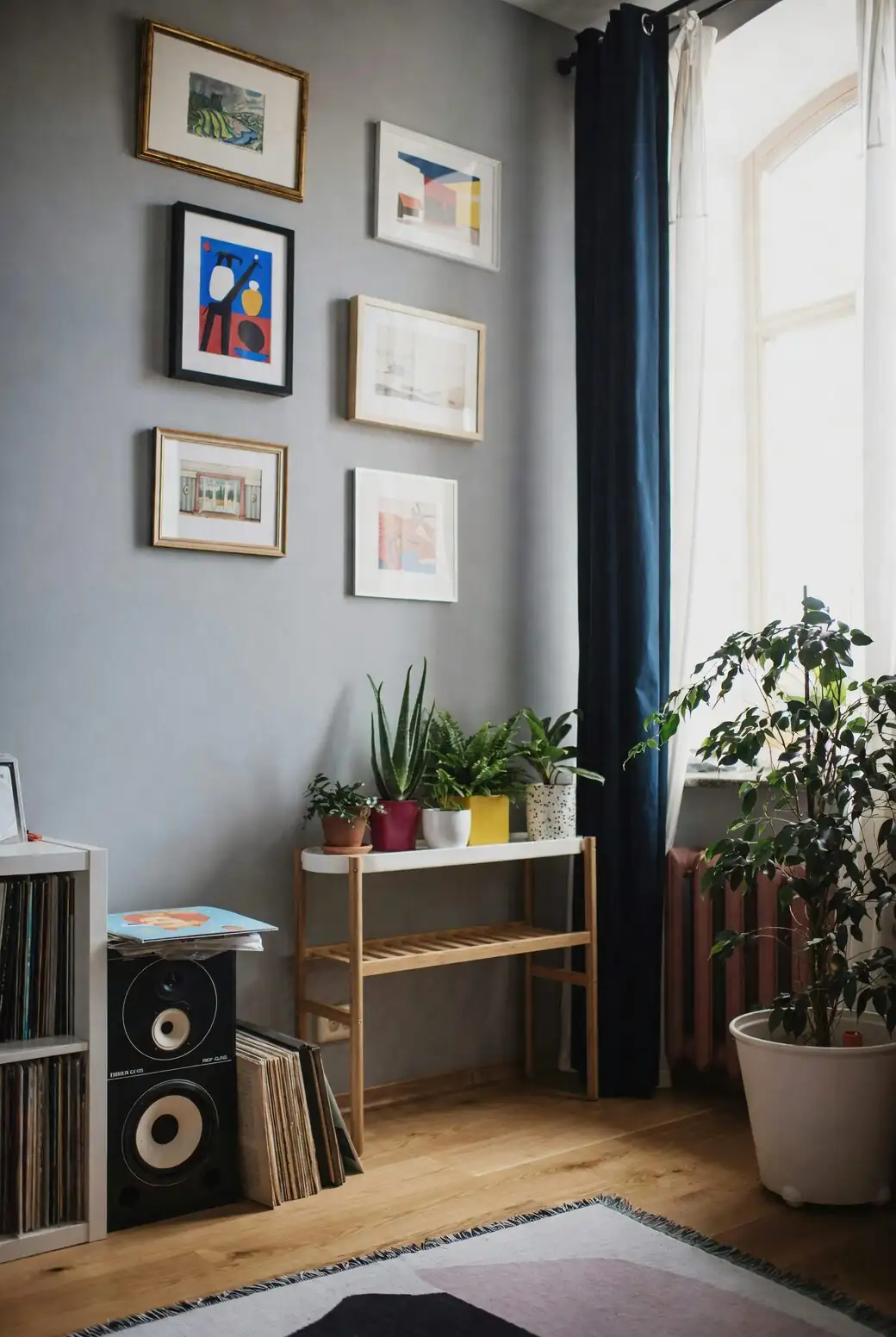
- Elevate with intention: Hangers, wall planters, or tall étagères that pets can’t access.
- Gentle training:
- Cats: reward the “leave it” cue; place a scratcher or perch elsewhere in the same room to divert attention.
- Dogs: “place” or “stay” mats paired with treats when you water or fuss over the plant.
- Avoid: essential oil sprays or strong citrus oils (particularly risky for cats). If you try a commercial bitterant on the rim of a planter, test sparingly and never spray the foliage.
If nibbling happens: what to do for your pet—and your plant
For your pet
- Remove remaining plant bits from the mouth; offer fresh water.
- Monitor for signs of GI upset (drooling, vomiting, diarrhea, lethargy). Effects are usually mild if they occur, but don’t guess.
- Contact your veterinarian or a pet poison helpline—especially if you didn’t witness the amount eaten or symptoms appear.
- Keep the plant out of reach going forward.
Have ready: the plant’s name (Pilea cadierei), time/amount ingested, and your pet’s weight.
For your plant
- Cosmetic clean‑up: Snip ragged leaves and pinch tips to encourage dense regrowth.
- Quick revival: It roots easily—take 2–5 in (5–12 cm) tip cuttings, strip lower leaves, and root in water or in a moist, airy mix (potting mix with perlite). Warmth around 64–72°F (18–22°C) speeds rooting; pot up once roots are 0.8–2 in (2–5 cm).
- Re‑shape: If stems are lanky, cut back hard in spring to a couple of basal nodes for a fresh, cushiony mound.
Keep it gorgeous (and less tempting): simple, consistent care
- Light: Bright, indirect. Too little light fades silver and causes floppy, leggy growth; too much direct sun scorches.
- Water: Evenly moist, not wet. In active growth (spring–early fall), water when the top 0.4–0.8 in (1–2 cm) begins to dry and empty the saucer. Water more sparingly in winter. Soggy soil = root rot.
- Humidity and temperature: Prefers 40–60%+ humidity; thrives at 59–77°F (15–25°C). Protect from drafts and chills—leaf drop can start near 46–50°F (8–10°C).
- Feeding: Lightly during active growth. Either a balanced liquid every 2 weeks (at label rate/half‑strength) spring–fall, or a gentler every‑2‑months routine from May–August. Reduce in winter.
- Grooming: Pinch tips regularly to keep it compact; rotate the pot weekly.
- Repotting: Spring, every 1–2 years or when rootbound—just one pot size up in a loose, well‑draining mix (houseplant mix + perlite).
- Pests and pet‑safe treatment: Watch for spider mites, mealybugs, and aphids—especially in dry air. Start with a strong lukewarm rinse, then insecticidal soap or horticultural oil per label. Keep pets away until leaves are dry. Avoid systemic insecticides where paws can reach.
Styling swaps: pet‑safer lookalikes and companions
Love the silver, compact look but want ultra‑low worry around pets? Consider these widely regarded pet‑safer choices with a similar vibe:
- Watermelon peperomia (Peperomia argyreia): Rounded, patterned leaves; compact habit.
- Spider plant (Chlorophytum comosum): Arching variegated foliage; great for hanging.
- Nerve plant (Fittonia albivenis): Veined leaves; thrives in terrarium cabinets.
- Boston fern (Nephrolepis exaltata): Lush, soft texture for high shelves.
- Wax plant (Hoya carnosa): Glossy leaves; handsome in hanging planters.
- Parlor palm (Chamaedorea elegans): Airy fronds; an easy floor specimen away from traffic.
Tip: Mix these with lockable glass displays or high hangers for plants you treat as mildly toxic—creating layers of height, texture, and safety.
Quick room‑by‑room placement guide
- Living room: Hang near a bright window with a sheer; pair with a tall, closed‑back bookcase to foil jump routes.
- Kitchen: High shelf near an east window; keep at least 3–4 ft from the stove to avoid dry air and heat blasts.
- Office: Behind you on a bright shelf—out of the “zoomies” zone.
- Bathroom: On a high sill or shelf with good light; door closed when unattended.
Common “why is it doing that?”—and how placement solves it
- Fading silver or floppy stems: Needs brighter indirect light; move closer to an east window or filter a sunnier exposure.
- Brown tips/edges: Often low humidity or letting the soil fully dry repeatedly. Add a pebble tray or group plants (with decent airflow).
- Sudden leaf drop in winter: Usually chill + low light. Warm it up, brighten the spot, and water less often.
Symbolism: why this plant reads as “fresh energy”
There’s no centuries‑old flower language attached to Aluminum plant; its meaning is more modern and visual. The reflective silver patterning catches ambient light and makes small, dim corners feel livelier. That “sparkly” look is why many associate it with freshness and vitality—an instant pick‑me‑up for shaded spaces without needing blooms.
The bottom line
With thoughtful placement, a little training, and a backup plan for the odd nibble, Pilea cadierei can shine safely in a pet‑filled home. Keep it warm, evenly moist, and in bright, indirect light; display it high or behind glass; and reach for pet‑safer lookalikes where you want true zero‑worry zones. A compact plant with big shimmer—and a home that’s beautiful for every species under your roof.