

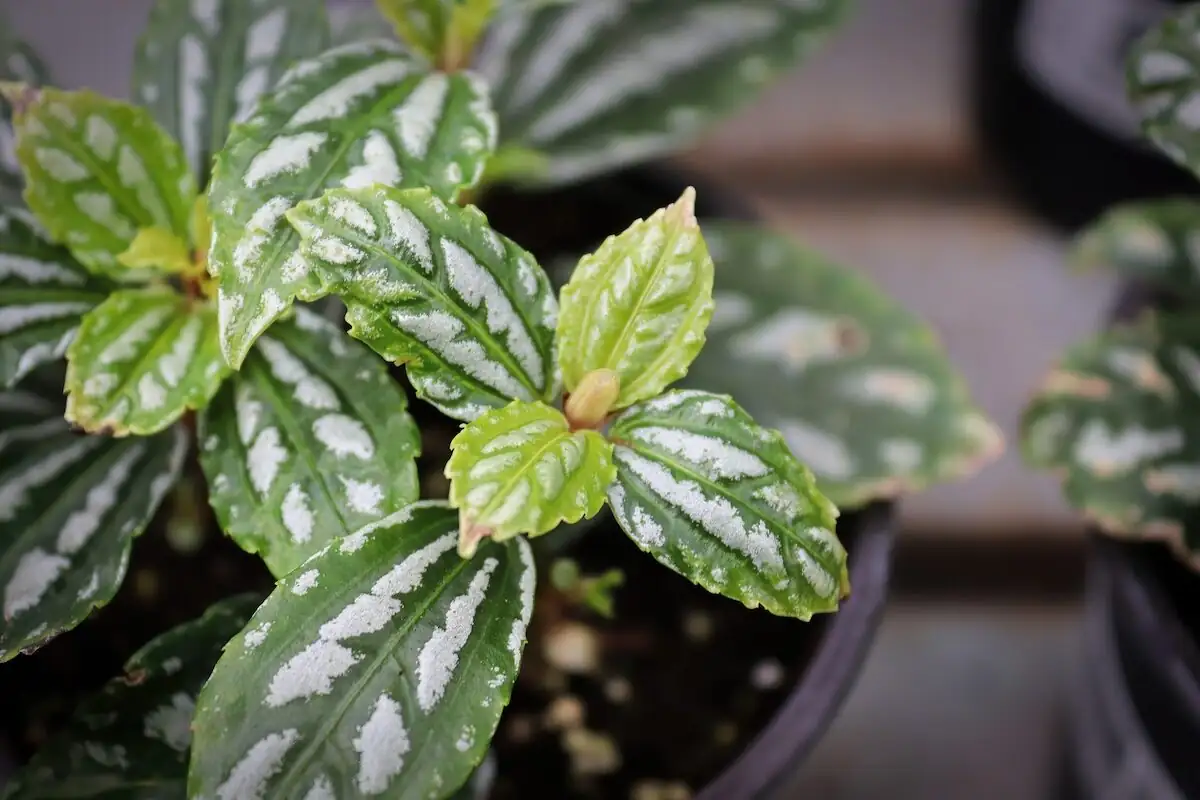
If you love the way Aluminum Plant leaves catch the light—those metallic silver flashes on rich green—you’ll love it even more when it stays compact, glossy, and dense all year. Here’s a lively, month‑by‑month playbook to keep Pilea cadierei mounded and sparkling, without the legginess or dullness that can sneak in.
Tip: This calendar assumes a Northern Hemisphere indoor grower. In the Southern Hemisphere, flip the seasons by six months.
The compact-and-glossy game plan (baseline)
- Light: Bright, indirect light. Think near an east or north window, or a few feet back from a bright south/west window with a sheer. Too much harsh sun scorches; too little light fades the silver and stretches stems.
- Size goal: 20–30 cm (8–12 in) tall and wide; pinching keeps the cushion neat.
- Temperature sweet spot: 15–25°C (59–77°F). Problems start around 8–10°C (46–50°F); below ~5°C (41°F) leaves may yellow/drop quickly.
- Humidity: Moderate to high, roughly 40–60%+. Good airflow helps keep leaves spotless.
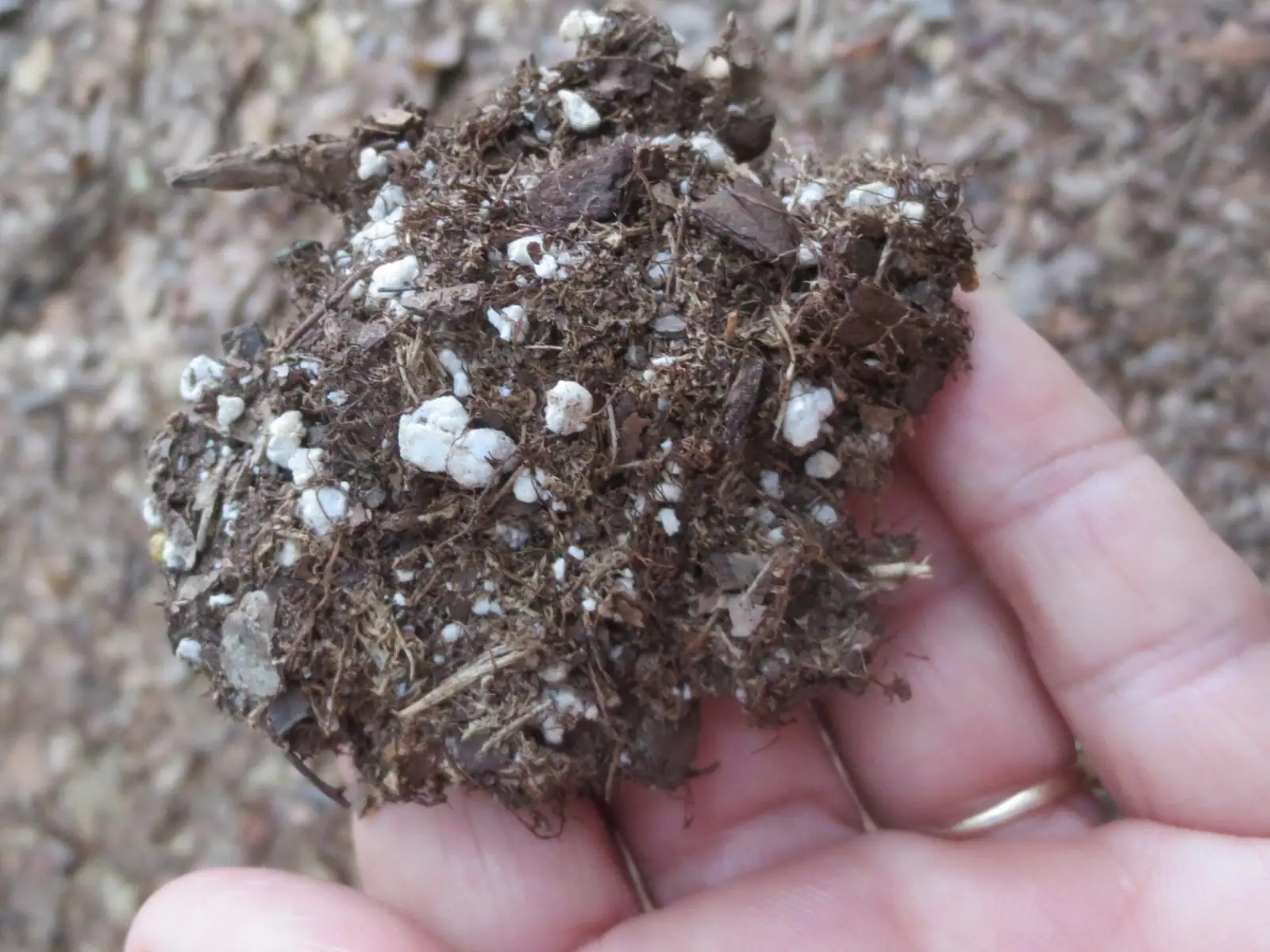
- Soil: Loose, airy, well‑draining mix—about 2 parts quality potting mix to 1 part perlite.
- Watering rhythm: Evenly moist, never soggy. Water when the top 1–2 cm (0.4–0.8 in) just begins to dry; empty the saucer.
- Rotation: Turn the pot about half a turn weekly for even, compact growth.
Month‑by‑month care calendar
January
- Light/Temp: Keep it bright and warm; avoid cold drafts. Aim 18–22°C (64–72°F).
- Water: Sparingly—allow the surface to dry a bit more than in summer.
- Feed: Pause feeding unless you see active growth.
- Pinch: Minimal—just remove the very longest tips to maintain shape.
- Humidity: Indoor heat is drying. Use a pebble tray or grouping; target 40–50%+.
- Watch for: Leaf drop from chills; spider mites in dry rooms.
February
- Light/Temp: Still winter mode. Gently increase light by edging it closer to bright windows (no harsh sun).
- Water: As in January. Slow, thorough water; no standing water.
- Feed: Optional, very light once late month if growth resumes.
- Pinch: Light tip‑pinching to prevent early spring legginess.
- Humidity: Maintain 40–50%+ with airflow to prevent leaf spot.
March
- Light/Temp: Days lengthen—perfect repot window.
- Repot: Step up one size if rootbound (e.g., 12–15 cm / 5–6 in pot; up to ~18–20 cm / 7–8 in for fuller clumps). Refresh to a perlite‑lightened mix.
- Cutback and reshape: Combine repotting with a stronger prune if the plant is lanky—cut back to a couple of basal nodes to reset the mound.
- Water: Return to evenly moist—top 1–2 cm dry between waterings.
- Feed: Start your feeding track (see “Feeding options” below).
- Pinch: Resume regular tip‑pinching after new growth appears.
April
- Light/Temp: Bright, indirect light; steady warmth 18–24°C (64–75°F).
- Water: Evenly moist; empty the saucer.
- Feed: Continue your spring schedule.
- Pinch: Pinch each stem after every 3–4 new leaves to promote tight branching.
- Humidity: 45–55%+ keeps edges crisp and the silver vivid.
May
- Light/Temp: Near peak growth. Shield from direct midday sun.
- Water: Slightly faster dry‑down; monitor twice weekly.
- Feed: Either biweekly diluted fertilizer or your gentler schedule (see below).
- Pinch: Stay consistent—this is where you “bank” density for summer.
- Propagate: Take 5–12 cm (2–4.7 in) tip cuttings; root in water or moist perlite/peat. Warmth (18–22°C / 64–72°F) speeds rooting.
June
- Light/Temp: Warm and bright, not scorching. Indoors or shaded patio in frost‑free climates.
- Water: Evenly moist; heat may mean more frequent watering.
- Feed: Continue.
- Humidity: Bump to 50–60%+. Mist lightly in the morning only if airflow is good; otherwise use pebble trays.
- Pinch: Touch up weekly to keep it mounded, especially in hanging baskets.
- Watch for: Spider mites/mealybugs—rinse foliage if dusty, treat early if needed.
July
- Light/Temp: Peak summer heat—keep away from hot glass and noon sun.
- Water: Don’t let it stay soggy. Thorough soak; drain fully.
- Feed: Continue schedule.
- Pinch: Maintain roundness; remove any overly tall leaders.
- Humidity: Sustain 50–60%+ with fans on low for airflow.
- Outdoors (very warm zones): Shade/filtered light only; never allow temps near 10°C (50°F) overnight if you move it outside at high elevations.
August
- Light/Temp: Similar to July. Heat can dull pattern if stressed—keep conditions steady.
- Water/Feed: Same as July; this can be your last month of “gentle every‑2‑months” feeding if you’re on that track.
- Pinch: Keep it tight. One last formative pinch spree before fall.
- Note: Tiny, inconspicuous blooms may appear this season; enjoy the foliage show—flowers are easy to miss.
September
- Light/Temp: Light softens; growth begins to slow.
- Water: Slightly extend intervals between waterings as dry‑down slows.
- Feed: If on the biweekly plan, continue at reduced strength; many growers taper now.
- Pinch: Final shaping to hold a neat cushion through winter.
- Propagate: Another nice window for cuttings or to divide a full clump.
October
- Light/Temp: Move a bit closer to windows as daylight wanes, but keep the sheer.
- Water: Reduce frequency; avoid cold, wet soil.
- Feed: Drop to monthly at most, or pause as growth slows.
- Humidity: Indoor heat returns—reestablish trays/grouping.
- Watch for: Lower light can fade silver and invite legginess—compensate with brighter placement and steady pinching.
November
- Light/Temp: Protect from drafts; avoid windows that dip below 8–10°C (46–50°F) at night.
- Water: Conservative—let the top 1–2 cm dry; never water “early.”
- Feed: Usually paused.
- Pinch: Minimal—snip only what’s truly lanky.
- Clean‑up: Remove tired leaves; keep the crown airy to reduce leaf spot.
December
- Light/Temp: Brightest spot you’ve got without harsh sun. Keep it warm (ideally 18–22°C / 64–72°F).
- Water: Go easy; shorter days = slower sips.
- Pinch: Light touch.
- Polish: Dust the leaves gently with a soft brush or tepid shower to keep the silver bright; dry leaves promptly to avoid spotting.
The pinching playbook (how to stay cushiony)
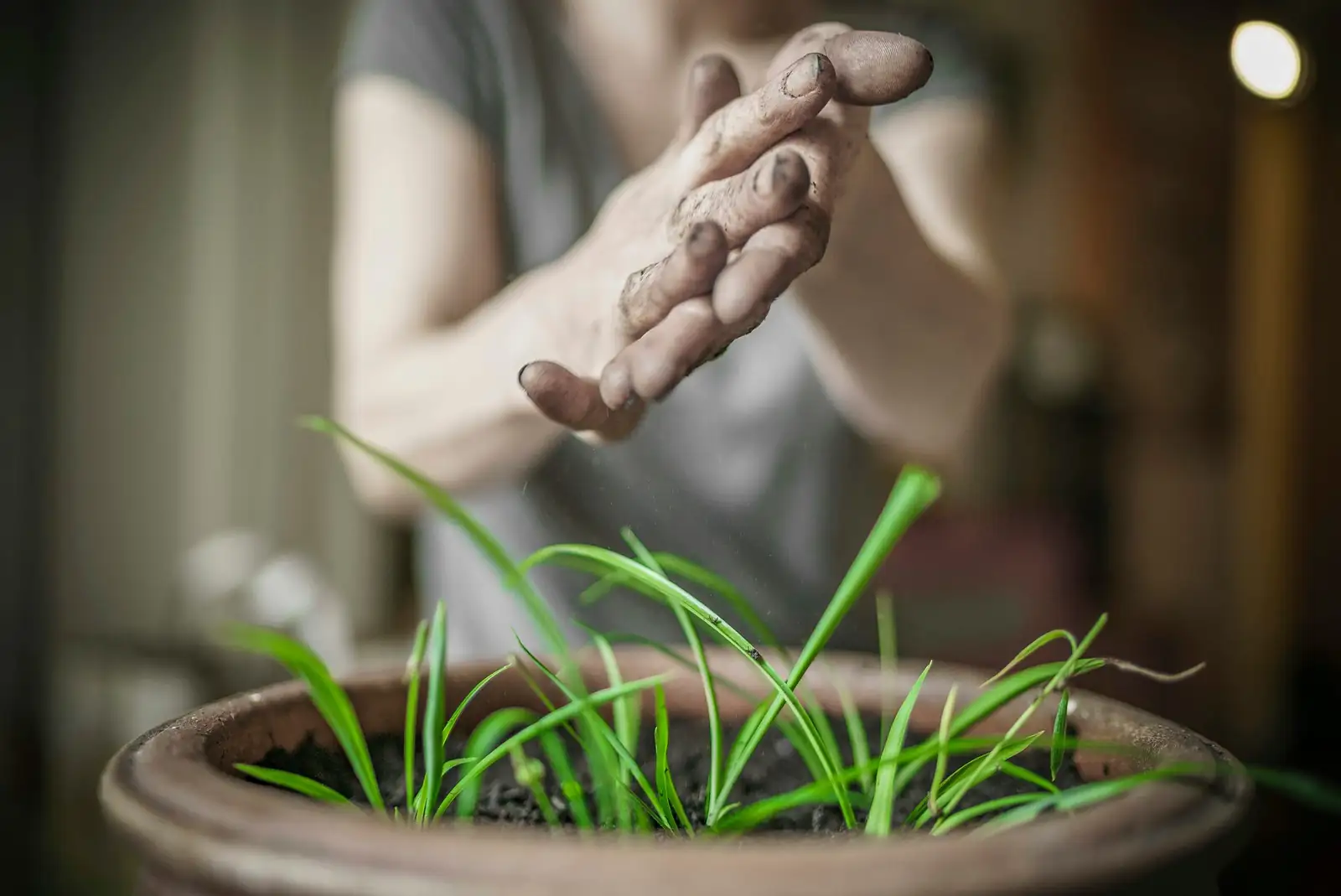
- Where to pinch: Use fingers or clean snips just above a leaf node on soft new tips.
- When: After every 3–4 new leaves on a stem during active growth.
- Hard resets: In spring, don’t fear a bold cutback to a couple of basal nodes on leggy stems—Pilea cadierei rebounds quickly and branches readily.
- Rotation + pinching: Turn the pot halfway each week; pinch the new “front” tips. This combo prevents lean and builds a dense dome.
Feeding options at a glance
Choose one track based on how fast your plant is growing:
- Track A (steady and simple): Balanced liquid houseplant fertilizer every 2 weeks at label rate (or half‑strength) from spring through early fall. Reduce to monthly or pause in winter.
- Track B (gentle minimalist): One feeding about every 2 months from May–August with a diluted organic liquid or a balanced/bloom‑leaning formula used sparingly. Pause outside that window.
Pro tips:
- Always water first, then feed on damp soil.
- Avoid splashing fertilizer onto leaves.
- If light is low or temperatures are cool, feed less.
Troubleshooting thresholds and quick cues
- Light too harsh: Scorched, dulled patches; move back or add a sheer.
- Light too low: Faded silver, brown tips/edges, stretched stems; move brighter and pinch.
- Too cold: Leaf yellowing/drop accelerates below ~10°C (50°F); serious loss below ~5°C (41°F).
- Overwatering: Yellowing and limp stems; check drainage and let the top 1–2 cm dry before the next watering.
- Humidity too low: Crispy edges and mite pressure; aim for 40–60%+ with airflow.
Quick propagation boosts
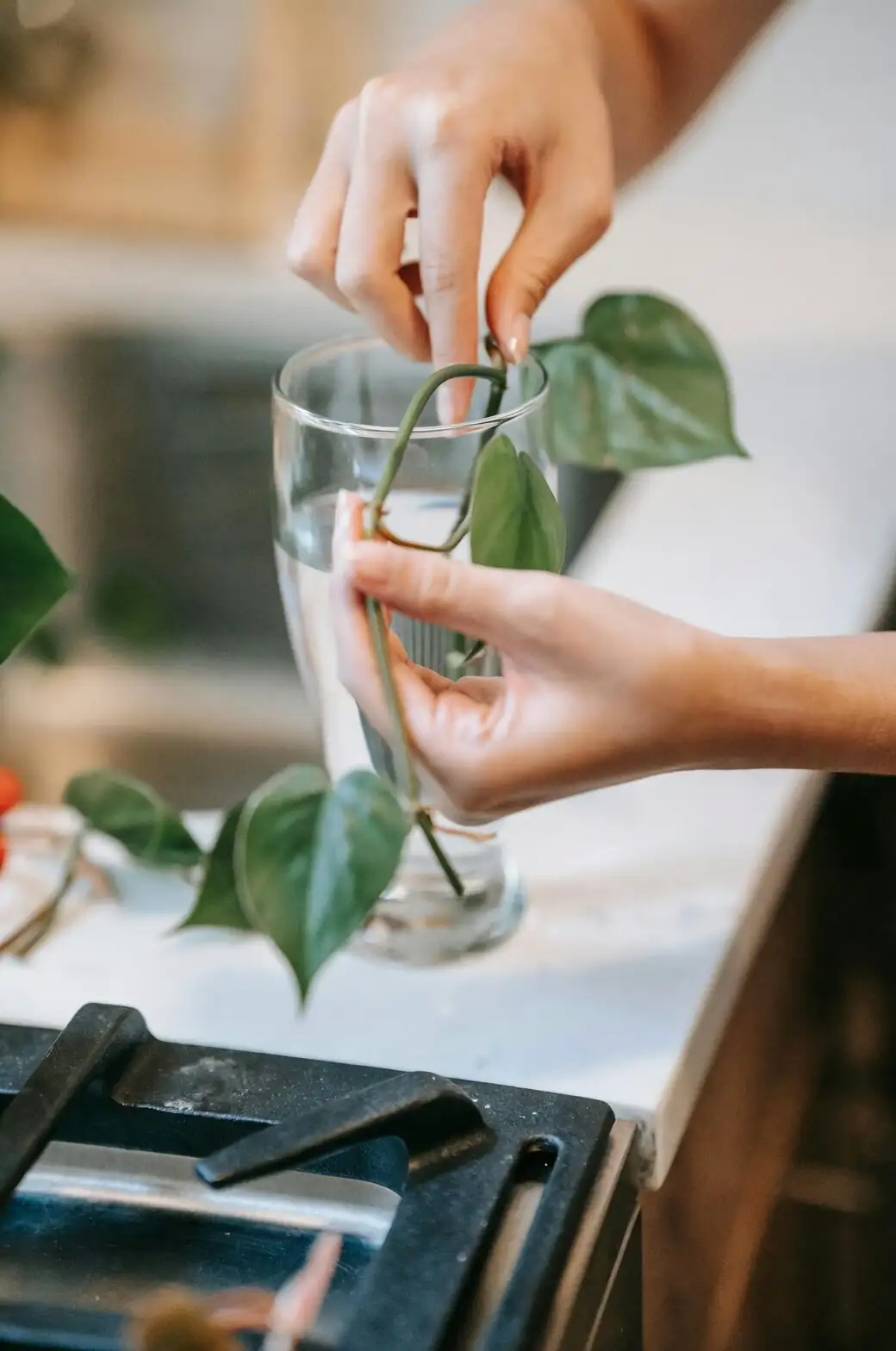
- Tip cuttings: 5–12 cm (2–4.7 in), remove lower leaves, root in water or a moist, airy medium (perlite/peat). Roots often appear in about a week in good warmth (18–22°C / 64–72°F).
- Potting on: Plant once roots are 2–5 cm (0.8–2 in). Pinch early for busyness.
- Division: During spring repot, split a full clump to restart compact plants for multiple spots or friends.
Pests and polish
- Usual suspects: Spider mites in dry air; mealybugs and aphids can appear.
- Prevention: Rinse foliage periodically, keep humidity moderate with good airflow, and avoid chronic leaf wetness.
- Treatment: Insecticidal soap or horticultural oil at first sign; follow label directions. Keep soil free‑draining to deter root rot; remove damaged leaves to improve hygiene.
A note on symbolism (and why it fits)
Gardeners often connect Aluminum Plant with freshness and vitality—its silver patches read as little flashes of energy in low‑light corners. While “flower language” lore is fluid and modern for foliage plants, the association makes sense: crisp contrast, lively sheen, and a habit that looks vigorous when tip‑pinched. Keep it bright, and that “sparkly” vibe never fades.
Safety quick note
Treat this plant as potentially mildly toxic if chewed or swallowed. Place it out of reach of curious pets and children, and seek professional advice if ingestion occurs.
With this calendar, a light hand on the watering can, and rhythmic tip‑pinching, your Pilea cadierei will stay neat, mounded, and metallic all year—like a small, well‑kept constellation of silver on your shelf.