

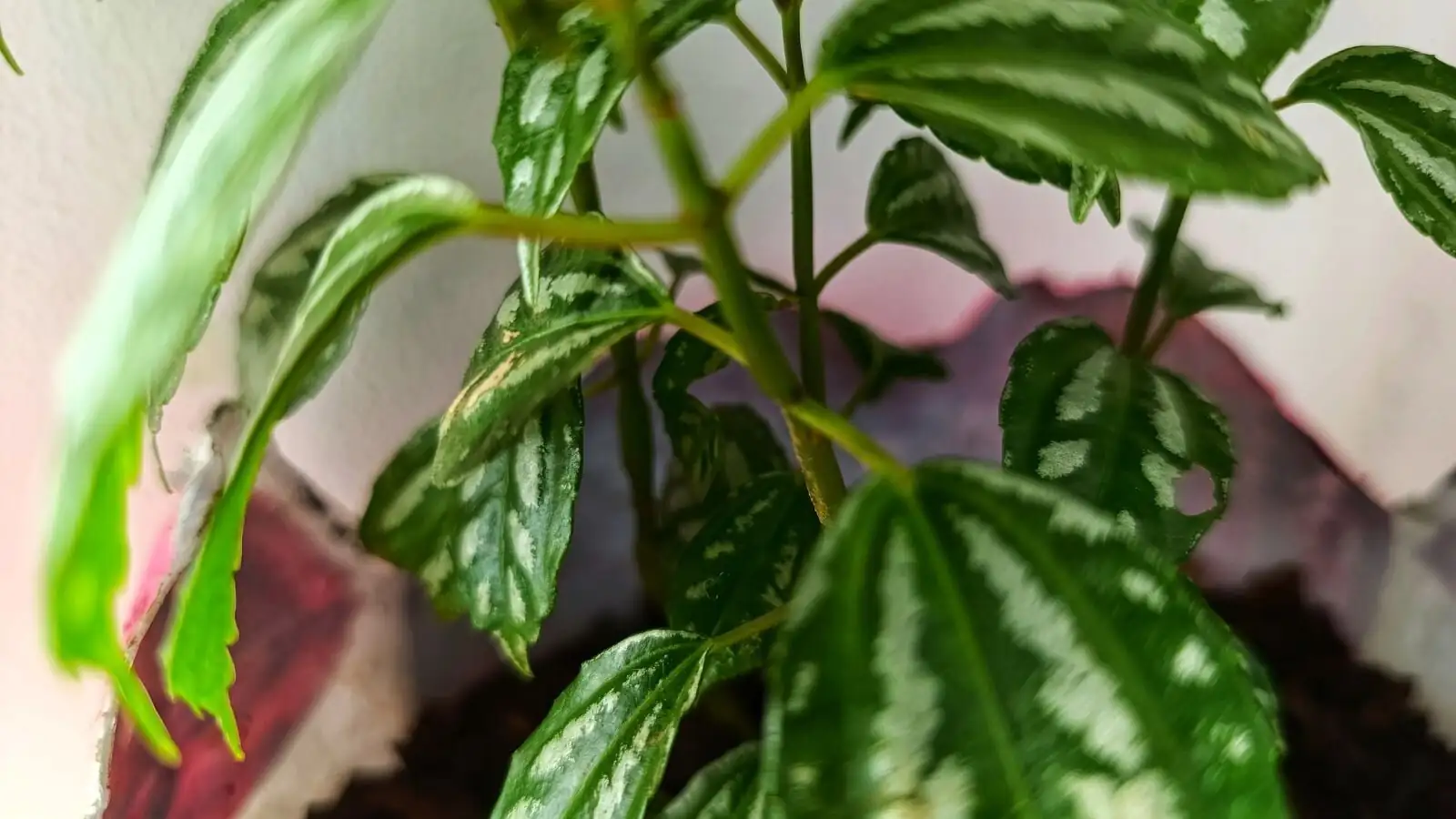
If you love plants that multiply as quickly as your confidence, the aluminum plant (Pilea cadierei) is your new favorite project. Those deep green, silver-splashed leaves aren’t just showy—they’re attached to one of the easiest, fastest-rooting houseplants around. Follow this timing-focused guide to take tip cuttings that root in days, divide mature clumps without drama, and keep every new start happy, compact, and rot-free.
The fast-rooting game plan at a glance
- Best seasons to propagate: spring is prime; early autumn is a close second. Avoid winter unless you can provide warmth and bright conditions.
- Sweet-spot temperature: 18–22°C (64–72°F) for rooting; keep the plant generally at 15–25°C (59–77°F).
- Light: bright, indirect light. Think near an east/north window or back from a filtered south/west exposure; no harsh midday sun.
- Humidity: moderate to high (40–60%+); good airflow prevents leaf spot.
- Rooting speed: often about 1 week in good conditions.
- Rooting choices: water or an airy mix (about 2 parts potting mix to 1 part perlite). Both work beautifully.
Tip cuttings: step-by-step to roots in a week
1) Choose and prepare your cuttings
- Pick healthy, non-floppy stems with strong silver patterning.
- Length: 5–12 cm (2–4.7 in). Aim for at least 2 nodes (the little leaf/stem joints).
- Make a clean cut just below a node with sterilized scissors/pruners.
- Strip lower leaves to expose at least one node for rooting; keep 2–3 leaves up top.
- Optional pro move: if the top leaves are large, trim each by a third to reduce moisture loss.
- If you see tiny flower buds (common in summer), pinch them off—flowers are insignificant and can slow rooting.
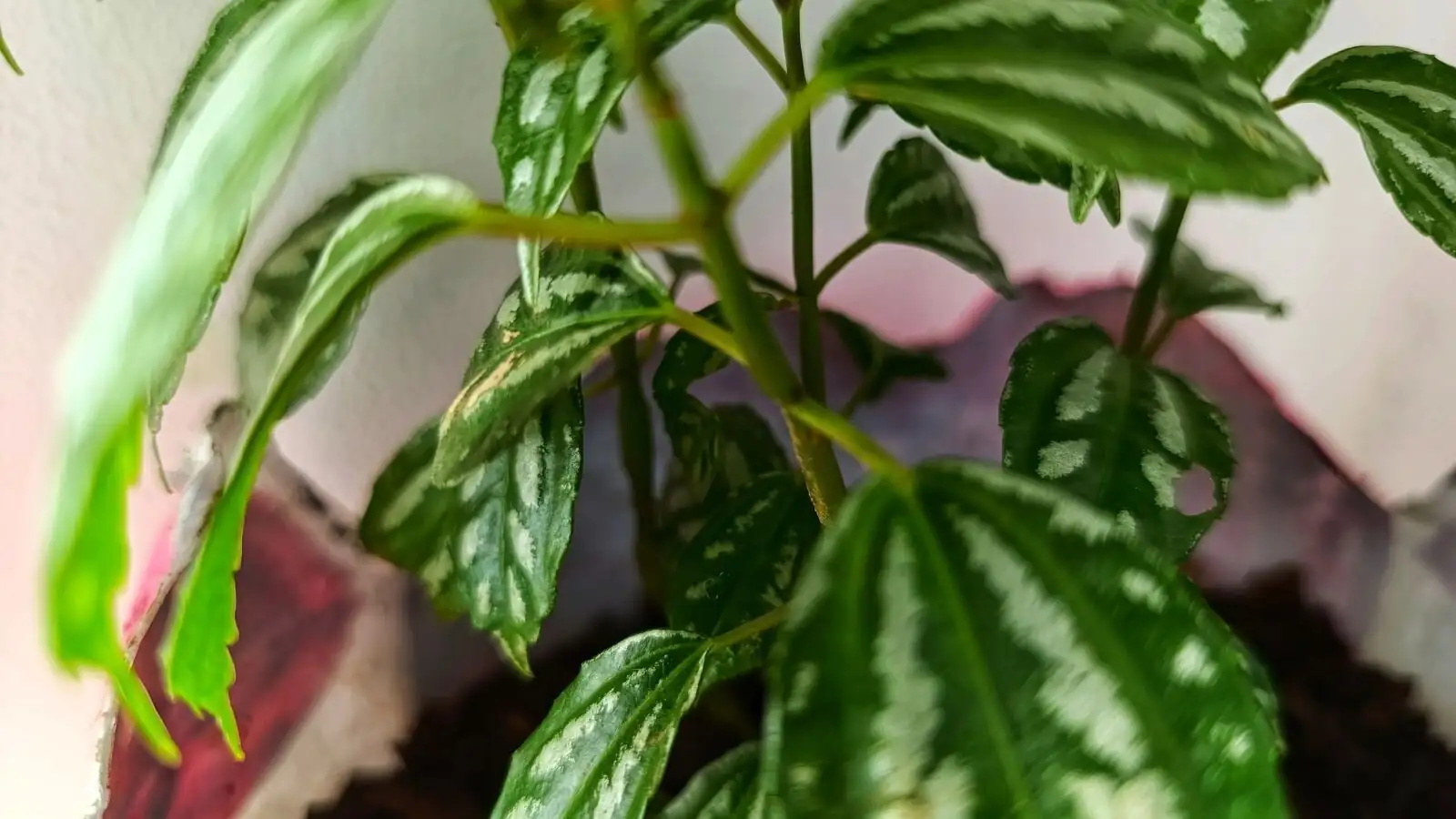
2) Choose your rooting route
A) Water method (see the magic happen)
- Vessel: a small, clean glass jar. Fill with room-temperature water.
- Submerge only the lowest node; keep leaves dry and above water.
- Place in bright, indirect light at 18–22°C (64–72°F).
- Change water every 2–3 days.
- Timing: roots often appear in about 1 week. Pot up when roots reach 2–5 cm (0.8–2 in).
Potting up from water:
- Mix: ~2 parts high-quality houseplant soil + 1 part perlite (a pinch of coarse sand is a bonus).
- Pot: small, with a drainage hole. Make a hole first to avoid snapping fragile roots.
- Plant gently, firm lightly, water through, then drain.
B) Mix method (roots form right where they’ll live)
- Pre-moisten your airy mix (2:1 potting mix:perlite).
- Use a slender tool to make a planting hole slightly wider than the cutting base.
- Insert so at least one node is buried; firm lightly.
- Create a mini greenhouse if your home is dry: a ventilated clear cover or humidity dome—keep leaves from touching the cover and allow gentle airflow.
- Keep warm (18–22°C) in bright, indirect light. Mist the air (not the leaves) if needed and let the mix stay just evenly moist, never soggy.
- Timing: tiny roots often form in about a week; let the new plant grow on for a couple of weeks before moving or uppotting.
Pro tips for speed and success
- Warmth is everything: bottom warmth around 20–22°C encourages fast rooting.
- Light, not sun: a sheer curtain is your friend—too much sun scorches and dulls the silver; too little light fades it and causes floppy growth.
- Airflow beats wet leaves: if you mist, do it in the morning and keep air moving to discourage leaf spot.
- Plant in groups: set 3–5 cuttings per pot for an instant, bushy start.
- Rotate weekly once planted to keep growth even and compact.
Division: instant clones when your pot is full
Got a well-filled mound? Division gives you ready-to-grow plants with their own roots.
Best timing
- Spring is ideal (often paired with repotting). Early autumn can work in warm indoor conditions.
Step-by-step
- Water the parent plant the day before to ease separation.
- Slide the plant out and gently tease the root ball apart with fingers. For tight clumps, use a clean, sharp knife.
- Aim for divisions with several stems and a healthy portion of roots each.
- Pot divisions into snug containers with the airy Pilea mix (2 parts potting soil, 1 part perlite). Don’t overpot.
- Water through, drain, and place in bright, indirect light with moderate humidity.
- Pinch the stem tips after a week or two to encourage immediate branching.
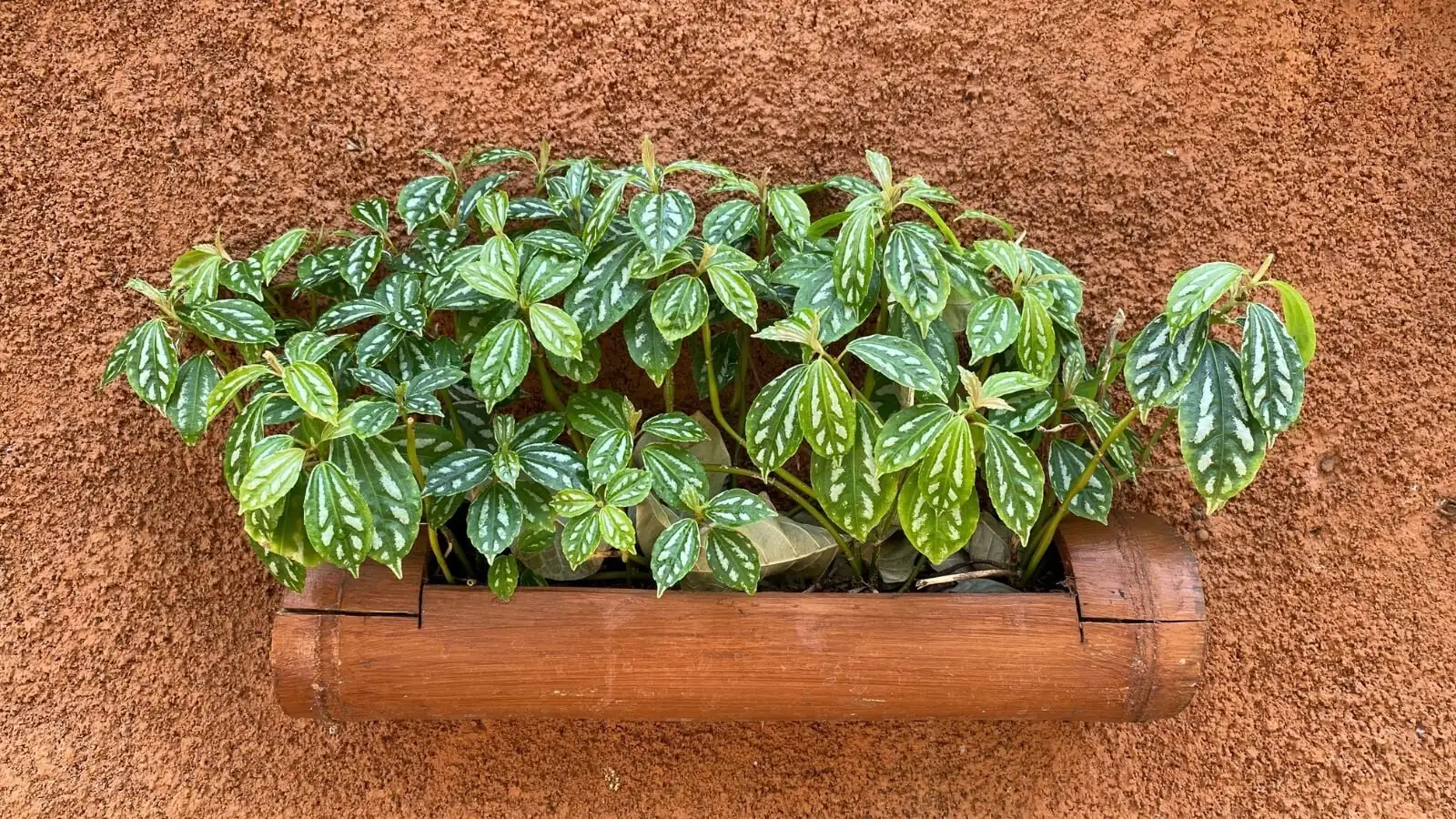
Division aftercare
- Keep evenly moist—not wet—through the first month.
- Skip fertilizer for 3–4 weeks; then feed lightly during active growth.
- Maintain temperatures in the 18–24°C (64–75°F) range for quick rebound.
After rooting: the first month that matters
- Week 1–2:
- Water when the top 1–2 cm (0.4–0.8 in) of mix just begins to dry; always empty the saucer.
- Keep warm (18–24°C) and in bright, indirect light.
- Maintain 40–60% humidity with decent airflow.
- No fertilizer yet.
- Week 3–4:
- Begin light feeding during active growth: either a balanced liquid houseplant fertilizer every 2 weeks (at label rate or half-strength), or a gentler once-every-2-months diluted organic feed from May–August.
- Pinch tips to build a dense, cushiony mound.
- Still avoid harsh direct sun; rotate the pot weekly.
Avoiding rot: the golden rules
- Use a free-draining mix (about 2:1 potting mix:perlite; add coarse sand if you have it).
- Choose a pot with a drainage hole and don’t jump too many pot sizes at once.
- Water thoroughly, then drain—never let the plant sit in water.
- Let the surface of the soil dry slightly between waterings; reduce frequency in winter.
- Keep leaves mostly dry; if misting, do it lightly and ensure airflow to prevent leaf spot.
- Hygiene counts: use sterile tools, discard blackened stems/leaves, and keep the pot rim clean.
- Early warning signs:
- Yellowing leaves + soggy mix + sour smell = overwatering.
- Remedy: unpot, trim mushy roots, repot into fresh airy mix, and water sparingly until recovery.
- If disease pressure is high, some growers use preventative/traditional fungicides (e.g., Bordeaux mixture) or treatments like thiophanate-methyl—always follow local regulations and label directions.
Light, temperature, and humidity sweet spots
- Light: bright, indirect; east or north windows are perfect. Filter strong south/west light with a sheer curtain.
- Temperature: 15–25°C (59–77°F) is best. Protect from chills; issues can start around 8–10°C (46–50°F) and leaves may drop quickly below about 5°C (41°F).
- Humidity: moderate to high (40–60%+). Pebble trays or grouping plants help; keep airflow steady.
A seasonal quick-plan
- Spring: top time for tip cuttings and division; repot if rootbound; hard cutbacks reset older, leggy plants.
- Summer: keep moisture even and humidity up; shield from harsh midday sun; continue light feeding.
- Autumn: another excellent window for taking cuttings before winter slowdown.
- Winter: brighten the light, water less often, and keep warm, draft-free conditions. Propagation slows unless you maintain the 18–22°C rooting zone.
Pest watch on fresh growth
- Usual suspects: spider mites (dry air), mealybugs, aphids (love soft new tips).
- Tactics: rinse foliage, improve humidity/airflow, and treat early with insecticidal soap or horticultural oil per label directions.
Safety note
Treat Pilea cadierei as potentially mildly toxic if chewed or swallowed. Keep it out of reach of curious pets and children, and seek professional advice if ingestion occurs.
Why your new plants will look extra-polished
- Pinching is your secret weapon: every tip pinch encourages branching and a mound of silver-splashed leaves.
- Bright indirect light keeps the metallic variegation crisp. Too little light fades the silver and invites legginess.
A small bit of plant “language”
Aluminum plant often symbolizes freshness and vitality—the bright, brushed-silver patches read as little sparks of energy in shade. While it doesn’t have an ancient, codified flower language, modern indoor gardeners love it for the instant lift it gives dim corners—like switching on a soft, natural spotlight.
—
Ready to turn one Pilea into many? Start a few 5–12 cm tip cuttings, warm them to 18–22°C in bright, indirect light, and you’ll be potting up rooted starts in about a week. Keep the mix airy, the water sensible, and the airflow gentle—and rot won’t stand a chance.