

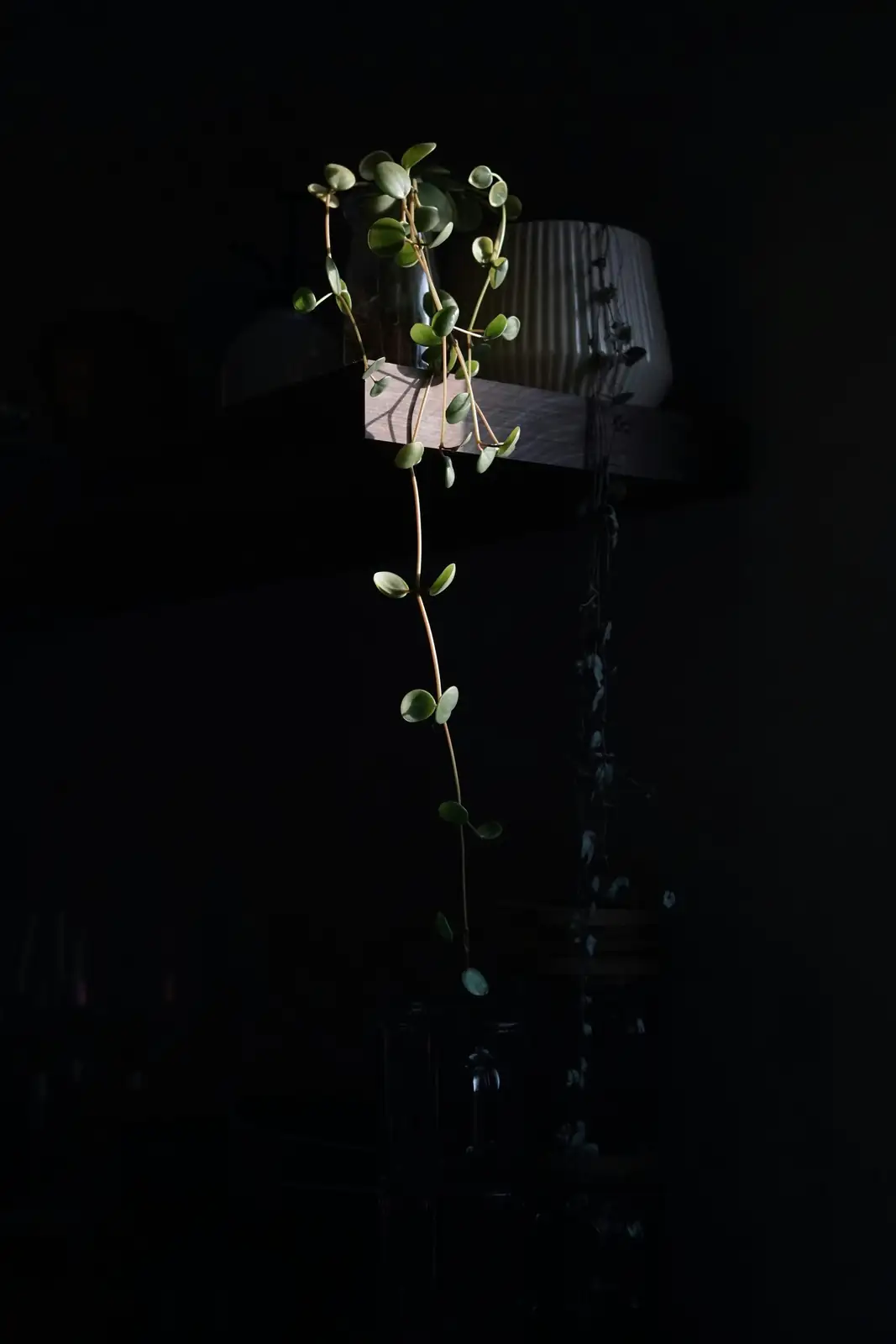
Meet the plant that turns shade into a light show. Pilea cadierei, the Aluminum Plant, wears a leaf pattern so silvery and precise it looks hand-painted—then winks back when a beam of light glances across it. If you’ve ever wondered how that “brushed metal” look happens (and why the plant plumps up with new side shoots right after a single pinch), this deep dive is for you.
Quick profile
- Botanical name: Pilea cadierei (family Urticaceae)
- Common names: Aluminum Plant, Aluminum Pilea, Watermelon Pilea
- Native range: Vietnam
- Habit and size: Compact, upright-to-mounding foliage plant, typically 20–30 cm (8–12 in) tall and wide
- Best for: Bright, indirect light; small pots, shelves, desktops, hanging baskets, and warm, shaded outdoor beds in frost-free climates
The science behind the shine: leaf anatomy, vein maps, and metallic optics
Pilea cadierei’s “aluminum” effect is all about architecture and optics.
1) The quilted build
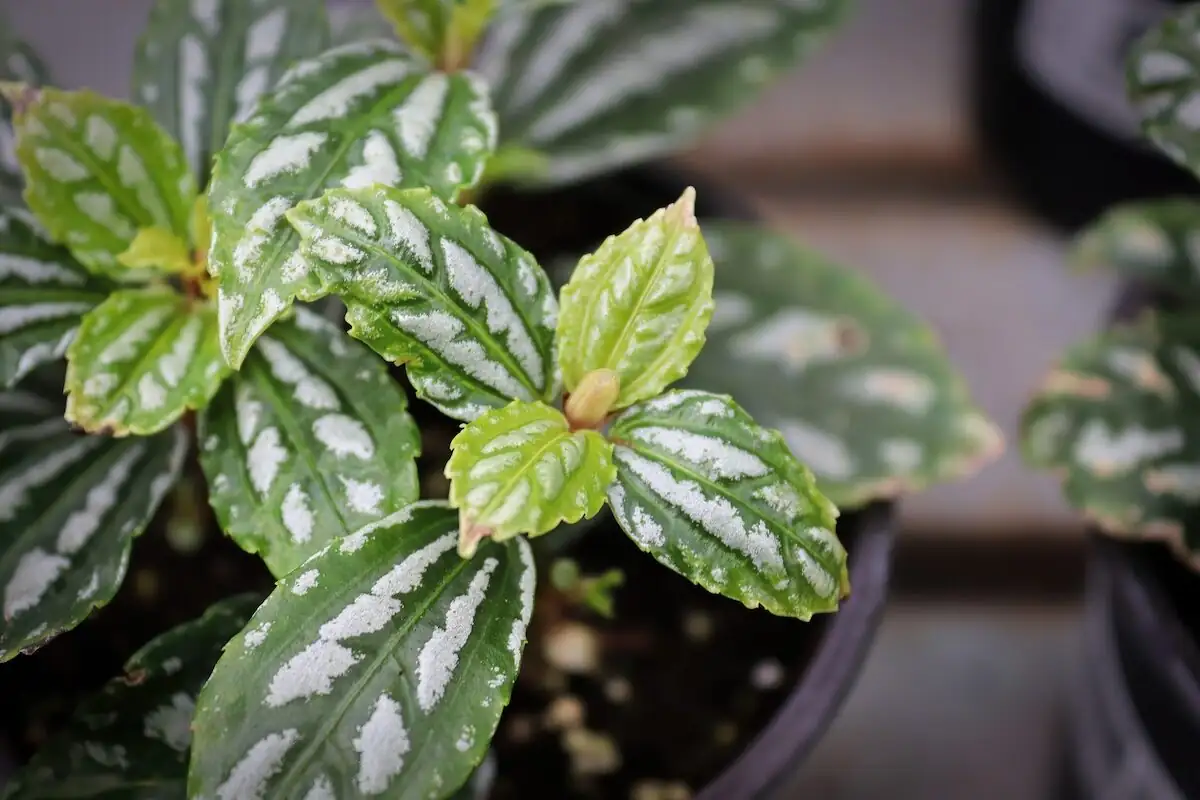
Run your finger over a healthy leaf and you’ll feel a gentle quilting—small rises and dips. This micro-sculpting does two things:
- It frames the silver into neat rows that visually “pop.”
- It changes how incoming light bounces, creating tiny highlights and lowlights across the blade.
2) Vein-aligned variegation
Look closely and you’ll notice those silver patches are organized in lanes that track along the major veins—often four rows per leaf. That’s because the pattern is tied to the leaf’s vascular map. Where each primary and secondary vein lays down structure, surrounding tissues develop with slightly different cell densities and chlorophyll content. The green fields hold chlorophyll; the silvery “plaques” have far less (often effectively none), so they don’t absorb as much light. Instead, they scatter and reflect it, reading to our eyes as metallic.
3) Why it flashes like metal
The silvery areas act like natural reflectors:
- Fewer chloroplasts = less green absorption and more back-scattered light.
- Smooth, slightly raised surfaces produce a crisp, bright glint at certain angles (that “brushed aluminum” vibe).
- Under strong but indirect light, the sheen intensifies. Under low light, the pattern looks dull or muddied as the plant stretches (and you’ll see more floppy, leggy growth).
In short: the Aluminum Plant’s famous finish is an optical trick rooted in anatomy—veins lay the tracks, cell structure sets the reflectors, and your lighting brings the show to life.
Light-play decoded: how to keep the silver singing
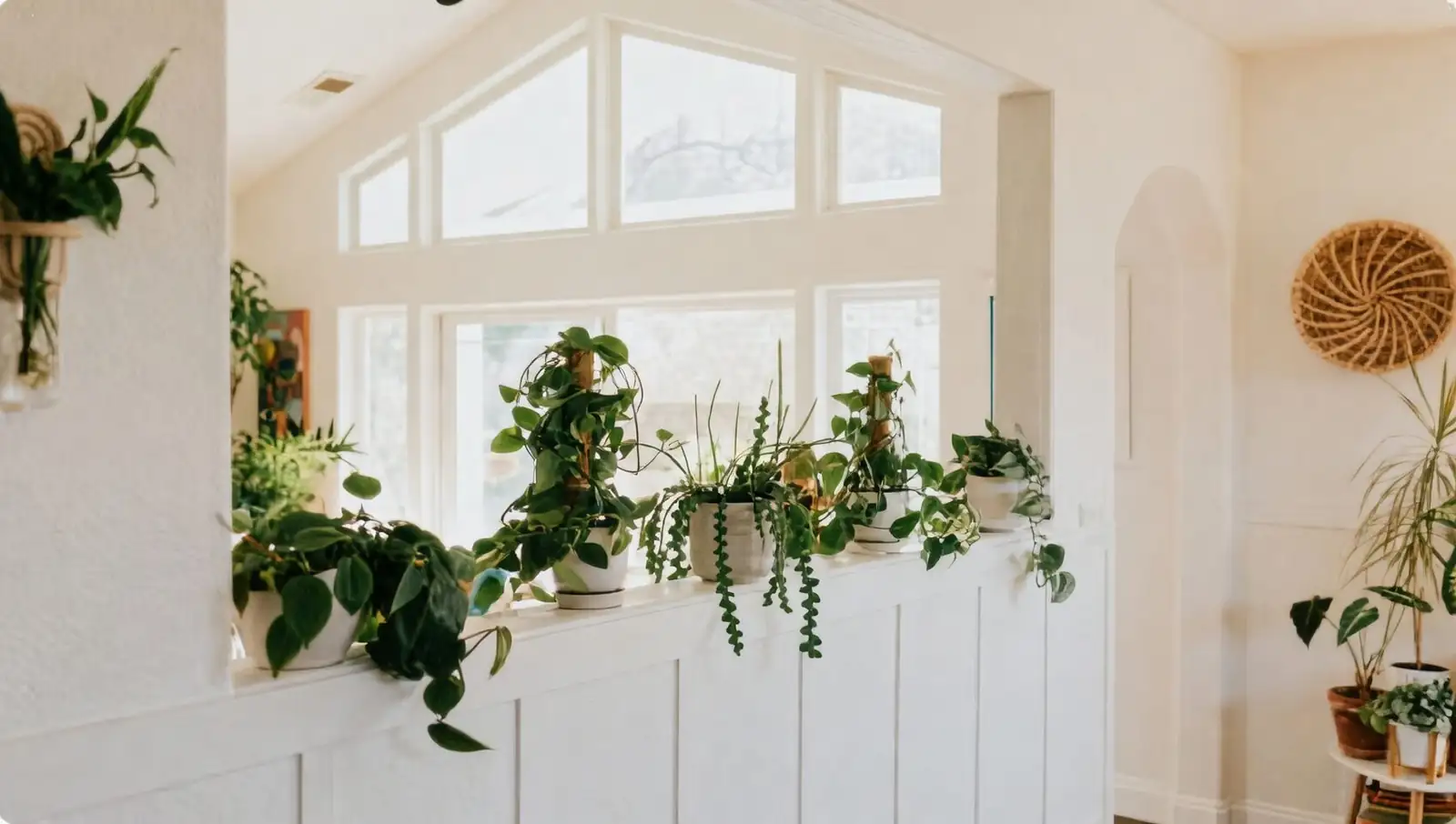
- Sweet spot: bright, indirect light. Think an east window, a bright north window, or a few feet back from a south/west exposure with a sheer curtain.
- Too much harsh sun: scorches, shrinks, and blanches leaves; the pattern looks washed out.
- Too little light: silver fades, tips may brown, and stems stretch and flop. If you’re squinting to read nearby, your plant is probably underlit.
Pro tip: Slowly rotate the pot a half-turn each week. Even exposure keeps the silver lanes symmetrical and the mound evenly dense.
The delightful quirk: instant branching after a pinch
One gentle pinch, and this plant behaves like a magician pulling scarves from a sleeve.
Here’s why: the terminal tip (apical bud) produces hormones that suppress the side buds (apical dominance). When you remove that tip, the brake is off. Cytokinins in the stems nudge those resting buds awake, and within days you’ll see multiple new shoots fanning out. Regular tip-pinching is the secret to a dense, cushiony plant with that tidy, mounded look.
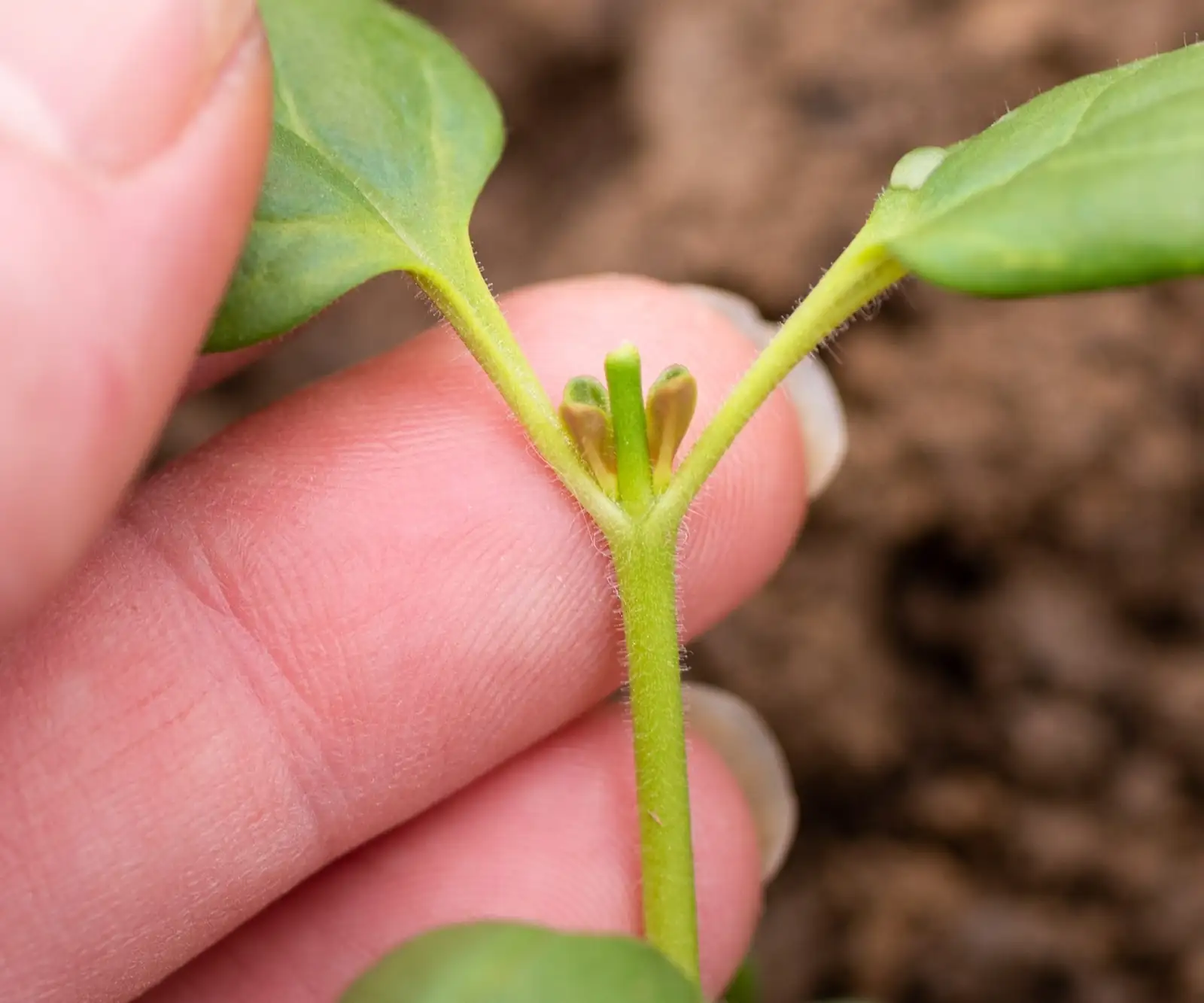
How to pinch:
- When stems reach about 10–15 cm (4–6 in), use clean fingers or snips to remove the topmost node.
- Repeat lightly and often. If a plant has gone leggy, do a spring reset—cut back to a couple of basal nodes and let it rebuild into a fresh mound.
Care that keeps the shimmer
Water and soil
- Watering rhythm: keep evenly moist, not wet, during active growth (spring through early fall). Water thoroughly when the top 1–2 cm (0.4–0.8 in) just begins to dry, then empty the saucer.
- Winter: water more sparingly—often about every 2 weeks depending on heat and light. Let the surface dry a bit more before the next drink.
- Potting mix: loose, airy, and well-draining. A peat-based or similar houseplant mix amended with perlite/coarse sand (about 2:1 mix:perlite) works beautifully. Soggy, heavy soils invite root rot.
Temperature and humidity
- Temperature: happiest at 15–25°C (59–77°F). Protect from chills—trouble can start around 8–10°C (46–50°F). Below ~5°C (41°F), expect rapid leaf yellowing and drop.
- Humidity: moderate to high (40–60%+). Light misting in summer, pebble trays, or friendly clustering with other plants helps—just keep airflow decent to prevent leaf spot.
Feeding
Feed lightly during active growth:
- Option 1: balanced liquid houseplant fertilizer every 2 weeks at label rate or half-strength, spring to fall.
- Option 2: a gentler plan—about once every 2 months from May–August with a diluted organic liquid or a balanced/bloom-leaning formula used sparingly.
- Reduce to monthly or pause in winter if growth slows. Avoid splashing fertilizer on the leaves.
Repotting
- Timing: spring is best. Young plants appreciate a yearly refresh; otherwise every 1–2 years or when rootbound.
- Sizing: step up one size (commonly into 12.5–15 cm / 5–6 in pots; up to 18–20 cm / 7–8 in for fuller specimens).
- Combine with a haircut: repot day is perfect for a hard cutback and light root pruning if your plant has gone tall or uneven.
Propagation: one plant becomes three (or ten)
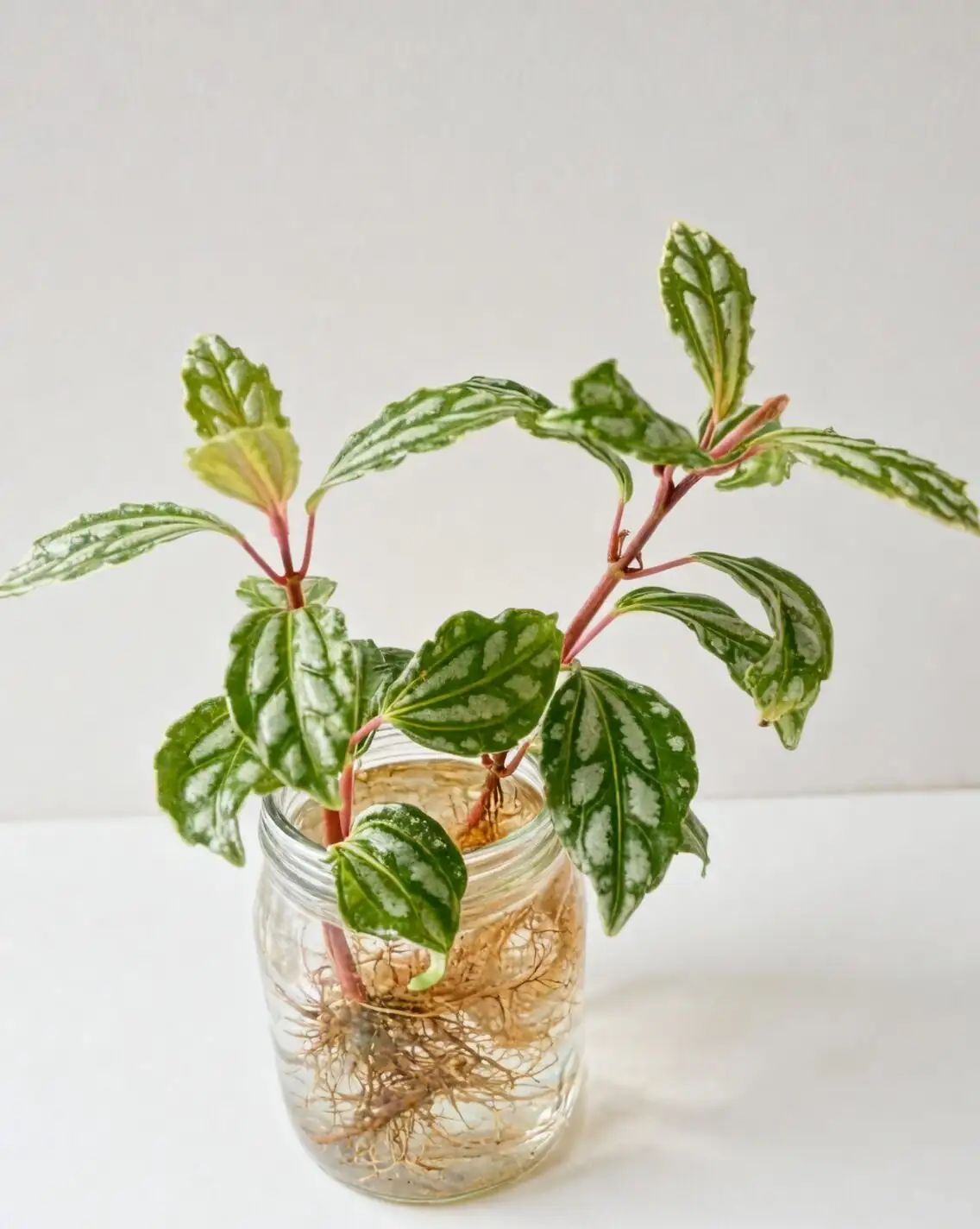
- Tip cuttings: take 5–12 cm (2–4.7 in) cuttings, remove lower leaves, and root in water or a moist, airy medium (perlite–peat/coarse sand). Warmth helps: 18–22°C (64–72°F).
- Speed: cuttings often root fast—around a week in good conditions. Pot up when roots reach 2–5 cm (0.8–2 in), or after a few weeks in mix.
- Division: established clumps can be gently split during repotting.
Flowers? Yes—technically
It may produce tiny, inconspicuous blooms, typically in summer. They’re easy to miss and the plant is grown almost entirely for its foliage. Feel free to pinch them off to keep energy in the leaves.
Pests, problems, and prevention
- Usual suspects: spider mites in dry air; mealybugs and aphids on soft new growth. Rinse foliage, boost humidity/airflow, and treat early with insecticidal soap or horticultural oil per label directions.
- Diseases: overwatering leads to root rot; prolonged wet leaves with poor airflow can cause leaf spot. Keep the mix free-draining and avoid standing water. Some growers use preventative/traditional fungicides (e.g., Bordeaux mixture) or treatments such as thiophanate-methyl—always follow local regulations and label guidance.
- Outdoor note (warm, frost-free climates): can occasionally attract scarab beetles in garden settings; monitor and manage early.
Styling and placement
- Indoors: a natural for bright shelves, desks, and hanging baskets; it shines in bathrooms with good light and in softly lit corners that need a lift.
- Outdoors (very warm, frost-free regions only, roughly USDA 11–12): makes a glossy groundcover in shade or filtered light, lending a polished, evergreen look.
Safety
Best treated as potentially mildly toxic if chewed or swallowed—especially for pets. Keep out of reach of nibblers and seek professional advice if ingestion occurs.
Care calendar at a glance
- Spring: repot if needed; pinch or prune to reset a compact mound.
- Spring–Fall: keep lightly and evenly moist; feed modestly; pinch tips often.
- May–August: continue light feeding on your chosen schedule.
- Summer: increase humidity support; protect from strong direct sun.
- Autumn: great window for taking cuttings.
- Winter: water sparingly after the surface dries; keep bright and warm; shield from drafts and temperatures below ~8–10°C (46–50°F).
FAQs
- Why are the silver markings fading?
- Light is likely too low. Move to brighter indirect light (closer to an east window or behind a sheer on a south window). Avoid harsh midday sun.
- Why is my plant getting leggy and floppy?
- Low light and lack of pinching. Brighten its spot and pinch regularly to encourage branching. A spring cutback quickly restores form.
- Why is it dropping leaves in winter?
- Cold and low light are prime culprits. Keep it 15–25°C (59–77°F), out of drafts, and water less often.
Symbolism: what the “aluminum” says
Modern houseplant culture links Pilea cadierei with freshness and vitality. The crisp silver patches catch and amplify ambient light, making a dim nook feel more energetic—almost “sparkly.” There’s no ancient folklore driving this; its meaning grew from the way it invigorates indoor spaces with reflective, living color.
—
If you remember just three things: give it bright, indirect light, keep the potting mix airy and evenly moist (never soggy), and pinch often. Do that, and the Aluminum Plant will repay you with a compact heap of leaves that shimmer like little mirrors every time the light shifts.