


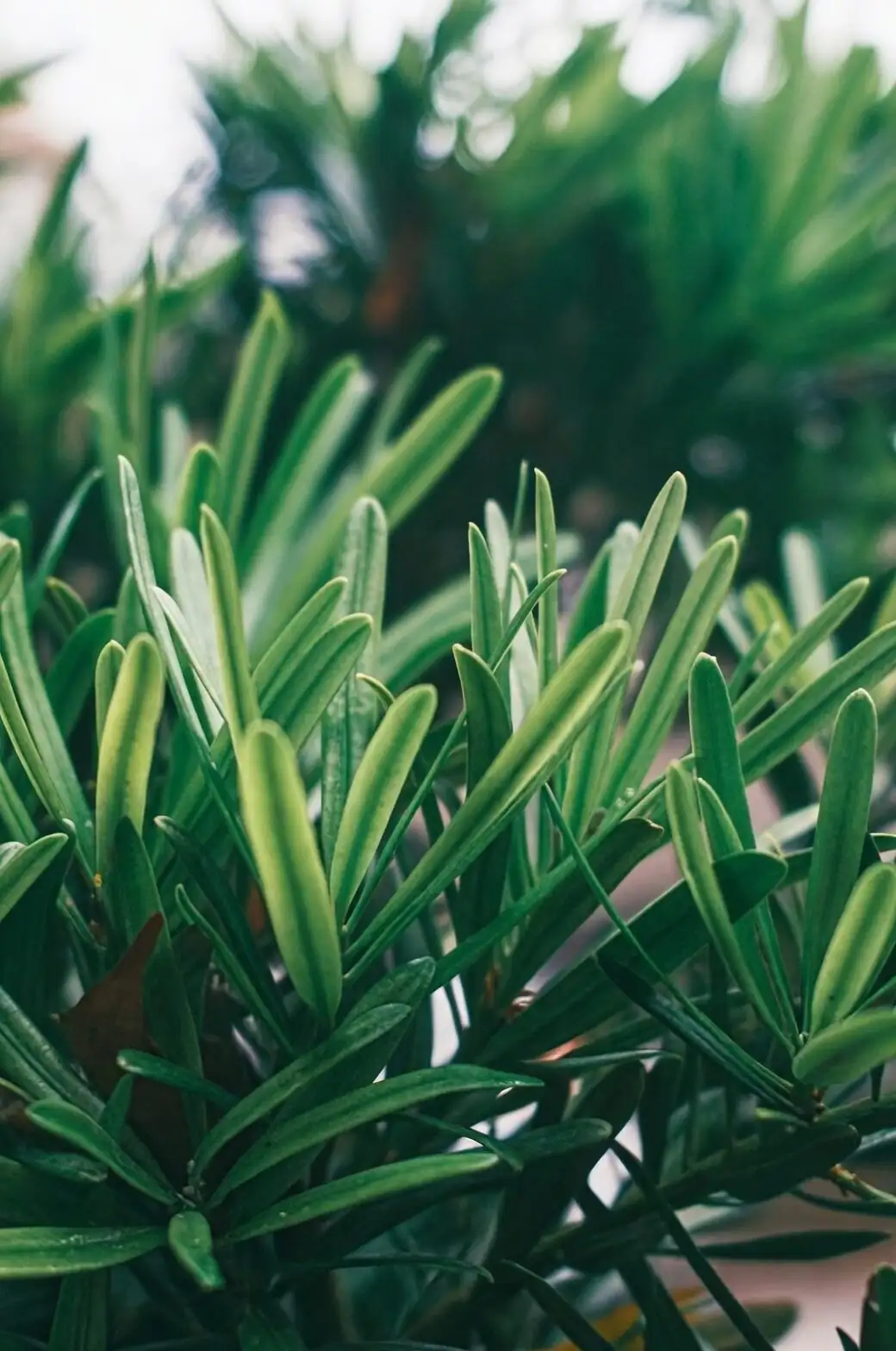
Ever met a plant that looks like a calm monk standing watch at your door? Podocarpus macrophyllus—better known as the Buddhist Pine (罗汉松, luóhàn sōng)—has carried that aura for centuries. With evergreen poise, sculptural “cloud-pad” foliage, and a name that invokes enlightened guardians, it sits at the crossroads of folk flower language, Buddhist symbolism, and feng shui practice. Here’s how those meanings took root—and how they still shape gifting customs and doorway traditions today.
What the “Buddhist Pine” really is
- Scientific name: Podocarpus macrophyllus
- Family: Podocarpaceae (it isn’t a true pine, but its needle-like leaves and evergreen dignity invite the comparison)
- Origin: China and Japan
- Also called: Japanese Yew, Podocarpus, Yew Plum Pine
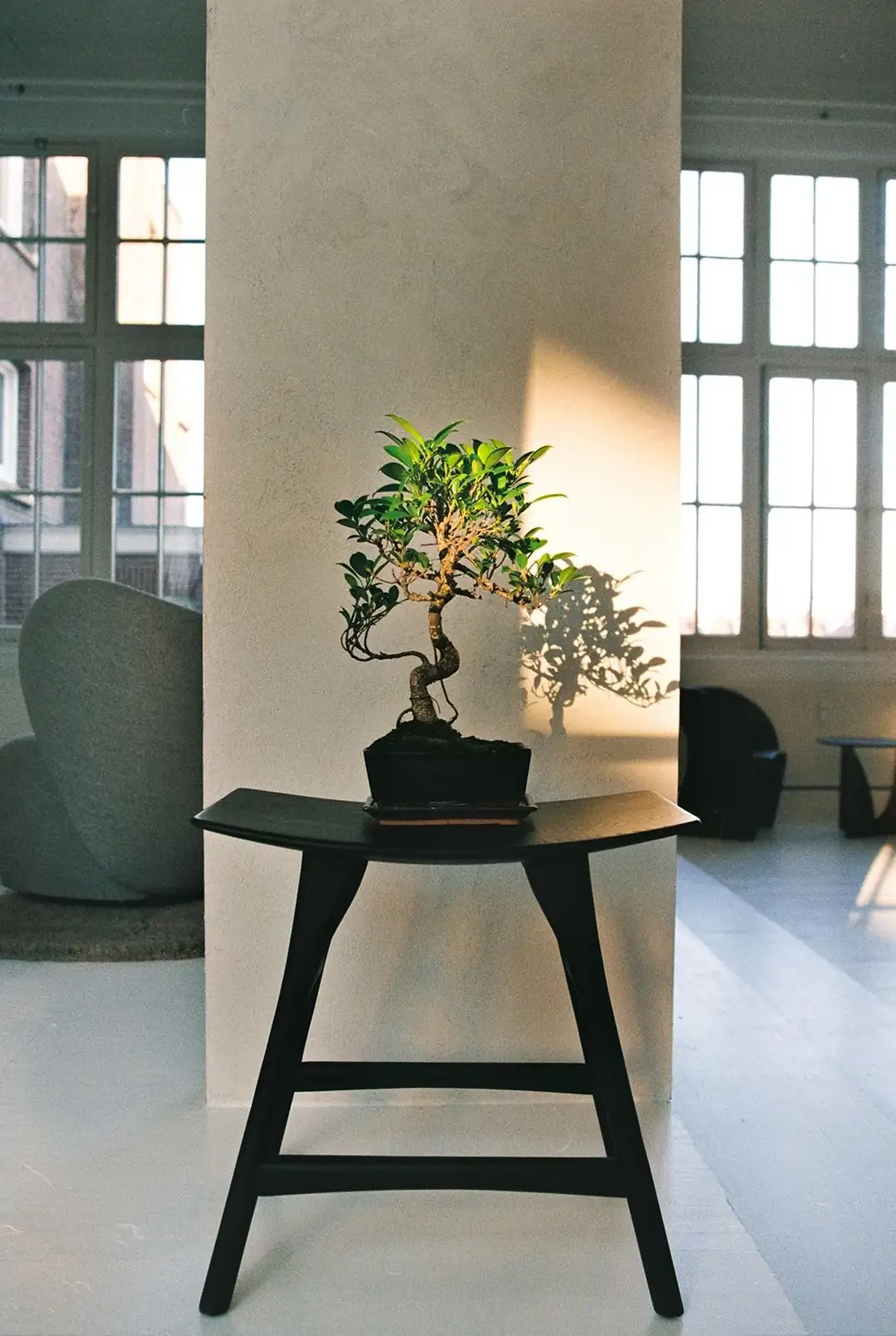
Beloved by bonsai fans, Buddhist pine trains beautifully: wiring and careful pruning create layered, cloud-like pads that feel both ancient and modern. In nurseries it’s often sold as a mini potted tree—young, flexible, and ready to be shaped.
The roots of its “flower language”: evergreen pine and the promise of longevity
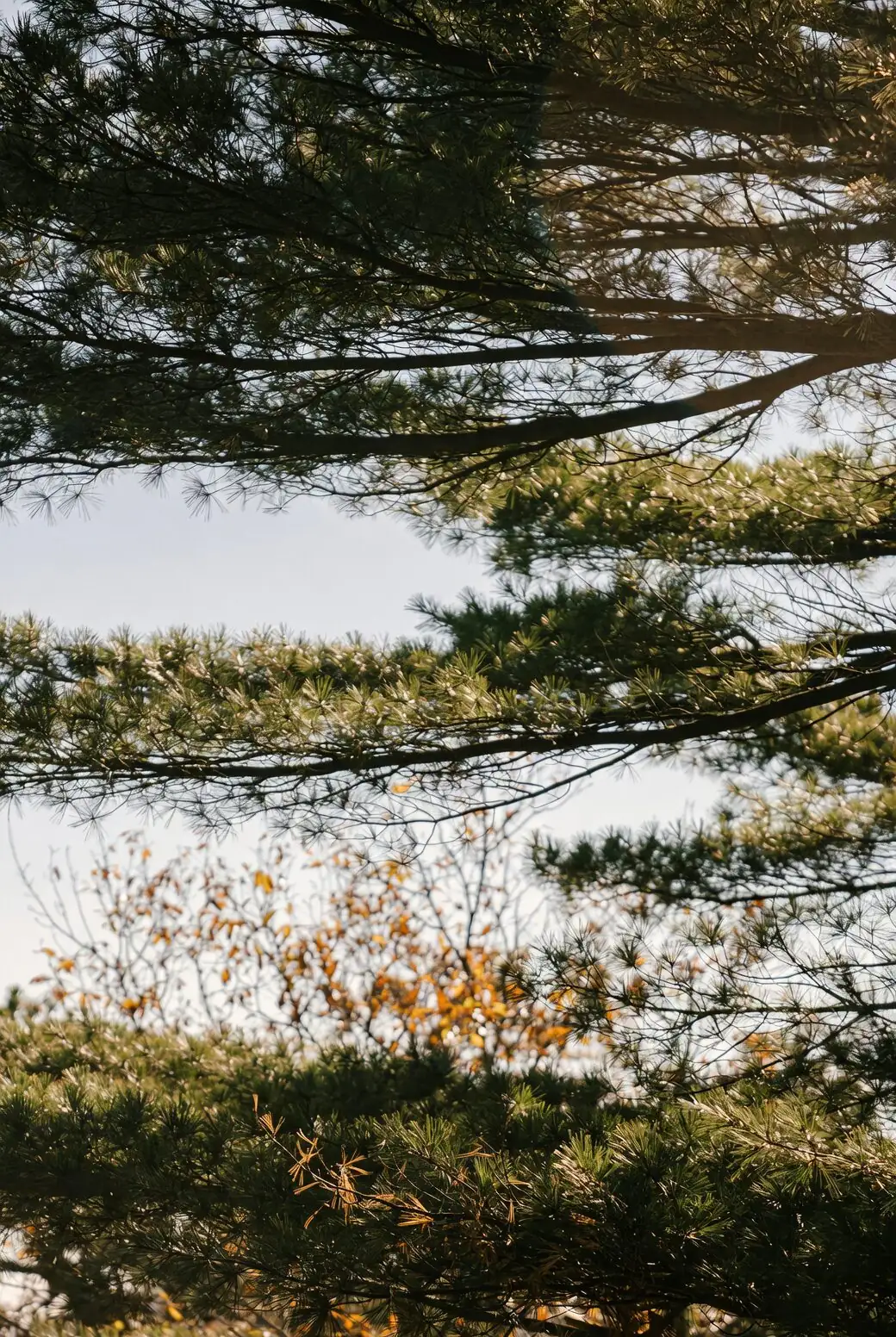
Chinese “flower language” (花语) is less a fixed dictionary and more a poetic tradition born from art, literature, and ritual. For Buddhist pine, its meanings draw heavily from the long-standing symbolism of pines:
- Evergreen constancy: Staying green through winter has long symbolized endurance, integrity, and long life.
- Moral uprightness: Pines are emblems of steadfast character—unbending in wind, unwavering in cold.
- Quiet resilience: The deep green, leathery leaves and tight form read as restraint and self-discipline.
So the folk “flower language” of Podocarpus naturally leans toward:
- Longevity and stable prosperity
- Steadfastness, patience, and moral fiber
- Protective presence and quiet strength
The luóhàn (Arhat) connection: why “Buddhist Pine” feels like a guardian
Its Chinese name—罗汉松—links it to the luóhàn, or Arhats: enlightened disciples in Buddhist tradition, often depicted as serene guardians. Over time, people began to read the plant’s poise through this lens:
- Guardian energy: A living “doorkeeper” that welcomes good fortune and steadies the household.
- Discipline and insight: Its slow, steady growth mirrors long practice and inner composure.
- Cleanliness of mind: The pared-down, cloud-tiered silhouette suggests clarity, order, and focus.
Whether planted near entrances or shaped into contemplative bonsai, Buddhist pine telegraphs the virtues of restraint and vigilance—soft power wrapped in evergreen.
Feng shui: from auspicious wood to living welcome sign
In feng shui, Buddhist pine carries classic “wood element” qualities—growth, vitality, resilience—tempered by stability.
What people aim for:
- Longevity luck at the threshold: Placing one (or a pair) by the entrance signals a long, flourishing household or business.
- Protective calm: Its dense, ordered foliage can feel like a soft shield, steadying the qi that moves in and out of a doorway.
- Career and focus: As a bonsai or container plant in a bright indoor spot, it’s thought to encourage concentration and disciplined progress.
Practical placement notes that harmonize with this meaning:
- Light: Bright light to partial shade is ideal; shield it from harsh, scorching midday summer sun. An east-facing doorway, balcony, or bright indoor window fits both plant health and auspicious symbolism.
- Air and drainage: Good airflow and free-draining soil keep the plant serene and healthy—stagnant corners or soggy soil undermine both the symbolism and the plant.
How the meanings shaped gifting traditions
Because its symbolism is so clear, Buddhist pine shows up again and again as a living gift.
Great occasions for gifting:
- Housewarmings and new businesses: To usher in longevity, steady prosperity, and protective presence.
- Birthdays of elders: To honor a life of integrity and to wish for many years ahead.
- Promotions or graduations: As a nod to discipline rewarded and a future of steady growth.
- Monastic or spiritual settings: As an emblem of calm watchfulness and inner practice.
How to choose the right plant:
- Look for a balanced, compact crown with rich, deep green leaves—no yellowing or dieback.
- For bonsai, pick clear, layered pads and a trunk/branch structure that feels composed and proportional to the pot.
- Include a note that speaks the symbolism aloud, such as:
- “Evergreen blessings—may your years be long and your path steady.”
- “Guardian at the gate—welcoming good fortune and peace.”
- “Discipline and growth—may your work ripen like a well-tended tree.”
Doorway traditions: the art of the living gatekeeper
Across East Asia, households and businesses often park Buddhist pines by doors to “set the tone” at the threshold.
Common practices:
- Pairs at the main entrance: Like gentle sentinels, one on each side of the doorway. Keep them symmetrical in size and shape for visual harmony.
- Cloud-pad styling: Layered tiers suggest auspicious clouds—rising qi and an orderly mind. The look is both classical and contemporary.
- East-facing advantage: Morning sun and bright, gentler light help the plant thrive while aligning nicely with wood-element vitality.
Care that keeps the symbolism alive:
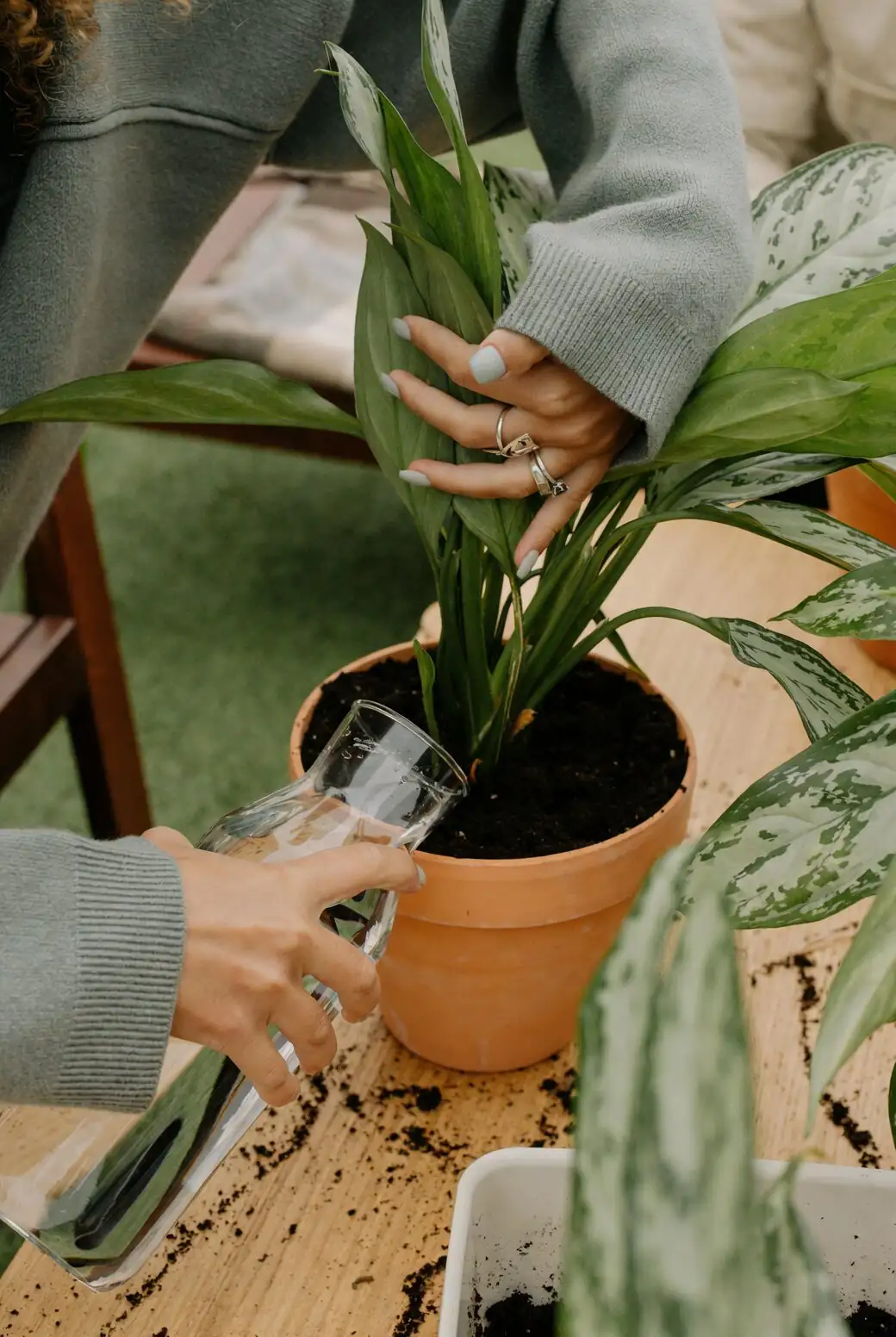
- Watering: Water thoroughly, then wait until the top of the mix is nearly dry before watering again. Avoid constantly wet soil.
- Feeding: For containers/bonsai, feed about once per month during the growing season; pause in winter.
- Pruning: In spring, pinch or prune shoot tips to keep a tight, composed silhouette. Wire and shape if you’re developing those cloud pads.
- Climate: It prefers warm, humid conditions (roughly 15–25°C/59–77°F). Protect from hard freezes; brief dips to about -5°C (23°F) are the limit.
Bonsai, concentration, and the slow joy of shaping
Part of Buddhist pine’s magnetism is the way you can guide it into characterful forms:
- Why it behaves so well: Flexible young branches and dense foliage respond to wiring and careful pruning, building those signature layered pads.
- Meditation you can touch: Tending a Buddhist pine bonsai feels like daily practice—patience, small corrections, allowed time.
- A tidy desk companion: In a bright indoor spot with good airflow, a compact bonsai can act as a “focus anchor,” its quiet geometry inviting calm attention.
Botanical aside for the curious:
- Flowers are small and inconspicuous in spring. Plants are typically male or female; if a female is pollinated, it may form decorative, fleshy structures around the seeds.
The deeper reading of its flower language (and why it endures)
It’s helpful to be honest about “flower language”: many tidy lists of meanings are modern, but the best ones grow from long cultural memory. Buddhist pine’s meanings are unusually coherent because three streams converge:
1) Evergreen pine lore: longevity, integrity, and moral backbone.
2) Buddhist naming: the luóhàn as calm guardians—alert, mindful, protective.
3) Feng shui pragmatism: a plant that actually thrives in bright, sheltered thresholds and can be shaped to embody order and ascent.
Put simply: the plant looks and lives the part, so people trust the symbolism.
Quick guide to welcoming one home (and keeping it happy)
- Light: Bright light to partial shade. Indoors, place by a very bright window; outdoors, an east-facing balcony/patio is ideal. Avoid scorching midday sun.
- Soil: Free-draining, airy mix (for pots/bonsai: fertile loam with leaf mold/compost plus coarse sand/grit).
- Water: Thorough soaks, then let the top of the mix begin to dry. Never leave roots sitting in soggy soil.
- Humidity: Moderate to high is welcome; occasional summer misting keeps foliage vivid.
- Temperature: Best around 15–25°C (59–77°F). Protect from hard freezes (brief tolerance to ~-5°C/23°F).
- Repotting: Every 2–3 years for container plants, in deeper bonsai pots (about 20–40 cm/8–16 in) to support stable roots.
- Safety note: Specific toxicity data is not provided here. As a precaution, keep out of reach of pets and children and seek local guidance if ingestion is suspected.
A living blessing at the door
Set a Buddhist pine by the entrance and it immediately changes the conversation with the street: calm, evergreen, quietly confident. Gift it, and you’re handing over a wish for long life, steady prosperity, and a mind like a clear sky. Shape it, and you learn the patient grammar of cloud and branch—the discipline that its name has always promised.
When a plant’s look, life, and lore align, the symbolism doesn’t feel like superstition; it feels like good company. That’s the enduring charm of Podocarpus macrophyllus, the Buddhist pine.