

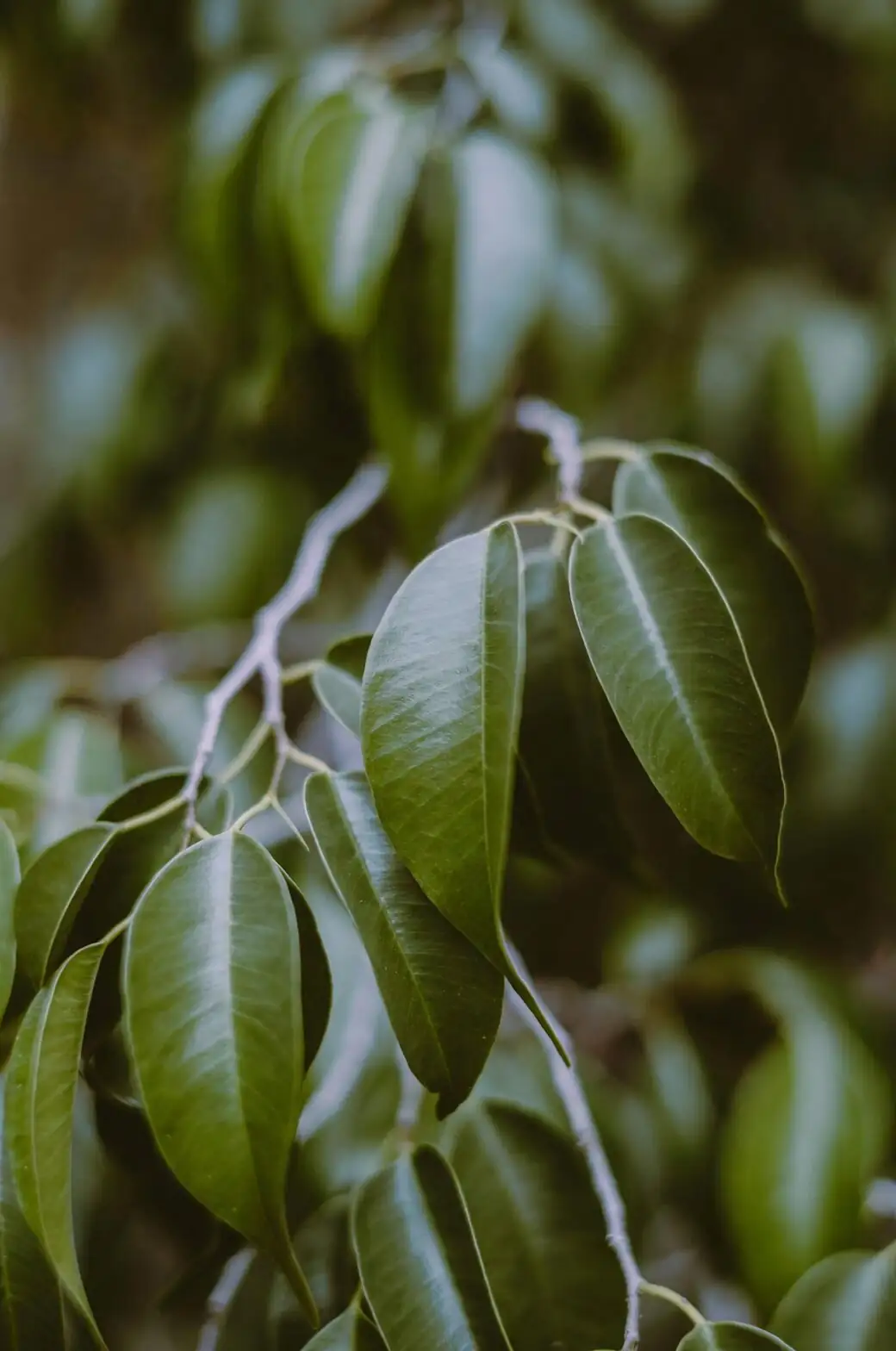
If you share your home with a curious cat or a snack-motivated dog, the glossy elegance of Ficus benjamina (weeping fig) comes with a simple truth: its milky white sap can irritate skin and mouths, and chewing the leaves can upset a pet’s stomach. The good news? With smart placement, gloves-on pruning, and tidy clean-up habits, you can enjoy this beautiful ficus without inviting unnecessary drama.
Meet Ficus benjamina at a glance
- Also called: Weeping Fig, Benjamin Fig, Ficus Tree
- Origin: Tropical/subtropical Asia and northern Australia; now a staple indoor plant worldwide
- Habit: Evergreen with a naturally graceful, weeping silhouette; easy to shape and keep compact indoors
- Care vibe: Warmth, steady light, and evenly moist—not soggy—soil. When stressed (cold, drought, sudden changes), it often “tells you” by shedding leaves.
Why this matters for pet homes: leaf drop means more tempting, crunchy bits on the floor—so keeping the plant comfortable is part of pet safety.
The pet-safety headline: sap irritation and ingestion risks
- What’s in the sap: A latex-like, milky juice that can irritate skin and eyes. In pets, chewing or ingesting plant parts commonly leads to oral irritation, drooling, and vomiting.
- Who’s at risk: Cats and dogs are most frequently affected (curiosity + houseplant proximity). Keep it out of reach of small children, too.
- Typical signs in pets:
- Immediate/short-term: drooling, lip-smacking, pawing at the mouth, vomiting, decreased appetite, possible diarrhea
- Skin/eye exposure: redness, itching, tearing, rubbing the face
- Fast facts:
- The sap is the main irritant.
- Severity varies with how much was chewed and the pet’s sensitivity.
- While not usually life-threatening, symptoms are uncomfortable and warrant prompt attention.
If you suspect exposure or ingestion: contact your veterinarian. In the U.S., you can also call the ASPCA Poison Control Center at 1-888-426-4435.
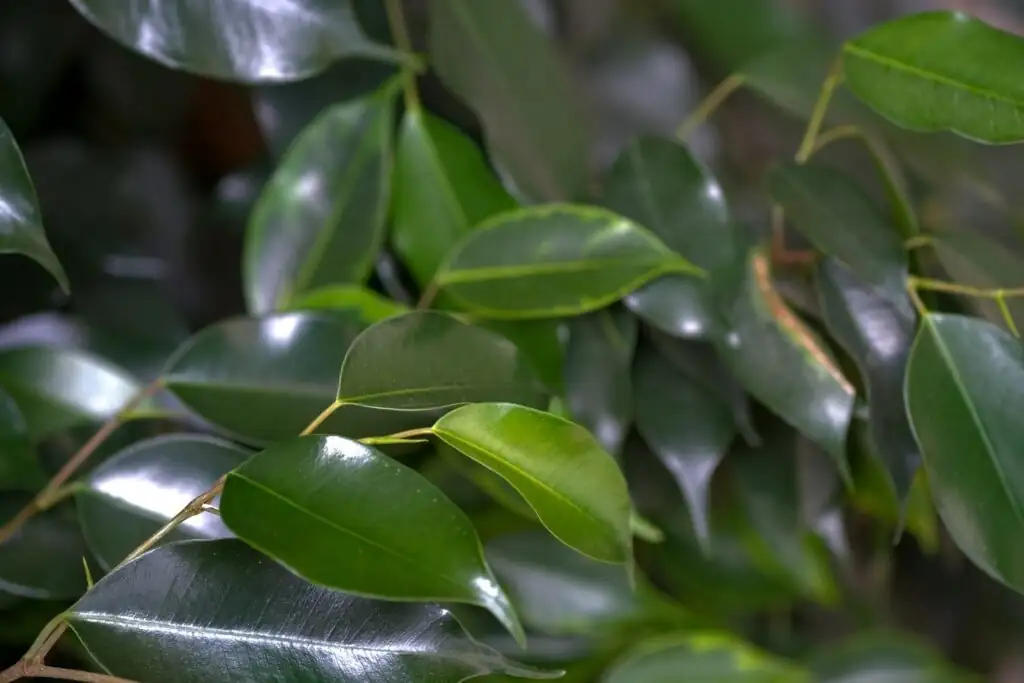
First aid for ficus mishaps
- If a pet chews the plant:
- Offer fresh water to rinse the mouth; gently wipe away sap with a damp cloth.
- Remove access to the plant and any fallen leaves.
- Call your vet for next steps, especially if vomiting, drooling, or eye redness persists.
- If sap contacts eyes or skin (pet or human):
- Flush with lukewarm water for several minutes; wash skin with mild soap and water.
- Avoid rubbing the area.
- Seek medical/veterinary advice if irritation continues.
This guidance complements, not replaces, professional care.
Smart placement that protects pets and keeps ficus happy
Think “bright, calm, unreachable.”
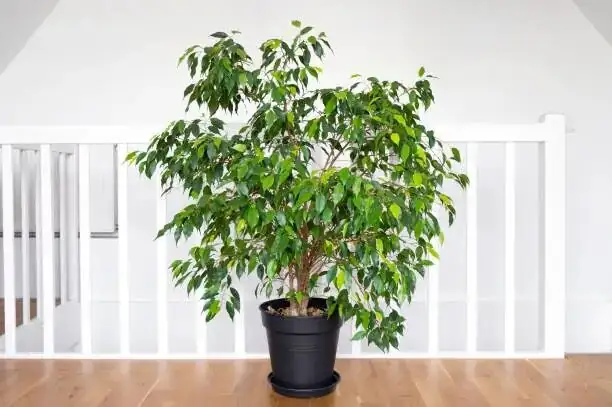
- Light and comfort (for fewer dropped leaves):
- Ideal: bright light with some filtering; tolerates medium indoor light.
- Keep warm: 20–25°C (68–77°F) is the sweet spot; avoid cold drafts and temperatures below 10°C (50°F) indoors.
- Aim for moderate–high humidity (about 60–70%) to help prevent stress leaf drop.
- Pet-proofing the location:
- Elevate: place on sturdy plant stands or shelves that cats can’t easily reach.
- Distance: keep at least an arm’s length from sofas, windowsills, or “launch pads” cats use to jump.
- Barriers: use room dividers, plant cages, or decorative cloches for smaller specimens.
- Hang with care: hanging planters are great—just manage drips so pets don’t access sap or wet leaves.
- Strategic rooms: consider low-pet-traffic spaces with doors you can close.
Pro tip: A stable environment reduces leaf drop. Fewer leaves on the floor = fewer chances for taste-testing.
Gloves-on pruning and safe handling
Ficus bleeds milky sap when cut. Handle like you would a tube of paint—cap it, contain it, clean up fast.
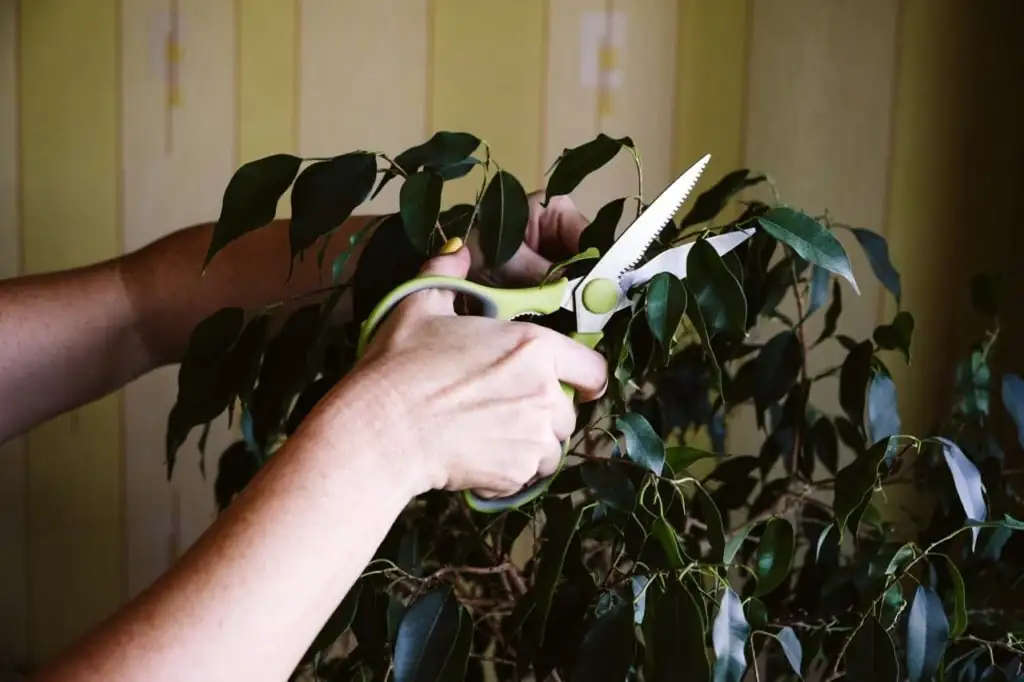
- Gear up:
- Nitrile or latex gloves (long sleeves help), and eye protection if you’re doing heavier pruning.
- Lay down newspaper/cardboard to catch sap and clippings.
- Pruning basics:
- Best time: during active growth to maintain shape and encourage a fuller canopy.
- Technique: make clean cuts with sharp, sanitized pruners. Trim crowded, weak, or inward-growing branches.
- Sap control: have a damp cloth or paper towel ready to blot sap at each cut.
- Aftercare and clean-up:
- Bag clippings immediately; tie or seal before binning so pets can’t fish them out.
- Wipe tools with a damp cloth, then wash with soapy water; dry to prevent rust.
- Wipe any sap drips on pots, floors, or stands with warm, soapy water; rinse and dry.
If you have latex sensitivities, consider extra caution (double gloves, sleeves) and avoid getting sap on skin.
Daily tidy-up: the quiet hero of pet-safe ficus care
- Leaf patrol: check under the plant daily; sweep or vacuum fallen leaves.
- Watering routine: keep soil slightly moist—never bone-dry or waterlogged. In warm months, you’ll likely water more often; in winter, less (about every 10 days is common). Always let excess drain.
- Comfort checks:
- Avoid cold blasts from doors/AC.
- Provide steady light and a draft-free perch.
- Mist during the growing season or use a humidifier if indoor air is dry.
Comforted ficus = fewer stress leaves on the floor.

Deterring curious chewers
- Offer safe alternatives: pots of cat grass or pet-safe greens can satisfy nibbling urges.
- Make the plant unattractive:
- Use pet-safe deterrent sprays on nearby surfaces (test discreetly first).
- Place double-sided tape on shelves or stands leading to the plant (cats dislike the feel).
- Environmental enrichment:
- Add scratching posts, perches, and play sessions so the ficus isn’t the “most interesting thing” in the room.
- Train and reward:
- Gently interrupt approach behaviors and reward moving away from the plant.
Quick reference: your pet-safe ficus checklist
- Place high, bright, and draft-free—out of launch-and-leap zones.
- Water consistently; avoid extremes that cause leaf drop.
- Wear gloves for any pruning; catch and bag clippings immediately.
- Wipe sap drips right away; wash hands and tools after handling.
- Patrol for fallen leaves daily.
- Keep vet and poison control contacts handy.
A note on symbolism (and real-life meaning at home)
Weeping fig is often associated with steadiness and calm—fitting for a plant that, when kept warm and consistently lit, grows with quiet grace. In a pet household, its “meaning” becomes practical, too: steadiness in routine and placement keeps both plant and pets safe. That’s a flower-language translation we can all live with.
Bonus: care cues that also reduce pet risk
- Repot in a free-draining, aerated mix (leaf mold/potting soil with coarse sand or perlite) on a spring schedule that suits plant size.
- Feed lightly during the growing season (balanced houseplant fertilizer), easing up in autumn and winter.
- Outdoors only in warm climates (roughly USDA 10–12) and always away from pets that might roam.
Enjoy the sculptural beauty of Ficus benjamina—and give it the thoughtful setup it deserves—so your home stays both lush and pet-safe. If your cat or dog does sneak a nibble, don’t panic: rinse, remove access, and call your vet for guidance.