

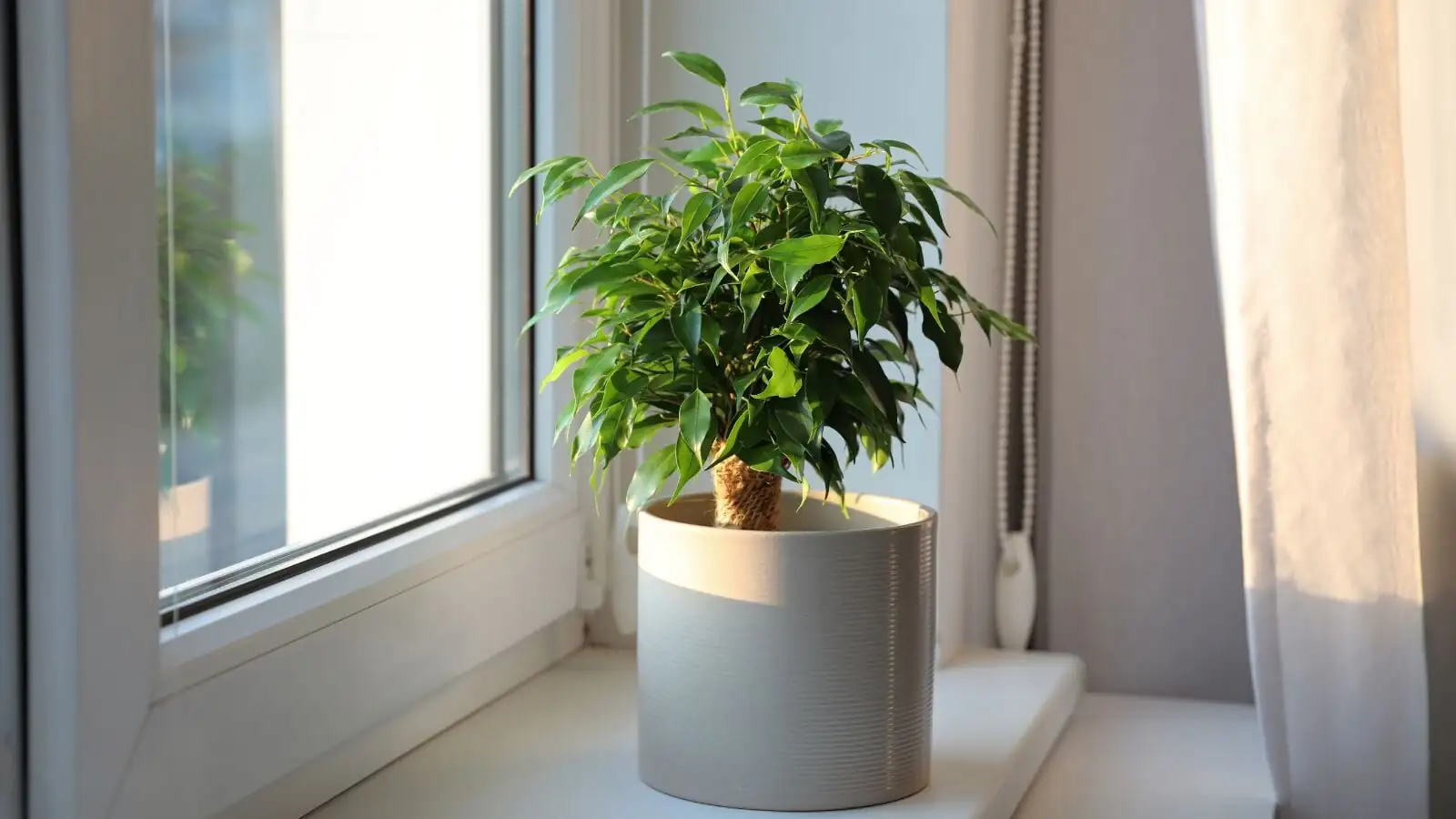
If your weeping fig has started “sulking” with speckled leaves, mysterious spots, or sudden leaf drop, don’t panic. Ficus benjamina is wonderfully expressive: when something’s off, it tells you. Use this fast, no-nonsense guide to diagnose four common troublemakers—spider mites, leaf spot, cold drafts, and low light—and get your tree back to glossy, graceful form.
Meet your plant (and what it really wants)
- Identity: Ficus benjamina (weeping fig), family Moraceae; native to tropical/subtropical Asia and northern Australia. Indoors, it’s prized for elegant, arching branches and glossy leaves; outdoors in the tropics it becomes a sizable evergreen tree.
- Light: Bright light is best; it tolerates medium to lower light, but expect slower growth and thinner canopies in dim rooms.
- Temperature: Happy at 20–25°C (68–77°F). Indoors, try to keep winter above 13–16°C (55–61°F). Below 10°C (50°F) it often yellows and stalls; avoid anything under 5°C (41°F).
- Humidity: Prefers 60–70%. Dry air encourages spider mites and leaf drop.
- Water: Keep soil evenly moist but never sodden. Let excess drain; never leave the pot standing in water.
- Soil: Loose, airy, well-drained potting mix with coarse sand/perlite.
Pro tip: Weeping figs hate big swings—light, water, or temperature changes can trigger leaf drop. Stabilize the environment first; then treat specific issues.
60‑second triage: What are you seeing?
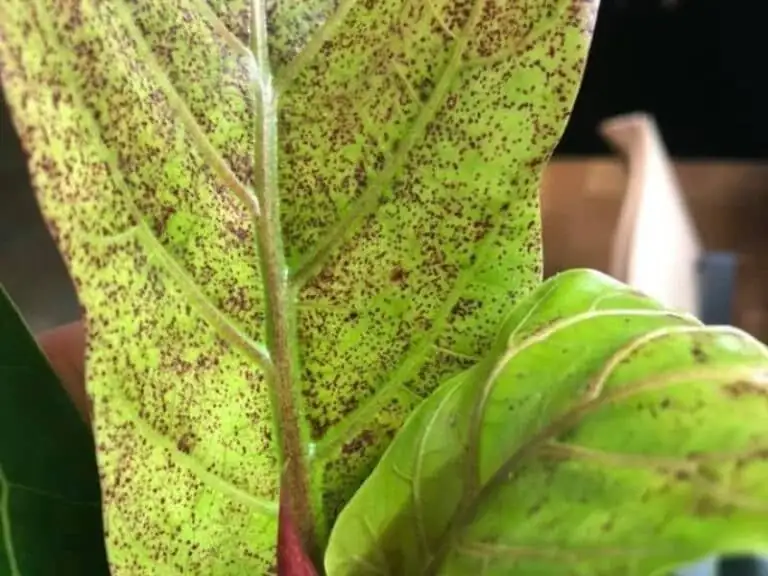
- Fine speckling, dusty/bronzed leaves, or webbing in dry air → Spider mites
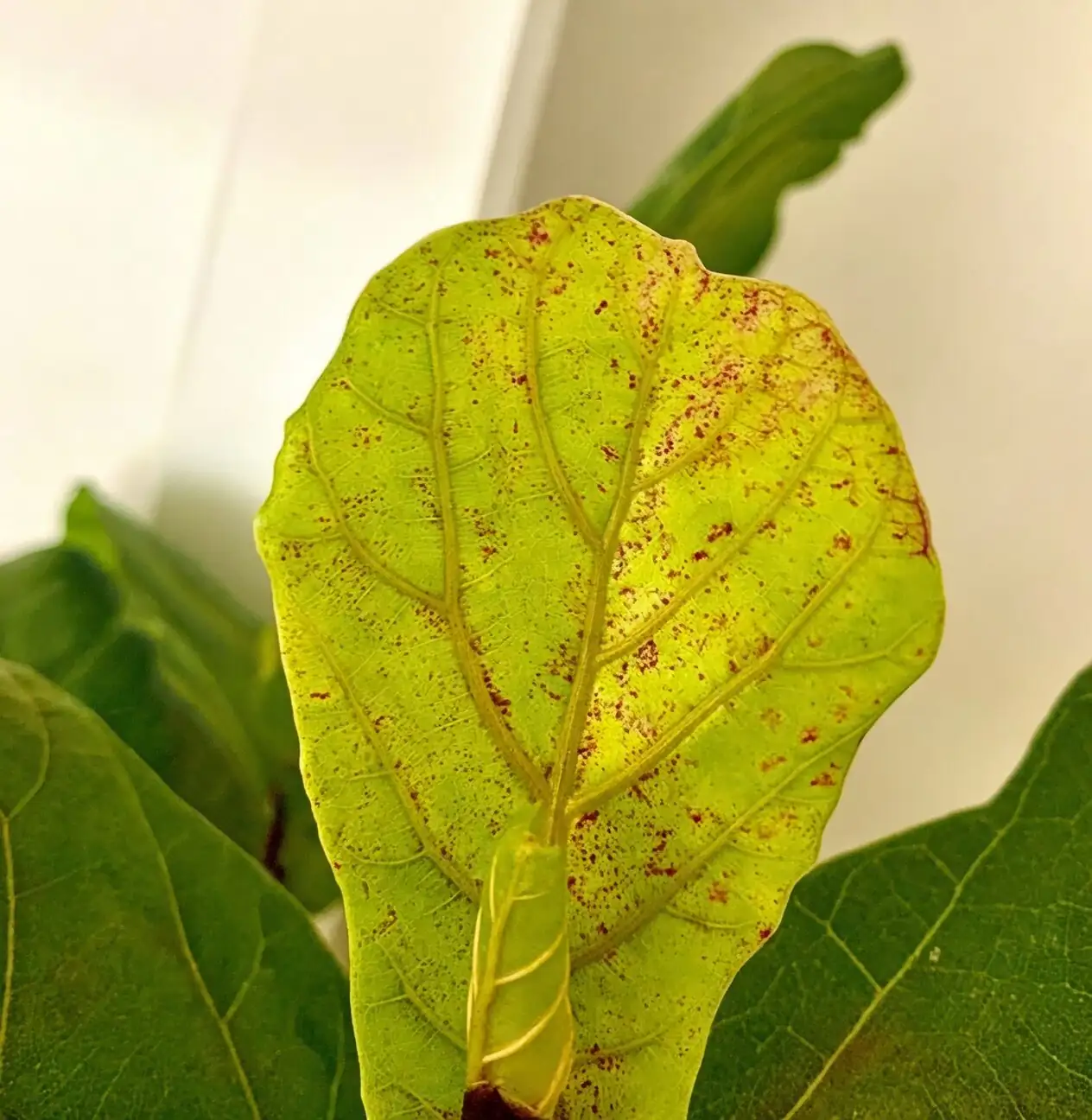
- Round to irregular brown/tan spots, often with yellow halos; spots may enlarge → Leaf spot (fungal/bacterial complex)
- Sudden yellowing and mass leaf drop, especially near windows/doors after a cold snap → Cold drafts/chill
- Sparse, stretched growth, smaller pale leaves, leaning toward the window, soil stays wet longer → Low light
Jump to the matching section below for fast fixes.
Spider mites: the “dusty sparkle” on leaves
Tiny sap-suckers love dry, warm rooms. They stipple leaves (tiny pale dots), cause bronzing, and leave fine webbing—often first on the undersides.
Quick confirmation
- The white paper test: Tap a suspect branch over white paper. Moving red/brown specks = mites.
Immediate actions (same day)
- Rinse and wipe: Gently shower the plant (especially leaf undersides). Wipe leaves with a damp cloth to remove eggs and dust.
- Boost humidity to 60–70%: Run a humidifier, use a pebble tray, and group plants. Mites hate moist air; your ficus loves it.
- Treat the foliage:
- Spray with insecticidal soap or horticultural oil, coating the undersides thoroughly.
- Repeat every 7 days for 3–4 cycles to catch new hatchlings.
- For heavy, stubborn outbreaks, consider a labeled indoor miticide.
- Isolate: Keep the plant away from others until clear.
Prevention
- Keep leaves clean; rinse or wipe monthly.
- Maintain steady humidity; avoid hot, dry blasts from heating vents.
- Inspect weekly during heating season.
Leaf spot: the polka dots nobody asked for
You’ll see tan to brown lesions—often roundish, sometimes with yellow halos. Chronically wet foliage and stagnant air help these diseases spread.
Immediate actions (this week)
- Sanitation first:
- Prune off spotted leaves (disinfect shears between cuts).
- Clean up all fallen debris from the pot surface.
- Change the microclimate:
- Improve airflow (a small fan on low, not directly blasting).
- Water at the soil level; keep foliage dry. If you mist for humidity, do it early morning so leaves dry quickly.
- Apply a fungicide early:
- Use a copper-based fungicide (e.g., Bordeaux mixture or copper soap) per label directions. Test on a small leaf area first.
- Repeat at label intervals until new growth is clean.
Culture tweaks that matter
- Avoid overwatering; use a free-draining mix with perlite/coarse sand.
- Space plants so leaves don’t touch.
- Prune crowded twigs to open the canopy.
Cold drafts: the stealthy leaf-drop trigger
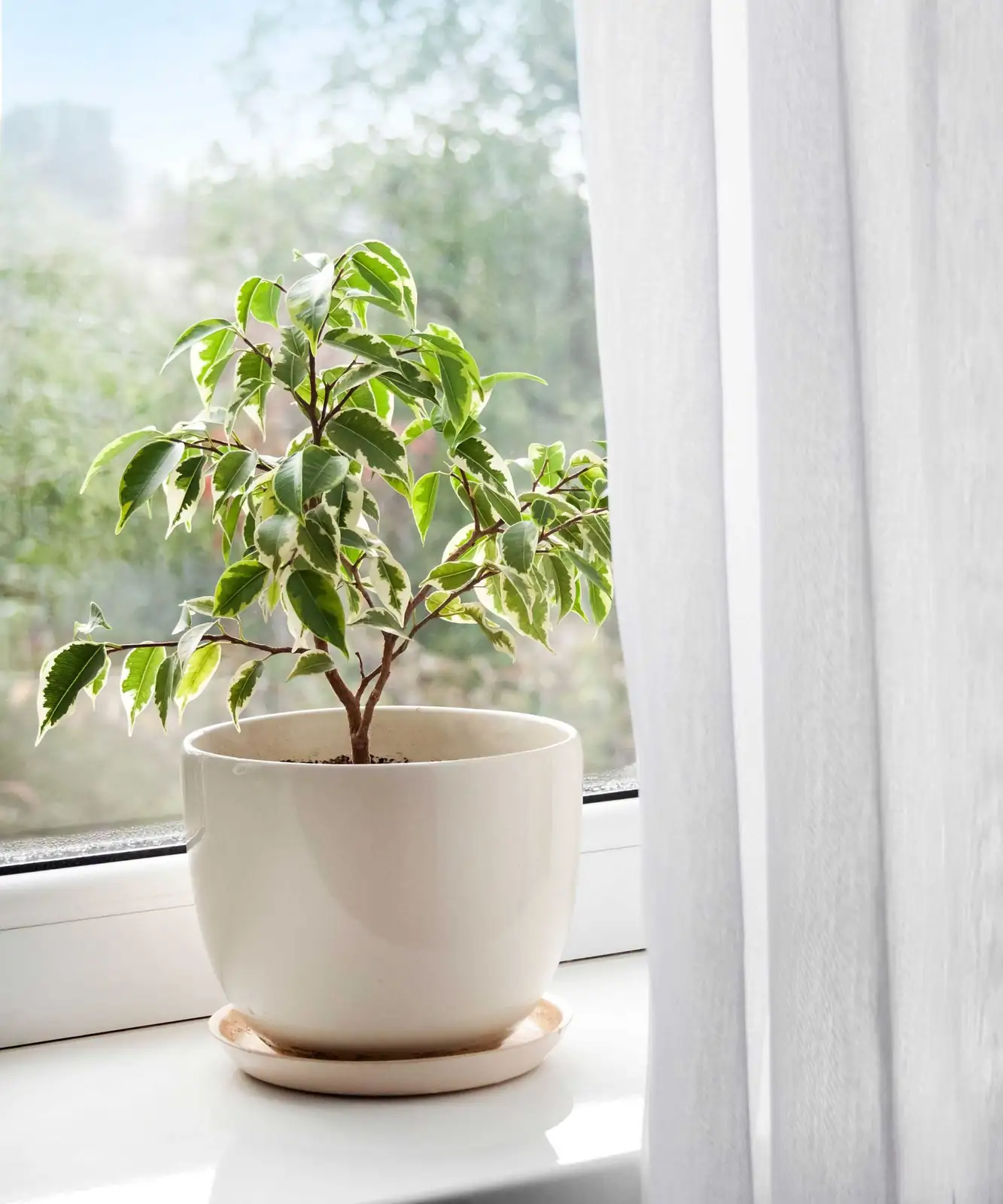
Weeping figs are warm-lovers. Chilly air—especially sudden drafts—can prompt dramatic leaf shed, often on the side facing the draft.
Recognize it
- Recent cold snap, or the plant is near a leaky window/door or AC/heat vent.
- Soil isn’t bone-dry or waterlogged, yet leaves yellow and drop quickly.
Immediate actions (today)
- Relocate: Move 1–2 m (3–6 ft) from exterior doors, uninsulated windows, and vents.
- Stabilize temperature:
- Aim for 20–25°C (68–77°F) by day; in winter, keep a steady 13–16°C (55–61°F) minimum.
- Absolutely avoid below 10°C (50°F); never below 5°C (41°F).
- Water smart:
- Use room‑temperature water.
- In cooler rooms, water less often so soil is slightly moist, not cold and wet.
Expect recovery
- After conditions stabilize, new leaves typically appear in a few weeks. Avoid further big moves during recovery.
Low light: the slow fade
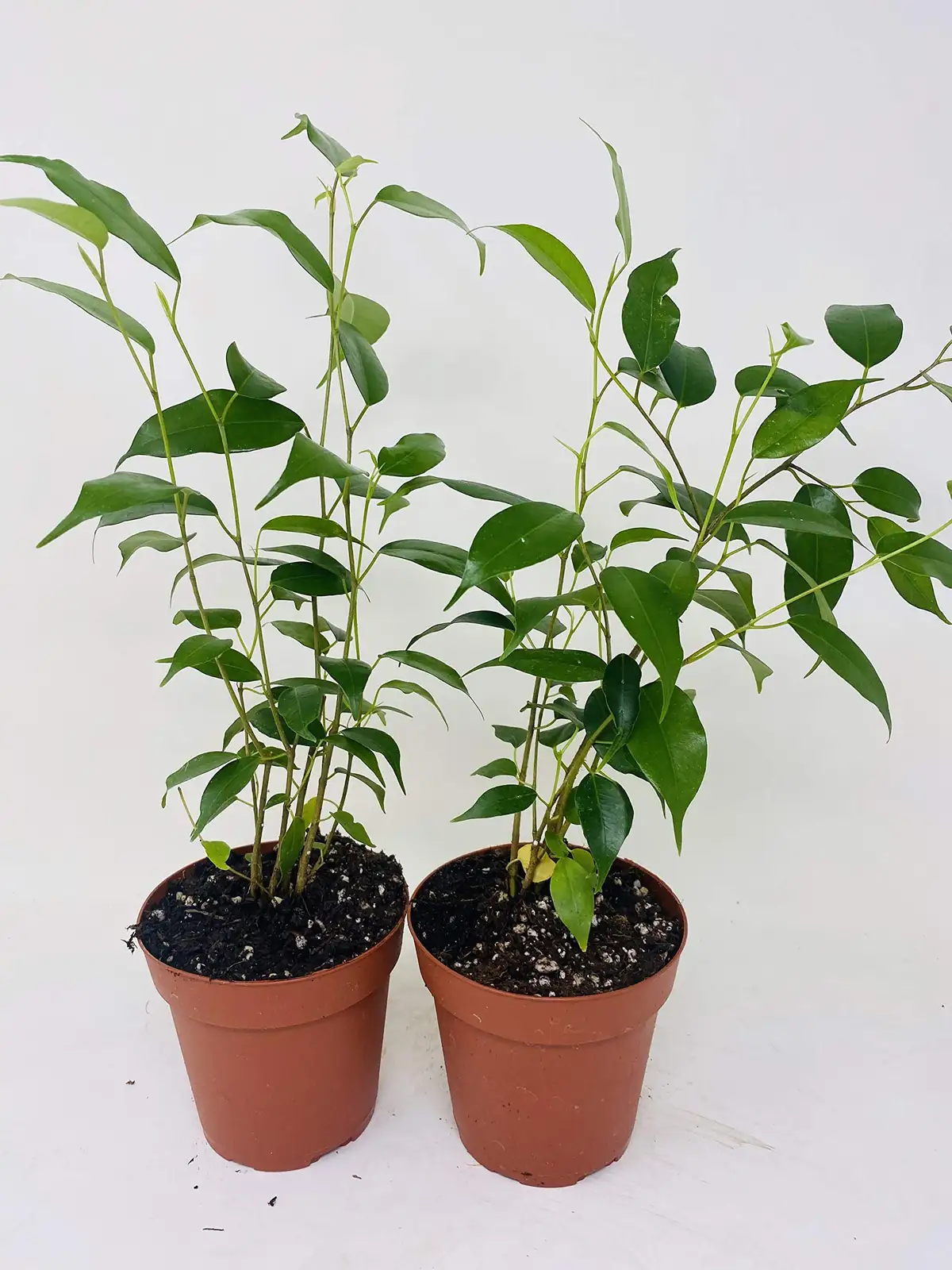
Ficus can tolerate medium to lower light, but growth becomes sparse. In very dim rooms, the plant may lean, internodes stretch, and green leaves may drop as the plant “rebalances” its canopy.
Course-correct
- Upgrade light:
- Bright, filtered window light is ideal (sheer-curtained east, bright north, or a few feet back from a sunny window).
- In warm months, a sheltered balcony/patio with bright, filtered light is perfect.
- Add a small LED grow light (10–20 W) for 10–12 hours/day if windows are poor.
- Adjust care to light:
- Let the top 2–3 cm (about an inch) of mix dry before watering in low light; soil will dry more slowly.
- Reduce fertilizer when growth slows (autumn/winter).
- Gentle shaping:
- Rotate the pot weekly for even growth.
- Light pruning encourages a fuller silhouette once light improves.
A simple rescue recipe (when you’re not sure which gremlin it is)
1) Stabilize the environment
- Move to bright, filtered light away from drafts and vents.
- Keep 20–25°C (68–77°F); in winter, don’t drop below 13–16°C (55–61°F).
- Raise humidity to 60–70% with a humidifier or pebble tray.
2) Reset watering
- In active growth, water thoroughly, then allow slight drying—never let the pot sit in water.
- In summer, many indoor ficus need water about every 2–3 days; in winter, around every 10 days (always adjust for your light, pot size, and temperature).
3) Inspect and treat
- Check leaf undersides for mites; use insecticidal soap/horticultural oil if present.
- Spot lesions? Remove affected leaves and begin a copper-based fungicide program.
4) Be patient and consistent
- Avoid big location changes for a few weeks; new growth is your “all clear.”
Ongoing care that prevents problems
- Feeding: During spring–summer, feed roughly every 10 days with a balanced houseplant fertilizer; one option for container plants is a 15‑15‑30 formula. Reduce or pause as growth slows in autumn–winter.
- Pruning: Trim during active growth to maintain shape and improve airflow; remove weak or crowded twigs.
- Repotting: Use an airy, free‑draining mix. Repot smaller plants yearly in spring; larger specimens every two years.
- Cleanliness: Dust leaves monthly and tidy fallen debris—clean plants stay healthier and resist pests.
Quick ID refresher and fun notes
- Leaves: Glossy, rich green; drought can trigger leaf drop and blackened shoot tips.
- Flowers: Hidden inside fig‑type fruits (syconia)—no showy blooms to look for.
- Style points: Easily trained into neat, sculptural forms (even bonsai‑like), perfect for calm, green interiors.
Safety first
- The milky sap (latex) can irritate skin/eyes—wear gloves when pruning.
- Toxic to cats and dogs if chewed or ingested; keep out of reach of pets and small children.
A quiet meaning to keep in mind
Weeping figs often symbolize resilience and steadiness—fitting for a plant that rewards consistent care with years of graceful growth. Treat it like a long-term housemate: keep the climate cozy, the schedule steady, and it will repay you with poise and glossy calm.
——
Spot mites? Mist them out with humidity and soap. See leaf spots? Go copper early and keep leaves dry. Leaves raining down after a cold snap? Warm things up and hold steady. Growth getting lanky? Turn up the light. With a few quick checks and clear actions, Ficus benjamina bounces back beautifully.