

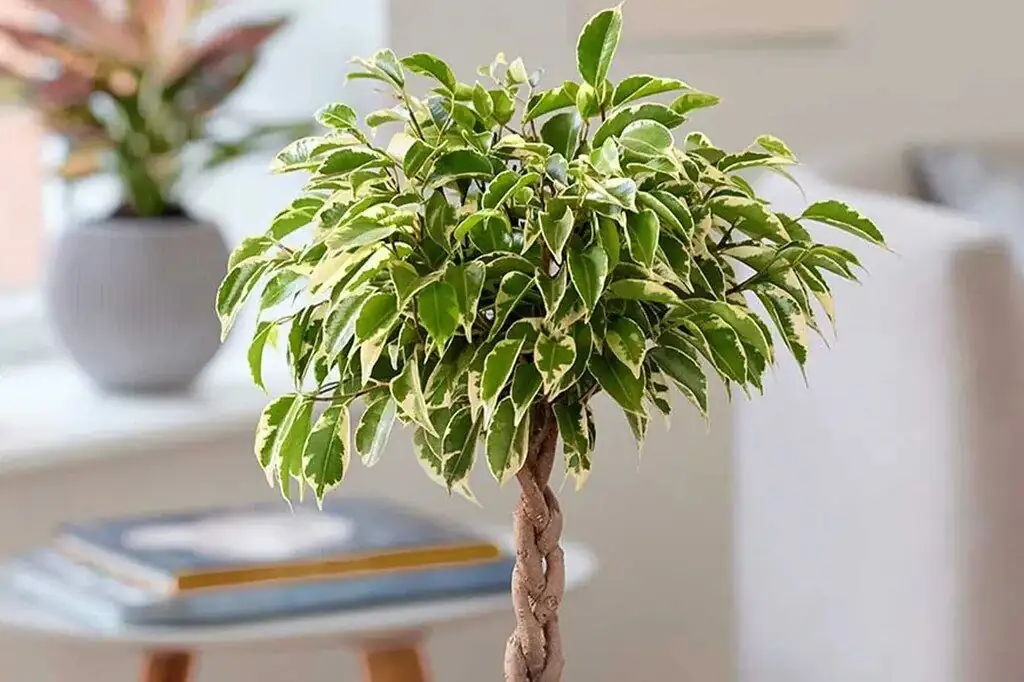
Graceful, glossy, and a little dramatic, the Weeping Fig (Ficus benjamina) rewards steady care with steady growth—and it tells you when you’ve missed the mark by dropping leaves. The secret to year‑round poise is seasonal watering that matches your climate and pot size, while keeping summer soil from turning swampy and winter roots from going bone‑dry.
Here’s your no‑guesswork playbook.
Light, temperature, humidity: set the stage
- Light: Bright, filtered light is ideal; it tolerates medium indoor light. Outdoors in warm months, give bright, dappled light (shield from harsh midday sun).
- Temperature: Best at 20–25°C (68–77°F). It can handle >30°C (86°F) if watering is adjusted. Avoid cold; below 10°C (50°F) growth stalls and leaves yellow, and below 5°C (41°F) is risky.
- Humidity: Prefers 60–70%. In dry indoor air, misting or a humidifier helps reduce yellowing and leaf drop.
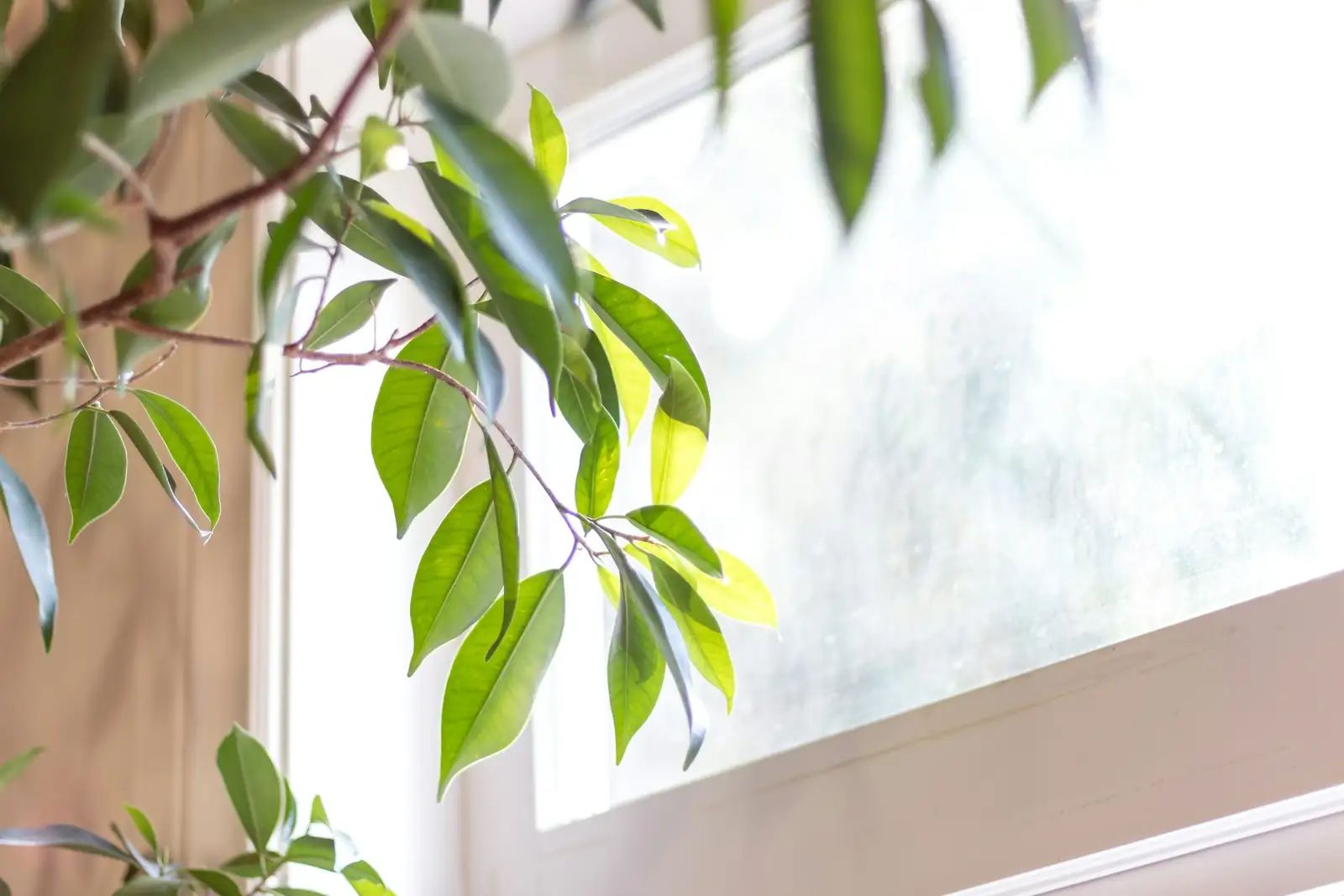
Watering decoded: climate + pot size + light = your schedule
Think of the pot as your water tank. Small tanks (smaller pots) empty fast; big tanks (larger pots) empty slower. Heat, airflow, and bright light “open the tap” and speed up water use.
Your 3-check system (use all three)
1) Depth check (finger/skewer):
- For 12–16 cm (4.7–6.3 in) pots: probe 3–4 cm (1.2–1.6 in) down.
- For 18–20 cm (7–8 in) pots: probe 5–6 cm (2–2.4 in) down.
- For ~30 cm (12 in) pots: probe 7–8 cm (2.8–3.1 in) down.
Water when the mix at that depth feels just dry to the touch—not powdery, but no cool dampness left.
Tip: A wooden skewer works like a dipstick. If it comes out cool with specks sticking, wait. If it’s dry and clean, water.
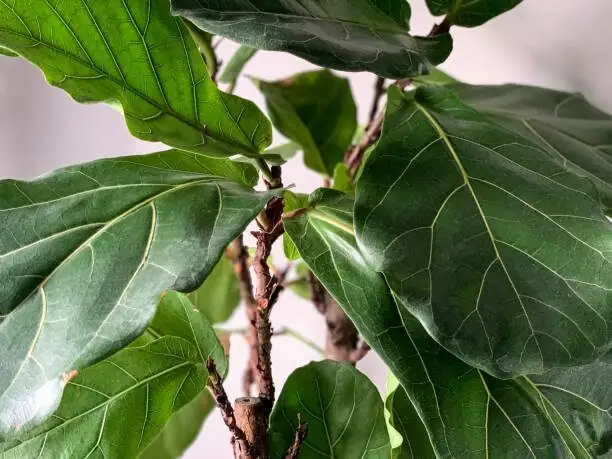
2) Pot weight:
- Lift the pot right after a thorough watering to memorize “full.”
- Water again when the weight feels reduced by about 40–60% (lighter in summer, closer to 60%; heavier in winter, closer to 40%).
3) Leaf language:
- Leaves flag slightly or feel less springy? Time to water soon.
- Crispy tips or sudden leaf drop often signal the mix got too dry.
- Limp leaves with a musty smell may mean waterlogging.
Seasonal rhythm you can trust
- Summer (active growth): Water thoroughly and keep the soil slightly moist—often every 2–3 days in hot spells, depending on pot size, light, and airflow. Never let the pot sit in a saucer of water.
- Winter (slow growth): Reduce to roughly once every 10 days. Keep warm and maintain humidity so you’re not tempted to “compensate” with extra water.
Summer: keep moisture steady without creating a swamp
Hot weather, bright light, and breeze can dehydrate pots fast—but constant wetness suffocates roots. Aim for deep drinks plus fast drainage.
- Mix that drains: Use a loose, airy blend. A reliable recipe:
- 2 parts quality houseplant/leaf-mold based mix
- 1 part coarse perlite or pumice
- 0.5 part coarse sand or fine orchid bark
- Pot and hardware:
- Always use a pot with drainage holes.
- If using a cachepot, raise the inner pot on risers so the base doesn’t sit in runoff.
- Skip gravel layers (they raise the perched water table). Use a mesh over the hole to keep mix in.
- Watering technique:
- Morning is best. Water thoroughly until excess drains, wait 10–15 minutes, then empty the saucer.
- During heat waves (>30°C / 86°F), check daily. Many 12–16 cm pots will need water every 1–2 days; 30 cm pots often every 2–3 days.
- An occasional full soak is fine—let excess drain freely afterward.
- Shade and airflow:
- Bright, filtered light reduces leaf scorch and slows evaporation just enough to keep moisture steadier.
- Avoid hot, stagnant corners; gentle airflow helps foliage stay healthy.
- Surface mulch:
- A 1–2 cm layer of fine bark helps slow evaporation without trapping water.
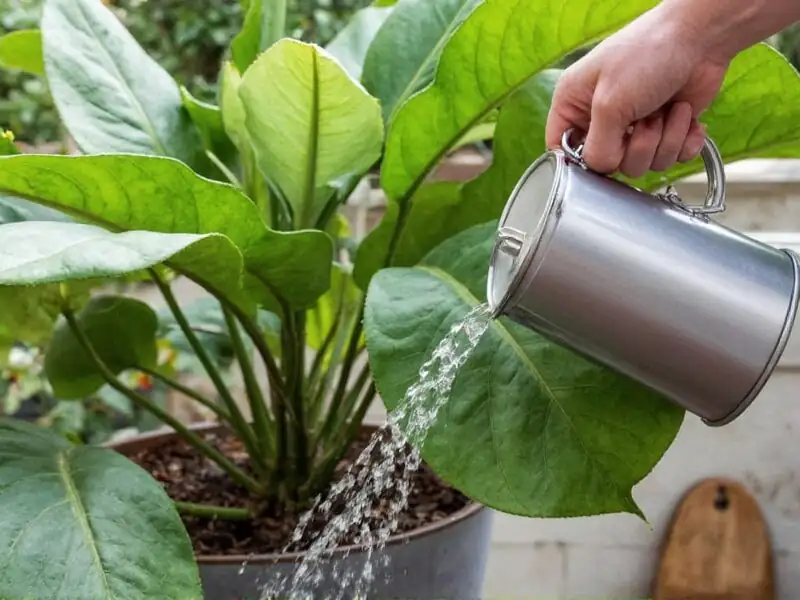
Winter: prevent drought stress without overdoing it
Cooler temperatures and shorter days slow growth and water use, but room heat can dry the air. Your goal: lukewarm drinks, long intervals, stable warmth.
- Frequency: About every 10 days in typical indoor conditions. Always confirm with the depth/weight checks.
- Warmth: Keep above 10°C (50°F); 13–16°C (55–61°F) is a sweet spot. Protect from cold drafts and chilly windows.
- Humidity: Aim for 60–70% to reduce leaf drop. Mist lightly or use a humidifier/pebble tray.
- Watering tips:
- Use room‑temperature water.
- If the rootball ever goes bone‑dry and shrinks from the pot, rehydrate with a slow, thorough soak, then drain completely.
- When in doubt in winter, it’s safer to wait 12–24 hours and recheck rather than water early.
Exact, real‑world examples (pot size + climate)
- 15 cm (6 in) pot, bright room, 24–28°C (75–82°F), moderate airflow:
- Expect checks daily in summer; watering roughly every 2 days.
- In winter at 18–20°C (64–68°F): check every 5–6 days; water about every 9–11 days.
- 30 cm (12 in) pot, bright filtered balcony, 30–34°C (86–93°F), breezy:
- Check daily; water every 1–2 days in peak heat. Move out of harsh midday sun to avoid leaf scorch and rapid dehydration.
- 20 cm (8 in) pot, heated apartment winter, 15–18°C (59–64°F), dry air:
- Check every 5–7 days; water about every 10 days. Boost humidity so leaves don’t drop from dry air.
- Humid tropical patio, bright shade with monsoon showers:
- Check after rains; water only when your depth test says dry. Keep the plant under eaves to prevent chronically soggy soil.
Rule of thumb: In summer, don’t let the root zone turn dust‑dry; in winter, don’t “comfort water” cold soil.
Feeding for steady growth
- Growing season: Feed about every 10 days (roughly 3× per month) with a balanced houseplant fertilizer; one suitable option is 15‑15‑30. Always water first if the soil is dry, then feed.
- Autumn–winter: Reduce or pause feeding as growth slows.
Misting during the growing season supports new leaves and humidity.
Pruning, shaping, and repotting
- Pruning: Trim during strong growth to maintain a graceful, full silhouette. Remove weak, dead, or crowded branches to improve airflow and light penetration. Ficus benjamina takes shaping well—even bonsai‑style forms.
- Repotting:
- Smaller plants (15–20 cm / 5.9–7.9 in pots): repot each spring.
- Larger specimens (~30 cm / 11.8 in pots): repot about every 2 years.
- Use a free‑draining mix (as above). After repotting, keep evenly moist—not soggy—while roots reestablish.
Troubleshooting leaf drop: fast decoder
- Mix dried too much: Common culprit. You may see dropped leaves and blackened/dry shoot tips. Rehydrate thoroughly, then resume even moisture.
- Waterlogged roots: Leaves may yellow and fall; soil smells sour. Improve drainage, empty saucers, and space waterings.
- Cold or drafts: Yellowing and stalled growth below 10°C (50°F); move to a warmer, steadier spot.
- Low light or abrupt moves: Gradual acclimation helps. Increase brightness (filtered), avoid sudden relocations.
- Pests: Spider mites thrive in dry air—increase humidity and treat with insecticidal soap or horticultural oil. Leaf spot can occur; treat early with a suitable fungicide (e.g., copper-based) and improve airflow while avoiding chronically wet foliage.
Safety note
The milky sap (latex) can irritate skin and eyes. Keep out of reach of pets and small children; it’s considered toxic to cats and dogs if chewed (drooling, vomiting, irritation).
A quick seasonal checklist
- Spring: Repot small plants; resume regular feeding; increase watering as days warm.
- Summer: Water generously and drain well (often every 2–3 days). Provide bright, filtered light and humidity; mist foliage.
- Autumn: Ease off feeding; begin lengthening the time between waterings.
- Winter: Keep warm (ideally 13–16°C / 55–61°F), water about every 10 days, and raise humidity.
Symbolism and story
With its elegant, weeping canopy and evergreen poise, the Weeping Fig often symbolizes resilience and steadiness—a living reminder that calm, consistent care beats sudden heroics. Give it warmth, light, and an even hand with water, and it will repay you with year‑round grace.