


If you’ve ever been charmed by a “money tree” whose two chubby green seed leaves open like tiny ingots, there’s a good chance you met Castanospermum australe. This Australian evergreen has the poise of a shade-loving rainforest tree and the personality of a desktop companion. Here’s your seasonal roadmap—what to do, when to do it, and why it works—so your plant stays glossy, compact, and unflappable from spring to winter.
Meet Castanospermum australe
- Names you’ll hear: Money Tree, Black Bean Tree, Moreton Bay Chestnut
- Origin: Northeastern Australia
- Habit: Upright, evergreen tree with dense branching; adaptable from tabletop seedling to a 1–2 m indoor statement plant
- Signature look: Chestnut-like seeds germinate into two thick, green cotyledons that open sideways like a pair of “ingots,” followed by glossy pinnate leaves
- Flowering (on mature plants): Late spring to late summer
Commonly sold in 9–12 cm (3.5–4.7 in) pots as jaunty seedlings, it’s equally happy growing on into a larger indoor specimen if given time, space, and steady care.
The Foundations: Light, Temperature, Humidity, and Soil
Light
- Best: Bright, indirect light to partial shade—especially for young plants.
- Shield in summer: Avoid harsh midday sun, which can scorch leaves and trigger leaf drop.
- Placement sweet spots: East-facing windows or south-facing light filtered by a sheer curtain.

Temperature
- Active growth: 20–28°C (68–82°F)
- Winter minimums: Keep above 7°C (45°F); expect leaf drop if exposed to ~5°C (41°F) or lower.
Humidity
- Prefers a humid room. In dry summer and autumn air, mist foliage about twice a week.
- Tip: Good airflow helps keep foliage dry between mists and discourages rust disease. In winter, focus on careful watering rather than frequent misting.
Soil and Pot
- Mix recipe: A rich, well-drained blend—fertile loam/garden soil + a peat-based medium + coarse sand, with a pinch of well‑rotted organic fertilizer.
- Non-negotiable: Excellent drainage; avoid waterlogged mixes.
- Typical sizes: Grown in 5–15 cm (2–6 in) pots; repot every 2 years.
Your Seasonal Roadmap
Spring: Wake-up call—even moisture and measured feeding
- Water: Keep the mix evenly moist, never soggy.
- Feed: Apply a balanced fertilizer (e.g., 20‑20‑20) every 2–3 months. Lightly dilute and don’t overdo it—excess fertilizer can make growth lanky and spoil the plant’s neat form.
- Light: Bright, indirect exposure to fuel fresh, glossy leaves.
- Optional refresh: If it’s your plant’s 2-year mark, repot now. Trim old or rotten roots, set into fresh mix, and give partial shade while it re-establishes.
Summer: Sun-shielding, steady drinks, and humidity help
- Sun-smart: Filter or avoid harsh midday sun to prevent leaf scorch and drop.
- Water: Maintain even moisture through heat waves; never let the pot sit in water.
- Misting: In dry air, mist about twice weekly to boost local humidity.
- Vigilance: Heat + low light + overwatering = leaf drop risk. Keep light bright and watering consistent.
Autumn: Tidy the silhouette and soften the dry air
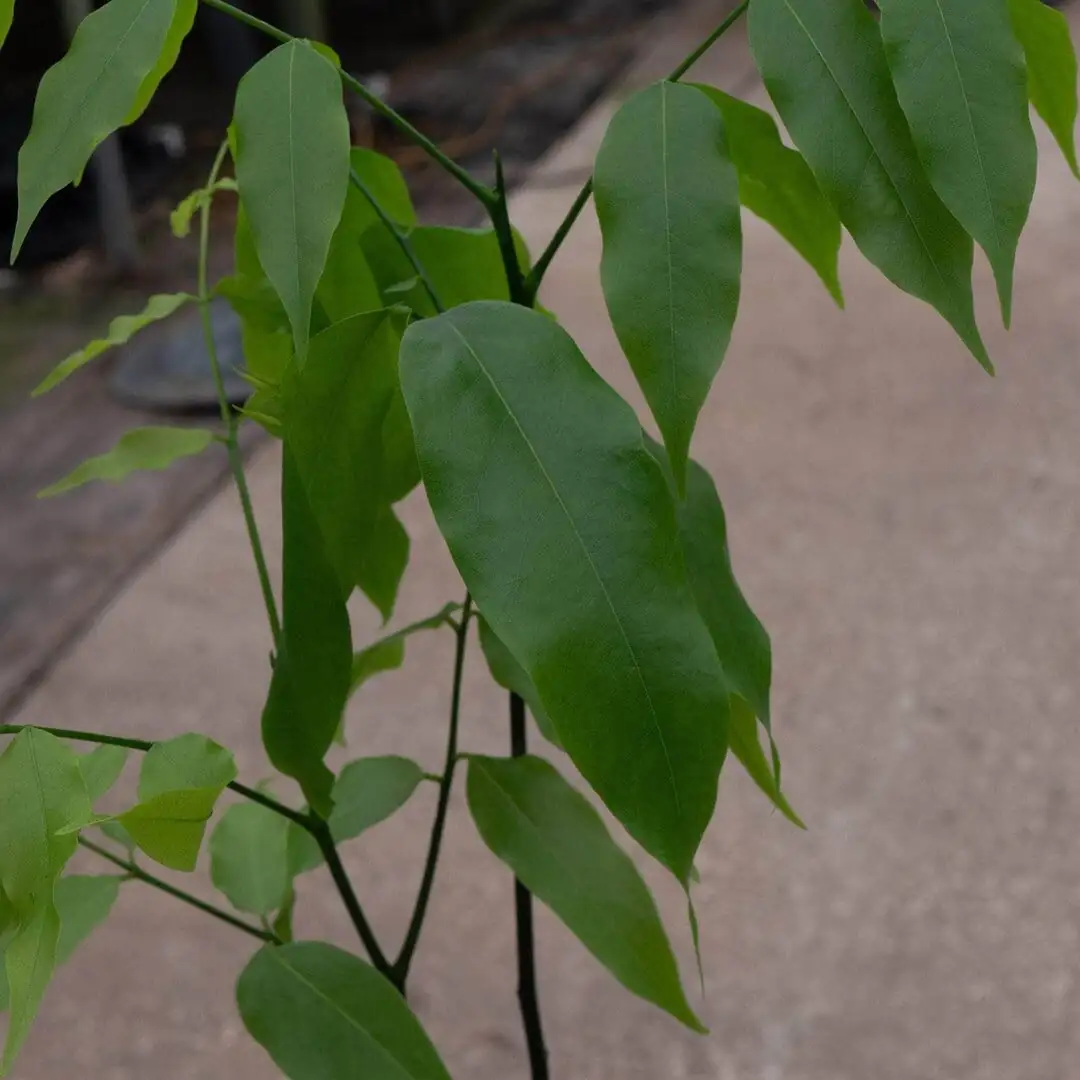
- Tip-prune: Pinch or cut back shoot tips in autumn to winter to control height and encourage branching—a little shaping now pays off next spring.
- Water: Still evenly moist, but begin slowing the pace as growth eases.
- Feeding: Pause regular fertilizer as the growing season winds down.
- Humidity: As indoor air dries, continue gentle misting to keep leaves pristine.
Winter: Watering cutbacks and minimum-temperature safeguards
- Temperature: Keep above 7°C (45°F). A cold snap near 5°C (41°F) can trigger leaf drop.
- Water: Reduce frequency; let the top of the mix begin to dry before rewatering. No soggy roots in cool rooms.
- Light: Bright, indirect exposure is essential; rotate the pot every few weeks to keep growth balanced.
- No fuss: Skip heavy feeding; focus on stable conditions and restraint with water.
Watering Know-how (All Year)
- Aim for “evenly moist, never soggy.” Letting it fully dry out or sit wet are the two extremes to avoid.
- Signs to watch:
- Overwatering: Mushy mix, yellowing leaves, potential leaf drop or rot.
- Underwatering: Dull, droopy foliage and stalled new growth.
Good to know: Seedlings can be displayed in water culture for a time—great for a modern desk vignette. If you switch back to potting mix, transition gently and ensure excellent drainage.
Feeding, Pruning, and Training
Feeding
- Growing season (spring–summer): Every 2–3 months with a balanced fertilizer.
- Less is more: Overfertilizing encourages stretched, untidy growth.
Pruning
- Timing: Pinch or cut back tips in autumn to winter to contain height and coax branching.
- Goal: A compact, symmetrical canopy with glossy, evenly spaced leaflets.
Training a Statement Plant
- Path A: Keep it compact by restarting with fresh seed every few years for that “lucky bean” charm.
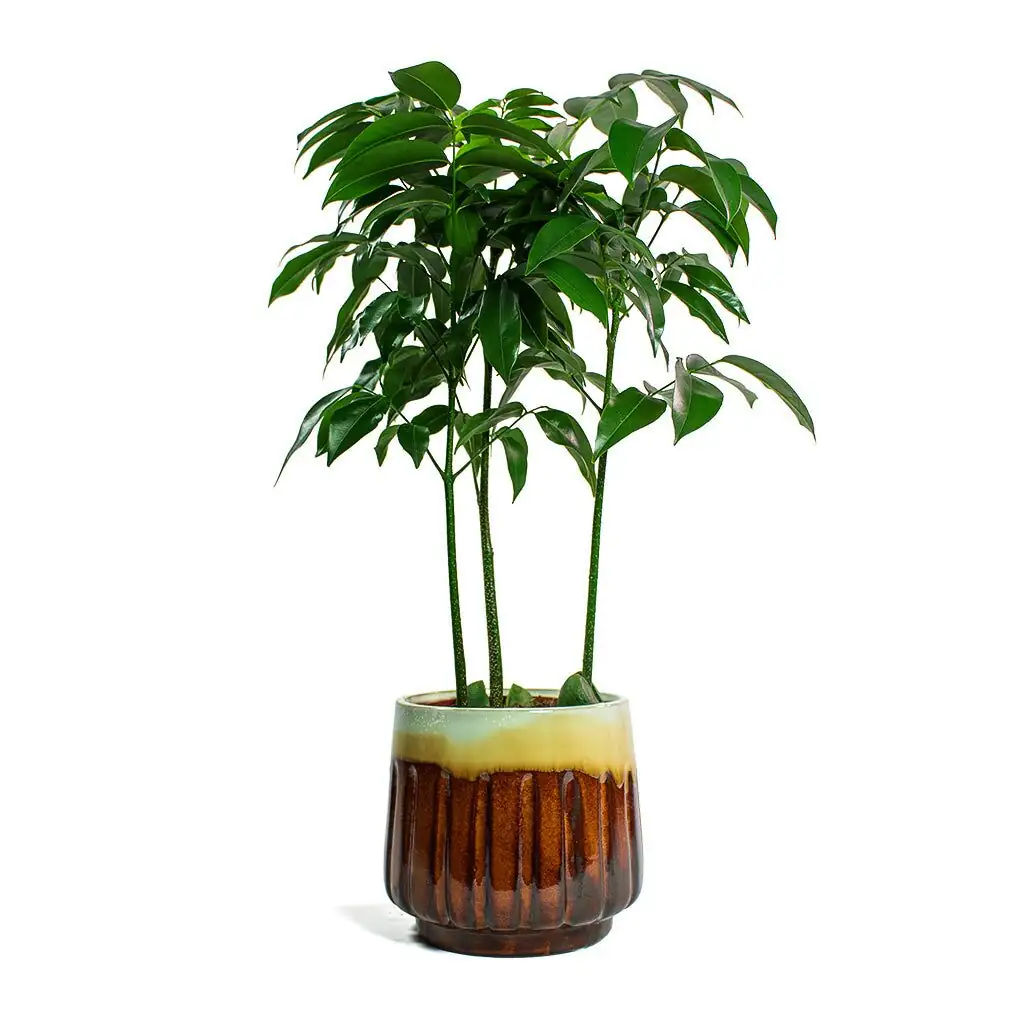
- Path B: Commit to a larger indoor specimen—pot several strong seedlings together in a deeper container (20–30 cm/8–12 in deep) and train over a few years to reach 1–2 m (3.3–6.6 ft).
Propagation and Repotting
From Seed
- When: Sow fresh seed soon after maturity, or indoors spring–summer.
- How:
- Soak seeds in warm water for 24 hours.
- Set with the seam facing downward on clean, moist sand or seed medium.
- Maintain high humidity; best germination at 13–18°C (55–64°F).
- Aftercare: Transplant seedlings once established; keep warm and bright, avoiding direct midday sun.
Repotting
- Rhythm: About every 2 years.
- Steps: Trim old or rotten roots, refresh with fertile, well-drained mix, and keep in partial shade until growth resumes.
Pests, Diseases, and Troubleshooting
- Rust disease: Encourage good airflow and avoid keeping foliage wet for long periods; treat early with an appropriate fungicide where permitted.
- Spider mites and scale: Rinse leaves thoroughly; follow up with horticultural oil/soap or a suitable miticide/insecticide as needed.
- Common stressors to avoid:
- Harsh summer sun (leaf scorch, drop)
- Waterlogging (root/leaf rot)
- Prolonged drought (wilting, stalled growth)
- Chilling below 7°C/45°F (leaf drop risk increases near 5°C/41°F)
Buying and Styling Tips
- Choose plants with:
- Intact, fully green cotyledons (the “ingots”)
- Fresh, firm, glossy new leaflets
- For a fuller look in 12–15 cm (4.7–6 in) pots, clumps with about 7–9 strong sprouts are especially handsome.
- After purchase:
- Place in bright, indirect light.
- Keep the mix evenly moist without waterlogging.
- Mist to support humidity and smooth new growth.
Symbolism: Why it’s a “Money Tree”
This plant’s “wealth” mystique springs from the way its plump cotyledons open like a pair of green ingots—an arresting image that retailers ran with. Over time, it’s become a good-luck gift symbolizing steady growth and prosperity. While not rooted in ancient floral language, the modern meaning captures the plant’s personality beautifully: patient, dependable, and quietly flourishing.
Quick Answers
- How do I keep a mature plant neat? Either restart with fresh seed for a compact look, or repot several sturdy seedlings into a deeper container and train them into a 1–2 m indoor specimen with annual tip-pruning.
- Is it safe around pets and kids? Its household safety isn’t reliably established here. As a precaution, keep seeds and plant parts out of reach and avoid ingestion.
With bright, gentle light, even moisture in the warm months, a summer sun-shield, a neat autumn haircut, and winter water wisdom backed by minimum temperature safeguards, Castanospermum australe repays you with rich, glossy foliage and year-round composure. It’s the kind of “money” that keeps on growing.