

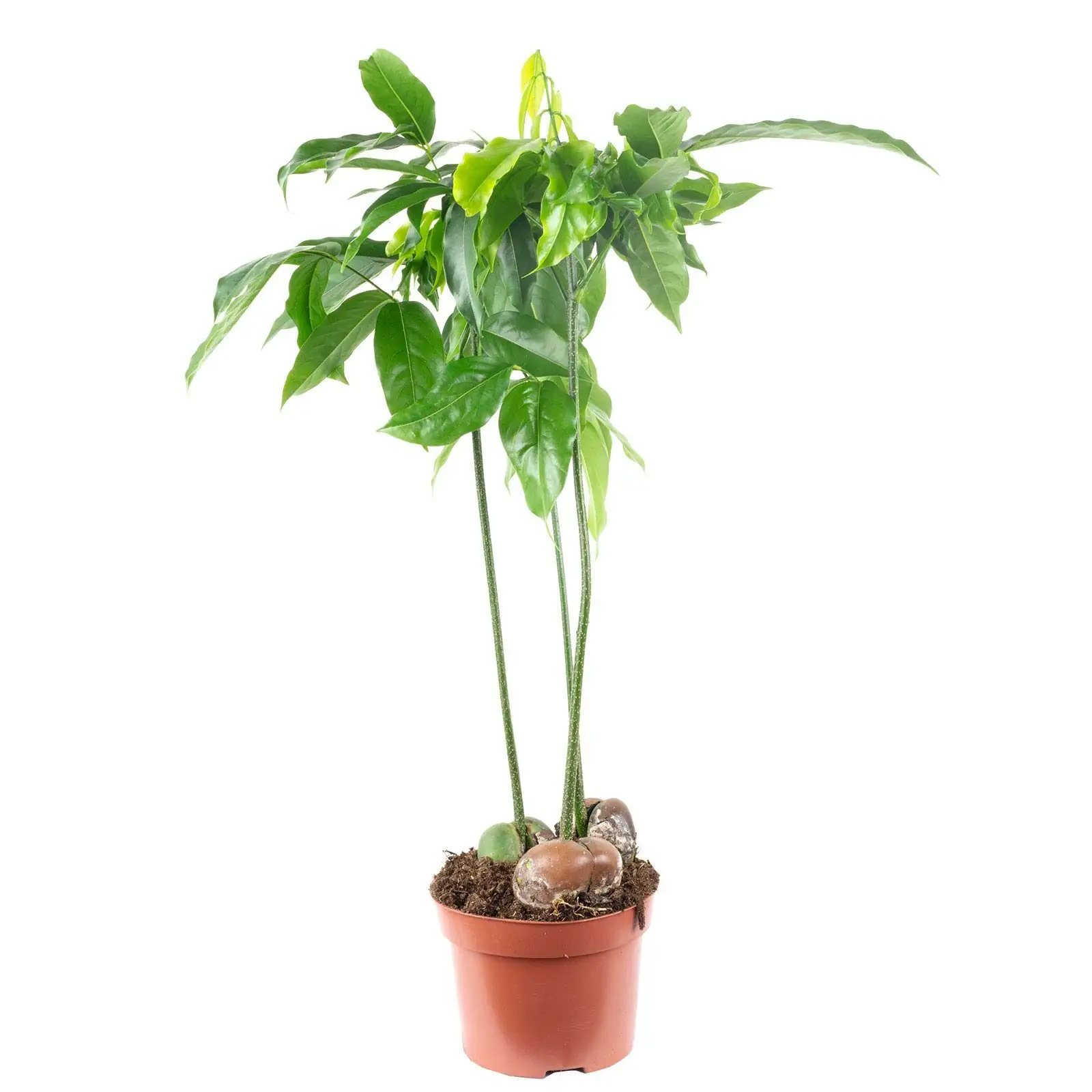
Think of Castanospermum australe as the elegant, evergreen Australian “money tree” whose seedlings unfurl a pair of glossy green “ingots” before leafing out into a graceful, pinnate canopy. With the right start and a little long-game shaping, you can raise it from fresh seed into a neat, architectural 1–2 m indoor specimen that looks intentionally designed, not accidentally leggy. Here’s your step-by-step masterclass.
Meet Castanospermum australe (aka Money Tree, Black Bean, Moreton Bay Chestnut)
- An upright evergreen from northeastern Australia, with glossy, pinnate leaves and a dense, tree-like habit.
- Often sold as a cute seedling because the thick, green cotyledons spread like little ingots—a charming, “prosperity” look that sparked its money-tree nickname.
- Indoors, it thrives in bright, filtered light and humid air; with time and pruning, it can be trained into a clean, 1–2 m living sculpture.
Fresh seed, fast success: get the setup right
Choose and handle fresh seed
- Fresh seed is key—older, dried beans lose vigor quickly.
- Look for firm, full seeds with no moldy spots.
- Work clean: rinse seeds, your tools, and containers. Use a fresh, well-drained medium to limit rot.
Soak-and-sow masterclass (the exact moves)
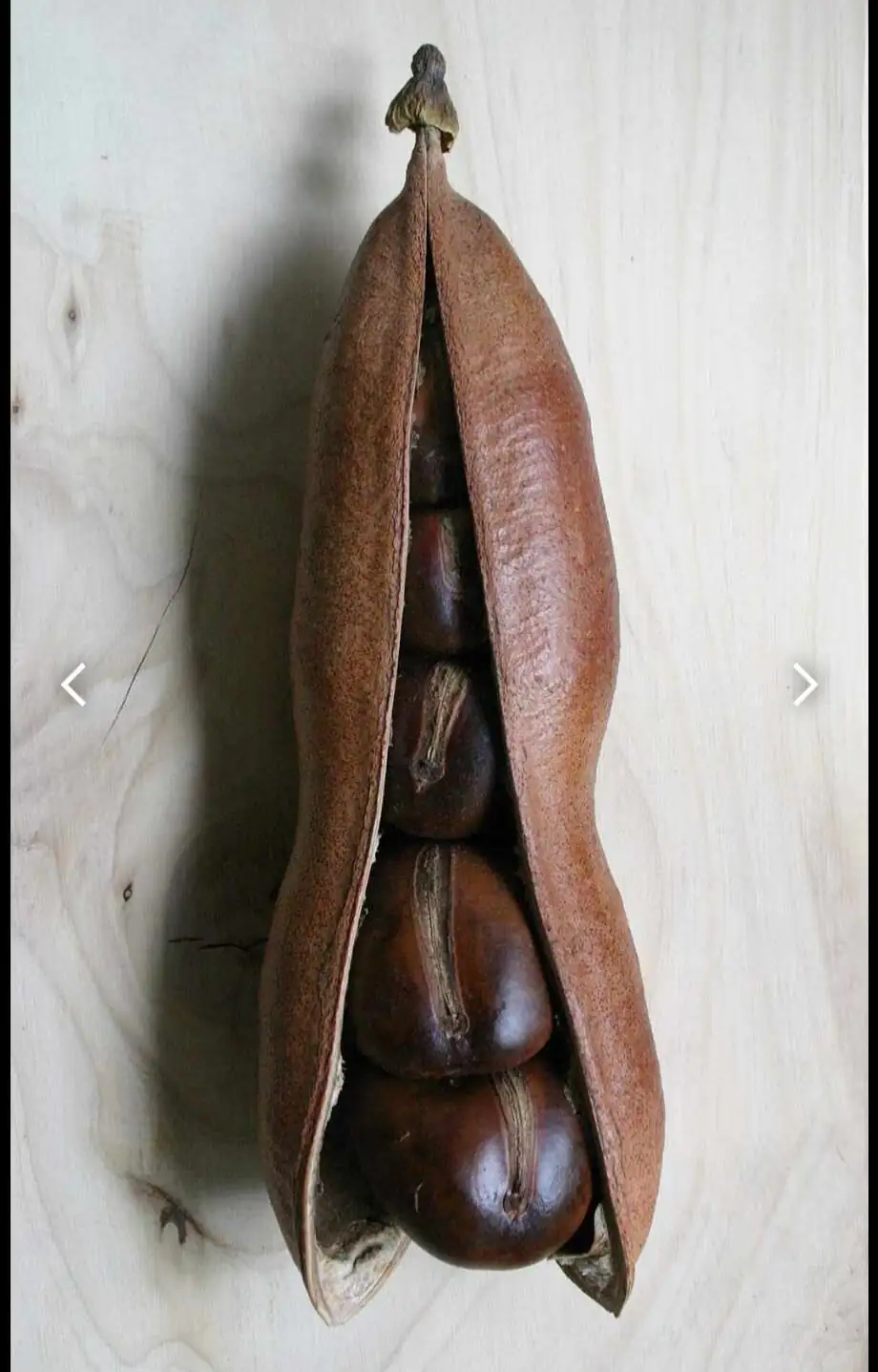
- Soak for 24 hours in warm water. This rehydrates the thick seed coat and wakes the embryo.
- Prepare a clean, moist, well-drained medium. A simple choice is clean, moist sand or a fine, sterile seed-starting mix. Avoid rich, soggy compost at this stage.
- Orientation matters: place the seed with the seam facing downward, nestled firmly on or slightly into the medium so it’s stable and in continuous contact with moisture.
- High humidity, not high splash. Cover the pot or tray with a clear humidity dome or loose plastic bag to maintain a humid microclimate. Vent daily to refresh air and discourage fungus.
- Light and air: bright, indirect light with gentle airflow. Avoid direct midday sun on the covered container.
Nail the temperature window for germination
- Target 13–18°C (55–64°F) for best germination.
- Too warm and you can encourage rot; too cold and germination may stall. A cool, stable spot works wonders.
The first weeks: what you’ll see
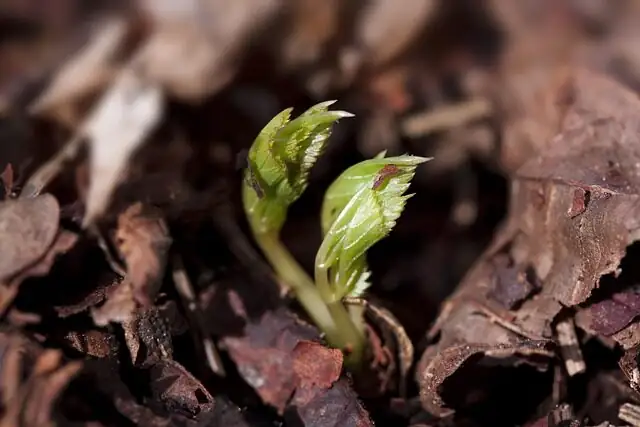
- The seed swells, splits at the seam, and a stout shoot emerges.
- Those signature thick, green cotyledons open outward like a pair of glossy ingots—don’t remove or bruise them.
- Keep the medium evenly moist (never waterlogged). Let the top few millimeters approach “just moist” before rewatering.
Potting on and early shaping for a neat future tree
When to transplant
- Move to a small pot once the first true pinnate leaves form and roots anchor well.
- Start in a 5–9 cm pot with drainage; step up gradually as roots fill each pot.
The right soil mix
- Rich, well-drained potting mix: blend fertile loam or quality garden soil with a peat- or coir-based medium and some sand for extra drainage.
- Work a small amount of well-rotted organic matter into the mix. Avoid waterlogged blends.
Light, water, and humidity for juveniles
- Light: bright, indirect light or very light shade; shield from harsh summer midday sun. An east- or south-facing window filtered by a sheer curtain is ideal.
- Water: keep evenly moist during active growth; never allow the mix to stay soggy.
- Humidity: it loves humid air. In dry summer/autumn indoor air, mist foliage about twice a week; scale back in winter.
Early shaping choices
- Single, sculptural trunk: choose the strongest leader and remove weak side shoots while they’re small.
- Lush clump look: plant several strong seedlings together for fullness (great in 12–15 cm pots). As they grow, thin the most crowded stems to keep a tidy outline.
- Tip control: if height outruns your plan, pinch or cut back shoot tips in autumn to winter to control height and encourage branching. Small, timely cuts keep form compact and clean.
Training a tidy 1–2 m indoor specimen
Pot, placement, and pace
- Container: for a statement plant, combine several robust seedlings (or one well-grown individual) in a deeper container about 20–30 cm deep.
- Light: bright, filtered light; larger plants tolerate brighter exposures but still avoid harsh midday rays to prevent scorch and leaf drop.
- Temperature: aim for 20–28°C (68–82°F) during active growth. Keep above 7°C (45°F) in winter; below about 5°C (41°F) leaf drop is likely.
Pruning strategy for clean lines
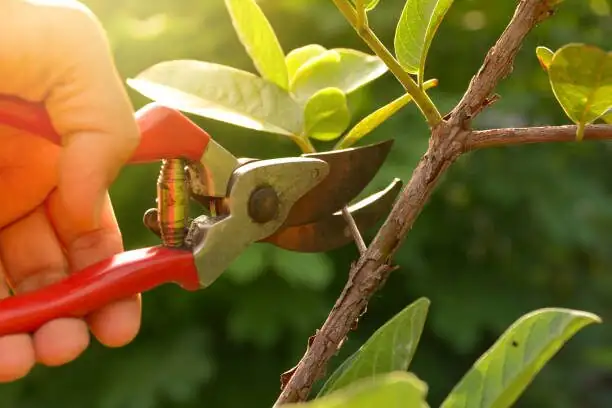
- Late-year tune-up: in autumn to winter, pinch or shorten leaders to set final height and promote side branches.
- Use mostly “tip” cuts to keep the canopy dense; occasionally remove a crossing or congested shoot to let light into the interior.
- Rotate the pot a quarter-turn weekly for even, upright growth without leaning.
Feeding and repotting
- Fertilize sparingly during the growing season about every 2–3 months with a balanced feed. Overfertilizing can cause lanky, untidy growth.
- Repot every 2 years: trim any dead or circling roots, refresh the mix, and keep in partial shade for a week while it re-establishes.
Humidity management without headaches
- Mist leaves lightly twice a week in dry summer/autumn rooms to limit crispy tips and mite problems.
- Pair with a wide pebble tray topped up with water (pot sitting on the stones, not in the water) for steady ambient moisture.
- Ensure gentle air movement; wet foliage that stays cold and stagnant invites disease.
Water-culture display (for seedlings)
- Seedlings look fantastic in water culture on a desk or shelf. Keep the base just above the waterline with roots dangling in clean water; rinse and refresh regularly.
- For long-term, tree-like growth and stable form, move to a fertile, well-drained potting mix.
Troubleshooting and quick fixes
- Sudden leaf drop? Check for a cold draft or temperatures dipping below 7°C (45°F), or recent harsh midday sun exposure.
- Brown, crispy tips in dry months: boost humidity and check watering rhythm.
- Soggy mix, limp leaves: improve drainage immediately; allow excess water to drain freely and adjust watering frequency.
- Pests: spider mites and scale are the usual suspects. Rinse foliage thoroughly, then use horticultural oil/soap or an appropriate miticide/insecticide if needed.
- Diseases: rust can appear in stale, damp conditions. Improve airflow, avoid prolonged wet leaves, and treat early with a suitable fungicide where permitted.
A simple calendar to stay on track
- Spring–summer: keep evenly moist; feed every 2–3 months. Provide bright, filtered light and shield from harsh midday sun.
- Summer (dry indoor air): mist about twice weekly.
- Autumn: continue humidity support as rooms dry; tip-prune if needed to set structure.
- Winter: reduce watering, avoid cold drafts, and keep above 7°C (45°F).
Buying strong starters (if you’re not sowing)
- Choose seedlings with intact, fully green cotyledons and fresh green new pinnate leaves.
- For a 12–15 cm pot, clumps with roughly 7–9 vigorous sprouts give a lush, full look.
- After bringing it home: place in bright, indirect light; keep the mix evenly moist without waterlogging; mist to support new growth.
Safety note
- Household toxicity is not reliably established here. As a precaution, keep seeds and plant parts away from pets and children and avoid ingestion.
Symbolism and the “money tree” mystique
- The good-luck vibe comes from those thick, green cotyledons opening like a pair of shiny ingots—an image of abundance that made it a beloved desk companion.
- Treat the symbolism as a friendly nudge toward steady, intentional growth: start right, keep conditions balanced, and shape patiently. Prosperity in plant form.
Quick-reference: germination and early care
- Soak: 24 hours in warm water.
- Sow: clean, moist medium; seam facing downward; high humidity with daily venting.
- Temperature: 13–18°C (55–64°F) for germination; 20–28°C (68–82°F) for active growth.
- Light: bright, indirect; avoid harsh midday sun.
- Water: evenly moist, never soggy.
- Potting on: after the first true leaves form; use a rich, well-drained mix.
Raise it slowly and surely, and your Castanospermum australe will reward you with a composed, evergreen silhouette—a living “ingot” of green that brings calm elegance to your space.