

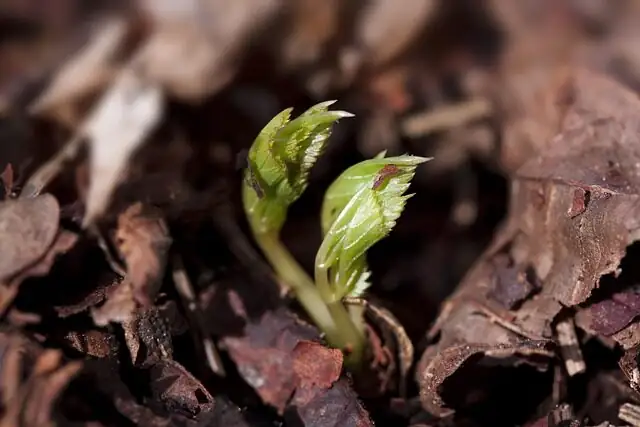
Step into any trendy plant shop and you’ll spot it: a tiny tree perched in a cup-size pot, wearing two glossy green “ingots” like a lucky charm. That’s Castanospermum australe—an Australian evergreen whose seed leaves open like little bars of treasure. No wonder it’s become a modern “money” icon on desks and entry tables. But here’s the culture-savvy twist: its prosperity aura isn’t ancient lore—it’s a recent marketing-and-gifting phenomenon, often mixed up with the other plant sold as a “money tree,” Pachira aquatica. Let’s untangle the myth from the botany, place it smartly for good vibes, and keep those green ingots gleaming.
Meet Castanospermum australe (Moreton Bay Chestnut)
- Native range: Northeastern Australia
- Family: Fabaceae (legume family)
- Habit: Upright, evergreen tree; happy in warm, bright, humid air
- How it looks:
- Seeds are round and chestnut-like.
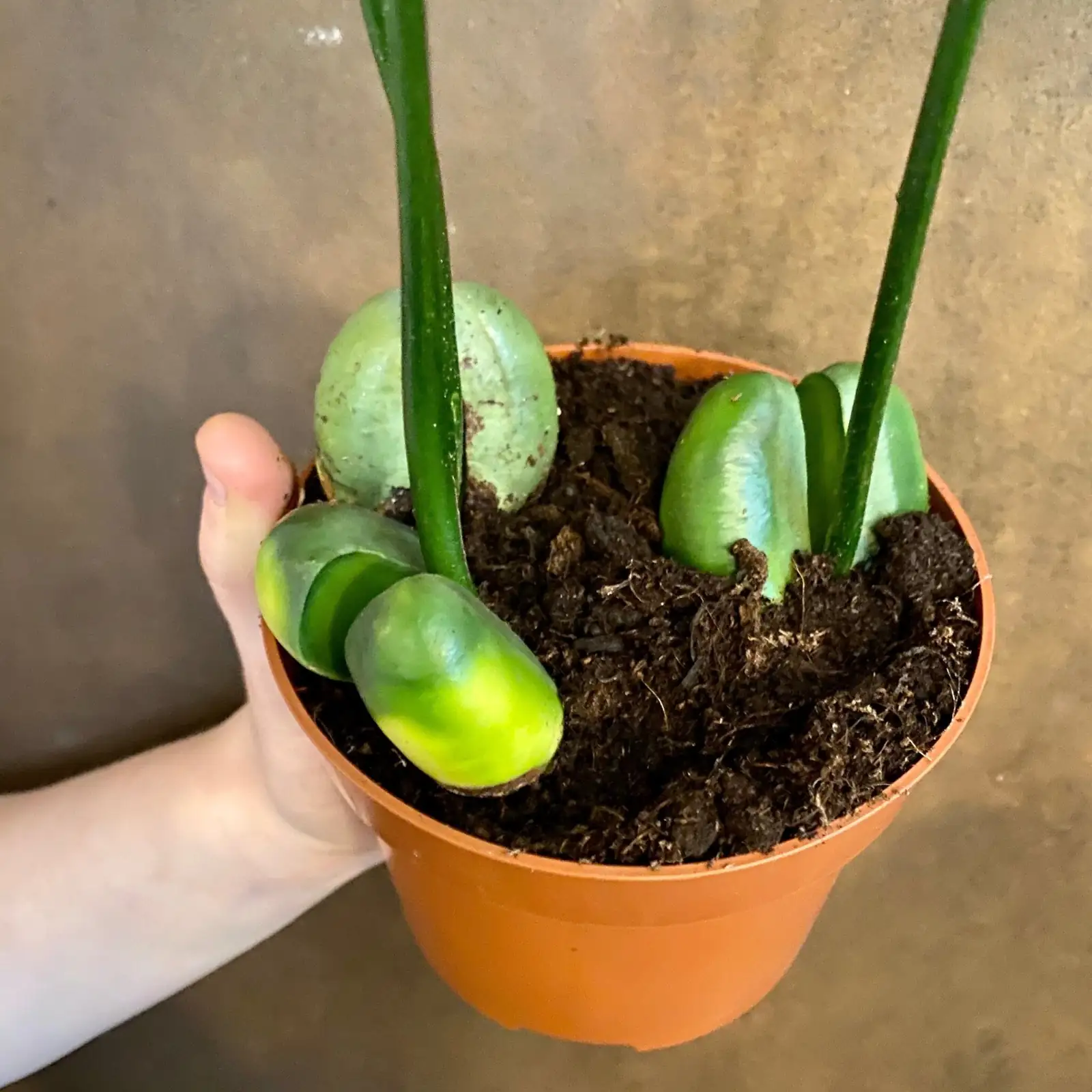
- On sprouting, two thick, fleshy green cotyledons spread sideways—an irresistible, ingot-like feature.
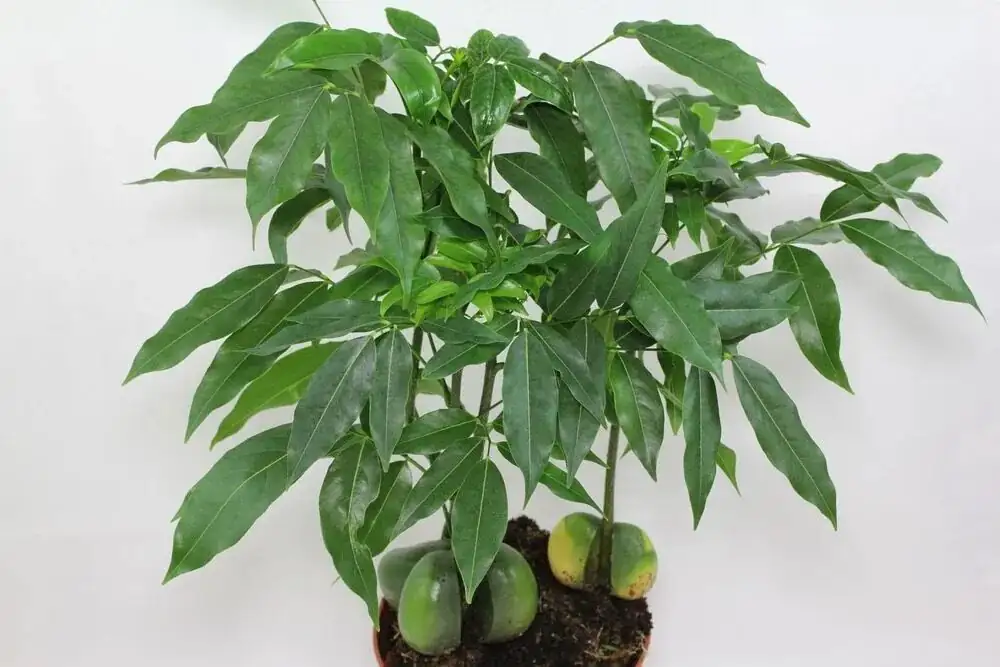
- True leaves are glossy and pinnate (arranged as multiple leaflets along a midrib).
Indoors, it’s often sold as a tiny seedling in 5–15 cm (2–6 in) pots and can be maintained as a small tabletop accent for years. With patience, it can be trained into a 1–2 m (3.3–6.6 ft) statement plant.
Why this Australian evergreen got a “money” reputation
The entire money mystique springs from those thick, green cotyledons. When they unfold, they look like a matched pair of little ingots—visual shorthand for wealth in many East Asian gifting cultures. Shops leaned into that image, and—voilà—an office-friendly “money tree” was born. It’s popular as:
- A desk plant near computers and workstations
- A conversation-starting countertop accent
- A short-term water-culture display (seedlings look striking over pebbles in glass)
No secret centuries-old ritual here—just a photogenic sprout and a clever marketing story that stuck.
Not Pachira: telling the two “money trees” apart
Both plants get called “money tree,” but they’re botanically and visually different.
- Castanospermum australe (this article’s plant)
- Origin: Northeastern Australia
- Family: Fabaceae
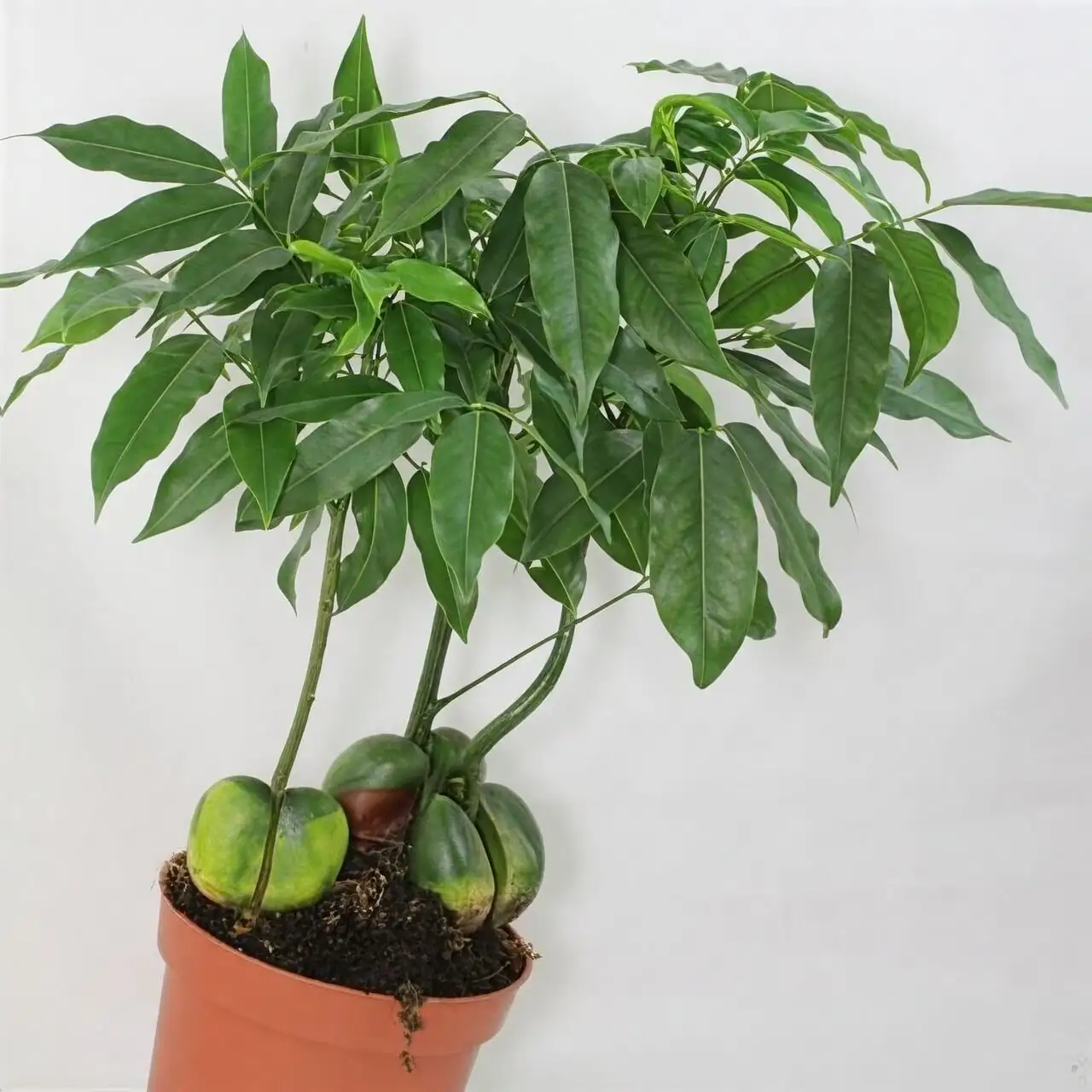
- Signature look: Two thick, green, ingot-like cotyledons; pinnate leaflets
- Common sale form: Small seedlings (sometimes clumped) in 5–15 cm pots; also used in water culture displays
- Growth indoors: Can be trained to 1–2 m over years
- Pachira aquatica (the braided “money tree” you see everywhere)
- Origin: Central and South America
- Family: Malvaceae
- Signature look: Palmate leaves (hand-shaped); often sold with a braided trunk
- Cultural notes you often hear—like the five leaflets symbolizing the five elements, or braided trunks “locking in” luck—belong to Pachira’s feng shui fame, not Castanospermum.
Bottom line: If your “money tree” has chunky green ingots at its base and pinnate leaflets, it’s Castanospermum. If it has a braided trunk and hand-shaped leaves, it’s Pachira.
Feng shui placement ideas (for a modern home)
While Castanospermum’s wealth aura comes from contemporary gift culture, many plant lovers still place it thoughtfully using feng shui-inspired zones for a feel-good, intention-setting nudge. Try:
- Southeast (the “wealth corner” in many feng shui schools): Use a gold- or brass-toned cachepot to echo those ingot cotyledons.
- Entryway light zone: Positioned to greet incoming qi—and guests—with fresh green growth.
- Workspace: On a desk or a nearby side table where you handle finances and plans.
- Living room spotlight: A small cluster of seedlings can symbolize steady, collective growth.
Plant-care reality check:
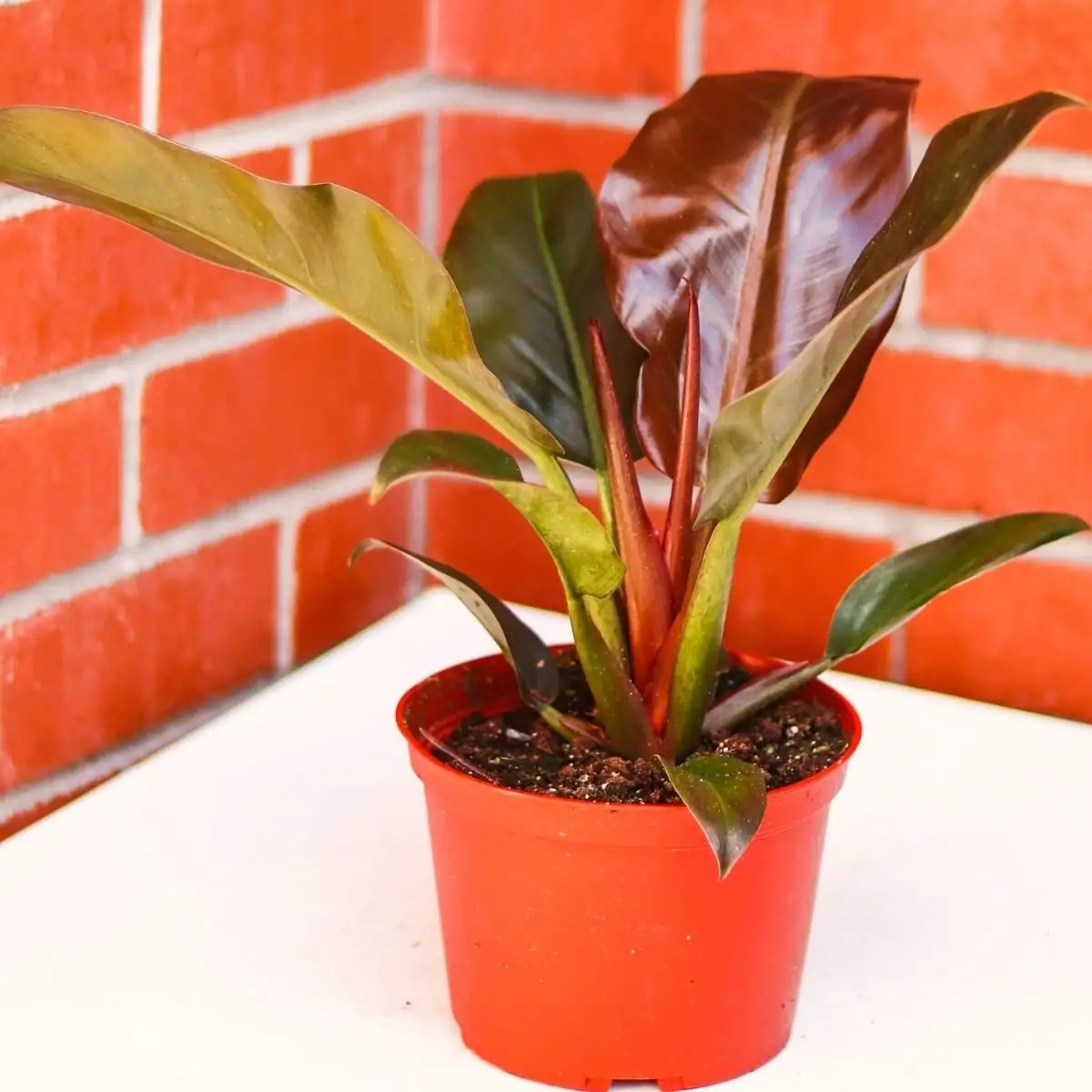
- Give bright, indirect light (east window or a south window with a sheer curtain).
- Avoid harsh midday summer sun, which can scorch tender foliage and trigger leaf drop.
- Keep it warm and humid to maintain that lush, polished look.
Is there a traditional “flower language” for this plant?
Short answer: no. Castanospermum australe doesn’t carry an established traditional flower language in Victorian floriography, Hanakotoba, or classical Chinese herbals. Its meanings—prosperity, steady growth, “wealth that unfolds”—arise from modern marketing, office gifting, and the ingot-like cotyledons. Think of it as a contemporary symbol whose message is written by today’s culture:
- Prosperity and stability (two solid “ingots”)
- New beginnings (a seed cracking open into promise)
- Encouragement for students, entrepreneurs, and career moves
If you gift one, the sentiment is heartfelt precisely because it’s current and personal, not bound to old rules.
Care that keeps the “ingots” shining
Light
- Bright, indirect light to partial shade is ideal when young.
- Larger, established plants can take brighter light but still avoid harsh midday sun.
- A filtered east- or south-facing window works beautifully.
Temperature
- Best growth: 20–28°C (68–82°F)
- Overwinter above 7°C (45°F); below about 5°C (41°F) leaf drop is likely.
Humidity and watering
- Likes humid air. In dry summer/autumn conditions, mist foliage about twice weekly.
- Keep the potting mix evenly moist in the growing season—never soggy.
- Reduce watering in winter.
Soil and repotting
- Use a rich, well-drained mix: fertile loam or garden soil + peat-based medium + sand, with a small amount of well-rotted organic fertilizer.
- Repot about every 2 years, trimming old or rotten roots. Keep in partial shade while it re-establishes.
Feeding
- During active growth, feed every 2–3 months with a balanced fertilizer (e.g., 20-20-20) or a diluted organic feed.
- Don’t overfertilize—leggy, floppy growth spoils the form.
Pruning and training
- If it stretches too tall, pinch or cut back shoot tips from autumn to winter to control height and encourage branching.
- With time and space, train several strong seedlings into a 1–2 m indoor specimen.
Propagation (by seed)
- Sow fresh seed soon after maturity (or indoors spring–summer).
- Soak seeds in warm water for 24 hours.
- Place on clean, moist medium with the seed seam facing downward.
- Keep humidity high; germination is best at 13–18°C (55–64°F).
- Seedlings can also be displayed short-term in water culture.
A simple yearly rhythm
- Spring–summer: keep evenly moist; fertilize every 2–3 months; protect from harsh sun.
- Summer dry spells: mist about twice weekly.
- Autumn: maintain humidity; prune tips if needed.
- Winter: ease off watering; keep above 7°C (45°F).
- Repot every 2 years.
Shop-smart tips
- Choose plants with intact, fully green cotyledons (the “ingots”) and fresh green, emerging pinnate leaves.
- For a fuller look in 12–15 cm (4.7–6 in) pots, clumps with about 7–9 vigorous sprouts are especially handsome.
- After purchase, give bright, indirect light, steady moisture (not waterlogged), and a humidity boost to support new growth.
Troubleshooting and plant health
- Sudden leaf drop: Often from cold snaps, drafts, or strong midday sun. Move to a warmer, filtered-light spot.
- Scorched/browned patches: Sunburn—add sheer curtains or shift to indirect light.
- Mushy base or limp new leaves: Overwatering—improve drainage and let the mix dry slightly between waterings.
- Rust disease: Improve airflow, avoid prolonged wet foliage, and treat early with an appropriate fungicide where permitted.
- Pests: Spider mites and scale can appear—rinse foliage, then use horticultural oil/soap or a suitable miticide/insecticide if needed.
Pro tip: Cotyledons will naturally age over time, but early shriveling can signal water stress or low humidity—adjust care before the look is lost.
Safety note
Household safety data for this species isn’t firmly established. As a precaution, keep seeds and plant parts away from pets and children, and avoid ingestion.
Styling and gifting ideas
- Echo the “ingot” motif with a gold-accented cachepot or a low, ceramic bowl.
- Stage seedlings in clear glass over pebbles (short-term water culture) for a sculptural desk accent.
- Occasion cards that fit the modern meaning:
- “May your plans unfold like these green ingots.”
- “Steady growth, smart gains—here’s your desk talisman.”
- “For new ventures and everyday wins.”
Castanospermum australe is proof that plant symbolism can be delightfully of-the-moment. Nurture the tree, enjoy the sparkle of those little green “ingots,” and let its steady, evergreen presence remind you to invest in growth—one fresh leaflet at a time.