


Meet the “ingot” money tree with true shine: Castanospermum australe is an evergreen from northeastern Australia whose thick, green cotyledons open like a pair of little gold bars. Keep the light bright-but-gentle, the potting mix evenly moist (never swampy), and the air a touch humid, and you’ll be rewarded with glossy, pinnate leaves and those iconic seed leaves looking immaculate for months.
Quick profile
- Botanical name: Castanospermum australe
- Also called: Black Bean Tree, Moreton Bay Chestnut; often marketed as “Money Tree”
- Family: Fabaceae
- Native range: Northeastern Australia
- Habit: Upright evergreen tree; easily kept as a small indoor plant and trained over time into a 1–2 m statement specimen
- Best for: Bright rooms, desks and countertops, or grown on as a foyer focal point
Light: bright and filtered is your secret sauce
Think “luminous shade.” This plant loves abundant light that’s softened, not scorching.
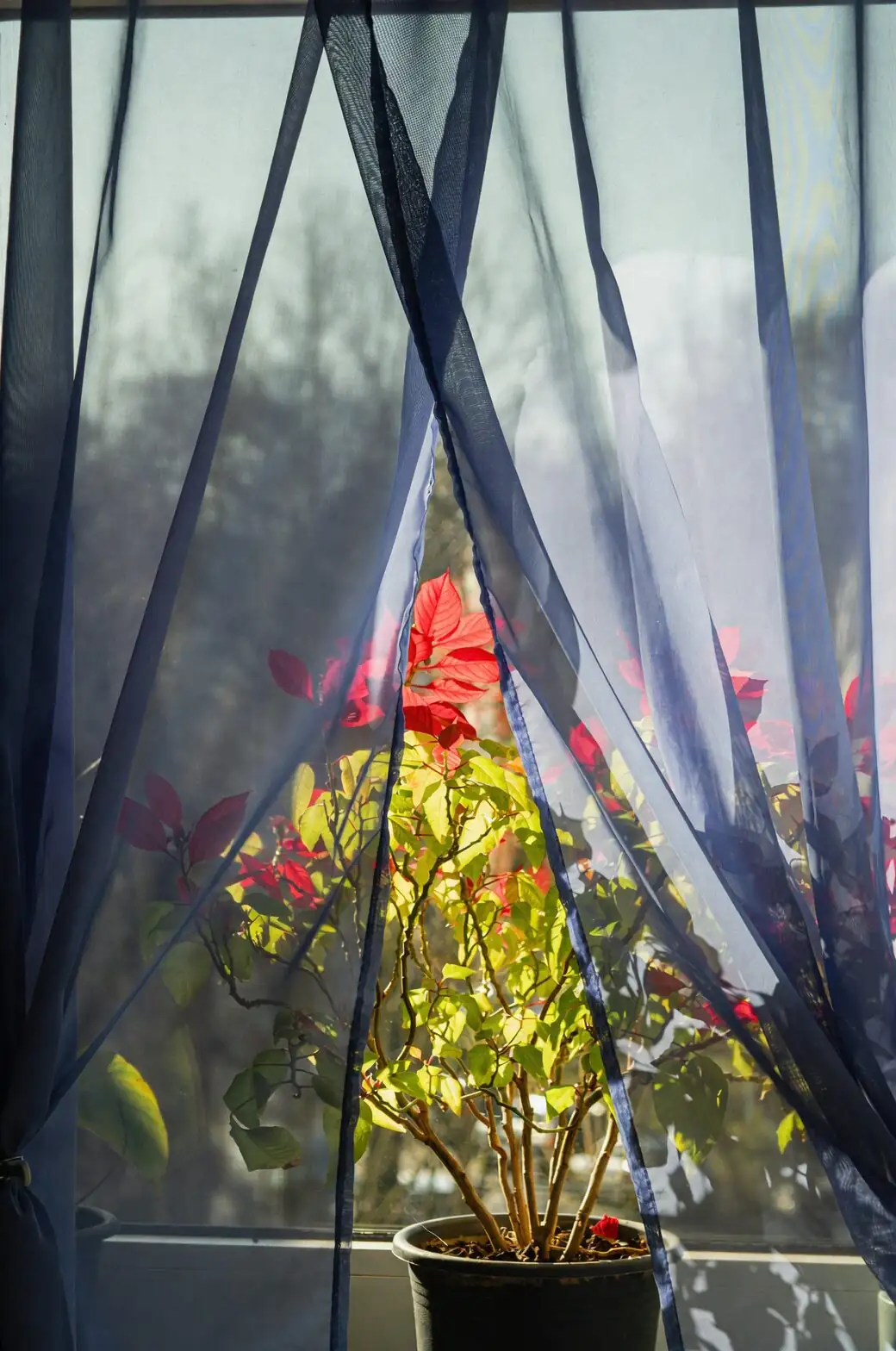
- Best spots: East-facing windows or a bright south exposure filtered with a sheer curtain.
- Do avoid: Harsh summer midday sun, which can scorch leaves and trigger leaf drop.
- Signs you’ve nailed it: Glossy, firm leaflets with fresh green new growth and cotyledons that stay plump and evenly colored.
- Pro move: Rotate the pot a quarter turn weekly for even, upright growth.
Watering: even moisture, never soggy
Castanospermum australe likes consistency—think a well-wrung sponge, not a soaked towel.

- Growing season (spring–summer): Keep the mix evenly moist. Water thoroughly until excess drains, then empty saucers—no standing water.
- Winter: Water less; let the top of the mix start to dry slightly between waterings, but don’t let the rootball bake out.
- Red flags:
- Overwatered: Limp leaves, yellowing, potential rot at the base.
- Underwatered: Crispy edges, wilting, dull leaf sheen.
- Tip for immaculate cotyledons: Water at the soil line to avoid repeated splashing; gently wipe with a soft, damp cloth when dusty.
Humidity: keep that rainforest glow
This species looks its best with a humidity bump, especially in dry homes.
- Aim for: Regular humidity boosts; in dry summer/autumn air, mist foliage about twice weekly.
- Easy upgrades: Pebble tray with water (pot above waterline), grouping plants, or a small humidifier nearby.
- Winter note: Air is dry but the plant’s growth is slower—prioritize humidity, not extra water.
Temperature: warm and steady wins
- Ideal range for active growth: 20–28°C (68–82°F).
- Overwinter minimum: Keep above 7°C (45°F); expect leaf drop below about 5°C (41°F).
- Drafts to dodge: Cold windowsills in winter, heater blasts, and A/C outflow.
Soil and potting: rich, airy, well-drained
Give it a fertile, breathable mix that holds moisture without getting claggy.
- DIY mix: Fertile loam or garden soil + a peat-based medium + coarse sand, with a small pinch of well‑rotted organic fertilizer. Always use drainage holes.
- Pot size: Commonly grown in 5–15 cm (2–6 in) pots as seedlings; upgrade gradually as roots fill the container.
- Water culture option: Seedlings can be displayed in water for a time—great for desks—just keep the base of the shoot above water and rinse the container regularly.
Feeding: light, steady nutrition for gloss
- When: Spring through summer.
- Frequency: Every 2–3 months.
- What: A balanced fertilizer (e.g., 20‑20‑20) or a well‑diluted organic feed.
- Why not more? Overfeeding pushes lanky growth and spoils that compact, elegant form.
Pruning and shaping: tidy height, better branching
- If it gets leggy or tall for the space, pinch or cut back shoot tips in autumn to winter.
- Growing it on: Combine several strong seedlings in a deeper pot (20–30 cm / 8–12 in) and train patiently into a 1–2 m indoor specimen for hallways or living rooms.
Repotting: every two years is about right
- Timing: Every 2 years or when roots circle heavily.
- How: Trim old or rotten roots, refresh with a fertile, well‑drained mix, and keep in bright, indirect light (partial shade) while it re-establishes.
Propagation from seed (and that iconic ‘ingot’ stage)
Sowing from seed is straightforward and rewarding—the cotyledons are half the fun.
- When: Soon after seed maturity or indoors spring–summer.
- Steps:
- Soak seeds in warm water for 24 hours.
- Place on clean, moist sand or seed medium with the seam facing downward; don’t bury deeply.
- Maintain high humidity and temps of 13–18°C (55–64°F) for best germination.
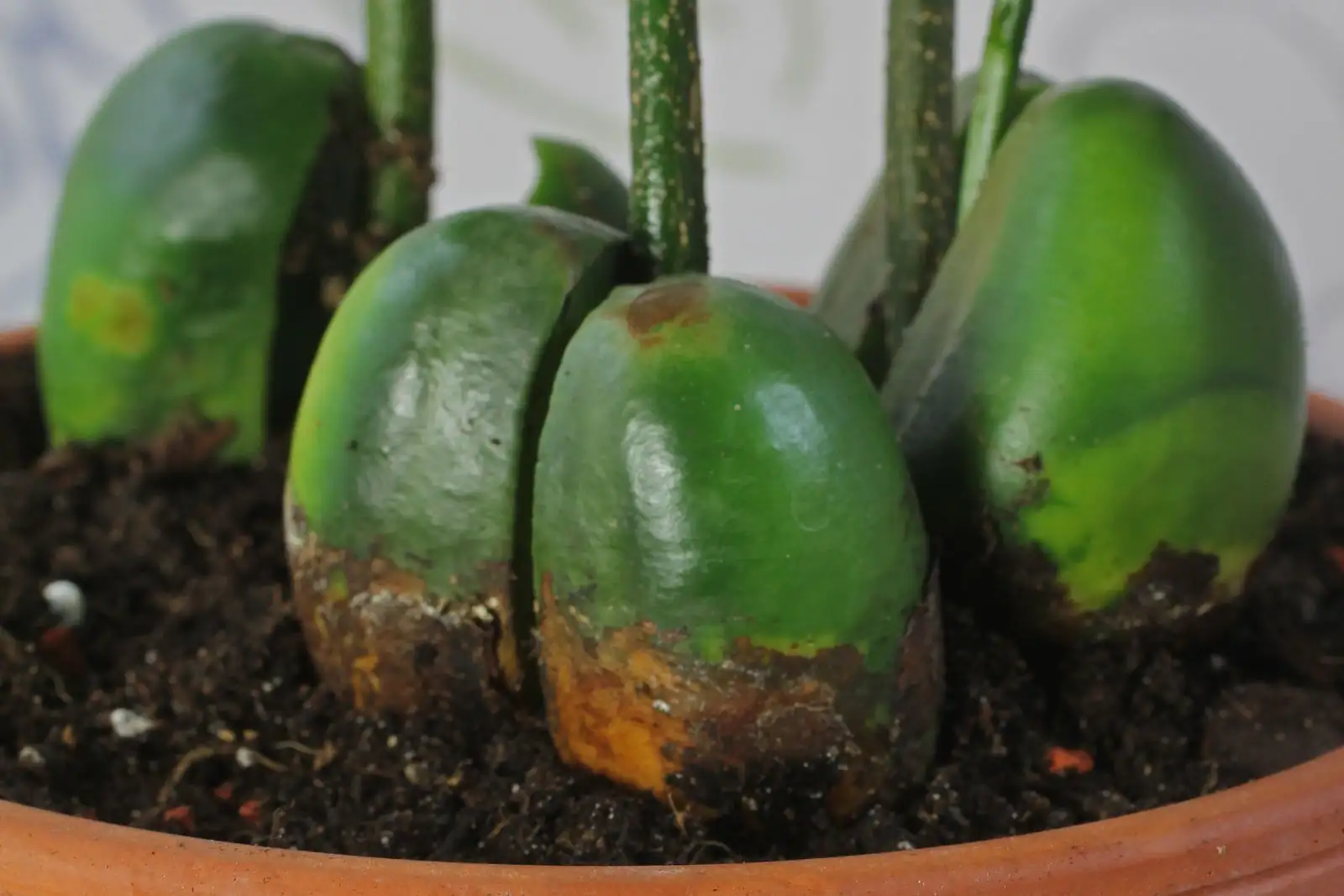
- Care for seedlings: Keep evenly moist, bright but filtered light, and resist handling the cotyledons—they’re storage organs and a key ornamental feature.
Troubleshooting: keep leaves glossy, cotyledons pristine
- Leaf scorch, tip burn: Too much direct sun or a dry, hot draft. Filter light and raise humidity.
- Leaf drop: Can follow cold exposure, drastic underwatering/overwatering, or harsh midday sun. Stabilize conditions and check roots.
- Rust disease: Improve airflow, avoid prolonged wet foliage, and treat early with an appropriate fungicide where permitted.
- Pests: Watch for spider mites and scale. Rinse foliage thoroughly, then use horticultural oil/soap or a suitable miticide/insecticide if needed.
Seasonal care calendar
- Spring–summer:
- Light: Bright, indirect; shield from harsh midday rays.
- Water: Keep evenly moist, never soggy.
- Feed: Every 2–3 months.
- Summer extras:
- In dry air, mist about twice weekly; don’t let pots stew on hot windowsills.
- Autumn:
- Maintain humidity support as indoor air dries.
- Pinch or prune tips if height control or branching is needed.
- Winter:
- Reduce watering.
- Keep above 7°C (45°F).
- Brighten the site (short days), but still avoid harsh, direct midday sun.
- Repotting: About every 2 years.
Buying guide and first-week setup
- Choose:
- Intact, fully green cotyledons (the “ingots”) and fresh, healthy new pinnate leaves.
- For 12–15 cm (4.7–6 in) pots, clumps with about 7–9 vigorous sprouts look lush.
- Set up:
- Place in bright, indirect light (sheer-filtered east/south window works well).
- Keep the mix evenly moist but not waterlogged.
- Mist to raise humidity and support new leaf growth.
Style ideas
- Tabletop jewel: A single seedling in a minimalist pot makes the cotyledons the star.
- Group glamour: Plant several seedlings together for a fuller, forested look.
- Water-culture display: Show off the “lucky bean” base in a glass vessel on a desk—clean, modern, conversation-starting.
Will it flower indoors?
Mature plants can produce flowers from late spring to late summer, but blooming indoors is uncommon. Most indoor growers enjoy it primarily for the sculptural cotyledons and glossy foliage.
Symbolism and “flower language”
Castanospermum australe became a modern good‑luck gift because those thick green cotyledons open like little ingots—an unmistakable nod to prosperity. While it doesn’t carry a traditional “flower language” heritage, its contemporary symbolism centers on steady growth, resilience, and wealth. Gifting one says: “May your new venture root well and keep growing.”
Safety notes
Household safety is not reliably established for this plant. As a precaution, keep seeds and plant parts away from pets and children and avoid ingestion.
FAQ
- How do I keep a mature plant looking neat and attractive?
- Either restart from fresh seed to keep a compact look, or commit to growing it on as a larger indoor specimen: pot several strong seedlings into a deeper container about 20–30 cm (8–12 in) deep and train it over a few years into a 1–2 m (3.3–6.6 ft) statement plant for a hallway or living room.
- How do I choose a good plant in the shop, and what should I do after bringing it home?
- Pick plants with intact, fully green cotyledons and fresh green new pinnate leaves. For 12–15 cm (4.7–6 in) pots, clumps with about 7–9 vigorous sprouts look best. After purchase, place in bright, indirect light (avoid direct sun on young plants), keep the mix evenly moist without waterlogging, and mist to raise humidity and support new growth.
With bright, filtered light, even moisture, and a touch of humidity, Castanospermum australe keeps its “ingots” polished and its leaves mirror‑glossy—bringing a fresh, lucky shimmer to your space year‑round.