

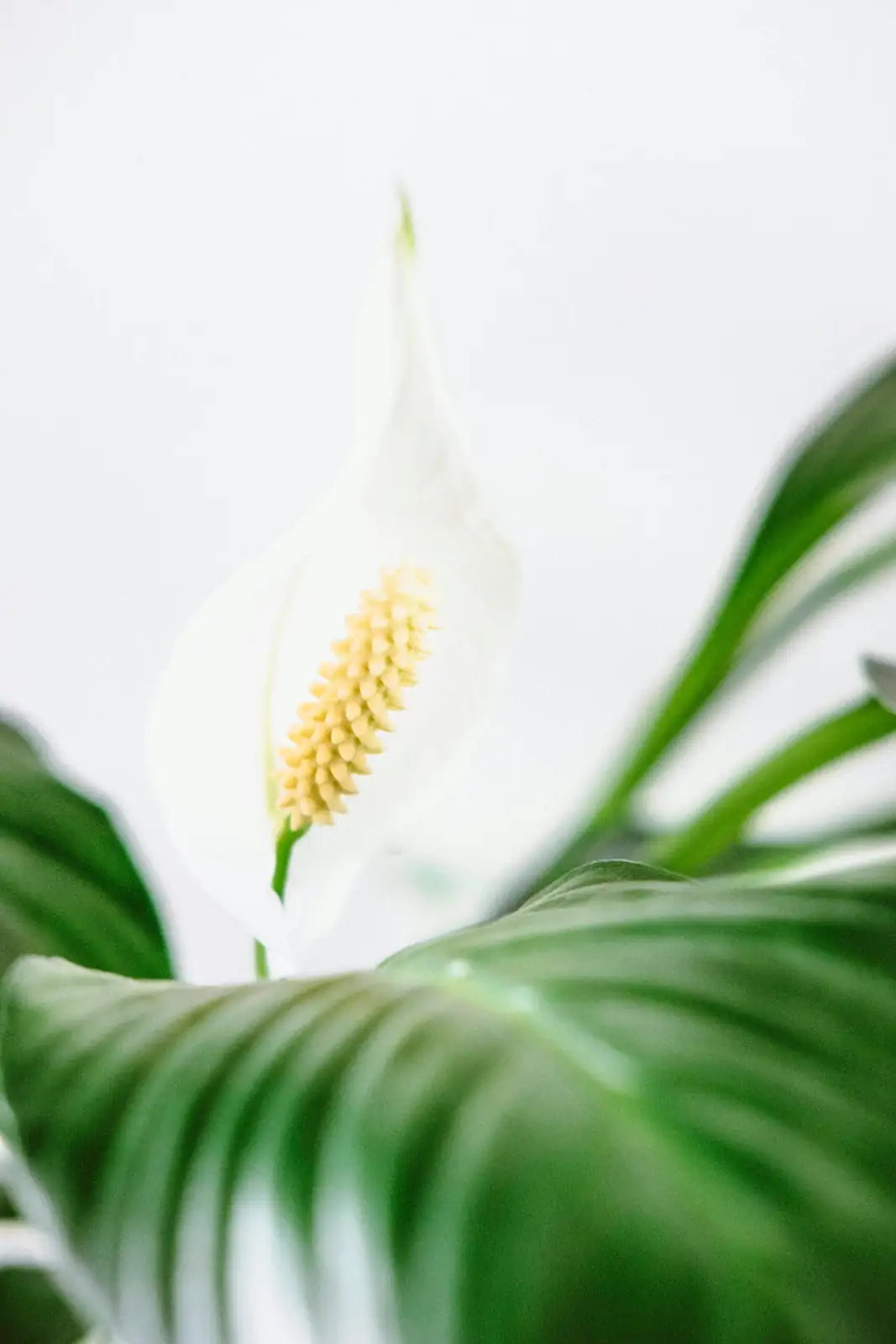
Sculptural, serene, and famously elegant, the calla lily (Zantedeschia aethiopica) can transform a room or a garden bed with a single, swooping spathe. But if you share your home with a curious cat or an indiscriminate chewer of a dog, this beauty needs a smart, safety‑first plan. Here’s your friendly, expert guide to what makes calla lily risky for pets, how to place and handle it wisely, the symptoms to watch for, and exactly what to do—and tell your vet—if a nibble happens.
Meet Zantedeschia aethiopica (Calla Lily)
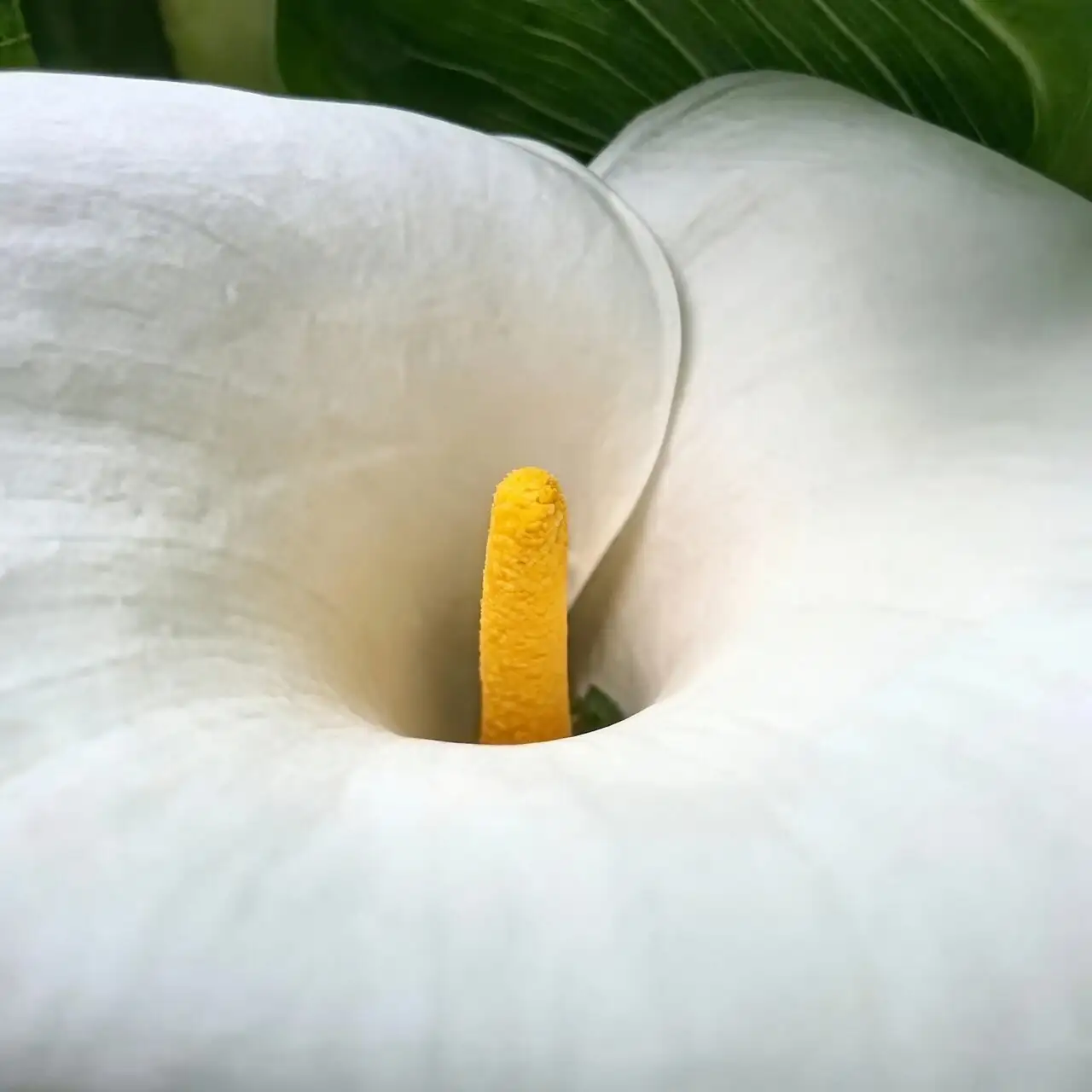
- What you see as a “petal” is actually a spathe—a sleek, funnel-like leaf—wrapped around a central spadix covered in tiny true flowers. The classic is pure white, but modern hybrids span yellow, pink, magenta, deep red, and near-black.
- Growth habit: A clump-forming perennial from a thick rhizome (often sold like a bulb). In good conditions, plants reach about 30–90 cm (12–35 in), commonly around 60 × 60 cm (24 × 24 in).
- Rhythm: Loves bright light and steady moisture while it’s actively growing and flowering, then naturally winds down—foliage yellows and the plant rests (dormancy).
- Origin: Southern Africa, widely cultivated worldwide.
- A note on names: Also sold as arum lily and (confusingly) “lily of the Nile”—a name also used for Agapanthus. It isn’t a true lily.
Why this beauty bites: calcium oxalate 101
All parts of calla lily are toxic if chewed or eaten by people or pets. The plant contains insoluble calcium oxalate crystals—needle‑like structures that jab soft tissues and trigger immediate pain and irritation.

- Toxic to: Cats and dogs.
- Toxic principle: Insoluble calcium oxalates.
- What happens: When a pet bites the plant, these crystals embed in the mouth and throat lining, causing intense burning, drooling, and sometimes vomiting. Most pets don’t swallow much because it hurts right away, but it’s still a veterinary issue.
- Not the same as “true lilies”: Calla lily is not in the Lilium or Hemerocallis groups. Unlike true lilies, it doesn’t cause kidney failure in cats—but it can cause severe mouth/throat irritation and distress and still requires prompt care.
Symptoms to watch for in cats and dogs
Signs often begin immediately or within minutes of chewing:
- Profuse drooling, foamy saliva
- Immediate oral pain: pawing at the mouth, head shaking, vocalizing
- Oral irritation/burning: red or swollen lips, tongue, gums
- Vomiting, gagging, difficulty swallowing
- Decreased appetite, reluctance to drink
- Rarely: throat swelling and breathing difficulty
- Skin/eye exposure to sap: redness, tearing, itchiness, irritation
Tip: The rhizome (the “bulb-like” base) can hold a lot of oxalate crystals; dogs that dig or cats that sample stored rhizomes can get a heavy dose.
First-aid playbook if a pet nibbles

- Remove, don’t panic
- Gently take away plant pieces and prevent further access.
- Keep your pet calm and observed in good light.
- Rinse and soothe
- Rinse the mouth: Offer a few small sips of cool water or gently flush the mouth with cool water using a syringe—do not force it.
- Wipe any sap from lips, gums, and tongue with a clean, damp cloth.
- For skin/eye exposure: Rinse with lukewarm running water or saline for up to 15 minutes.
- Do not
- Do not induce vomiting.
- Do not give home remedies, oils, or medications unless a veterinarian instructs you to.
- Call a professional
- Contact your veterinarian or a pet poison hotline promptly. In the U.S., the ASPCA Animal Poison Control Center is 888-426-4435 (consultation fee may apply).
- Watch for red flags that need urgent care
- Swelling of the tongue/throat, trouble breathing, repeated vomiting, lethargy, inability to drink, or eye injuries.
What to tell your vet (have this ready)
- Plant: “Calla lily (Zantedeschia aethiopica)”—bring a photo or a cutting if safe.
- Part eaten and amount: Leaf, spathe, stem, or rhizome; roughly how much; whether it was chewed or swallowed.
- Timing: When it happened and when symptoms began.
- Pet details: Species, breed, weight, age, pre‑existing conditions, medications, pregnancy/lactation status.
- What you’ve done so far: Rinsing, anything your pet ate/drank since, observed symptoms.
What your vet may do
- Oral exam and gentle irrigation; pain control; anti‑nausea meds if needed.
- Topical/oral protectants for mouth irritation and guidance on soft foods/water intake.
- Monitoring for airway swelling; more intensive care if breathing is affected.
- Most cases improve within 12–24 hours with supportive care.
Smart placement and handling: keep the elegance, nix the risk
Make your home beautiful and pet‑savvy at the same time.
Indoors

- Light and location: Bright, filtered light is ideal—think an east window or a south window with a sheer curtain. Place plants where pets can’t reach or launch to:
- Tall shelves without “staircase” furniture nearby
- Closed, glass‑fronted cabinets
- Hanging planters and ceiling hooks (no adjacent cat shelves)
- Rooms with doors; use baby/pet gates if helpful
- Cut flowers: Keep bouquets well out of reach—vases on kitchen islands, mantels, or closed rooms are safer than coffee tables.
- Housekeeping: Pick up fallen leaves or spent spathes promptly; don’t leave trimmed pieces in open bins.
- Airflow, not drafts: Good ventilation helps prevent rot; avoid heaters and AC vents.
- Handling: If you have sensitive skin, wear gloves—sap can irritate. Wash hands and tools after pruning; avoid touching your face and eyes.
Outdoors (mild climates or warm seasons)
- Position: Morning sun with afternoon shade is ideal; protect from harsh midday sun.
- Boundaries: Plant behind low fencing or dense, pet‑safe hedging; use tall containers on stands in areas pets don’t frequent.
- Supervise: Especially after watering or pruning when sap is fresh. Remove plant debris the same day.
Storage safety
- Dormant rhizomes: Label and store them in a cool, dry, pet‑proof place (sealed bin on a high shelf). Dogs love “buried treasure.”
One-minute care refresher (for pet-smart growing)
- Light: Partial sun to bright, filtered light.
- Water: Keep evenly moist in active growth and flowering; never waterlog. After blooming as the plant winds down, reduce watering and keep almost dry during dormancy.
- Temperature: Performs best in cooler‑mild conditions around 10–20°C (50–68°F); protect from frost. Prolonged heat around/above 25°C (77°F) or cold around/below 5°C (41°F) can push it toward dormancy.
- Feeding: During active leaf and bud growth, feed every 2 weeks with a balanced liquid fertilizer; usually pause once flowering is in full swing.
- Tidy up: Remove spent flower stems; allow foliage to yellow naturally, then clean up.
- Long-term: Tender outdoors—often grown year‑round only in mild regions (roughly USDA Zones 8–10). In colder areas, overwinter dry, cool, and frost‑free.
Myths, mix-ups, and easy wins
- “It’s a lily, so it kills cats.” Not quite. Calla lily isn’t a true lily; it won’t cause kidney failure like Lilium or Hemerocallis can. Still toxic, still painful, still a vet call.
- “Lily of the Nile” confusion: The name is also used for Agapanthus. Always check the exact plant name.
- Look‑alike risks: Other common houseplants with insoluble calcium oxalates include peace lily and many philodendrons—use similar precautions.
- Decoy strategy: Offer safe pet grass to satisfy nibblers and reduce plant curiosity.
Symbolism and why we love it anyway
Calla lilies are icons of elegant design—streamlined, sculptural, and dignified. White callas, in particular, are linked with purity and sympathy, which is why you see them in both weddings and memorial arrangements. The “flower language” around callas grew out of Victorian and later gifting traditions that assigned moral or emotional meanings to blooms; those meanings vary by culture and occasion. If you love their symbolism, enjoy it—just keep the plant (or bouquet) placed with pet safety in mind.
Quick-reference: emergency steps
- Take away plant pieces; keep your pet calm.
- Rinse the mouth with cool water; wipe off sap.
- Rinse eyes/skin 15 minutes if exposed.
- Call your vet or a poison helpline (U.S. ASPCA: 888‑426‑4435).
- Bring a photo/sample of the plant and be ready with details.
With thoughtful placement, tidy handling, and a clear plan for “just in case,” you can enjoy Zantedeschia aethiopica’s modern grace while keeping your four‑legged family safe.