

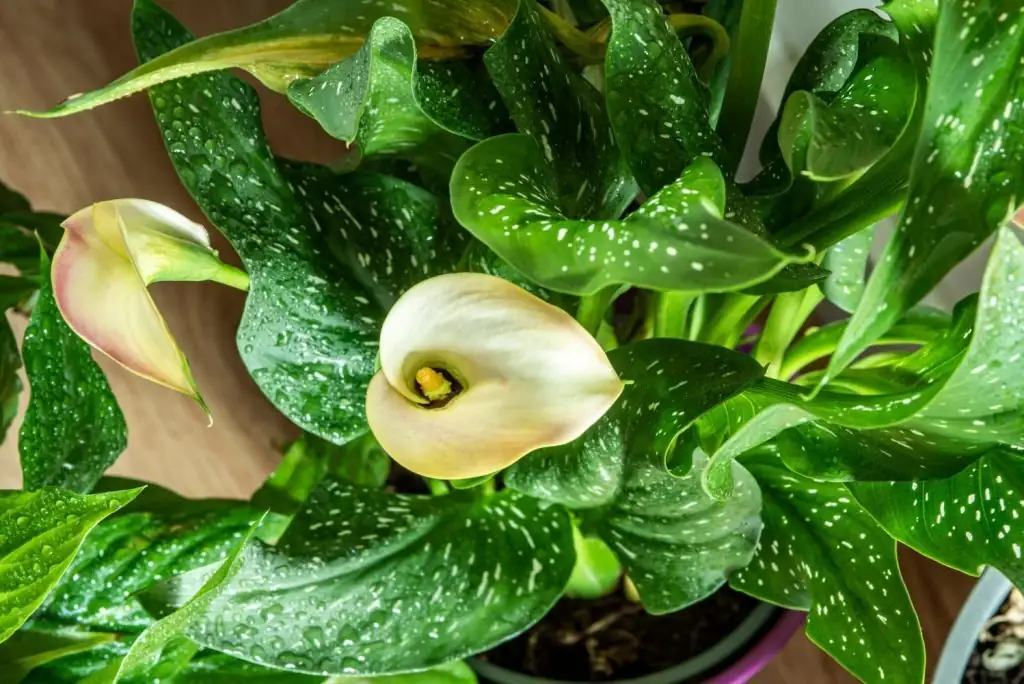
Sleek, sculptural, and always elegant, the calla lily (Zantedeschia aethiopica) behaves like living decor—its minimalist spathe curls around a golden spadix as if it were designed by a modernist. Use that natural geometry to your advantage: think textured vessels, considered light, and lush planting for a full, gallery-worthy display.
Why calla lilies belong in design-first containers
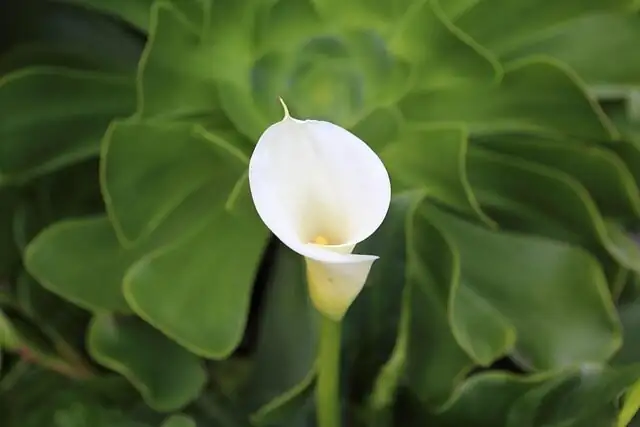
- Architectural form: The “petal” is actually a spathe—clean, seamless, and sculptural—ideal for contemporary rooms and terraces.
- Luxe foliage: Broad, glossy, arrow-shaped leaves act like statement greenery; many modern hybrids also bring chic speckling.
- Compact stature: Typically 30–90 cm tall (often around 60 × 60 cm in good conditions), which suits entryways, windows, and tabletops.
- Long season, then a graceful intermission: After flowering, foliage naturally yellows as the rhizome rests. Built-in seasonality keeps your styling fresh.
Light like a stylist: where they look their best
- Morning sun, afternoon shade is the sweet spot outdoors. On patios and balconies, position callas for bright early light then relief from harsh midday beams.
- Indoors, choose bright, filtered light—an east window or a south window with a sheer curtain. Harsh midday sun can spot or scorch; too little light means fewer blooms.
- Air matters: Bright, airy locations with gentle airflow help keep leaves pristine and pests at bay.
The design-forward pot: texture, contrast, and proportion
Aim for containers that amplify the spathe’s sleekness with tactile counterpoints.
- Materials that sing:
- Raw concrete, terrazzo, or sandblasted stone for a crisp, gallery vibe.
- Hand-thrown matte ceramics or unglazed clay to add warmth and tooth.
- Ribbed fiberstone or fluted planters to echo the spadix’s vertical line.
- Color pairings:
- White spathes + charcoal or ink-black pots for stark, editorial drama.
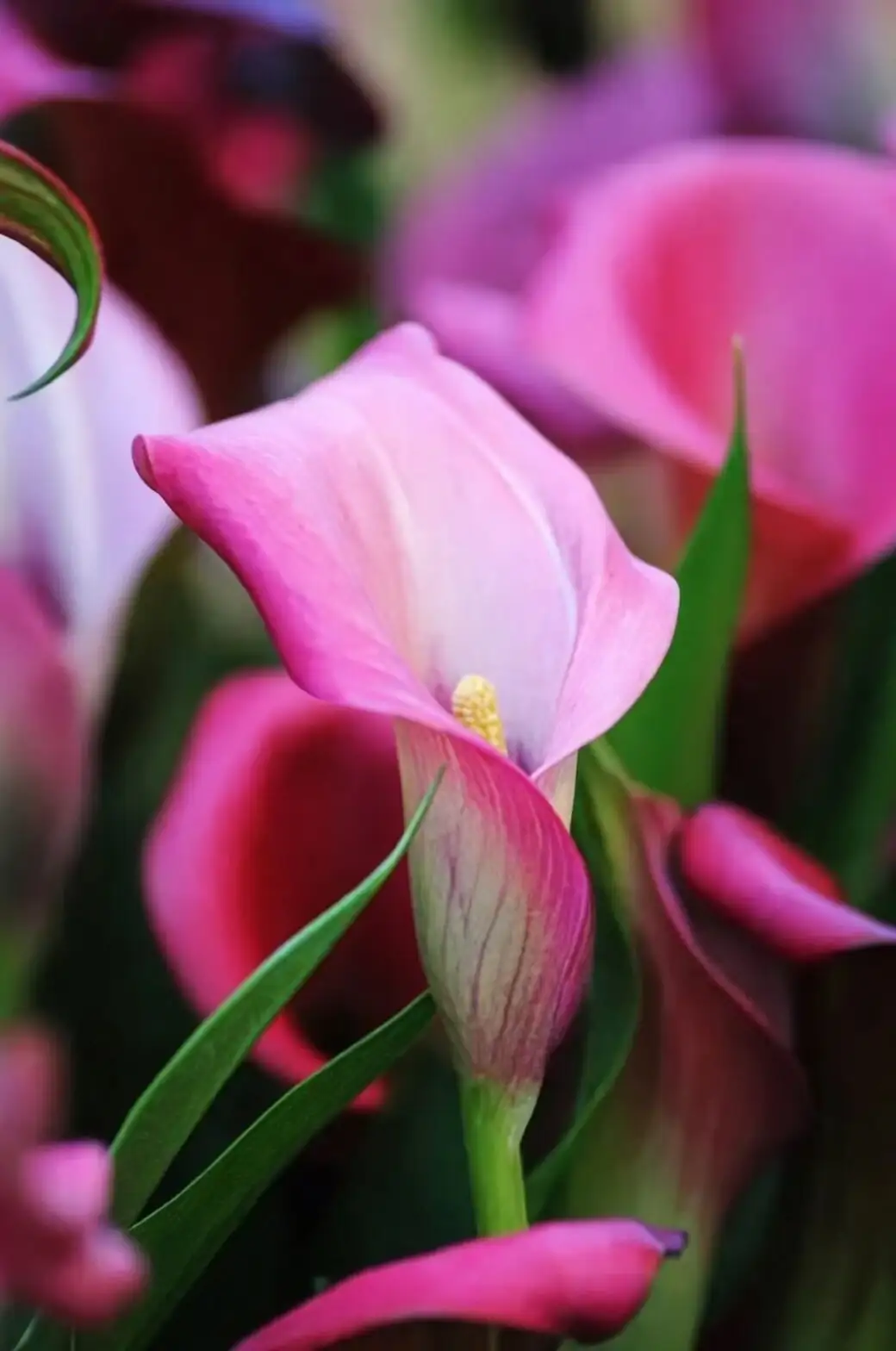
- Near-black or deep plum varieties + warm oatmeal, ecru, or travertine finishes.
- Speckled foliage + terrazzo, peppered granite, or dotted glazes—let the leaf pattern converse with the vessel.
- Proportion tips:
- Callas prefer pots wider than deep; the horizontal line flatters their vertical stems.
- For small, jewel-box displays, a 12–15 cm diameter pot can work with compact selections—but many growers favor a wider bowl to improve drainage and balance the foliage mass.
- Elevate on a low plinth or side table to bring the spathes into eye line.
Design detail: Top-dress with fine gravel, pale clay pebbles, or a restrained moss layer to hide soil and sharpen the silhouette. Keep spathes dry when you water—wet blooms can spot or rot.
Planting for fullness: the 3–5 rhizome rule
Callas are clump-forming perennials grown from thick rhizomes (often sold like bulbs). For an instant, lush look:
- Mix 3–5 healthy rhizomes in one broad container.
- Plant with the “eyes” (growth points) up and leave the top of each rhizome slightly exposed to reduce rot risk.
- Use a fertile, humus-rich, moisture-retentive yet well-drained mix: think loam + peat/coir + perlite/sand with a touch of well-rotted compost.
- Space evenly so stems rise as one full bouquet rather than in sparse clusters.
Stylist’s shortcut: Pot-in-pot. Keep your callas in a grower pot nestled inside a decorative cachepot. You’ll water precisely, swap vessels seasonally, and protect porous finishes.
Water, feeding, and the chic art of dormancy
Callas are easy when you honor their rhythm.
- During active growth and bloom:
- Keep the mix consistently moist—but never waterlogged.
- Feed every 2 weeks with a balanced liquid fertilizer while leaves and buds are developing; pause once flowering is in full swing or as the plant begins to wind down.
- Humidity: moderate is fine; mist leaves only if the air is very dry and avoid wetting flowers.
- After flowering, a rest is normal:
- Foliage often yellows and dies back—this is your cue to reduce watering.
- Keep almost dry through dormancy to prevent rhizome rot.
- Temperature:
- Best performance in cooler-mild conditions around 10–20°C; they also grow well in the mid-teens to mid-20s (°C).
- Protect from frost; prolonged heat around/above 25°C or cold near/below 5°C can push plants toward dormancy.
Calendar note: Late winter is prime time to reawaken plants—reposition rhizomes with eyes up, top slightly exposed, move into brighter light, and resume watering gradually as growth begins.
Placement recipes: interiors and terraces
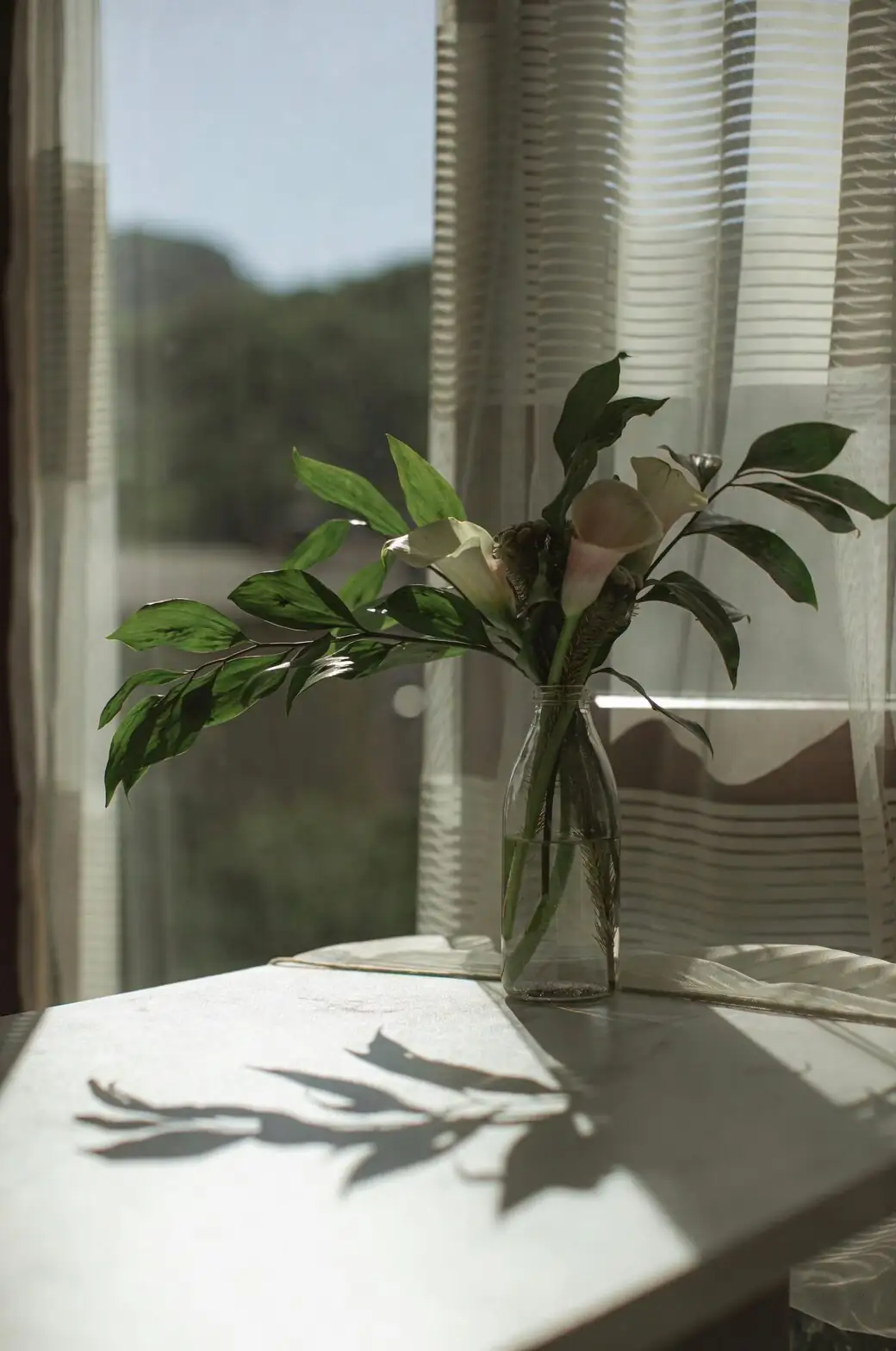
- Bright breakfast nook (east window): White Z. aethiopica in a matte, ribbed oat-colored cylinder; top-dressed with pale gravel. Perfect morning sun, filtered later.
- Sheltered balcony: Colored hybrids in a wide, low concrete bowl; 3–5 rhizomes for a massed look. Morning sun, afternoon shade, with a light breeze.
- Sunroom, softened: South exposure behind sheer curtains; a speckled-leaf cultivar in a peppered terrazzo pot to mirror the foliage dots.
Pro move: Rotate the container a quarter-turn weekly for upright, even growth and a uniformly styled “front.”
Coordinating foliage speckles with modern palettes
- Monochrome minimalism: Pair speckled leaves with black-and-white ceramics, boucle upholstery, and chalky plaster finishes.
- Soft neutrals: Sand, flax, and limestone tones let white spathes glow; add brushed brass or rattan for quiet luxe.
- Jewel box: Deep burgundy or near-black spathes against forest-green cabinetry and smoked glass for moody glamour.
Outdoors year-round or seasonal?
- Tender, not reliably frost-hardy. In mild regions (roughly USDA Zones 8–10) they can stay outside year-round in protected spots.
- In colder climates, treat callas as seasonal container stars; overwinter rhizomes cool, dry, and frost-free, then replant late winter.
Cut-flower finesse for tablescapes

- Harvest when spathes are nearly fully unfurled, unbruised, and with a clean, intact spadix.
- Keep stems cool and give them a clean cut; avoid splashing spathes. Their vase life is excellent—and their lines are unmatched in minimalist arrangements.
Troubleshooting and care quick-check
- Leaves crisping or flowers fading fast? Too much midday sun or heat. Shift to morning sun/afternoon shade.
- Few or no blooms? Increase light to bright, filtered conditions and feed during leaf/bud production.
- Wilting or collapse post-bloom? Likely natural dormancy—reduce water and let it rest.
- Pests indoors: Watch for aphids, mites, thrips, and mealybugs. Improve airflow; rinse foliage; use insecticidal soap or horticultural oil as needed.
- Safety first: All parts are toxic if chewed (insoluble calcium oxalate). Keep away from pets and children; wear gloves if you have sensitive skin.
Buying smart
- Potted plants: Look for taut, glossy leaves and clean, well-shaped spathes.
- Dormant rhizomes: Choose firm, plump pieces with no soft spots or mold. Larger rhizomes typically flower more reliably.
Styling inspo: three ready-to-plant combinations
- Gallery White: Z. aethiopica + wide, low graphite concrete bowl + pale grit top-dress; staged on a light oak credenza near an east window.
- Terrazzo Echo: Speckled-leaf hybrid + terrazzo cylinder + linen-canvas stool; books stacked to align spadix height with wall art.
- Moonlit Patio: Trio of colored hybrids in a fluted sand fiberstone trough; grouped with a lantern and woven chair; morning sun, shaded tea-time drinks.
A note on symbolism and “flower language”
Calla lilies are icons of refined celebration: white forms are staples of weddings and also appear in memorials, often tied to ideas of purity and sympathy. These meanings grew from Victorian-era floriography and later floral design traditions—useful cultural shorthand, not universal rules. In practice, choose the hue and form that speak to your space and moment; if gifting, some traditions favor even numbers of stems, but etiquette varies by culture.
—
With the right pot, the right light, and a mindful pause for dormancy, Zantedeschia aethiopica becomes more than a plant—it’s a seasonal sculpture you can restyle year after year. Keep the spathes sleek, the soil evenly moist in growth, and the pot textural and wide. The result? Effortless elegance that looks curated, not complicated.