

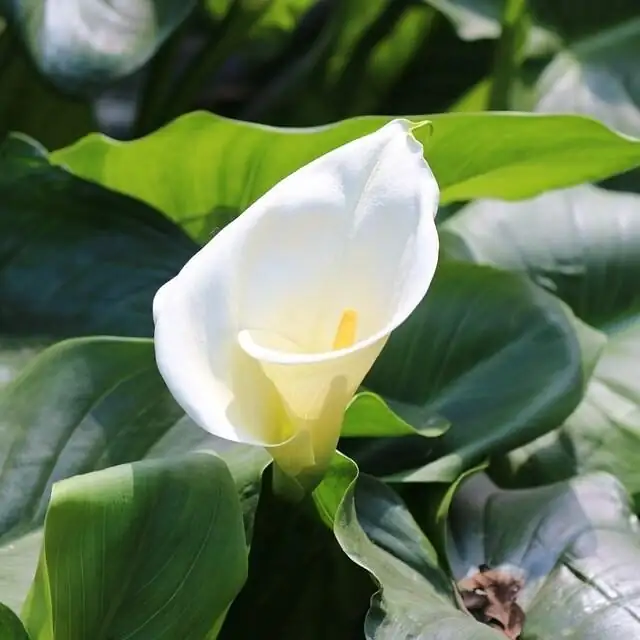
Elegant, sculptural, and steeped in stories, the calla lily (Zantedeschia aethiopica) is one of those rare plants whose clean lines seem to carry a whole language. That “petal” you admire is actually a silky spathe—a modified leaf—curving around a golden spadix packed with true flowers. The effect is part veil, part trumpet: a natural emblem that has whispered purity, proclaimed beauty, and consoled grief across centuries.
Below, we trace how the calla lily’s flower language (huayu) took shape—from ancient myth to Renaissance altarpieces, Victorian codebooks, and today’s weddings and memorials—along with smart, culturally aware gifting tips.
A Southern African original, now a global icon
- Botanical identity: Zantedeschia aethiopica, family Araceae. Commonly called calla lily or arum lily; not a true lily.
- Native range: Southern Africa (notably South Africa and Lesotho; also cited as South Africa and Eswatini). Now grown and gifted worldwide.
- Form: Glossy, arrow-shaped leaves rise from a rhizome. The dramatic “bloom” is a spathe enfolding a central spadix.
- Color range: The classic species is white; modern compact hybrids span yellow, pink, purple, deep red, and near-black, often with speckled leaves.
- Rhythm: Moisture-loving in growth, then a natural rest (dormancy) when foliage yellows and dies back—a life cycle that later fed its symbolism of renewal.
How a sculptural plant gathered its flower language (huayu)
1) Greek myths: milk, beauty, and a name that stuck
- Beauty at the root: “Calla” echoes the Greek kallos, meaning beauty—an early clue to the flower’s core meaning.
- Milk of Hera: A well-loved myth tells that drops of Hera’s milk formed the Milky Way and, where they fell to earth, beautiful lilies sprang up. While the tale originally clung to “true lilies,” later storytellers and artists extended its aura to the calla’s pure white spathe and sculptural grace.
- A later flourish: Some retellings add Venus (Aphrodite) growing jealous of the blossom’s perfection—a folk motif used to explain the bright golden spadix. Treat these as poetic overlays rather than strict classical canon; they nonetheless reinforced the calla’s dual associations with radiant beauty and potent allure.
What these myths contributed to huayu: the idea that callas are born of celestial beauty—elevated, pure, and arresting.
2) Renaissance and Christian iconography: purity, proclamation, resurrection
- Visual theology: In Christian art, white flowers became visual shorthand for purity and divine favor. The white calla’s pristine spathe and upright trumpet form made it an eloquent stand-in for chastity, holiness, and the announcement of good news.
- Liturgical presence: At Easter—when themes of resurrection, hope, and new life crest—white callas fit both the message and the moment. Their habit of re-sprouting after rest only deepened their resonance with rebirth.
What this era added to huayu: white callas as purity and holiness, with a strong undertone of renewal.

3) Victorian floriography: meanings codified and exchanged
- The code-books: Nineteenth‑century “language of flowers” manuals regularly assigned callas the meanings of magnificent beauty and declarations of devotion—sometimes glossed as “I am yours.”
- Etiquette meets design: The calla’s minimalist silhouette and superb vase life made it a fashionable, decorous way to send a message—equally suited to courtship bouquets and solemn occasions.
What Victorians fixed in huayu: callas crown beauty with dignity; they can speak love with restraint and refinement.
4) Modern symbolism: weddings, memorials, and nuanced palettes
- Weddings: White callas remain classics in bridal bouquets and modern minimalist arrangements—signaling purity, commitment, and timeless elegance. Colored hybrids let couples edit the mood: blush for tenderness, deep plum for grandeur, sunny yellow for optimism.
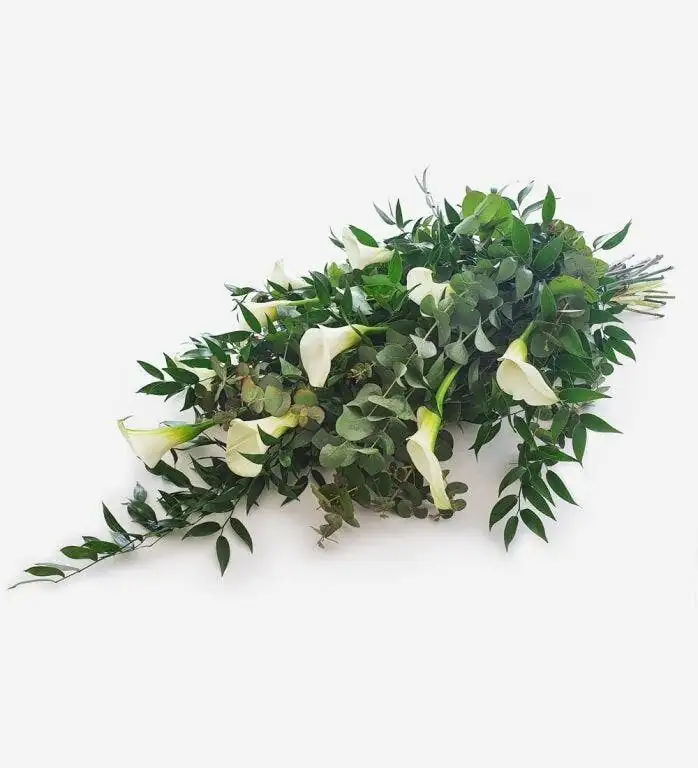
- Memorials: The same purity and dignity suit farewells. White callas in sympathy bouquets honor a life with clarity and calm, while their cyclical growth hints at remembrance and renewal.
- Contemporary color cues (use as guides, not rules):
- White/ivory: purity, sympathy, new beginnings
- Yellow: gratitude, warmth, optimism
- Pink: admiration, affection, romance
- Purple: dignity, respect, transformation
- Deep red/burgundy: devotion, passion, gravitas
- Near‑black tones: modern elegance, mystery, resilience
What today’s practice underscores: callas are emblems for life’s thresholds—vows, farewells, and fresh starts.

Gifting customs and what they signal
Flower language is never one-size-fits-all; numbers, colors, and contexts shift across regions. A few helpful notes:
- Stem counts
- In some gifting traditions, people prefer an even number of stems and may avoid giving a single stem. If you’re unsure, choose a small, even-numbered cluster (e.g., a compact hand-tied) rather than a solitary stem.
- Fashion-forward florists sometimes spotlight a single dramatic calla as a design statement; know your recipient and local etiquette before you go minimalist.
- Occasions
- Weddings and engagements: White or soft tones for purity and lasting love; sculptural lines suit contemporary and classic styles alike.
- Memorials and condolences: White callas quietly convey sympathy, honor, and hope; they’re frequent in European and North American remembrance designs.
- Milestones and new beginnings: Graduations, baptisms, housewarmings—callas suggest clarity, confidence, and renewal.
- Romantic gestures: A refined alternative to roses; deep reds, plums, or creamy whites read as sophisticated devotion rather than exuberant flourish.
- Cultural sensitivity
- Meanings and number customs vary widely by region and community. When in doubt, ask your florist for locally appropriate guidance and add a card to anchor your intent.
Why the calla looks like it means “pure”
The calla’s design does a lot of the symbolic heavy lifting:
- A single, immaculate spathe frames the golden spadix like a ceremonial robe around a candle—no clutter, no confusion.
- That “trumpet” silhouette feels inherently proclamatory, perfect for sacred announcements and solemn vows.
- Its growth cycle—vigorous bloom followed by graceful dieback into rest—mirrors narratives of life, loss, and return, which is why it feels at home on Easter altars and remembrance tables alike.
A botanist’s eye: the plant behind the poetry
- Structure and care cues
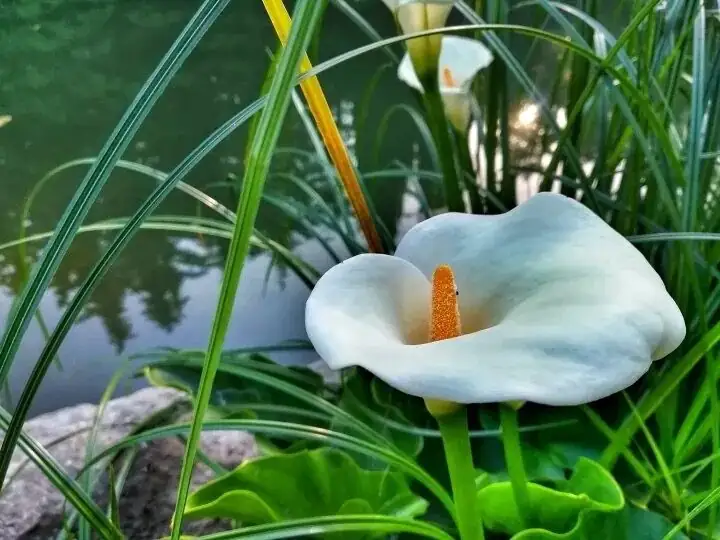
- Spathe and spadix: The show is the spathe; the true flowers live on the spadix.
- Growth habit: Clump-forming perennial from a rhizome; enjoys steady moisture in active growth, then rests with reduced watering as foliage yellows.
- Light and temperature: Partial sun to bright, filtered light. Best performance in cooler‑mild conditions; protect from frost and harsh heat.
- For gifters and recipients
- Choosing cut stems: Pick spathes that are nearly fully unfurled, unbruised, with a tidy, intact spadix; they last beautifully.
- Vase care: Keep stems in clean water, avoid wetting the spathes to prevent spotting or rot, and refresh water regularly.
- Potted presents: Place in bright, filtered light; keep evenly moist while leaves and buds are forming. Expect a natural rest after flowering—yellowing leaves are part of the rhythm, not a failure.
- Safety: All parts are toxic if chewed (insoluble calcium oxalate). Keep away from pets and curious children; display out of reach.
How the threads weave together
- Myth named it beautiful. Renaissance painters gave it a halo of purity and proclamation. The Victorians codified its eloquence. Modern designers and families carry it to altars and gravesides to mark the promises we keep and the people we remember.
- Meanwhile, the plant itself—born in Southern Africa, thriving in bright, filtered light, pausing to rest after its performance—has always been telling the same story in botany’s own language: clarity, composure, and the quiet courage to begin again.
So when you give a calla lily, you’re handing over more than a flower. You’re offering a finely tuned message—of magnificent beauty balanced by integrity; of love disciplined by grace; of farewell tempered by hope. Choose the color, the count, and the moment with care, and this spare, sculptural bloom will speak volumes.