

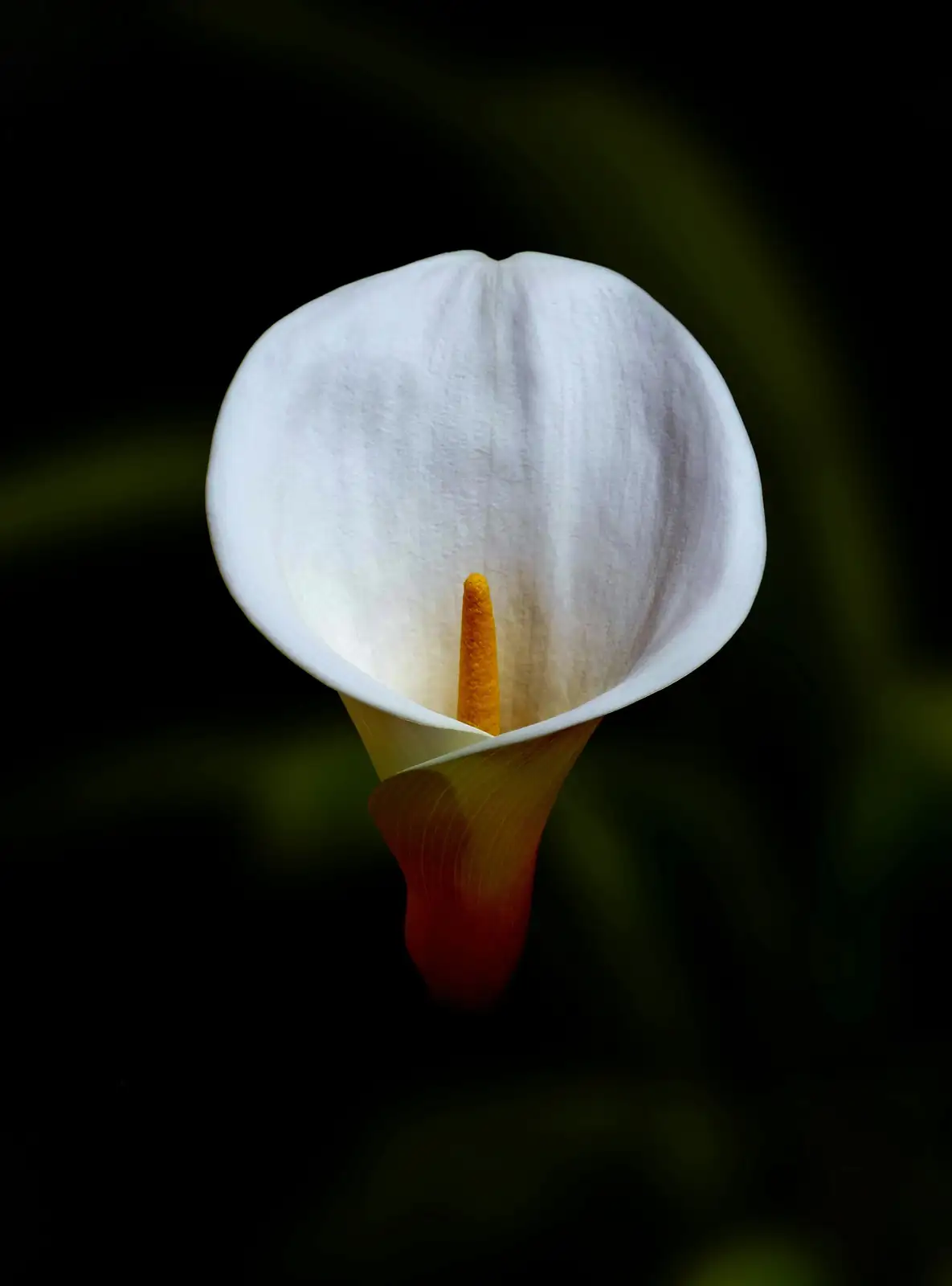
If plants ran a magic show, Zantedeschia aethiopica—the classic white “calla lily”—would headline. It pulls off a suite of botanical sleights of hand: a petal that’s not a petal, flowers that aren’t where you think, leaves that sometimes wear polka dots, and a disappearing act triggered by heat. Here’s your fun, snackable guide to spotting every trick.
The “petal” that isn’t: meet the spathe
What looks like a single, elegant petal curling into a sculptural funnel is actually a spathe—a modified leaf. It’s the white cloak that makes callas so iconic.
- Job description: The spathe is a billboard. Its clean, luminous surface lures pollinators toward the real action at the center.
- Classic vs. couture: The species Zantedeschia aethiopica wears pure white most of the time; modern hybrids can flaunt yellow, pink, purple, deep red, or near‑black spathes (often with speckled leaves to match the drama).
- Keep it pristine: Treat the spathe like silk. Water droplets can blemish it, so avoid spraying the blooms directly.
The tiny true flowers: a party on the spadix
At center stage is the spadix—the yellow fingerlike spike. That’s where the actual flowers live, packed so tightly they look like one piece.
- Optical illusion: One “flower” is really hundreds of tiny ones.
- Where to look: Male flowers occupy the upper part of the spadix; female flowers sit lower down. This arrangement helps manage pollen timing and keeps things efficient for visiting insects.
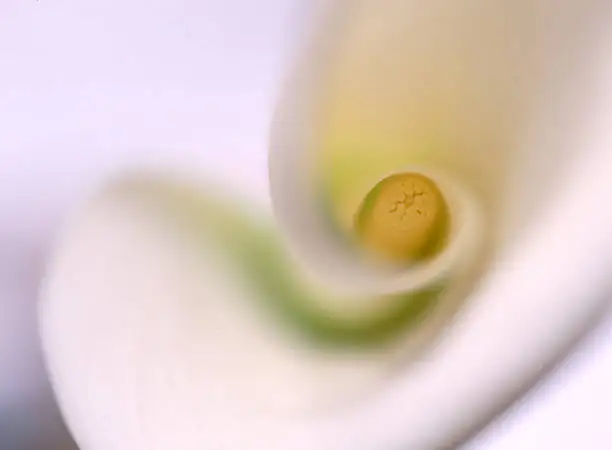
Polka‑dots and arrowheads: leaf oddities
- Shape: Leaves are glossy, arrow‑shaped, and deeply green.
- Spots: Many modern, compact hybrids sport natural white or silver speckles—stylish variegation that highlights the plant even when it’s not in bloom. The classic white species is most often solid green.
- Tip: In dry rooms, lightly mist the foliage (not the blooms) or boost ambient humidity; good airflow keeps leaves untroubled.
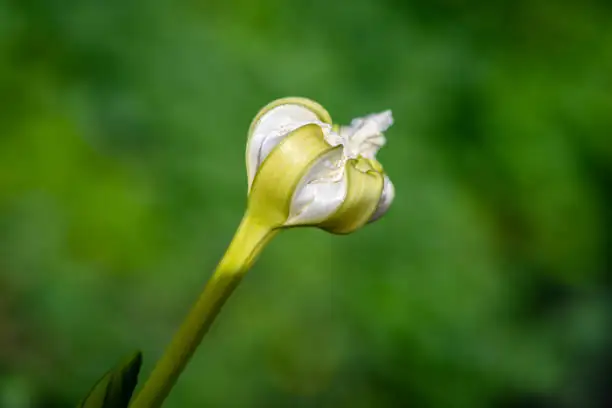
Color story: the species vs. the rainbow hybrids
- The purist (Z. aethiopica): Usually tall, sleek, and white‑spathed with a yellow spadix. It’s the one you see in wedding bouquets and timeless arrangements.
- The fashion line (other species and hybrids): Bred for compact size and saturated hues—yellows, peaches, pinks, reds, purples, and moody near‑blacks. Many also have speckled leaves that read like confetti.
- Why it matters: Care is similar, but the white species often grows a bit larger and can tolerate wetter soils in mild climates; the colorful pot‑friendly hybrids lean compact and love evenly moist, well‑drained mixes during growth.
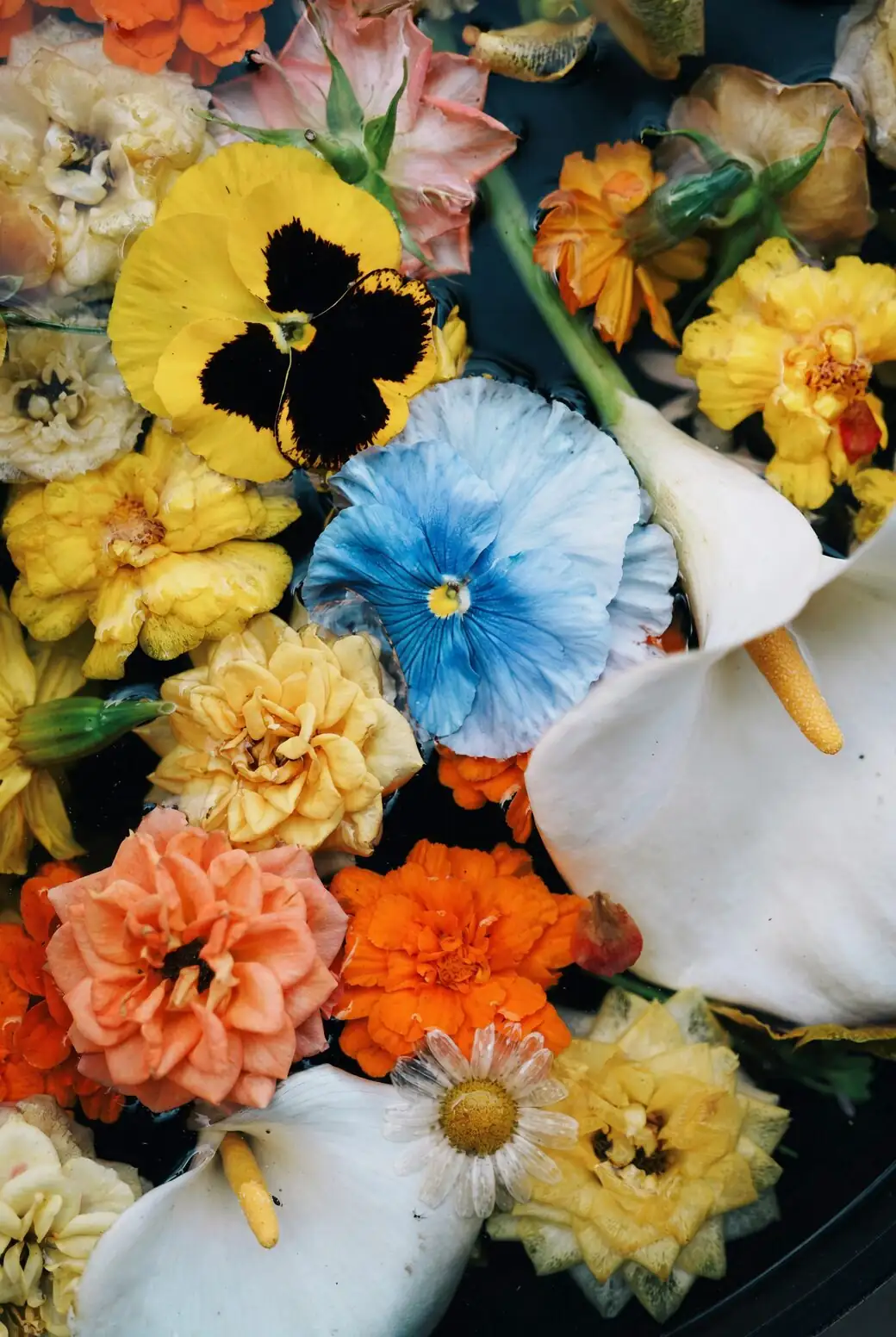
The vanishing act: heat‑triggered dormancy
Callas don’t “die”—they duck backstage.
- The tell: After flowering, foliage naturally yellows and collapses as the rhizome rests. This is normal.
- Triggers: A rest can kick in after bloom, in autumn, or when conditions swing to stress—prolonged heat around/above 25°C (77°F) or chill around/below 5°C (41°F).
- Your move: As leaves fade, gradually reduce watering and keep the mix almost dry through dormancy. Resume watering and light when new growth reappears.
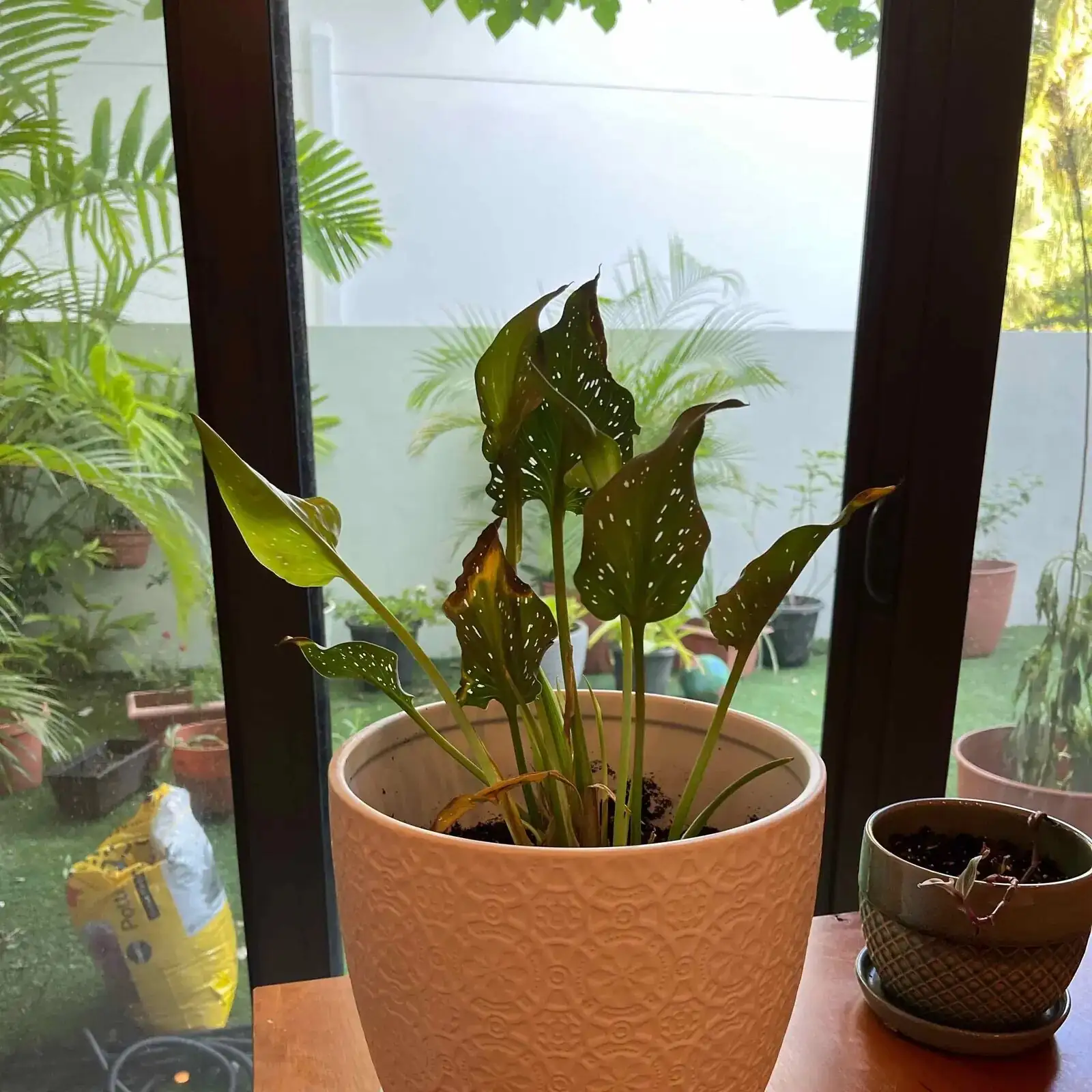
Why blooms spot if you mist them
Those silky spathes bruise and freckle easily. Three common culprits:
- Mineral freckles: Tap‑water droplets dry and leave mineral rings.
- Lens burn: Beads of water act like tiny magnifying glasses under strong light.
- Botrytis/bacterial speckling: Still, humid air plus wet petals invites fungal or bacterial spotting.
Pro tip: Mist leaves in very dry air, but keep the spathes dry. Water the soil, not the bloom, and ensure good airflow.
Quick care bites (so the illusions keep dazzling)
- Light: Partial sun to bright, filtered light. Indoors, an east window or south window with a sheer curtain is ideal; shield from harsh midday scorch in hot climates.
- Temperature: Best performance in cooler‑mild conditions around 10–20°C (50–68°F). It can grow well into the mid‑20s°C (mid‑70s°F), but prolonged heat may push it to rest. Protect from frost.
- Water: Keep evenly moist during active growth and flowering—never waterlogged. After bloom, taper off to almost dry for dormancy to prevent rhizome rot.
- Soil: Fertile, humus‑rich, moisture‑retentive but well‑drained mix (think loam + peat/coir + perlite/sand). A wider pot helps drainage.
- Feeding: While leaves and buds are forming, feed every 2 weeks with a balanced liquid fertilizer. Stop once flowering is in full swing or as the plant winds down.
- Size and habit: Typically 30–90 cm tall, clump‑forming from a thick rhizome (often sold like a bulb).
- Repot/propagate: Divide offsets from the rhizome during the resting season or right after flowering as growth slows. Replant late winter with the “eyes” up; many growers leave the rhizome top slightly exposed.
- Placement: Bright, airy spot indoors or a sheltered balcony; outdoors in mild climates, morning sun with afternoon shade. Keep away from drafts, heaters, and AC vents.
- Hardiness: Best as a container plant in colder regions; outdoors year‑round mainly in mild areas (roughly USDA Zone 8–10).
Cut‑flower polish: staging the perfect “petal”
- Choose stems with spathes nearly unfurled, unbruised, and a tidy, intact spadix.
- Keep vases clean and the room well‑ventilated; avoid splashing the spathes.
- Change water regularly; remove any leaves below the waterline.
A note on names and meanings
- Not a true lily: Despite the name, it belongs to the arum family (Araceae). You’ll also hear “arum lily” and sometimes “lily of the Nile” in the trade—names that overlap with other plants, so check the scientific name to be sure.
- Flower language: White callas are cultural shorthand for elegance and purity, which is why they star in weddings and also appear in sympathy arrangements. These associations grew from Victorian “floriography” and modern floral design—beautiful traditions, but not botany. Some gifting customs prefer even numbers of stems; practices vary by culture and occasion.
Safety first (it’s gorgeous, but do not snack)
All parts are toxic if chewed or eaten. Like many aroids, callas contain insoluble calcium oxalate crystals that can cause mouth and throat irritation, drooling, and digestive upset in people and pets. Keep away from curious nibblers; wear gloves if you have sensitive skin.
Origin snapshot and where it thrives
- Native to Southern Africa (notably South Africa and Lesotho; also cited with Eswatini) and now widely cultivated worldwide.
- In mild regions, it can thrive outdoors; elsewhere it shines in containers you can move to shelter. It has naturalized in some warm areas—always check local guidance before planting near natural waterways.
Mini‑mystery solved: what looks like a single porcelain petal is a leaf in costume; the “one flower” is a crowd; the polka‑dots are leaf fashion; and the plant’s sudden fade‑to‑black is just intermission. Treat Zantedeschia aethiopica to bright, gentle light, steady moisture in season, and a cool, dry rest—and the show will go on, year after year.