

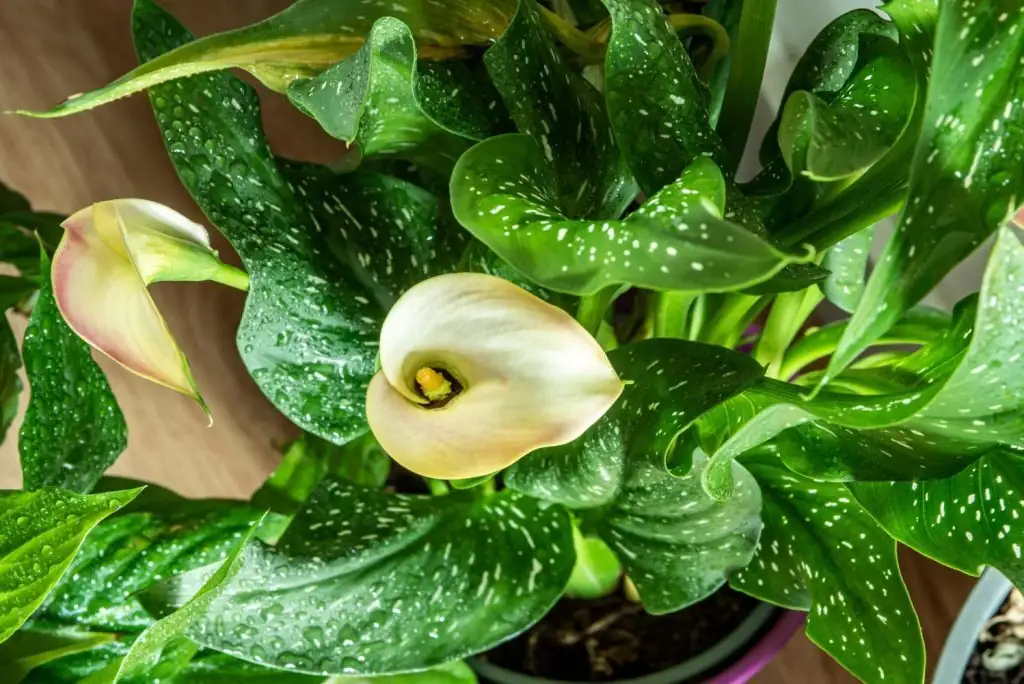
If your Calla Lily (Zantedeschia aethiopica) suddenly looks pouty—yellowing leaves, droopy stems, sticky spots, or mystery speckles—don’t panic. This elegant, rhizome-grown plant has a natural rhythm, and most problems are quick to decode if you know what to look for. Use the fast decision trees below to tell normal dormancy from distress, prevent rhizome rot, and outsmart aphids, spider mites, thrips, and mealybugs with airflow, rinses, and safe treatments.
Calla Triage in 60 Seconds: Is It Resting or in Trouble?
- Are the blooms finished and the season turning cooler/shorter—or have you had a burst of heat or a cold snap?
- Yes → Leaves yellowing and dying back are likely normal dormancy. Reduce watering gradually and let it rest almost dry in a cool, bright, frost-free spot.
- No → Continue:
- Is the potting mix heavy, wet, and sour-smelling, with limp leaves or collapsing stems?
- Yes → Suspect rhizome/root rot. Jump to “Save It From Rot—Now.”
- No → Continue:
- Do you see sticky residue (honeydew), tiny clusters of soft insects, fine webbing, silvery streaks, or cottony tufts?
- Yes → You have pests. Jump to “Four Common Pests—What to Look For and What to Do.”
- No → Continue:
- Is it in harsh midday sun or dim light?
- Scorch or weak growth → Move to bright filtered light (east window, or south with a sheer).
- Is the soil bone dry during active growth?
- Drought stress → Water more consistently (keep evenly moist while growing).
- Is it winter or post-bloom, but you’re still watering like summer?
- Over-wet rest → Cut way back. Keep almost dry through dormancy to prevent rot.
Dormancy vs. Distress (and What To Do)
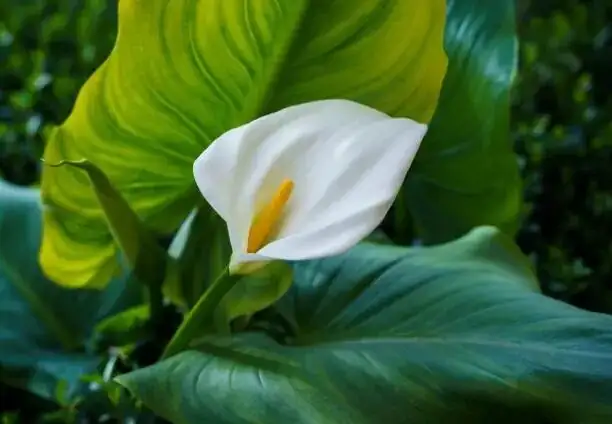
Normal Dormancy
- When and why:
- Often after flowering or in autumn.
- Can also be triggered by stress: prolonged heat around/above 25°C (77°F) or cold around/below 5°C (41°F).
- What you’ll see:
- Leaves yellow and die back; growth slows or stops.
- What to do:
- Gradually reduce watering, then keep the mix almost dry.
- Store cool, bright, and frost-free—best overall growth performance is in cooler-mild conditions around 10–20°C (50–68°F), though it can still grow well in the mid-teens to mid-20s.
- Don’t keep it wet while resting.
Distress (Not Normal)
- Overwatering during rest or poor drainage:
- Symptoms: flop, mushy bases, sour smell; rhizome soft spots.
- Fix: unpot, inspect, cut away rot, replant in fresh, well-drained mix, water sparingly.
- Underwatering during active growth:
- Symptoms: crisping margins, stalled growth, few flowers.
- Fix: keep evenly moist (not waterlogged).
- Light or heat stress:
- Symptoms: scorched leaves (too much midday sun), or sudden dieback in heat/cold.
- Fix: bright filtered light; protect from harsh midday sun and frost.
Tip: During active growth, a little extra humidity is fine—but always pair with good airflow. Mist leaves only if the air is very dry and avoid wetting the blooms (spathes).
Save It From Rot—Now
Rot is the number one cultural issue. Prevention and fast action are everything.
Prevention Checklist
- Pot and mix:
- Use a fertile, humus-rich, moisture-retentive but well-drained mix (for example: loam + peat/coir + sand/perlite, with a touch of well-rotted compost).
- Choose a pot that’s wider than deep with drainage holes. Many growers leave the rhizome top slightly exposed to reduce rot risk.
- Watering rhythm:
- Active growth (spring to late summer): keep evenly moist; never waterlog.
- Flowering: keep moisture steady; avoid wetting the spathes.
- After flowering/dormancy: reduce, then keep almost dry.
- Airflow and placement:
- Bright, airy position; morning sun/afternoon shade outdoors.
- Keep away from heaters/air-con blasts; ventilate to discourage pests and rot.
- Feeding:
- Feed every 2 weeks during leafy, active growth and bud formation; stop once flowering is in full swing and as the plant winds down.
Emergency Rot Rescue (Step-by-Step)
- Unpot gently. Rinse soil from rhizome and roots.
- Inspect: discard any sections that are soft, smelly, or clearly rotting.
- Trim mushy tissue back to firm, clean material with sterilized tools.
- Let cut surfaces dry briefly before replanting in fresh, free-draining mix.
- Replant with the growth points (“eyes”) up and the top of the rhizome slightly exposed.
- Water very lightly at first; increase only when fresh growth resumes and the top couple of centimeters of mix begin to dry between waterings.
Note: If a rhizome is mostly mushy or foul-smelling, discard it to protect other plants.
Four Common Pests—What to Look For and What to Do
Good airflow, regular inspections, and timely rinses are your best friends. Always treat the undersides of leaves and leaf axils, and avoid soaking the blooms.
Universal First Response
- Isolate the plant to avoid spread.
- Rinse: Take it to the sink or shower and rinse leaves (especially undersides) and stems with a steady, lukewarm spray. Let it dry with good airflow.
- Treat: Apply insecticidal soap or a horticultural oil (per label). Reapply 2–3 times at 5–7 day intervals to catch hatchlings.
- Clean up: Remove heavily infested leaves or spent blooms; bag and bin them.
Aphids

- Signs:
- Clusters of soft, pear-shaped insects on tender growth; sticky honeydew; curled or yellowing new leaves.
- Immediate fix:
- Rinse thoroughly to dislodge colonies.
- Follow with insecticidal soap or horticultural oil; repeat weekly until clear.
- Outdoors, beneficial insects (like ladybirds) help—pair with airflow and regular checks.
Spider Mites
- Signs:
- Fine stippling on leaves, tiny webbing beneath foliage, general dulling/yellowing.
- Immediate fix:
- Rinse meticulously, then use insecticidal soap or horticultural oil.
- Raise ambient humidity slightly during active growth and improve ventilation—mites dislike moist, moving air. Avoid wetting flowers.
Thrips
- Signs:
- Silvery streaks/scars on leaves; black specks (frass); discolored or blemished spathes.
- Immediate fix:
- Remove and discard badly marked blooms.
- Rinse foliage and treat with insecticidal soap or horticultural oil, focusing on leaf undersides and tight creases.
- Keep air moving; repeat applications are key.
Mealybugs
- Signs:
- Cottony white tufts in leaf axils or along stems; sticky honeydew; distorted new growth.
- Immediate fix:
- Manually remove visible clusters, rinse thoroughly, then treat with insecticidal soap or horticultural oil.
- Inspect weekly; repeat treatments until all life stages are gone.
Quick Decision Trees for Immediate Fixes
1) Sudden Yellowing or Dieback
- Blooming just finished OR seasonal shift OR recent heat/cold swing?
- Yes → Normal dormancy. Reduce water; keep cool, bright, and almost dry.
- No → Check soil:
- Soggy, heavy, smelly → Suspect rot. See “Save It From Rot—Now.”
- Bone dry during active growth → Water evenly and resume gentle feeding.
2) Leaves Speckled, Sticky, or Webbed
- Fine webbing + stippling → Spider mites → Rinse + soap/oil; improve humidity and airflow.
- Sticky honeydew + clusters of soft insects → Aphids → Rinse + soap/oil; repeat weekly.
- Silvery streaks + black specks; blemished spathes → Thrips → Remove damaged blooms; rinse + soap/oil.
- Cottony white tufts in leaf joints → Mealybugs → Remove tufts; rinse + soap/oil.
3) Wilting or Flopping Stems
- Potting mix wet and cold/heavy → Back off water; unpot and inspect rhizome if collapse continues.
- Potting mix very dry (in growth) → Water thoroughly, then maintain even moisture.
- In hot, harsh sun → Move to bright, filtered light with morning sun/afternoon shade.
4) Not Flowering
- Light too low? → Move to brighter filtered light (east window ideal indoors).
- Drought during leaf/bud growth? → Keep evenly moist.
- Overfeeding late? → Stop feeding once flowering is in full swing.
- Recently divided small rhizomes? → Give it a season; larger, well-grown rhizomes flower more reliably.
The Right Setup: Light, Temperature, Water, and Feeding
- Light:
- Partial sun to bright, filtered light. Indoors, an east window or a south window with sheer curtain works well. Shield from harsh midday sun in hot climates.
- Temperature:
- Best overall performance in the cooler-mild range around 10–20°C (50–68°F); it can still grow well in the mid-teens to mid-20s. Protect from frost; heat above ~25°C (77°F) or cold near/below 5°C (41°F) can push dormancy.
- Water:
- Active growth/flowering: keep evenly moist; don’t waterlog.
- Post-bloom/dormancy: reduce to almost dry.
- Feeding:
- Every 2 weeks during active leaf and bud growth. Ease off and generally stop once flowering is established and as the plant winds down.
- Potting and repotting:
- Use a wider-than-deep pot with drainage. Plant rhizomes with “eyes” up and the top slightly exposed. Repot or refresh mix in winter/late winter, or divide after flowering as the plant transitions.
- Air and humidity:
- Moderate humidity with good airflow suits it well. Mist leaves only if air is very dry—avoid wetting spathes to prevent spotting or rot.
Safety Note
All parts are toxic if chewed or eaten (insoluble calcium oxalate crystals). Keep away from pets and children, and wear gloves if you have sensitive skin.
A Quick Word on Meaning and Bouquet Use

Calla lilies—especially white forms—are icons of elegance in weddings and are also common in sympathy arrangements, symbolizing purity and remembrance. “Flower language” varies by culture and era, so take it as poetic rather than prescriptive. In some gifting traditions, people prefer giving an even number of stems and may avoid a single stem. For longest vase life, cut stems when the spathe is nearly fully unfurled and unblemished, with an intact, tidy spadix.
Fast Recap: Your Calla Lily’s Success Formula
- Bright, filtered light; cooler-mild temps; steady moisture in growth.
- Let it rest: after flowering or in autumn, drier and cool—almost dry through dormancy.
- Keep airflow up; keep blooms dry; use a fertile, well-drained mix and a wide pot.
- For pests: isolate, rinse, soap/oil, repeat. For rot: unpot, cut out mush, refresh mix, and water sparingly until growth resumes.
Follow the plant’s rhythm and keep the air moving—your Zantedeschia aethiopica will repay you with sleek foliage and sculptural spathes, season after season.