


Calla lily (Zantedeschia aethiopica) is the ultimate “seasonal switch” plant: flip it on with bright, filtered light and steady moisture for lush leaves and sculptural blooms, then flip it off with a cool, near‑dry rest to reset for next year. Here’s your cheerful, step‑by‑step game plan to keep this classic beauty thriving without guesswork.
Meet your plant
- Names: Calla Lily, Arum Lily, White Calla Lily (Zantedeschia aethiopica)
- Home turf: Southern Africa; widely cultivated everywhere
- Habit: Clump‑forming perennial from a thick rhizome (often sold like a bulb)
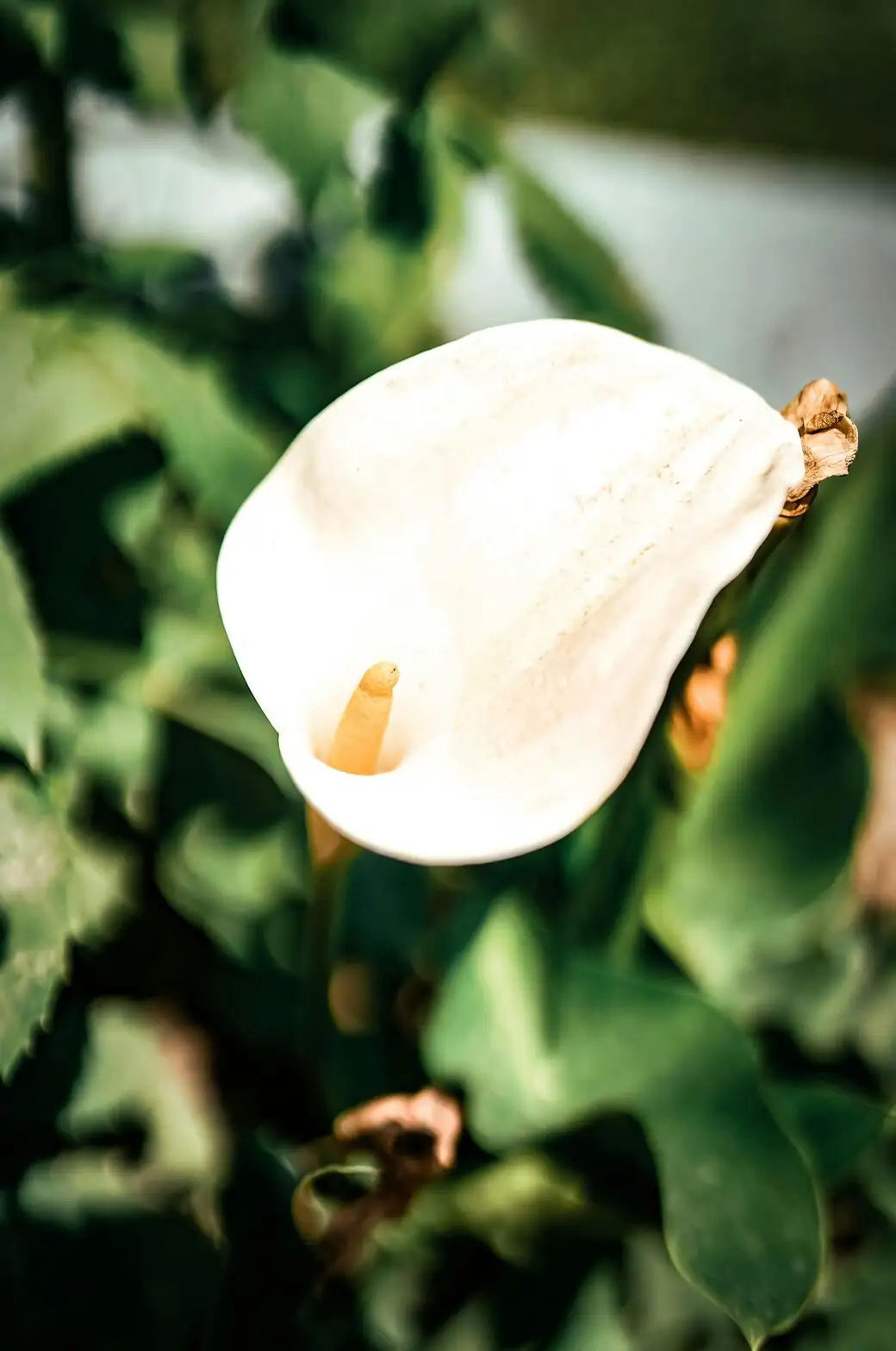
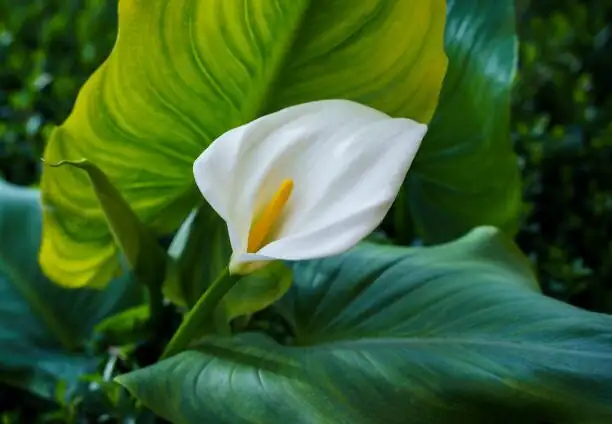
- Look: Glossy, arrow‑shaped leaves; elegant spathes (the “petal”) wrapped around a central spadix of tiny flowers
- Size: Typically 30–90 cm tall; about 60 × 60 cm in good conditions
The seasonal switch care plan (overview)
Think of the year in four friendly modes:
1) Wake & Grow (late winter–spring): Move to bright, filtered light; begin regular watering and feeding; keep evenly moist.
2) Bloom Mode (late spring–summer): Maintain moisture; keep blooms dry; enjoy the show.
3) Wind‑Down (late summer–autumn): Leaves yellow; taper watering.
4) Cool Rest (winter): Near‑dry, cool, frost‑free; repot/divide now if needed; resume watering only when growth restarts.
Below you’ll find the exact cues, temperatures, and mix recipes to make each switch confidently.
—
Light: bright, filtered, and gentle
- Indoors: East window or a south window with a sheer curtain. Morning sun is great; avoid harsh midday scorch.
- Outdoors: Morning sun with afternoon shade is ideal.
- Tip: Too little light = few or no flowers. Too much intense sun = scorched leaves.
Temperature sweet spots
- Best overall performance: Cool‑mild conditions around 10–20°C (50–68°F).
- Still comfortable: About 15–25°C (59–77°F).
- Caution: Prolonged heat around/above 25°C (77°F) or cold around/below 5°C (41°F) can trigger dormancy and weaken performance.
- Resting season: Keep cool and frost‑free; a crisp, bright spot is perfect.
Humidity and airflow
- Moderate humidity is fine. In very dry homes, lightly mist leaves (never the spathes) and ensure good airflow to prevent pests and rot.
—
Potting mix recipes that prevent rot but hold moisture
Calla lilies love moisture in growth, despise sogginess in rest. Give them a fertile, moisture‑retentive yet free‑draining blend.
Two reliable recipes:
- Classic calla mix
- 40% loam‑based potting soil
- 30% peat or coco coir
- 20% perlite (or coarse sand)
- 10% well‑rotted compost/manure
- Light & airy indoor mix
- 40% high‑quality potting mix
- 30% coco coir
- 20% perlite
- 10% fine bark or compost
Pot choice:
- Go wider than deep to discourage waterlogging.
- For small displays, 12–15 cm pots work; many plant 3–5 rhizomes per wider pot for a fuller show.
- Plant with the “eyes” (growth points) facing up; leave the top of the rhizome just peeking above the surface to reduce rot risk.
—
Watering: how to keep it moist in growth and safe in rest
- Active growth and bloom (spring–summer): Keep the mix consistently moist but never waterlogged.
- Indoor cue: When the top 1–2 cm (½–¾ in) feels just barely dry, water thoroughly until a little drains out; empty saucers.
- Wind‑down (autumn): As leaves begin to yellow, reduce watering gradually.
- Dormancy (winter): Keep the mix almost dry. Only give a sip if the rhizome is potted and the mix has gone bone‑dry for weeks, or if the rhizome shows signs of shriveling. Avoid steady moisture now—this is when rot strikes.
- Pro tip to avoid overwatering in dormancy:
- Weigh the pot after a full dry‑down; during rest, don’t water unless it’s noticeably lighter than that baseline.
- Wait to resume regular watering until you see new green shoots.
—
Feeding: power up, then pause
- While actively producing leaves and buds (spring to pre‑bloom): Feed every 2 weeks with a balanced liquid fertilizer.
- Once flowering is in full swing and/or the plant starts to wind down: Stop feeding.
- Never let fertilizer solution sit in the leaf bases or on the spathes.
—
The four modes in detail
1) Wake & Grow (late winter to spring)
- Light: Bright, filtered; morning sun welcome.
- Temperature: Aim for 10–20°C (50–68°F).
- Water: Resume regular watering as soon as new growth appears; keep evenly moist.
- Feed: Every 2 weeks while leaves and buds develop.
- Tasks:
- Repot now if needed; refresh the top third of old mix if not repotting.
- Divide rhizomes now or just after flowering if clumps are crowded.
2) Bloom Mode (late spring to summer)
- Keep moisture steady and avoid wetting the spathes (water spots and rot risk).
- Maintain bright, filtered light; protect from scorching midday rays.
- Feeding: Many growers pause or lighten feeding once blooms are well established.
- Cut flowers:
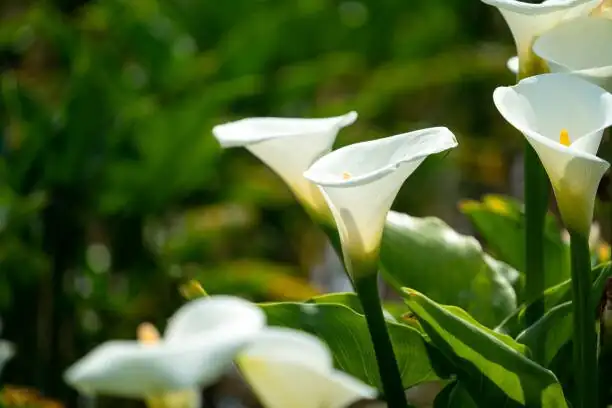
- Harvest when the spathe is nearly fully unfurled, unbruised, and the spadix is clean and intact.
- Recut stems and place in clean water; keep away from fruit bowls (ethylene).
3) Wind‑Down (late summer to autumn)
- Expect natural yellowing/dieback—this is your cue to reduce watering.
- Remove spent flower stems.
- Let foliage yellow fully before removing; this fuels next year’s blooms.
4) Cool Rest (winter)
- Light: Bright is nice but not critical; the plant is resting.
- Temperature: Cool, frost‑free conditions help set up a strong next season.
- Water: Near‑dry. Only a minimal sip if the potting mix goes bone‑dry for a long stretch or the rhizome slightly shrivels.
- Best maintenance window: Repot, refresh mix, and divide now.
- Storage options:
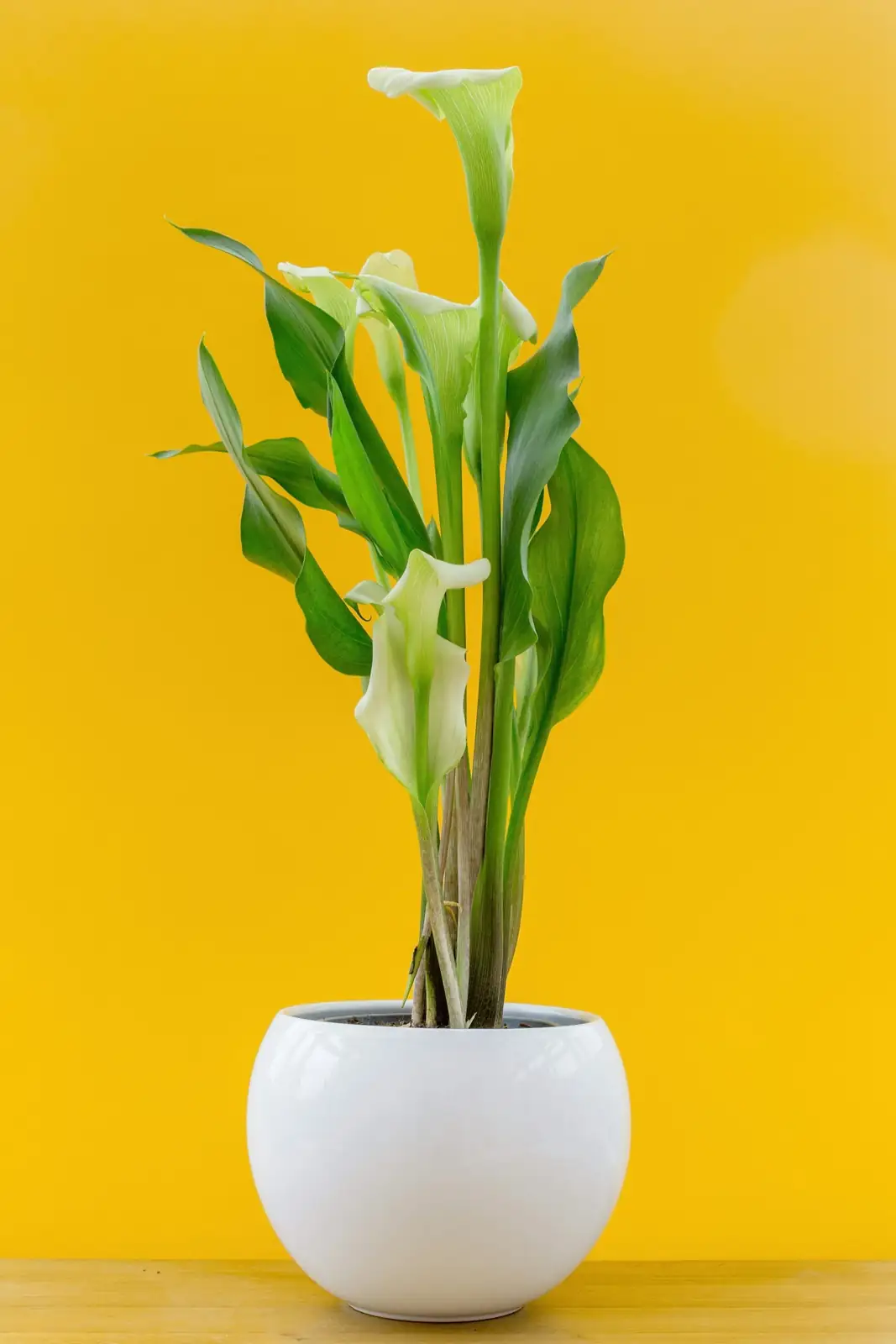
- In‑pot rest: Store the potted rhizome near‑dry and cool.
- Lifted rhizomes: Clean, dry, and store cool and frost‑free; discard any soft or smelly pieces.
—
Placement playbook
- Indoors: Bright windowsill with a sheer curtain, sunroom, or bright porch. Keep away from heaters/AC vents.
- Outdoors (mild climates): Morning sun, afternoon shade; protect from wind. Not reliably frost‑hardy—roughly suited to USDA Zones 8–10.
—
Pruning, repotting, dividing
- Pruning: Remove spent flower stems; allow leaves to yellow naturally, then tidy them away.
- Repotting: During winter rest or just before growth restarts (late winter).
- Dividing: Separate offsets after flowering or during the resting season. Pot divisions individually; with good care some bloom relatively soon.
—
Troubleshooting by cues
- Yellowing after bloom or in autumn: Normal dormancy beginning. Reduce water.
- Plant stalled or leaves collapsing:
- If during rest: likely fine—do not water heavily.
- If during growth: check for soggy mix, poor drainage, or very low light; improve airflow and repot if needed.
- No flowers: Increase light, ensure cool‑mild temps, feed during leaf/bud build, and honor the cool, near‑dry winter rest.
- Heatwave halt: Prolonged heat around/above 25°C (77°F) can trigger an early rest. Provide shade and cooler nights if possible.
Pests to watch:
- Aphids, spider mites, thrips, mealybugs. Improve airflow, rinse foliage, and use insecticidal soap or horticultural oil as needed.
Biggest disease risk:
- Rhizome/root rot from wet soil during dormancy. Your prevention: a well‑drained mix and a genuinely drier winter rest.
—
Safety
- All parts are toxic if chewed or eaten (insoluble calcium oxalate). Keep away from pets and children; wear gloves if you have sensitive skin.
—
A note on water‑loving reputation
Calla lilies adore consistent moisture while actively growing and will even look happy near a pond edge—but they are not year‑round bog plants. Their winter superpower is a cool, near‑dry reset. Embrace both seasons and you’ll be rewarded.
—
Symbolism and “flower language”
Calla lilies have become icons of sleek elegance—synonymous with weddings and formal bouquets. White callas often symbolize purity and sympathy, which is why they also appear in memorial arrangements. Much of this symbolism is modern and culturally shaped by their clean, sculptural lines and frequent use in ceremonial design rather than ancient lore. In some gifting traditions, people prefer even numbers of stems and may avoid a single stem, but customs vary regionally—choose what feels meaningful to you and the recipient.
—
Quick calendar
- Late winter
- Repot or refresh mix; divide if needed.
- Move to bright, filtered light and gradually resume watering as shoots appear.
- Start feeding every 2 weeks as leaves form.
- Spring to early summer
- Keep evenly moist; maintain bright light.
- Pause or lighten feeding once flowering is established.
- Mid to late summer
- Enjoy blooms; avoid wetting spathes.
- Deadhead spent stems.
- Autumn
- Foliage yellows: reduce watering; let leaves die back naturally.
- Winter
- Cool, near‑dry rest; frost‑free storage. Inspect rhizomes and discard any soft or smelly pieces.
—
Fast facts to remember
- Light: Bright, filtered; gentle morning sun is ideal.
- Temps: Best growth around 10–20°C; protect from frost and prolonged heat.
- Water: Moist in growth, almost dry in rest.
- Mix: Moisture‑retentive but well‑drained; pot wider than deep; rhizome top slightly exposed.
- Feed: Every 2 weeks in active growth; pause in bloom/wind‑down.
- Rest: Cool, near‑dry winter reset = better blooms next season.
Follow the switch, read the cues, and your Zantedeschia aethiopica will reward you with those timeless, sculptural blooms, year after year.