

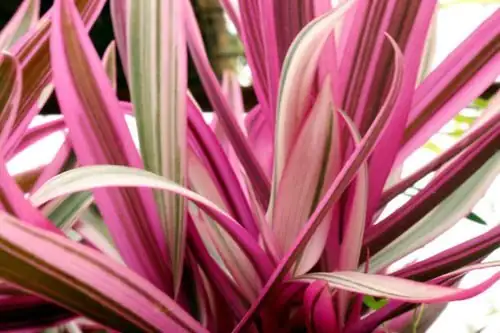
Imagine a splash of island color brightening your home—then imagine a curious nose and a quick nibble. With Ti (Cordyline fruticosa), you can absolutely enjoy those vibrant leaves and keep pets safe. Here’s a calm, practical guide to what to know, what to watch for, and where to place your plant so everyone stays happy.
Meet Ti (Cordyline fruticosa) in a nutshell
- What it is: A tropical, upright foliage plant in the Asparagaceae family, also called Ti Plant, Hawaiian Ti, or Good Luck Plant.
- Look and feel: Cane-like stems topped with arching, strap-shaped leaves in greens, burgundies, pinks, and bold variegations. Indoors it typically reaches 40 cm–1.5 m (16 in–5 ft).
- Where it thrives: Bright, filtered light (think an east window or a south window with sheer curtains), steady warmth, and moderate humidity. Avoid harsh midday sun and cold drafts.
- Why people love it: Lush color and a strong “tropical” mood—flowering is uncommon indoors, so it’s all about the foliage.
Pet safety first: Is Ti toxic?
Ti is potentially toxic to pets (especially cats and dogs) if chewed. The plant contains natural compounds (saponins) that can irritate the mouth and digestive tract. In most household encounters, signs are mild to moderate, but any exposure can be uncomfortable—so prevention and prompt observation are key.
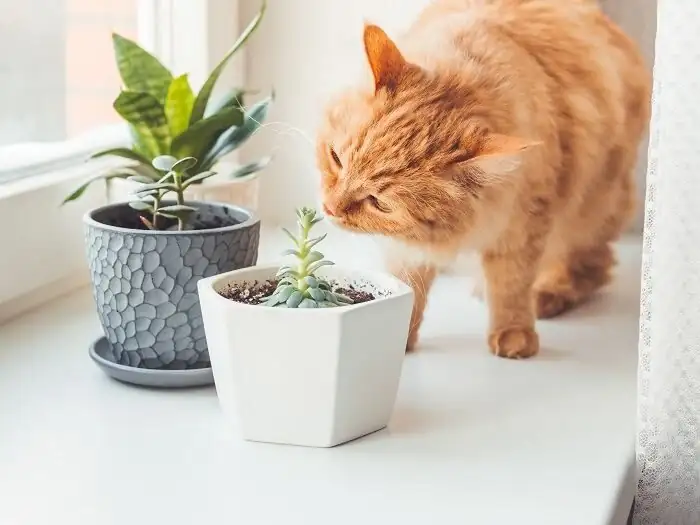
- Who’s at risk: Cats and dogs (and curious small children—keep out of reach).
- Which parts: Any part that’s chewed can cause issues.
- Typical outcome: Short-term drooling and gastrointestinal upset are most common; severity varies with the amount eaten and the size/sensitivity of the pet.
Common signs if your pet chews Ti
Watch for:
- Drooling/foaming
- Nausea, vomiting, or diarrhea
- Reduced appetite
- Lethargy or seeming “off”
- In cats, occasionally dilated pupils
Note: Most pets improve with supportive care, but persistent or worsening symptoms need veterinary guidance.
What to do if your pet nibbles the plant
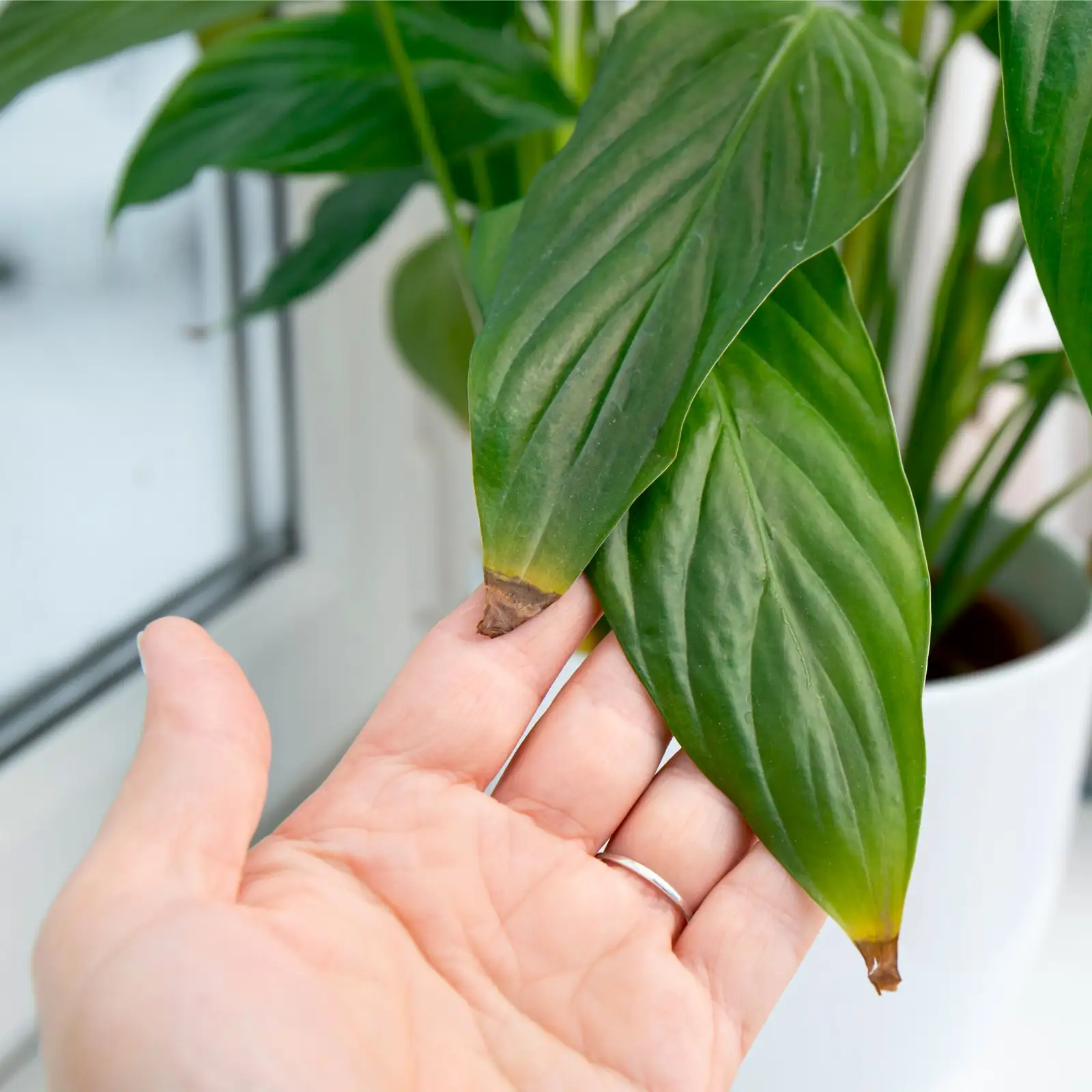
- Gently remove any plant material from the mouth; offer fresh water to rinse/soothe.
- Observe closely for 4–12 hours for drooling, vomiting, diarrhea, or lethargy.
- Call your veterinarian if:
- Your pet is very young, elderly, pregnant, or has underlying health issues.
- You suspect a larger amount was eaten.
- Vomiting/diarrhea is repeated or severe, you notice blood, or your pet seems weak or disoriented.
- Have handy: the plant name (Cordyline fruticosa), what was eaten, when, and approximate amount.
Smart placement: Enjoy Ti while keeping animals safe
Good news: the same bright, filtered light Ti craves makes “out-of-reach” locations easy to find. Combine smart staging with gentle training and your pet’s own preferred hangouts.
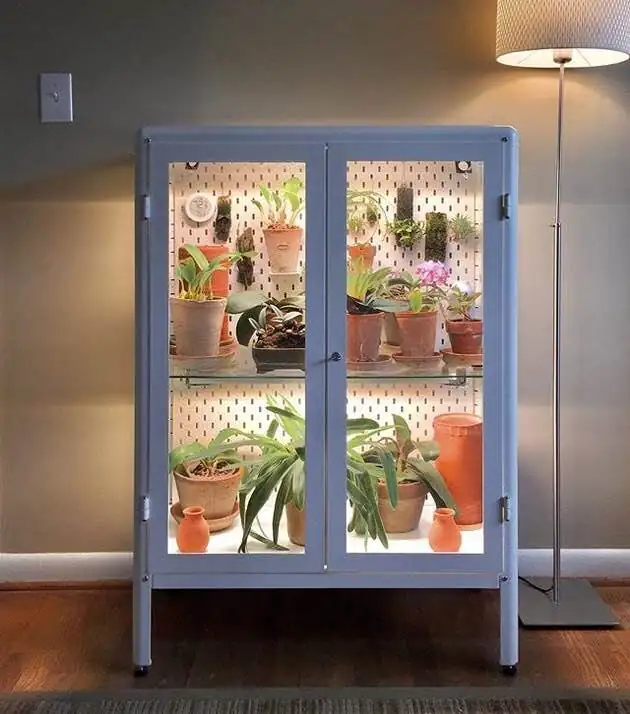
Create pet-safe zones
- Closed-door plant room or office: The simplest, most reliable option.
- Greenhouse cabinet or display case: Great for humidity-loving Ti and an elegant barrier for pets.
- High, stable surfaces with clearance: Wide, heavy plant stands or wall-mounted shelves. Give cats a separate, more appealing perch elsewhere so they’re not tempted to share the space.
- Window staging with filters: East windows or south windows with sheers are ideal. Place Ti behind a barrier (cabinet glass, plant screen) or use a baby gate if the room layout allows.
Discourage curiosity—kindly
- Provide “yes” alternatives:
- Cat-safe greens (cat grass/wheatgrass) or engaging toys in the rooms your pet frequents.
- A sunny cat perch away from the Ti so your feline has a better view elsewhere.
- Use mild deterrents near the pot:
- Pet-safe bitter sprays on the container rim (always follow labels; never spray the foliage).
- Keep soil surfaces tidy and covered with a breathable decorative top-dressing (e.g., stones too large to bat around).
- Training basics:
- Reward pets for ignoring the plant; redirect calmly at first interest.
- Avoid dangling ribbons or cords near the Ti—movement invites play and nibbles.
Choose containers and hardware that protect both plant and pet
- Go sturdy: Weighted pots and stable stands reduce tipping.
- Anchor tall plants: Discreet wall straps or corner placement help.
- Manage water wisely: Ti prefers evenly moist, never soggy soil—empty saucers after watering and avoid standing water that can attract thirsty pets and stress plant roots.
- Humidity without hazards: Use a room humidifier rather than open trays or bowls. If you root Ti cuttings in water, keep jars well out of pet reach.
Placement that also keeps Ti happy
- Light: Bright, indirect light (east window or filtered south light) enhances color and vigor while keeping foliage from scorching.
- Temperature: Warm rooms are best; keep above 5°C (41°F) to prevent leaf damage.
- Airflow: Gentle airflow is fine; avoid cold drafts from doors or winter windows.
Quick ID tips (so everyone in the home knows the plant)
- Upright, cane-like stems
- Rosettes of long, arching leaves in green, burgundy, pink, or variegated swirls
- Indoors, flowers are uncommon; outdoors in warm climates, you may see small, starry blooms and later berries
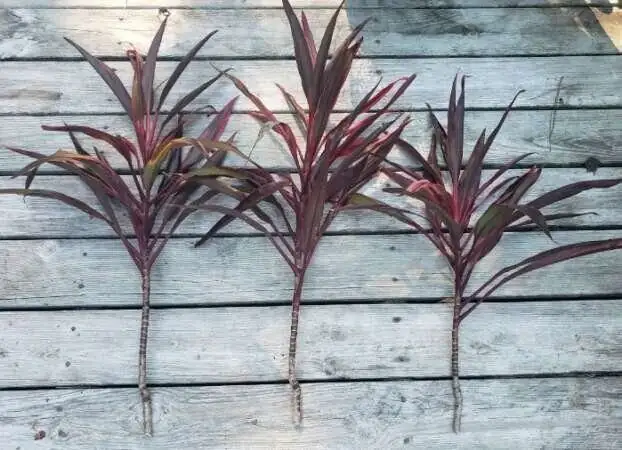
Share a photo and the name “Cordyline fruticosa (Ti Plant)” with family, roommates, and dog walkers so they know to keep pets from sampling it.
A note on the “Good Luck Plant” name
Across the Pacific—especially in Hawai‘i—ti has long been linked with good luck and protection, and its leaves are used decoratively in cultural practices. The “good luck” reputation reflects tradition and symbolism, not edibility or pet safety. Even cherished plants with rich histories can be irritating if chewed, so treat ti’s beauty and lore with respect—and a bit of distance for furry friends.
At-a-glance safety checklist
- Keep Ti out of pet reach: closed room, cabinet, or high stable placement.
- Offer pet-friendly alternatives: cat grass and engaging perches/toys.
- Water right, no standing water; use sturdy pots and secure tall stems.
- If your pet chews: remove plant bits, offer water, monitor, and call your vet if symptoms persist or your pet is high-risk.
With thoughtful placement and a few pet-friendly routines, you can keep Ti’s tropical color in your home—and keep curious companions comfortable and safe.