

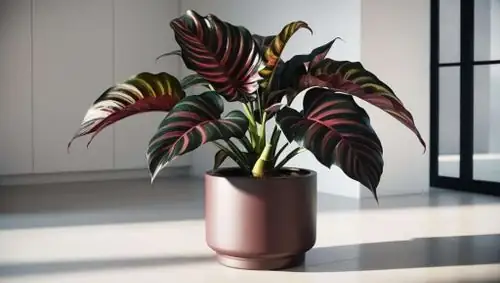
Think of Ti plant as a pot of living pigment—an ever-changing brushstroke of reds, pinks, limes, and mochas you can dial up or down with light, pot choice, and texture. Cordyline fruticosa (aka Ti, Hawaiian Ti, or Good Luck Plant) is a warm-loving, upright foliage beauty from Southeast Asia through the western Pacific. Indoors, it becomes a design tool as much as a plant: a vertical color block that softens corners, anchors vignettes, and pulls rooms together—without ever needing harsh sun.
Meet Cordyline fruticosa: a quick style profile
- Look: Cane-like stems topped with a fountain of long, strap-shaped leaves; foliage ranges from glossy green to burgundy, cherry-pink, and painterly variegation.
- Size indoors: About 40 cm–1.5 m (16 in–5 ft), depending on cultivar, pot size, and pruning.
- Habit: Upright and architectural; older lower leaves naturally yellow and drop. Cutting back encourages branching for a fuller crown.
- Light personality: Thrives in bright, filtered light—perfect for east windows, or south windows softened with sheers.
- Vibe: Instant island energy; a focal point even when not flowering (blooms are rare indoors and secondary to foliage).
Light is your paintbrush: placing Ti for saturated color
The right window transforms Ti into high-definition color. Aim for bright, indirect light and protect from midday scorch.
East windows: morning glow, maximal color
- Place 30–90 cm (1–3 ft) from the glass for gentle morning rays that enrich reds and pinks without crisping edges.
- Ideal for variegates that wash out in deep shade.
South windows with sheers: filtered brilliance
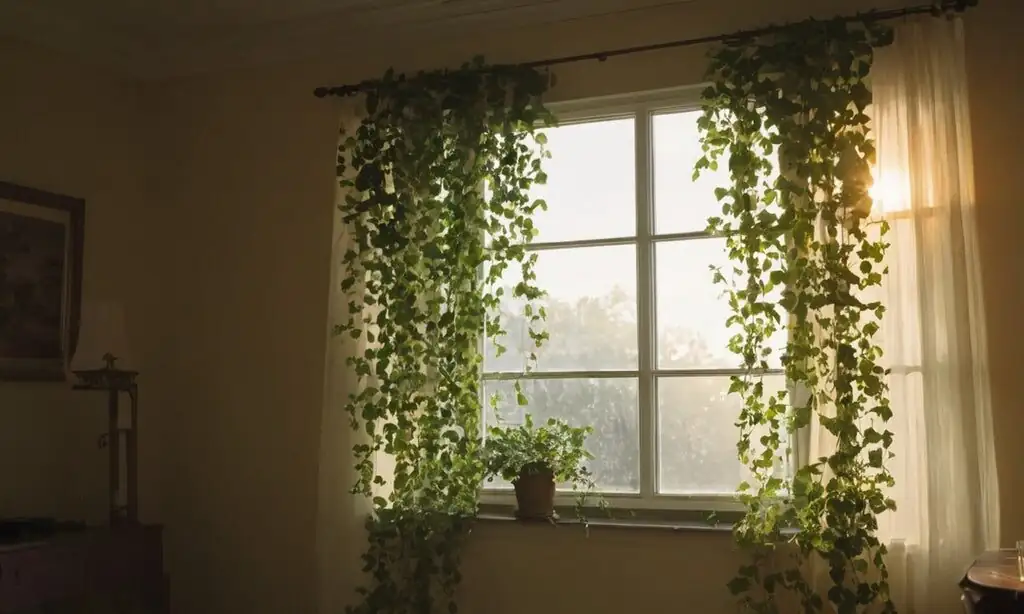
- Hang a sheer or voile curtain and keep the plant just behind it. You’ll get a luminous, all-day glow minus the harshness.
- If the curtain moves with HVAC, pull Ti slightly off the direct airflow to avoid leaf-edge dryness.
What to avoid (and how to fix it)
- Harsh midday sun: Scorched or crispy leaf margins? Step the plant back or add a sheer.
- Long-term deep shade: Accelerates leaf aging and spotting; colors fade. Move to brighter filtered light or add a soft grow light angled indirectly.
- Drafts and cold glass: Keep above 5°C (41°F) to prevent rapid edge damage; ideal growth is 20–25°C (68–77°F).
Pro tip: Use reflective surfaces (pale walls, matte brass, a light rug) to bounce brightness onto leaves without direct sun.
Choose your palette: cultivars that style your space
Pick Ti like you’d pick paint swatches. Look for dense foliage, strong color, and pest-free stems.
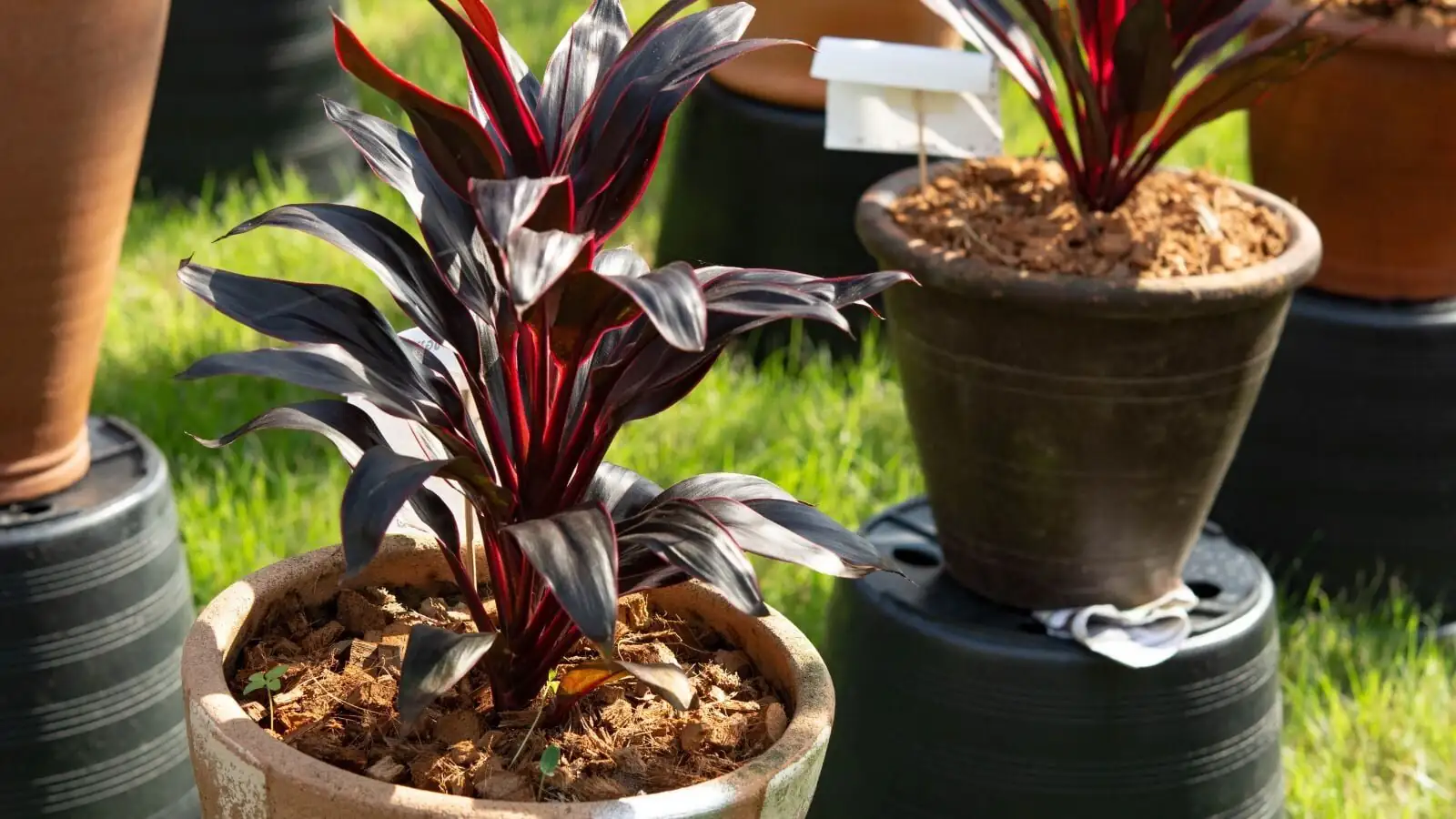
- Ruby and hot pinks (statement-makers)
- Red Sister
- Florida Red
- Painterly variegates (mixed media)
- Chocolate Queen (cream, green, mocha with pink edging)
- Exotica (bold multicolor striping)
- Maria (green with rose and cream tones)
- Fresh limes and chartreuse (color pop for neutrals)
- Lime Passion (lime and cream with subtle blush)
Form matters too:
- Compact, multi-stemmed plants create a lush tabletop focal point.
- Taller single canes read sculptural and elegant; cut back high and Ti will branch for a fuller silhouette.
Pot pairings and texture recipes
The container is your frame—and it changes the plant’s care rhythm and visual impact.
- Glazed ceramic (holds moisture longer): Great for warm, bright rooms; ideal for red and pink cultivars you want to keep lush.
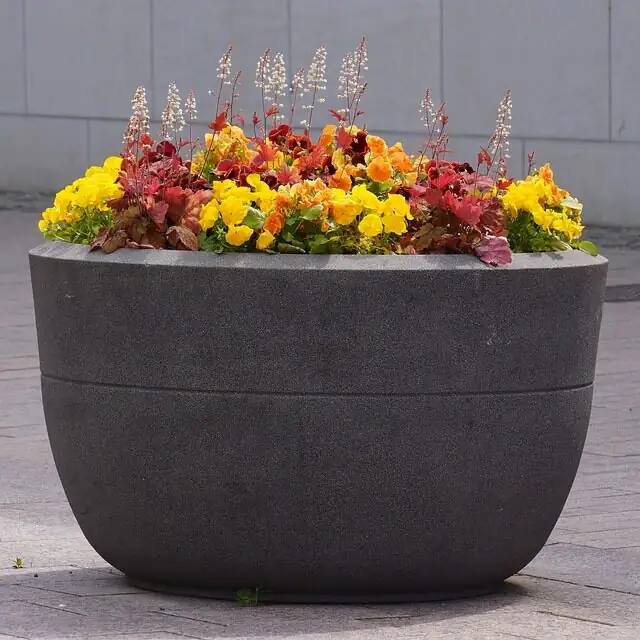
- Matte stoneware or concrete (modern, cool): Balances saturated foliage; pair deep reds with pale greige for high contrast.
- Terra-cotta (breathable, dries faster): Beautiful with green or variegates in humid rooms; water a touch more often.
- Woven baskets as cachepots: Add soft texture and warmth; always keep the nursery pot inside for drainage.
Scale and proportion:
- For floor specimens, choose a pot that’s roughly 1/3–1/2 the plant’s height to ground the color block.
- Slightly elevate on a low stand to give leaves room to arch and catch the light.
Styling vignettes (ready-to-plant looks)
- Tropical Pop Entry
- Plant: Red Sister
- Pot: Tall white cylinder
- Textures: Coir doormat, rattan umbrella stand
- Light: South window with sheer; 60–90 cm back
- Modern Mocha Corner
- Plant: Chocolate Queen
- Pot: Matte black, wide bowl
- Textures: Charcoal linen curtain, concrete side table
- Light: Bright east window; 30–60 cm from glass
- Neon + Neutral Reading Nook
- Plant: Lime Passion
- Pot: Sand-colored stoneware
- Textures: Bouclé chair, jute rug
- Light: South with voile; indirect all day
- Color Triad Grouping
- Plants: Florida Red + Maria + a green philodendron
- Pots: Repeating simple shapes in white/stone/black
- Layout: Triangular heights to lead the eye
Create focal points—without blasting sun
- Layer heights: Use a Ti as the vertical anchor, a mid-height companion (e.g., a ferny palm), and a low-texture piece (moss bowl) to build a soft pyramid.
- Color-blocking: Pair deep burgundy Ti with chalk-white pottery and pale artwork to make the foliage glow.
- Negative space: Give the crown breathing room—no crowding right up against walls or frames.
- Soft spotlighting: Indirect LED accent lights angled past the leaves (not into them) add evening drama without heat.
Care that keeps the color turned up
Color is a care outcome—get the basics right and the hues deepen.
- Watering: Keep evenly, lightly moist in active growth. Water when the top 2–3 cm (about 1 in) of mix feels dry; drench, then drain. Never leave water in the saucer.
- Soil: Free-draining, airy mix—quality potting soil plus compost/leaf mold and coarse sand or perlite.
- Humidity: Prefers 50–60%. Use a humidifier or a pebble tray; avoid constantly wet leaves to reduce leaf spot risk.
- Feeding: May–September, feed every 2 weeks with a balanced liquid fertilizer. Too much nitrogen can mute variegation; ensure good potassium for leaf quality. Pause feeding in winter if growth slows.
- Temperature: Warmth-loving. Aim for 20–25°C (68–77°F). Protect from cold drafts; keep above 5°C (41°F).
- Pruning for form: Trim naturally yellowing lower leaves. If canes get leggy, cut back to encourage branching just below the cut; the plant will thicken over time.
- Repotting: Every 2–3 years in spring into a slightly larger pot (15–25 cm / 6–10 in diameter, size-dependent) with fresh mix.
Pests and health:
- Watch for scale insects (bumps on stems), mealybugs, and leaf spot. Improve airflow, avoid splashing leaves, and treat early with horticultural oil or insecticidal soap. Quarantine new plants.
- Pet note: Potentially toxic to cats and dogs if chewed—place out of reach.
Propagation and creative color play
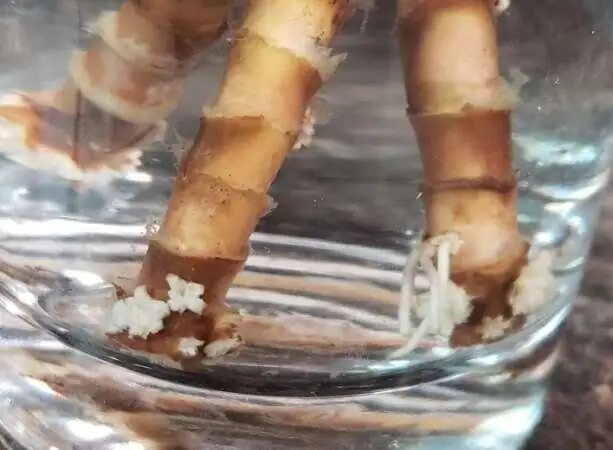
- Stem tip cuttings (June–October): 10–15 cm (4–6 in) cuttings with 5–6 leaves; shorten leaves by half; root in moist perlite/sand. Roots in about 4 weeks.
- Air-layering (May–June): Ring-bark a cane, wrap with moist sphagnum and plastic; expect roots in 5–6 weeks; then pot.
- Water moments: Ti cuttings root well in water, and single colorful canes look striking in a clear cylinder. Replace water regularly and pot up once rooted.
Bonus styling trick: Fresh-cut Ti leaves are fabulous in vases—instant tropical lines that echo your potted Ti without extra sun.
Troubleshooting color and texture
- Fading variegation or dull leaves: Often root-bound or in tired mix. Repot in late spring with fresh, fertile, well-draining soil; provide bright filtered light and regular feeding (not heavy nitrogen).
- Brown edges or tip scorch: Too much direct sun, low humidity, or cold drafts. Filter light with sheers, boost humidity, and warm the placement.
- Yellowing tips and soggy feel: Overwatering or waterlogging. Check drainage, empty saucers, and let the top layer dry between waterings.
- Leaf drop after a dry spell: Ti dislikes completely drying out—resume even moisture.
Symbolism and the joy of Ti at home
Across the Pacific—especially in Hawai‘i—Ti is linked with good luck and protection, its leaves woven into decoration and celebration. Think of it less as “flower language” and more as cultural symbolism rooted in everyday life and ritual. Placing a Ti near an entryway or gathering spot nods to that tradition while giving your room a vivid, welcoming color accent.
—
Designing with Cordyline fruticosa is like learning your home’s best light and then letting living color do the rest. Choose a cultivar that matches your palette, frame it with the right pot and textures, set it by an east window or a south exposure with sheers—and enjoy a focal point that glows from breakfast to dusk, no harsh sun required.