

Picture a doorway in the tropics: a salt-sweet breeze, drums in the distance—and a skirt of glossy leaves guarding the threshold. Those are ti leaves, the emerald-and-crimson banners of Cordyline fruticosa. For centuries across Polynesia, especially in Hawai‘i, they’ve stood for protection and good fortune. Much later, as the plant journeyed into global homes and East Asian aesthetics, those island beliefs crystallized into a “flower language” (花语) of auspiciousness and warding off evil. Here’s how that meaning took root, traveled, and still thrives on windowsills today.
Meet Cordyline fruticosa, the Ti Plant
- Also known as Hawaiian ti, good luck plant; family Asparagaceae; genus Cordyline.
- Native from Southeast Asia through the western Pacific; now grown widely in the tropics and as a houseplant.
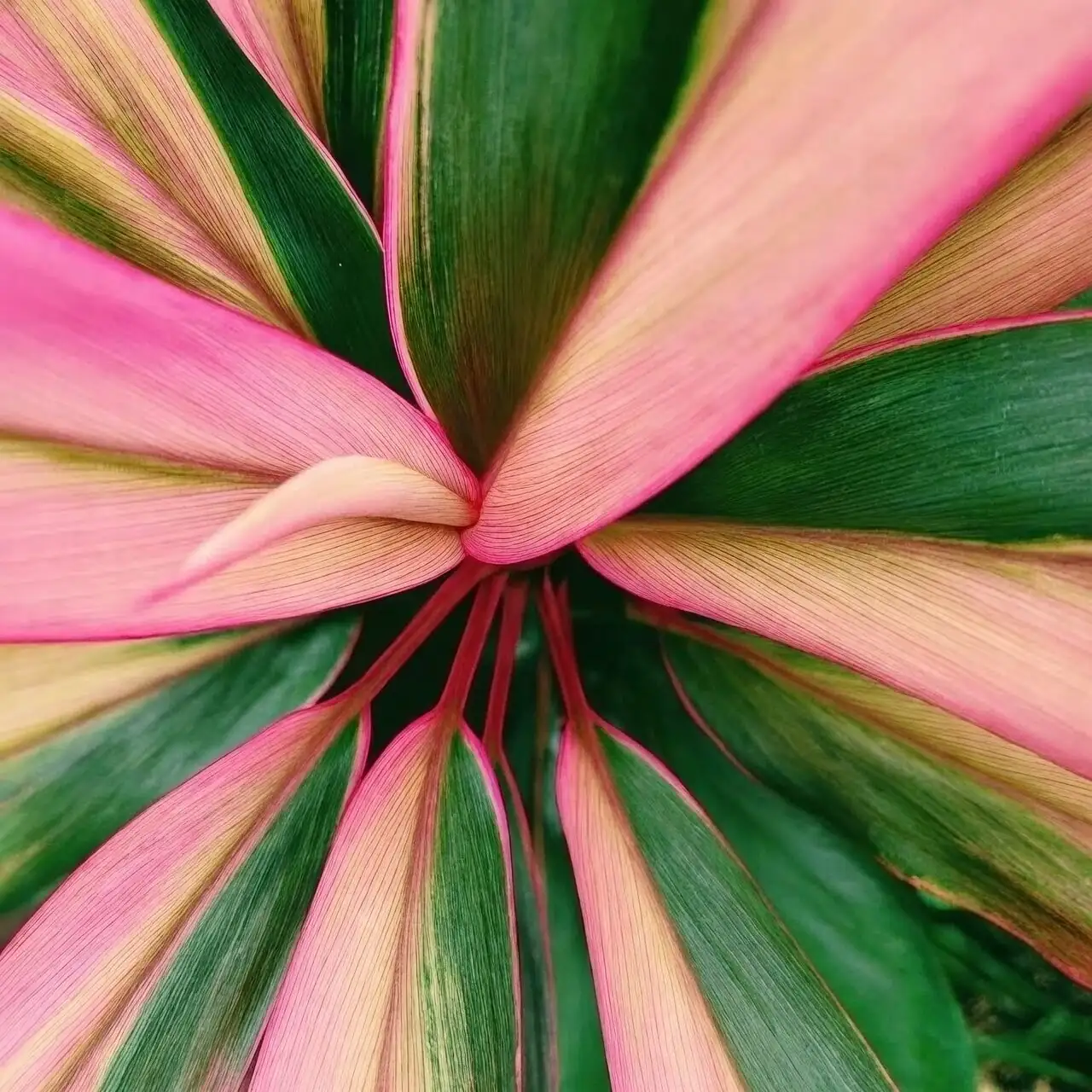
- Upright, cane-like stems topped with a fountain of strap-shaped leaves. Colors range from green to burgundy-red, hot pink, and bold variegations—instant “island vibes.”
- While it may bear small, starry summer flowers in warm, bright conditions, it’s prized mainly for its foliage and cultural presence.
Island roots: protection, luck, and the sacred
Across the Pacific, ti (kī in Hawaiian) became far more than a pretty plant.
Temples, tapu, and boundary-making
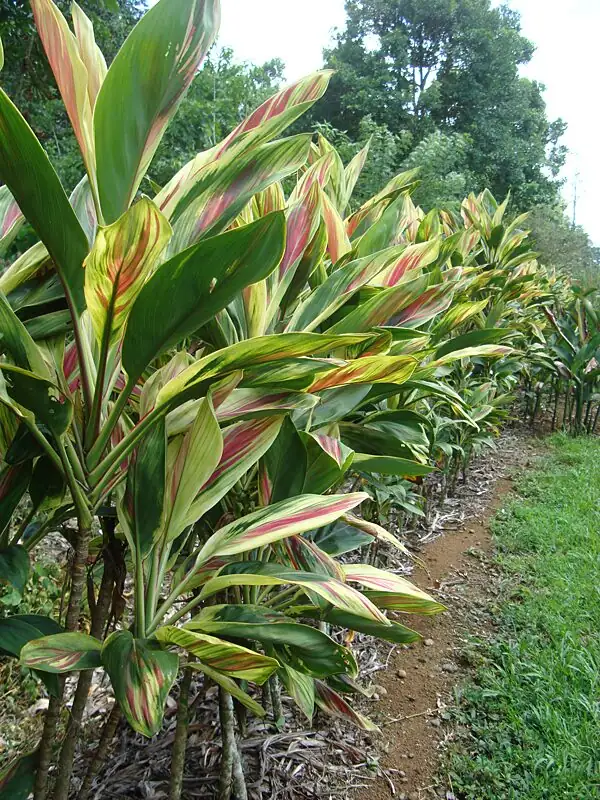
- Sacred space: Ti was traditionally planted around heiau (temples) and homes, and used in ceremonies to signal what was tapu/tapu (sacred/forbidden). A fence of ti didn’t just mark a line; it declared a threshold between everyday and sacred.
- Ritual utility: Leaves wrapped offerings, lined altars, and were fashioned into skirts and adornments for ceremony and dance—materials imbued with spiritual “covering.”
Warding off harm, inviting blessing
- Protective leaf: Ti leaves were carried, worn as lei, or tucked at entryways as a kind of living amulet—repelling ill will and inviting good fortune.
- Community guardian: Planted in rows, ti served as a watchful “green cordon” at village edges, farm boundaries, and paths—a visible sign of care and protection for those who passed.
These practices created a shared expectation: where ti stands, malice recedes and blessings gather.
From island guardians to flower language (花语)
Flower language in Chinese contexts (花语) is a modern way of pinning meanings to plants—woven from classical symbolism, folk beliefs, and worldwide floriography. Because Cordyline fruticosa is not a traditional Chinese garden flower, its 花语 didn’t arise from old Chinese poetry; instead, it absorbed the Pacific story that traveled with the plant.
What took hold:
- Protection and warding off evil (辟邪): Echoing its role at thresholds and temples.
- Auspiciousness and good fortune (吉祥): A home with ti was a home watched over.
- Sacred boundary, safe passage: The leaf as a marker that keeps danger out and intentions clear.
- Vitality and transformation: In a pot or the ground, ti rebounds after pruning, sending up fresh crowns—an image of renewal.
In other words, modern 花语 for ti is a cultural echo: Pacific beliefs translated for new audiences, then adopted into the language of gifts and interiors.
Feng shui pathways: placing ti for auspicious Qi
As ti entered East Asian homes and design, feng shui gave those meanings a map.
- Elemental fit: With its bold stance and fiery reds/pinks in many cultivars, ti resonates with the Fire element—energy, visibility, momentum.
- Direction: Many feng shui practitioners favor placing ti in the south (the Li palace) to strengthen fame, reputation, and the “bright path” ahead.
- Thresholds: Near an entry, ti plays the same role it did on the islands—meeting incoming Qi, filtering what’s unwelcome, and amplifying welcome.
- Practical cautions: Too much “Fire” energy in restful zones (like a couple’s bedroom) can feel overstimulating. Balance matters.
Good feng shui begins with good horticulture. Place ti in bright, filtered light—an east or south window with a sheer curtain is ideal—so that healthy growth reinforces auspicious intent.
Gift-giving today: a living wish for luck and safety
Why do people still gift ti at housewarmings and new-business openings? Because the message is crystal clear:

- “May your thresholds be safe.” Ti at the door is an everyday blessing against misfortune.
- “May fortune find you.” As the “good luck plant,” it signals prosperity and positive momentum.
- Color cues:
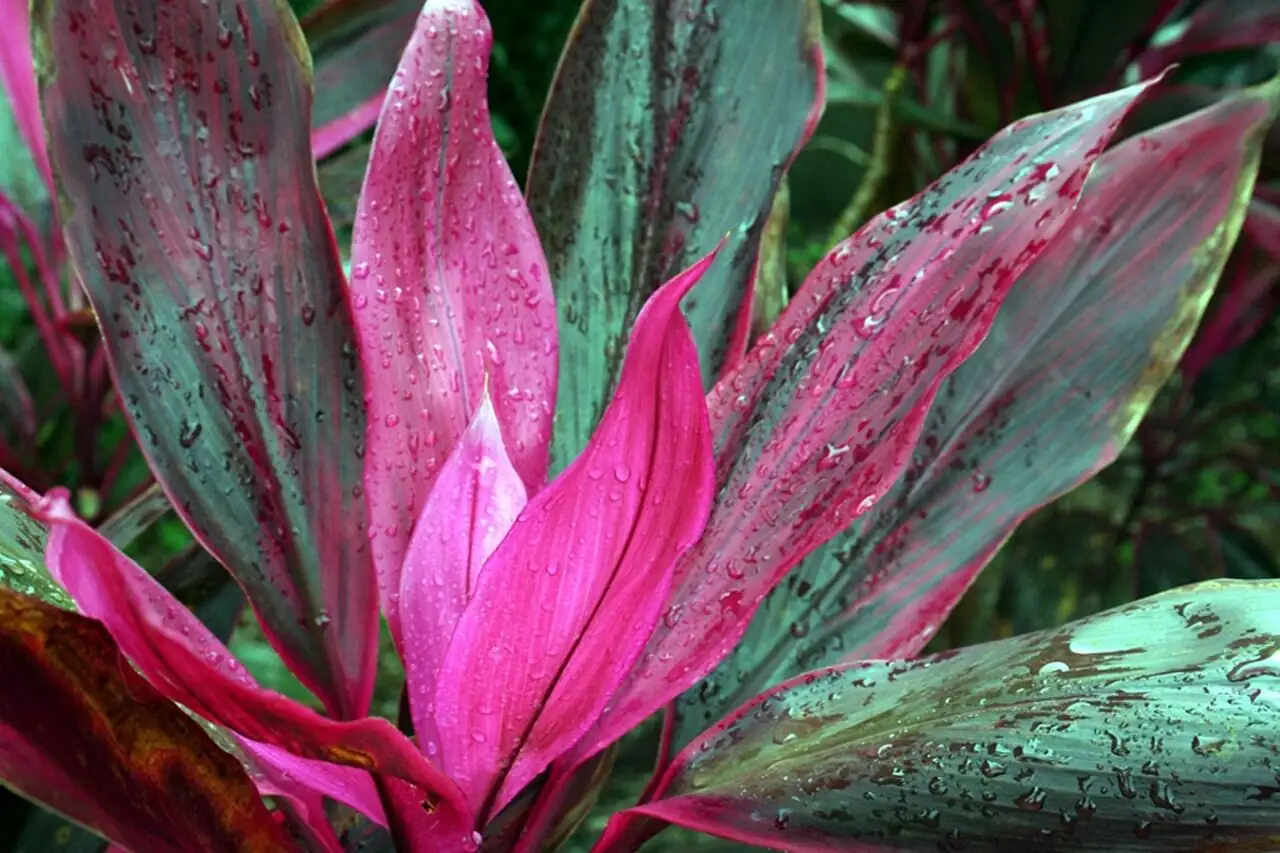
- Red or pink cultivars: passion, courage, recognition.
- Green cultivars: stability, healing, steady growth.
- Variegated forms: abundance and joyful variety.
Attach a note that tells the story—“In the Pacific, ti guards the doorway and welcomes good things in”—and you’ve gifted both beauty and belonging.
Care notes to keep the blessing thriving
A thriving ti strengthens its symbolism. Here’s the sweet spot:
- Light: Bright, filtered light; avoid harsh midday sun. Long-term deep shade speeds leaf aging.
- Temperature: Warmth-loving. Aim for 20–25°C (68–77°F); keep above 5°C (41°F) to prevent leaf damage.
- Humidity: Prefers moderate to high humidity (around 50–60%). Mist lightly or use a humidifier; avoid constant wetness.
- Watering: Keep the mix lightly and evenly moist. Water when the top 2–3 cm (about 1 in) is dry, then drain well—no standing water.
- Soil: Free-draining, airy potting mix with perlite or coarse sand.
- Feeding: During active growth (roughly May–September), feed every two weeks with a balanced liquid fertilizer; ease up in winter.
- Pruning: Remove naturally yellowing lower leaves. If stems get leggy, cut back to spark branching and a fuller crown.
- Propagation: Easy by stem cuttings (summer to autumn) or air-layering in late spring to early summer.
- Pet note: Potentially toxic if chewed by cats or dogs—display out of reach.
Tip: If colors fade, it may be root-bound or in tired soil; repot in fresh, well-draining mix and give brighter, filtered light.
Bringing meaning home: simple, respectful ideas
- The welcome: Flank your entry with two pots of ti—your modern take on a traditional protective threshold.
- The altar nook: Place a ti leaf or small potted ti near a personal reflection space to mark it as “set apart” for intention-setting or gratitude.
- The celebration: Use fresh ti leaves (ethically sourced) as table runners or to wrap gifts for weddings and housewarmings—a tactile wish for luck and safety.
- The story: Share the lineage. Let guests know the plant standing sentinel by your door once lined island temples and village paths.
The throughline: from heiau to home office
When you bring Cordyline fruticosa into your space, you’re welcoming a long memory: temple edges and tapu lines, travelers’ charms and festival skirts—carried forward as a modern 花语 of protection and prosperity. Place it where light is kind, water it with steadiness, and let those glossy leaves do what they’ve always done: keep bad vibes at bay and invite good ones in.