


Picture a voyaging canoe skimming a sapphire horizon, its lashings snug, its hull stocked with the few living essentials a community would need to restart life on a distant shore. Among the taro and breadfruit was a plant with glossy, strap-like leaves—sometimes green as lagoon water, sometimes blushed crimson like a sunset. That plant, Cordyline fruticosa—the ti plant—followed Pacific navigators from Southeast Asia into the western Pacific and, eventually, to Hawai‘i. Centuries later, it would leap again—this time into apartments and offices worldwide—becoming a beloved houseplant that still carries the aura of ocean journeys and good fortune.
Where Ti Comes From
- Scientific name: Cordyline fruticosa (family Asparagaceae, genus Cordyline)
- Common names: Ti, Hawaiian Ti, Good Luck Plant, Cordyline
- Native range: Southeast Asia through the western Pacific, later widely cultivated and naturalized throughout the tropics
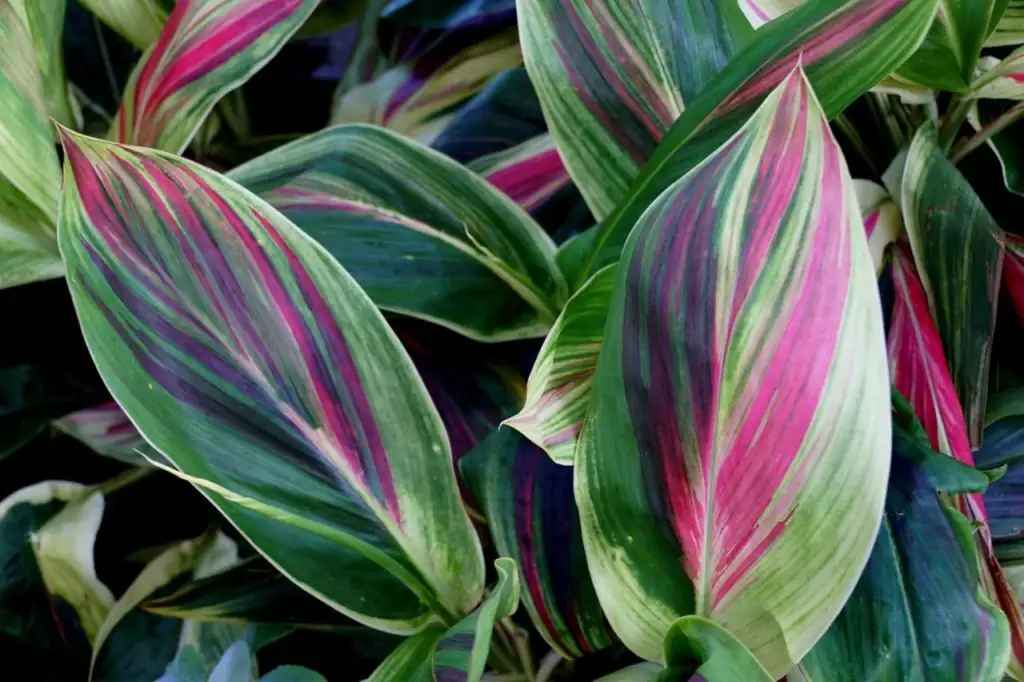
In form, ti is a study in elegance: upright, cane-like stems topped by fountains of long, arching leaves. Depending on the variety, the foliage may be solid green or spectacularly colored—deep burgundy, hot pink, or boldly variegated. Indoors, it typically reaches 40 cm–1.5 m (16 in–5 ft), a manageable stature for a plant with such drama.
The Canoe Plant That Traveled Oceans
Across the Pacific, plants were as important as star maps. Ti traveled as a “canoe plant,” propagated from living pieces tucked safely aboard voyaging canoes. In Hawai‘i, ti—often called ki—took root and flourished, finding a role in decoration and traditional adornment. Its broad, flexible leaves became festive garlands and accents on clothing; their sheen and durability made them indispensable for celebration and ceremony alike. Over generations, ti came to be linked with good luck and protection, and plantings of ti around homes and pathways became visual pledges of welcome and wellbeing.
From Sacred Groves to Window Sills: How Ti Became a Houseplant Icon
When global trade and botanical exchange accelerated, nurseries recognized what Pacific Islanders had known for centuries: ti is adaptable, expressive, and visually magnetic. Breeders and growers in tropical Asia and across the Pacific began sharing and refining cultivars with ever-bolder stripes and saturations. By the time “island vibes” became a design shorthand, ti was already a star—its rosettes of crimson and coral lighting up lobbies, living rooms, and sunrooms around the world. Today, it sits as comfortably in a bright city window as it once did by a coastal hale, carrying that same sense of warmth and welcome.
Why It Thrives Indoors
- Loves bright, filtered light yet tolerates partial shade
- Warmth-loving and well-suited to stable indoor temperatures
- Colorful foliage is the main show; flowers are occasional bonuses in warm, bright settings
- Can be grown in water for propagation and short-term displays
- Once established, tolerates brief dry spells better than overwatering
Meet Your Ti: How to Care for It
Think of ti as a tropical friend who prefers a sun-dappled veranda and a steady glass of water—never a soggy puddle.
Light
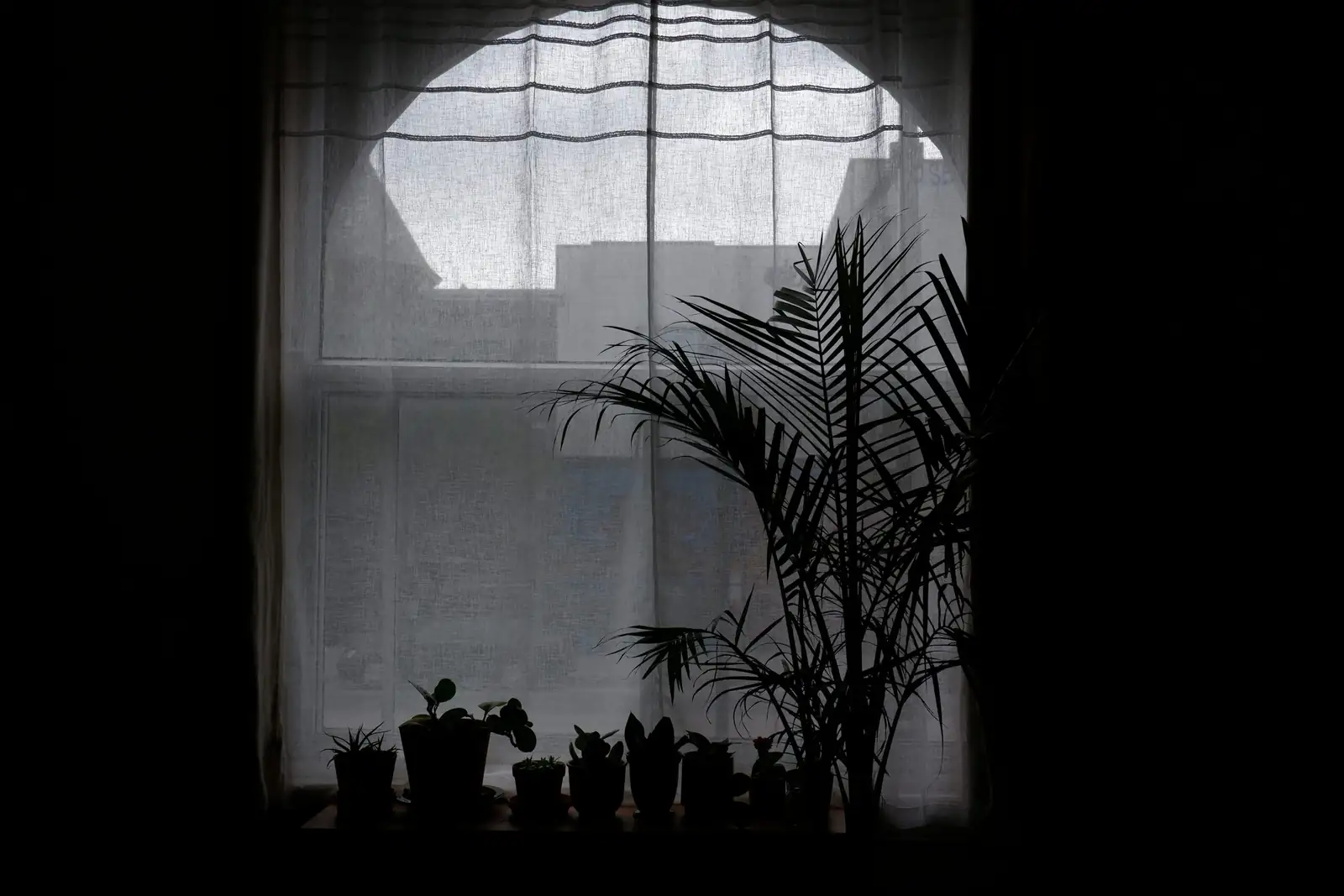
- Best: Bright, filtered light (sheer-curtained east or south window)
- Avoid: Harsh midday sun that can scorch leaves; long-term deep shade that speeds leaf aging and spotting
Temperature
- Ideal: 20–25°C (68–77°F); summer days 25–30°C (77–86°F)
- Minimum: Keep above 5°C (41°F) to prevent leaf damage; not frost-hardy (generally suited to USDA Zones 10–12 outdoors)
Humidity
- Prefers 50–60% relative humidity
- Use a humidifier or occasional misting during active growth; avoid constantly wet foliage and stagnant air
Watering
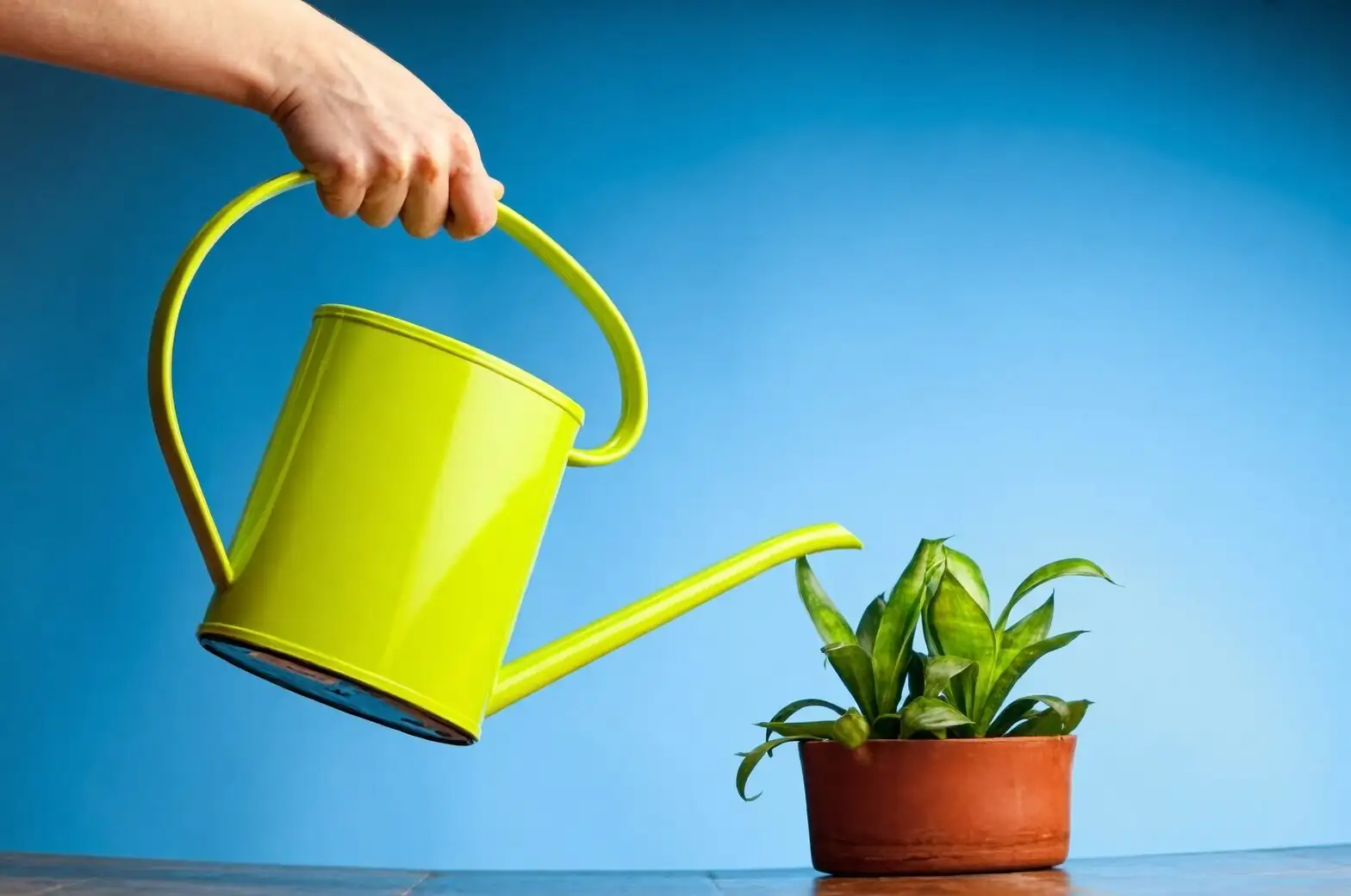
- Keep the potting mix lightly and evenly moist during active growth
- Water when the top 2–3 cm (about 1 in) is dry, then let excess drain
- Never let the pot sit in water; waterlogging leads to yellowing tips and root trouble
- Too little water can cause leaf drop
Soil
- Use a free-draining, airy mix: quality potting soil plus compost/leaf mold and coarse sand or perlite
- Always choose a pot with drainage holes
Feeding
- Growing season (roughly May–September): feed every 2 weeks with a balanced liquid fertilizer
- Too much nitrogen can mute variegation; keep potassium adequate for leaf quality
- Pause feeding in winter, especially in cool rooms
Pruning and Shaping
- Lower leaves naturally yellow and drop as stems lengthen—remove them to tidy
- If plants become tall and bare, cut stems back; new shoots will sprout below the cut, creating a fuller crown
Repotting
- Every 2–3 years in spring, size up slightly (often to a 15–25 cm / 6–10 in pot)
- Refresh the mix and trim damaged fine roots lightly
Propagation
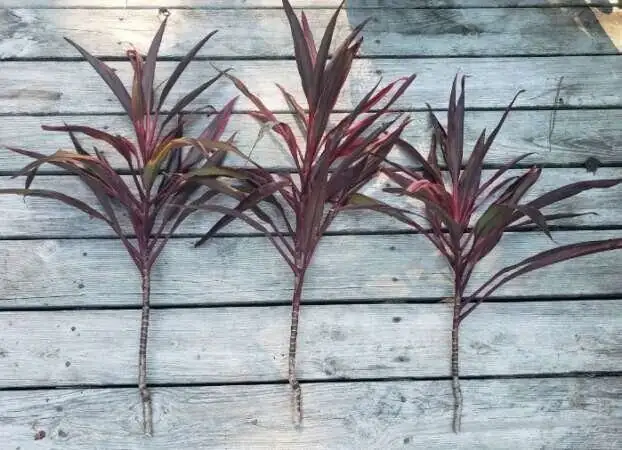
- Stem cuttings (June–October): 10–15 cm (4–6 in) tip cuttings with 5–6 leaves; shorten leaves by half and root in moist sand/perlite; roots form in about 4 weeks
- Air-layering (May–June): ring-bark a 1.5 cm (0.6 in) band about 20 cm (8 in) below the tip; wrap in moist sphagnum and plastic; roots in ~5–6 weeks
- Seed: sow indoors when ripe (often around September); germinates at 24–27°C (75–81°F) in ~2 weeks; pot up at 4–5 cm (1.6–2.0 in) tall
Seasonal Rhythm
- Spring: repot if needed
- May–September: active growth; feed biweekly; maintain 50–60% humidity; excellent time for cuttings
- May–June: ideal for air-layering
- June–October: best window for stem cuttings
- September: sow ripe seed indoors at 24–27°C (75–81°F)
- Summer: provide midday shade; watch watering
- Winter: reduce watering, stop fertilizing in cool rooms, keep above 5°C (41°F)
Common Hiccups and Easy Fixes
- Leaf color fading: Often due to tired mix or root-bound conditions. Repot in late spring/early summer into fresh, well-draining mix; provide bright filtered light; avoid high-nitrogen feeds that green-out variegation.
- Brown spotting or quick decline: Prolonged deep shade or cold drafts. Move to brighter, warmer spot; keep off cold windows in winter.
- Scorched edges or rot after a chill: Below 5°C (41°F), foliage is easily damaged. Keep it warm.
- Pests: Scale is common—treat early with horticultural oil or insecticidal soap and repeat as needed. Improve airflow to deter leaf spots/anthracnose; avoid splashing leaves.
- Water woes: Yellowing tips can mean too much water; leaf drop can signal drought stress. Aim for that even, lightly moist middle.
Culture and Symbolism: Beyond “Flower Language”
You’ll often hear ti called the Good Luck Plant. That isn’t a marketing afterthought—it echoes long-held Pacific beliefs linking ti with protection and prosperity. In Hawai‘i and across the Pacific, its leaves feature in festive displays and adornment, their presence signaling respect, celebration, and welcome. If you’re looking for a home talisman, placing a ti in your entryway feels less like subscribing to a generic “flower language” and more like honoring a living tradition that spans islands and generations.
Quick Facts and Curiosities
- Indoors, flowers are uncommon; in warm conditions, the plant can produce small, starry blossoms in branched clusters, sometimes followed by berries. Peak season is summer.
- Cold is its kryptonite: below 5°C (41°F), leaf edges can scorch or rot; a few cultivars may briefly tolerate around 0°C (32°F), but don’t push it.
- Seeds sprout warmly: 24–27°C (75–81°F) yields germination in about 2 weeks.
- Potentially toxic to pets if chewed (cats and dogs may drool or get an upset stomach). Keep out of reach.
Choosing Your Ti (And Placing It Well)
- Pick a plant with dense foliage, strong color, and no pest signs (speckles, sticky residue, bumps on stems).
- After purchase, keep it warm and bright—dim corners lead to brown spotting and a slow slide downhill.
- Best home base: bright, indirect light near an east or south window with a sheer curtain; no cold drafts.
A Living Thread Across the Pacific
To grow a ti is to keep a small piece of ocean-going history alive. Its leaves recall ceremonies under starlight; its adaptability tells of landfalls on new shores. From Southeast Asian forests to Polynesian canoes to your own windowsill, Cordyline fruticosa remains what it has always been: a bearer of color, culture, and quiet good luck—rooted in the past, unfurling toward the light.