

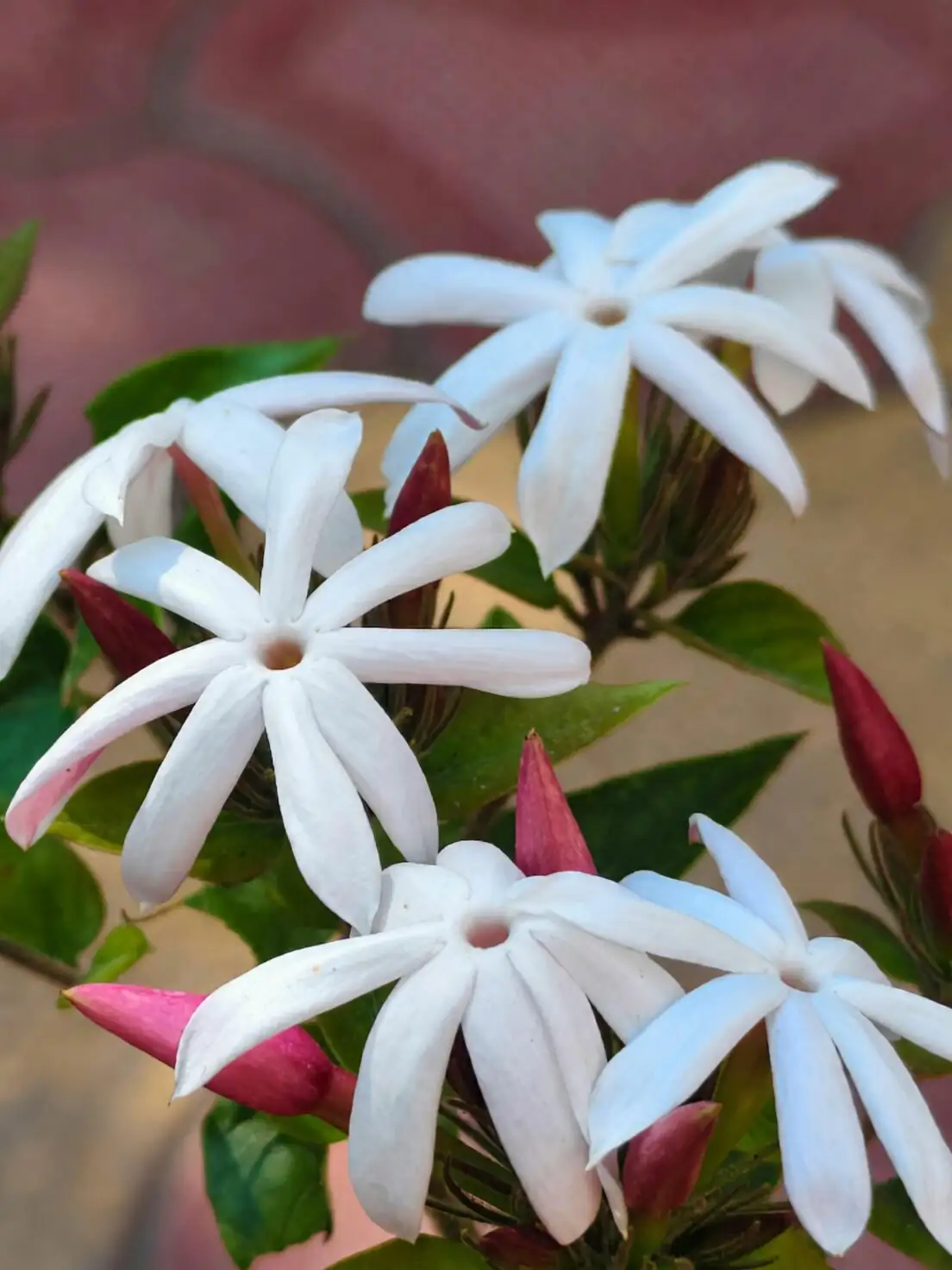
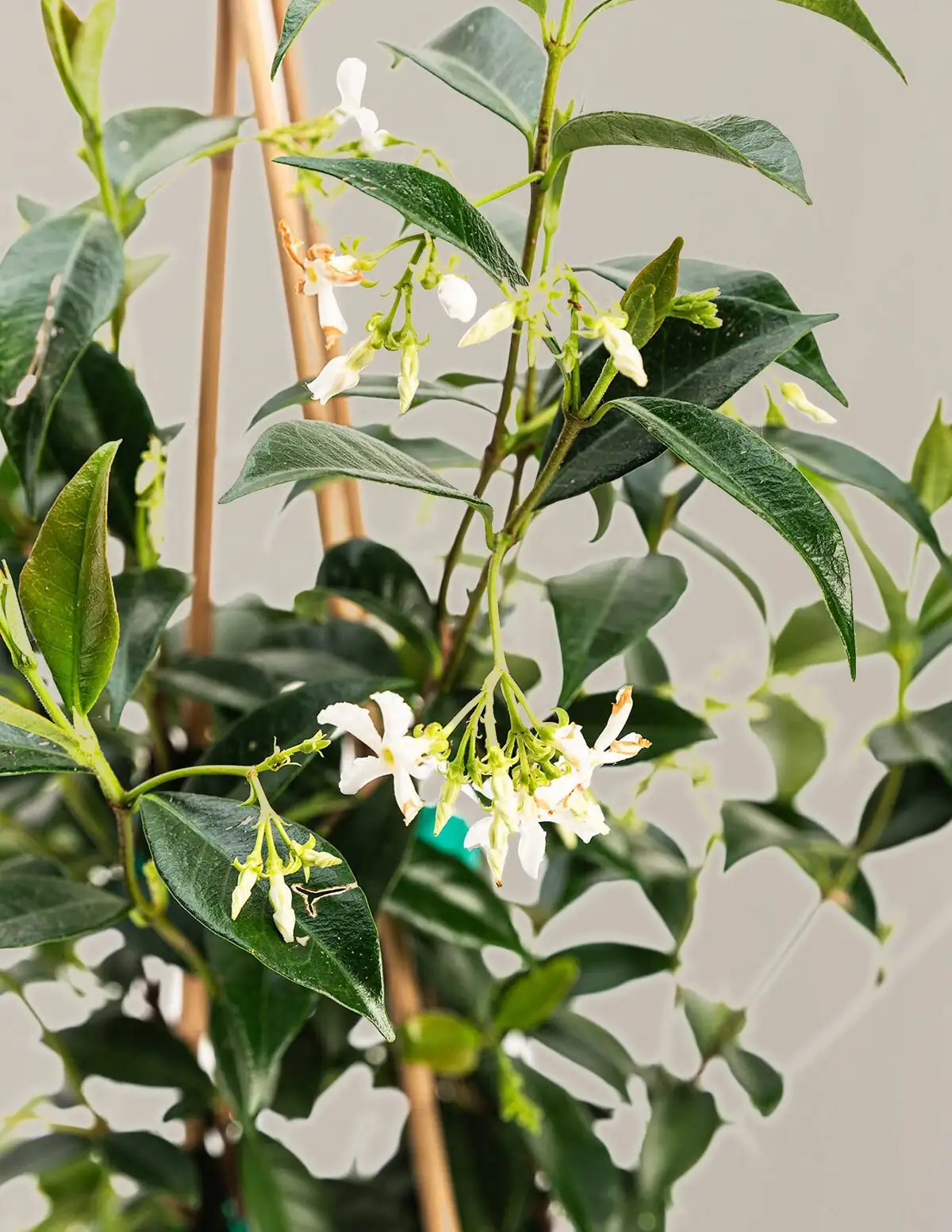
Meet Variegated Star Jasmine (Trachelospermum asiaticum ‘Variegatum’): an evergreen twiner with cream-and-green leaves that shine all year and a habit that’s as happy to trail from a basket as it is to climb a small trellis. Keep it bright, keep it airy, and don’t let it sit cold and wet—and this easy charmer will be “always there” for you. Here’s your month-by-month game plan to water, feed, prune, propagate, repot, and protect it through the seasons, indoors or on a mild balcony.
How to use this calendar
- Climate and setting: Written for temperate Northern Hemisphere timing. If you’re in the Southern Hemisphere, flip the months by six. Indoors, follow light/temperature cues more than the calendar.
- Light baseline: Bright light to sun gives the best color and vigor; partial shade is fine. Indoors, an east- or south-facing window is ideal. Avoid harsh sun when temperatures are low.
- Temperature sweet spot: 20–25°C (68–77°F). Aim to keep winter temps above 10°C (50°F); brief dips to about 0°C (32°F) can defoliate.
- Potting medium: A fertile, loose, well‑drained mix. Never let it sit waterlogged.
- Water-culture fans: This vine also thrives in water culture—top up and change water regularly and use an appropriate nutrient solution.
Month-by-month care calendar
January
- Watering: Go easy. Let the top 2–3 cm (about an inch) of mix dry before watering. Cold + wet is the classic recipe for yellowing leaves and drop.
- Feeding: Skip fertilizer.
- Pruning & training: Tidy only if needed. Remove any all‑green reverted shoots to preserve variegation.
- Winter protection: Keep above 10°C (50°F) if you can. Shield from drafts and cold windowpanes. Bright light is essential now to prevent dulling and drop.
- Water culture: Keep the vase away from cold glass; refresh water if it clouds; minimal or no nutrients this month.
February
- Watering: Similar to January—light and spaced out.
- Feeding: Still hold fertilizer.
- Pruning & training: Check ties/supports; gently guide any wandering stems. Avoid hard cuts until spring.
- Winter protection: Ventilate on mild days; ensure good airflow to discourage leaf spot.
- Water culture: Change water if stale; keep solution very dilute or plain.
March
- Watering: Begin to increase slightly as days lengthen, but don’t overdo it.
- Feeding: Resume monthly feeding at half to standard strength.
- Pruning & training: Start tip‑pinching to encourage branching. Add a small support when new shoots reach about 30 cm (12 in).
- Repotting: Prime time, every ~2 years. Use a rich, well‑drained mix; many growers pot three young plants together in a 15–20 cm (6–8 in) pot for fullness. After repotting, water sparingly at first—light sips plus occasional misting is enough while it settles.
- Water culture: Resume very light nutrients.
April
- Watering: Keep evenly moist but never soggy as growth ramps up.
- Feeding: Monthly feed continues.
- Pruning & training: Pinch tips; thin any congested interior growth to increase airflow.
- Pest watch: Dry indoor air can invite spider mites—rinse foliage, raise humidity moderately, and keep air moving.
- Water culture: Weekly-to-biweekly water changes; light nutrients.
May
- Watering: Consistently moist, draining freely. In warm, bright spots, you may water more often.
- Feeding: Add 1 bloom‑leaning feed (higher P & K) this month to support the chance of summer flowers, especially outdoors.
- Pruning & training: Keep removing green‑only reversions; continue guiding stems along trellis or letting them trail.
- Propagation prep: Select healthy semi‑ripe tips for next month’s cuttings.
- Water culture: Keep water fresh; add a bloom‑supporting nutrient once this month if aiming for flowers.
June
- Watering: Even moisture is key during peak growth; never let the pot sit in runoff.
- Feeding: Regular monthly feed. If you’re chasing blooms, consider a second bloom‑type feed before high summer.
- Propagation: Best month for cuttings. Take 10–12 cm (4–5 in) semi‑ripe tip cuttings, keep 3–4 leaves, remove lower leaves, and root in moist sand or a gritty mix; expect roots in ~3–4 weeks. Long stems can also be layered in a nearby pot. Stems root readily in plain water, too.
- Pruning & training: Light shaping after taking cuttings.
- Water culture: Maintain bright light; change water as soon as it looks cloudy; add nutrients sparingly.
July
- Watering: Stay steady—moist but not saturated. In heat, check moisture frequently but water in smaller, thorough doses.
- Feeding: Monthly feed (skip if plant is stressed by heat).
- Pruning & training: Pinch tips to keep it bushy; thin congested mats in baskets.
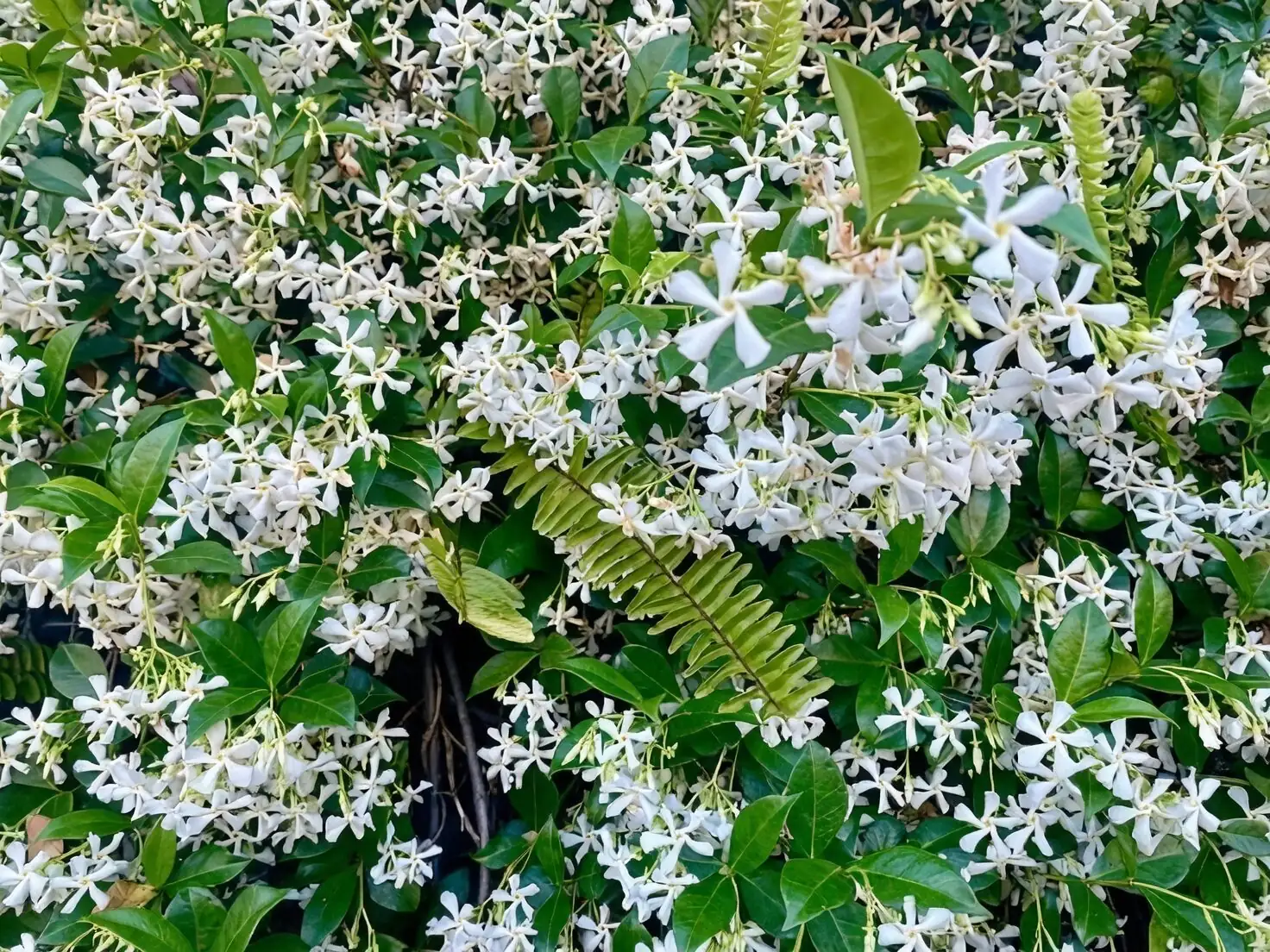
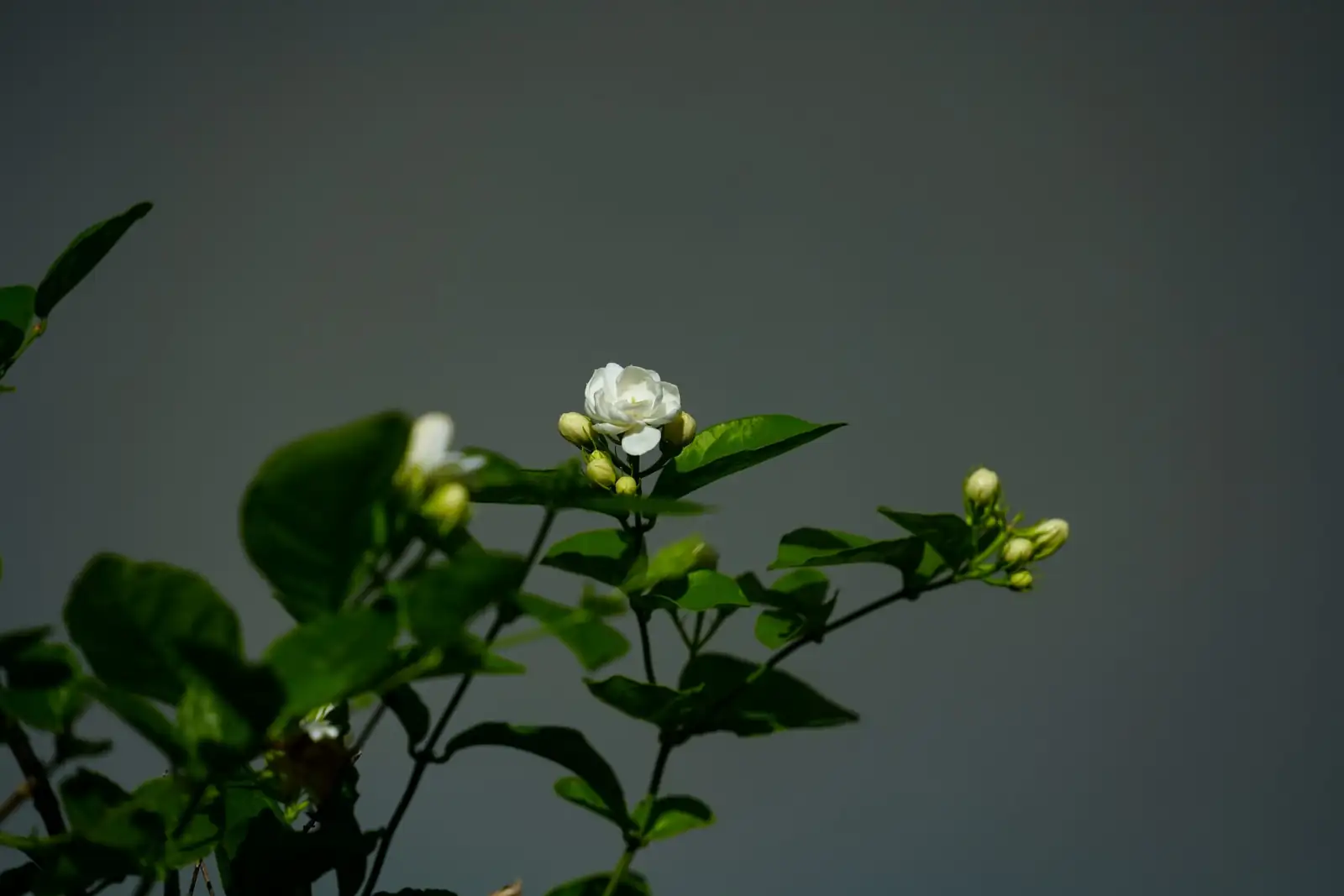
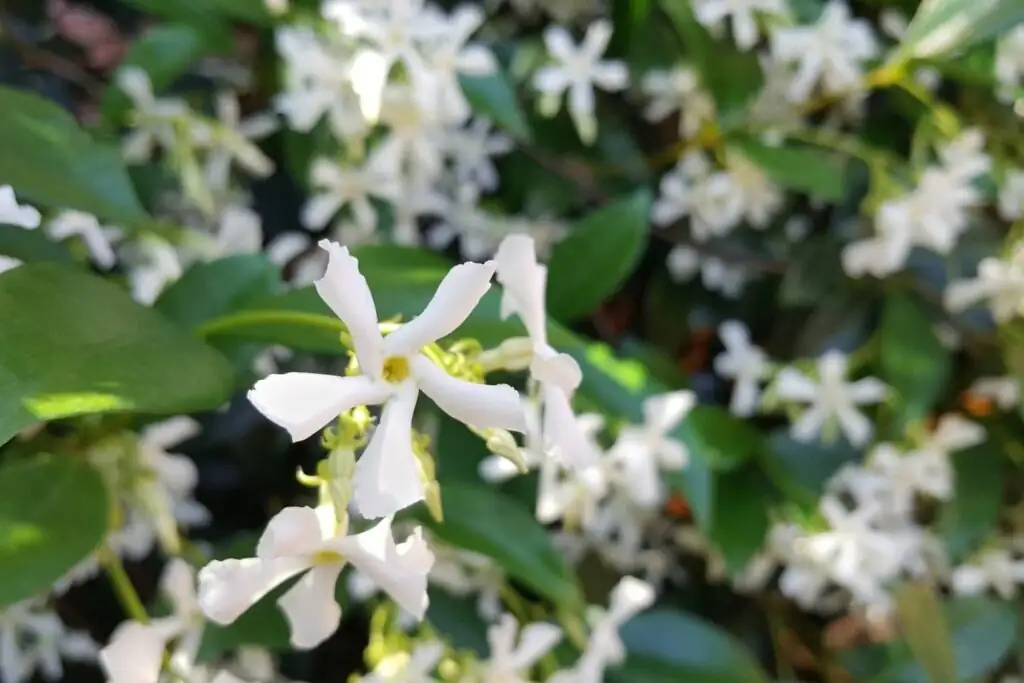
- Flowering: Outdoors, small fragrant white stars may appear now; indoor blooms are less reliable.
- Water culture: Fresh water; ensure good airflow to avoid stagnation.
August
- Watering: Similar to July; avoid extremes of dry-down or soak.
- Feeding: This can be your last full-strength feed of the season in cooler regions.
- Pruning & training: Keep form tidy; remove green reversions promptly.
- Health check: Watch for leaf spot—remove affected leaves; avoid wetting foliage late in the day and improve airflow if needed.
- Water culture: Regular changes; watch for algae in bright settings and rinse vessels.
September
- Watering: Begin easing off. Allow the top layer to dry a bit further between waterings.
- Feeding: If growth is still active, a light feed is fine; otherwise begin tapering.
- Pruning & training: Final shaping before the slow-down. Avoid heavy cuts.
- Winter prep: Plan the plant’s winter home with bright light and temperatures above 10°C (50°F).
- Water culture: Reduce nutrients; keep water very clean going into cooler months.
October
- Watering: Reduce to the winter rhythm—thorough waterings spaced further apart.
- Feeding: Stop fertilizing until spring.
- Pruning & training: Minimal—just sanitation and removing any weak or reverted shoots.
- Winter protection: Move containers from exposed cold/wet spots; avoid cold + wet soil at all costs.
- Water culture: Plain water or very dilute solution only; keep away from cold glass.
November
- Watering: Light hands. Let the mix dry slightly more than in summer.
- Feeding: None.
- Pruning & training: Leave most growth intact to support winter photosynthesis.
- Winter protection: Brightest window, stable warmth above 10°C (50°F). Expect some leaf dulling if temps dip; focus on light and dryness, not extra water.
- Water culture: Refresh water if cloudy; no feeding.
December
- Watering: Same conservative approach. If in a cool room, water even less often.
- Feeding: None.
- Pruning & training: Spot‑clean only. Celebrate the evergreen look by dusting leaves gently for maximum sheen.
- Winter protection: Good airflow + moderate humidity prevents mite flare‑ups without inviting fungal issues.
- Water culture: Keep water clear; hold nutrients until growth resumes.
Extra guidance and pro tips
- Light and color: Strong light keeps the variegation crisp. Stress (cold combined with strong sun, or prolonged wet feet) can dull color or trigger leaf drop.
- Training habit: Add a small trellis once new shoots reach ~30 cm (12 in). It’s a natural twiner; just give it a nudge toward the support.
- Rejuvenation: Older container plants (around 3–4 years) respond well to a hard cut in spring to refresh growth.
- Drought vs. deluge: Once established, it tolerates short dry spells better than it tolerates soggy soil. When in doubt, err dry in winter.
- Pests and diseases: Spider mites thrive in dry, stagnant air—rinse foliage, raise humidity moderately, and use insecticidal soap or horticultural oil if needed. For leaf spot, improve airflow, avoid late-day leaf‑wetting, remove affected leaves, and use a broad‑spectrum fungicide labeled for ornamental leaf spot if necessary.
- Safety note: Specific toxicity data for this exact cultivar is inconsistent. As a sensible precaution with pets or kids, prevent chewing/ingestion and seek advice if symptoms occur.
Troubleshooting quick fixes
- Yellowing and leaf drop in winter? It’s almost always low light or the cold + overwatering combo. Move brighter and warmer (ideally >10°C/50°F) and let the top layer of mix dry more between waterings.
- All‑green stems taking over? That’s reversion. Prune reverted shoots at their base as soon as you spot them to preserve the variegated look.
Symbolism (flower language) note
Variegated star jasmine is often linked with steadfastness and loyalty—its evergreen foliage and twining habit suggest a companion that holds on and endures. While not an ancient, codified “flower language,” this modern symbolism fits how we live with it: a reliable, quietly elegant plant that stays present through the year, brightening corners and climbing steadily toward the light.
Your essentials checklist
- Best growth: 20–25°C (68–77°F), bright light to sun
- Winter minimum: Aim above 10°C (50°F); brief dips near 0°C (32°F) can defoliate
- Watering: Evenly moist in growth; lighter in autumn; slightly dry in winter
- Feeding: Monthly in the growing season; 1–2 bloom‑leaning feeds before summer
- Pruning: Pinch for bushiness; remove green reversions; hard rejuvenation every 3–4 years
- Propagation: Early summer semi‑ripe cuttings (10–12 cm/4–5 in) root in ~3–4 weeks; easy in water; layering works too
- Repotting: Every ~2 years in spring; water sparingly right after repotting
- Water culture: Top up and change water regularly; use a suitable nutrient solution during active growth
Follow this rhythm and your Trachelospermum asiaticum ‘Variegatum’ will keep its lovely patchwork foliage glowing, whether it’s meandering from a shelf or spiraling up a petite trellis.