

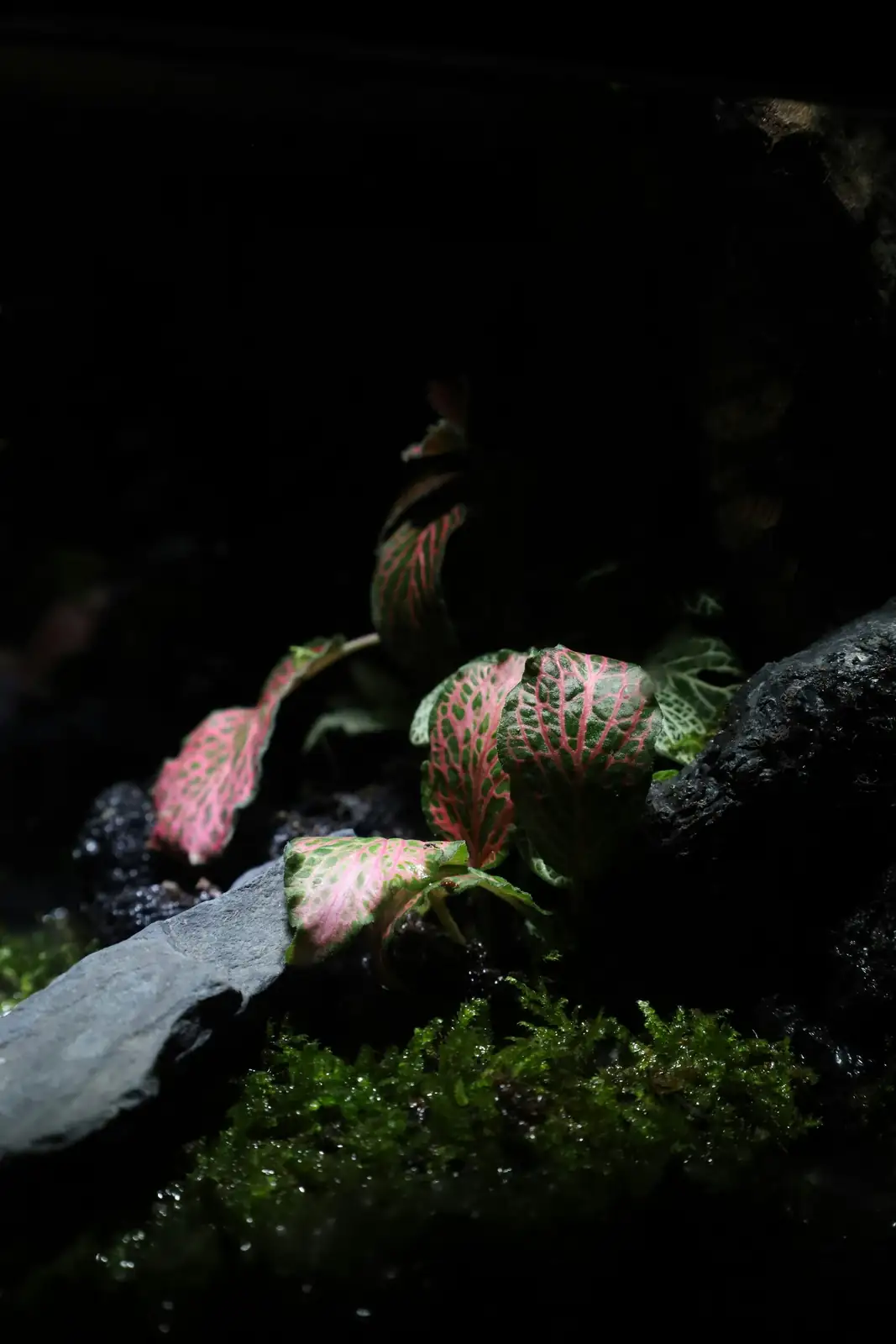
Meet Fittonia albivenis—the little drama queen of the rainforest floor whose leaves look hand-painted and whose stems love to creep, knit, and occasionally “faint” when thirsty. In bright, filtered light with steady humidity, this petite mosaic beauty stays compact, covers edges gracefully, and thrives in terrariums or warm, humid nooks. The secret to styling it? Choose companions that adore moisture and warmth just as much—but won’t balloon, tower, or throw shade.
Below, you’ll find a curator’s list of slow, humidity-loving partners, plus contrast-and-texture pairings that keep Fittonia center stage.
Fittonia at a Glance (to guide your plant picks)
- Size and habit: Typically 10–20 cm tall with a spreading, creeping habit; older stems can trail 30–60 cm if you let them.
- Light: Bright, indirect to partial shade; avoid harsh sun.
- Water and humidity: Evenly moist, never soggy; 60%+ humidity keeps leaves crisp (terrariums are perfect).
- Temperature: Warmth-loving—aim for ~18–25°C (64–77°F), and keep it above 15°C (59°F).
- Best settings: Closed terrariums, bathrooms, bright kitchens, desks/shelves away from direct sun.
Design rule of thumb: Pair with plants that like the same warm, humid, bright-but-filtered conditions, grow slowly, and sit low or stay compact.
The Slow Team: Humidity-Loving Partners That Won’t Overrun Your Fittonia
Cushiony Carpeters (soft understory, easy to edit)
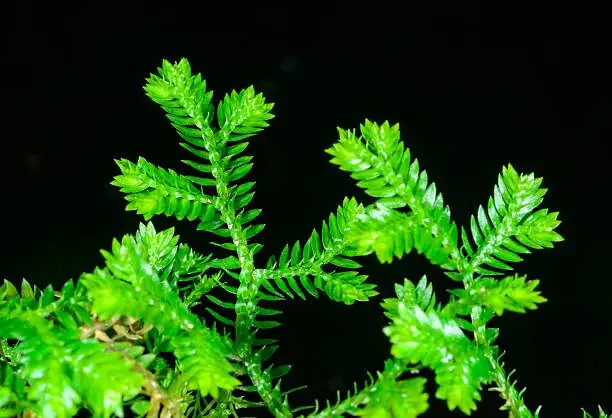
- Selaginella kraussiana (including ‘Aurea’ or ‘Brownii’)
- Why it works: Dense, mossy cushions love high humidity; growth is steady but manageable with snips.
- Texture and color: Fine, ferny lace that contrasts beautifully with Fittonia’s bold veins.
- Selaginella apoda
- Why it works: Budget-friendly, slow-to-moderate spread, great for gentle groundcover in terrariums.
- Pairing tip: Tuck small clumps rather than a solid sheet to avoid a takeover look.
- Mosses (e.g., Leucobryum glaucum “pillow moss,” Hypnum)
- Why they work: Very low profile and slow; they visually cool down Fittonia’s high-contrast foliage.
Mini Ferns (true humidity fans, scaled for small scenes)
- Hemionitis arifolia (Heart Fern)
- Compact heart-shaped fronds, slow to moderate; use as a single sculptural accent.
- Nephrolepis exaltata ‘Duffii’ (Lemon Button Fern)
- Tiny, beadlike fronds; stays modest with pruning. Pop in a single start, not a clump, for balance.
Tip: Place mini ferns slightly behind Fittonia to create a soft, feathery backdrop without shading.
Small Peperomia (polished mounds and micro-vines)
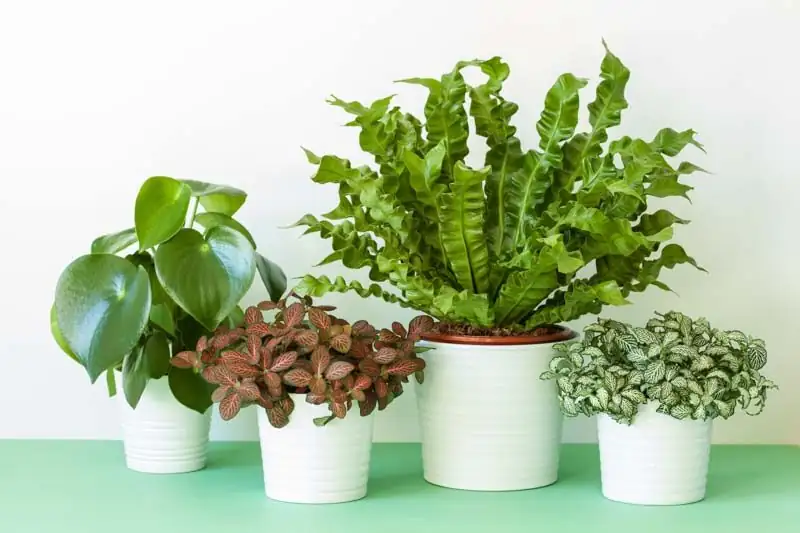
- Peperomia caperata group (including ‘Rosso’, ‘Napoli Nights’)
- Why they work: Compact, mounded, and humidity-friendly; rich corrugation contrasts Fittonia’s flat sheen.
- Peperomia prostrata (String of Turtles)
- A tiny-leaved, slow trailer that can edge paths or cascade softly—trim to keep it delicate.
- Peperomia rotundifolia
- Tiny round leaves; can knit into a neat mat with occasional pinching.
Silver and Pewter Counterpoints (subtle, light-catching)
- Pilea libanensis / Pilea glauca (often sold as “Aquamarine”)
- Diminutive, silvery-blue leaves; a fine counterpoint to pink- or red-veined Fittonia.
- Keep lightly pruned so it stays whisper-soft and low.
Rosettes That Behave (bold shape, compact footprint)
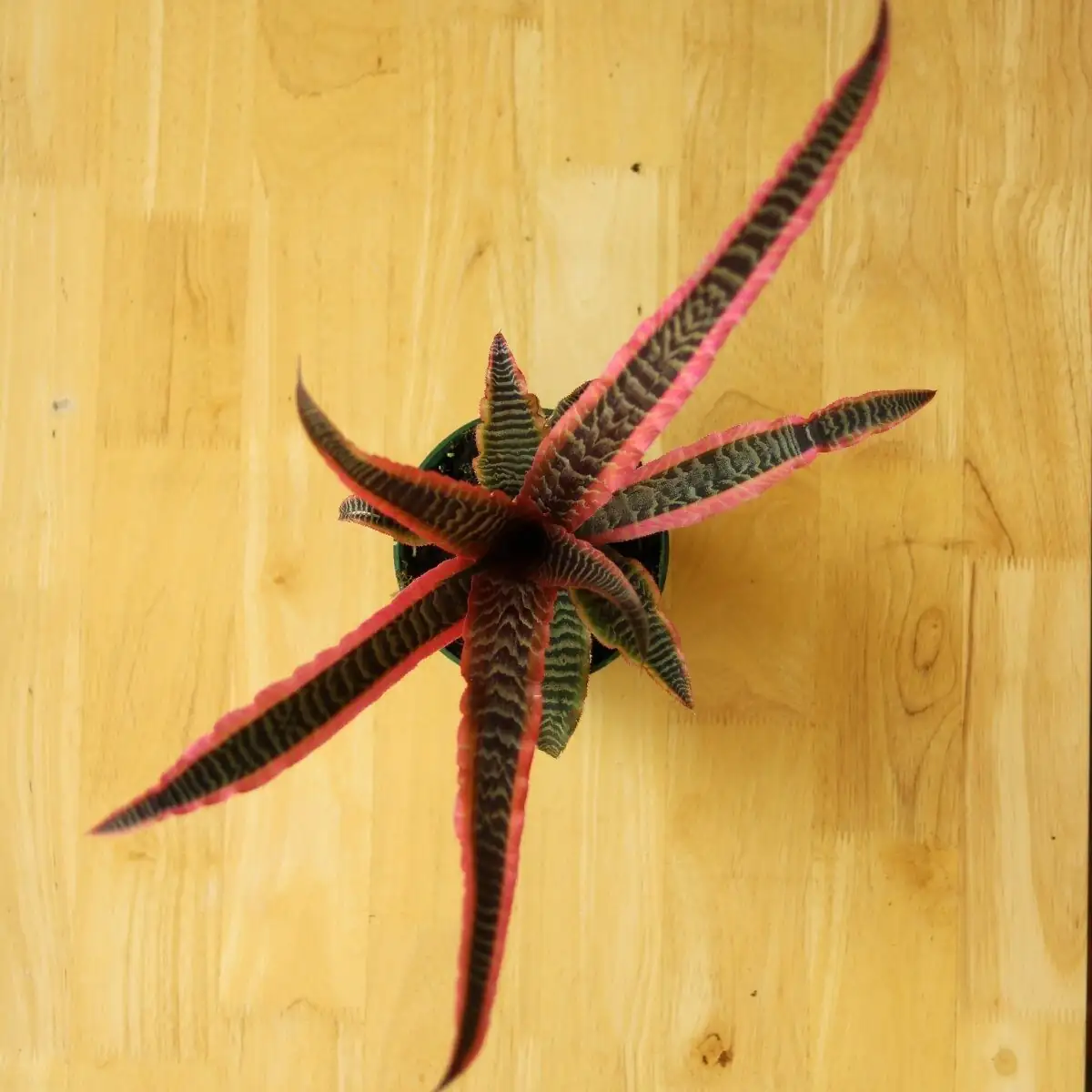
- Cryptanthus (Earth Stars; smaller species/cultivars)
- Slow-ish rosette, 8–15 cm wide; loves humidity and bright indirect light.
- Excellent focal contrast—just keep crowns dry and substrate airy to avoid rot.
Optional jewel-box accent:
- Ludisia discolor (Jewel Orchid; mini division only)
- Velvet, pinstriped foliage and slow growth. Place as a solitary accent in larger builds; keep evenly moist but not wet.
What Not to Invite (or to use very sparingly)
- Ficus pumila (Creeping Fig): Wonderful plant, but a fast spreader that can overrun small builds.
- Soleirolia soleirolii (Baby’s Tears): Often too vigorous; trims become frequent.
- Tradescantia and large Syngonium/Calathea: Tend to outgrow and shade Fittonia quickly.
- Tall ferns (Maidenhair, larger Pteris, big Bird’s Nest types): Gorgeous, but too tall or leafy for small compositions.
Design Like a Cloud-Forest Curator
Contrast and Texture Play
- Vein vs. velvet: Pair pink-veined Fittonia with Peperomia caperata ‘Rosso’—the corrugated, burgundy undersides make the veining pop.
- Mosaic vs. mist: Fittonia’s crisp nets over a low drift of Selaginella create a “fog over forest floor” effect.
- Cool metals: Silver Pilea libanensis/aquamarine tones soften intense Fittonia colors like a pewter frame around stained glass.
- Rosette punctuation: One small Cryptanthus adds starburst geometry without shading.
Scale and Spacing
- Keep everything under 15 cm tall in small terrariums; allow airspace above leaves so nothing presses into the glass.
- Use uneven numbers and asymmetry—1 rosette, 2 mounds, 3 soft groundcover pockets—so your Fittonia reads as the headliner.
- Leave negative space. Empty substrate or moss “breathing room” prevents a cluttered look and reduces maintenance.
“Ready-to-Plant” Palettes
Pink & Pewter Jewel Box (closed terrarium or bright bathroom shelf)
- Fittonia albivenis (pink-veined)
- Pilea libanensis (silver-aquamarine carpet, lightly pruned)
- Peperomia caperata ‘Rosso’ (compact mound)
- Pockets of pillow moss at edges
Mossy Mosaic Meadow
- Fittonia albivenis (white- or red-veined)
- Selaginella kraussiana ‘Aurea’ (cushiony islands)
- Peperomia prostrata (fine trailing rim)
- A single mini fern (Hemionitis arifolia) tucked rear-left as a vertical whisper
Earth-Star Spotlight
- Fittonia albivenis (white-veined)
- Cryptanthus (small cultivar) as the sculptural co-star
- Hypnum moss as a soft path
- Peperomia rotundifolia around hardscape for gentle round-leaf repetition
Build and Care so Everyone Thrives
Substrate and Planting
- Use a moisture-retentive yet airy tropical mix: coco/peat base with perlite and a touch of fine bark or coarse sand.
- In closed terrariums, create a drainage layer only if your container lacks depth control; more important is an airy, well-structured mix so roots never sit in a bog.
- Plant Fittonia where it can trail or gently spread; let companions occupy corners and pockets rather than blanketing the whole base.
Light, Heat, and Humidity
- Bright, indirect light to partial shade—no harsh midday beams on glass.
- Aim for 60%+ humidity; closed terrariums, warm bathrooms, or a pebble tray/humidifier work wonders.
- Keep the scene warm (about 18–25°C). Avoid cold windows, AC blasts, or heater gusts.
Watering Rhythm
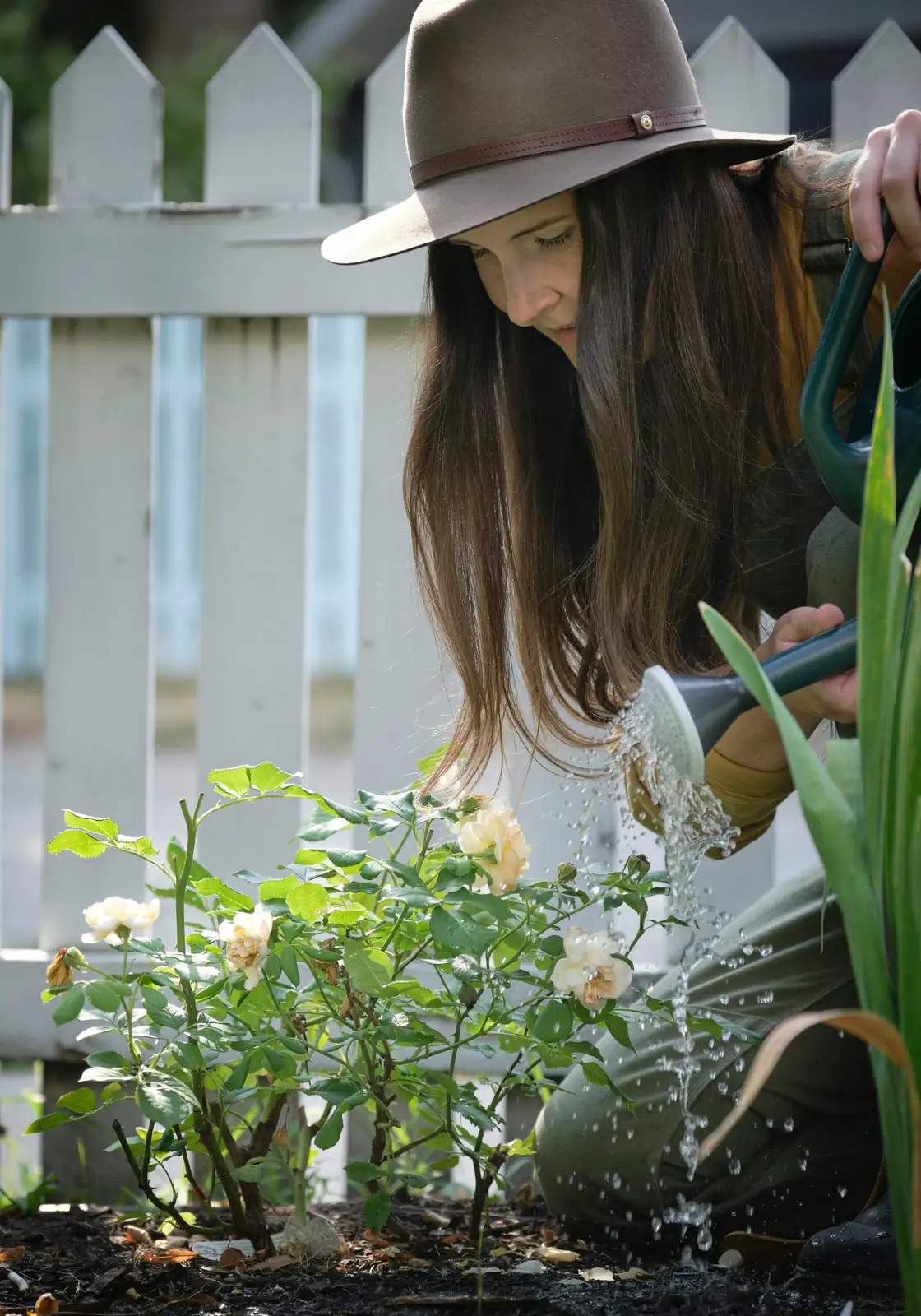
- Keep the mix evenly moist—water thoroughly when the top 1–2 cm feels just slightly dry.
- If your Fittonia “faints,” water promptly and stabilize humidity; it usually perks up within hours.
- In closed terrariums, watch for fogging and condensation; air out briefly if persistently steamy to prevent rot.
Pruning and Feeding
- Pinch Fittonia tips to encourage a fuller mat and curb trailing lengths.
- Shear Selaginella and Pilea lightly to maintain contours; lift and thin mosses as needed.
- Feed lightly in spring–autumn (half-strength, every 2–4 weeks); ease off in winter if growth slows.
Pests and Cleanliness
- Spider mites can show up in dry air; mealybugs and aphids can hitchhike in. Treat early with insecticidal soap, repeating per label.
- Keep airflow gentle and substrate airy to avoid rot. Remove yellowing leaves promptly.
Pet-Friendly Note
- Fittonia is generally regarded as non-toxic to cats and dogs. Still, discourage nibbling—any plant can upset a sensitive stomach.
Styling Extras that Elevate
- Hardscape: Dark driftwood or charcoal-gray stones make Fittonia’s veining glow.
- Color echoes: Repeat vein colors subtly—burgundy undersides of Peperomia ‘Rosso’ for pink-veined Fittonia; silver Pilea for white-veined varieties.
- Negative space: A crescent of bare, damp-looking substrate framed by moss reads like a forest path and keeps maintenance easy.
Symbolism, briefly
Fittonia is often associated with vitality and “living artwork” thanks to its vivid, netted veins. Flower-language traditions are cultural rather than botanical, but the theme fits: this plant turns humidity and steady care into a daily, living mosaic—small in size, big in presence.
Quick Partner Shortlist
- Carpeters: Selaginella kraussiana/apoda; pillow or sheet mosses
- Mini ferns: Hemionitis arifolia; Nephrolepis ‘Duffii’
- Small Peperomia: caperata group (‘Rosso’, ‘Napoli Nights’), prostrata, rotundifolia
- Silvery foils: Pilea libanensis/glauca
- Compact rosettes: Cryptanthus (small cultivars)
Design for steady humidity and gentle growth, and your nerve plant’s painted leaves will stay front-and-center—no towering bullies, no shade wars, just a harmonious, slow-growing micro-jungle that looks better every week.