

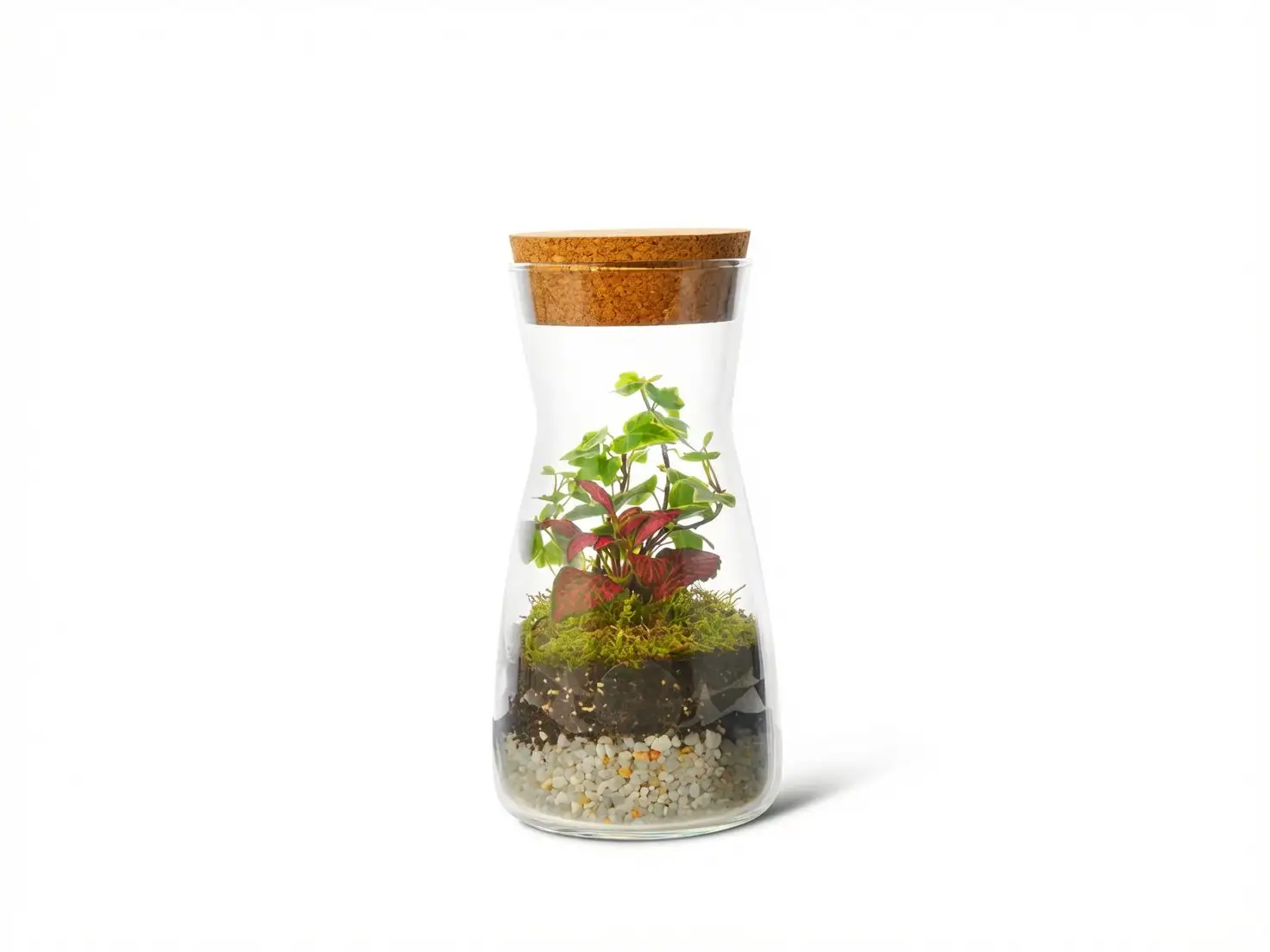
If you love the steady, tinkering rhythm of plant experiments, Fittonia albivenis (nerve plant) is an irresistible little lab partner. Its rainforest-ready roots adore constant moisture, its leaves are living mosaics, and it performs beautifully in simple water culture—no potting mix, no mess. The method is reassuringly methodical: rinse the roots clean, give the jar fresh water every 7–10 days, feed ultra-dilute nutrients every two weeks, keep it in bright, indirect light, and never splash solution on those delicate leaves. Here’s your field guide.
Why Fittonia Works So Well in Water
- It’s built for steady moisture. In the wilds of western South America (especially Peru, also Colombia, Ecuador, and Bolivia), Fittonia creeps through warm, humid understories. In a jar, constant hydration mimics that comfort zone.
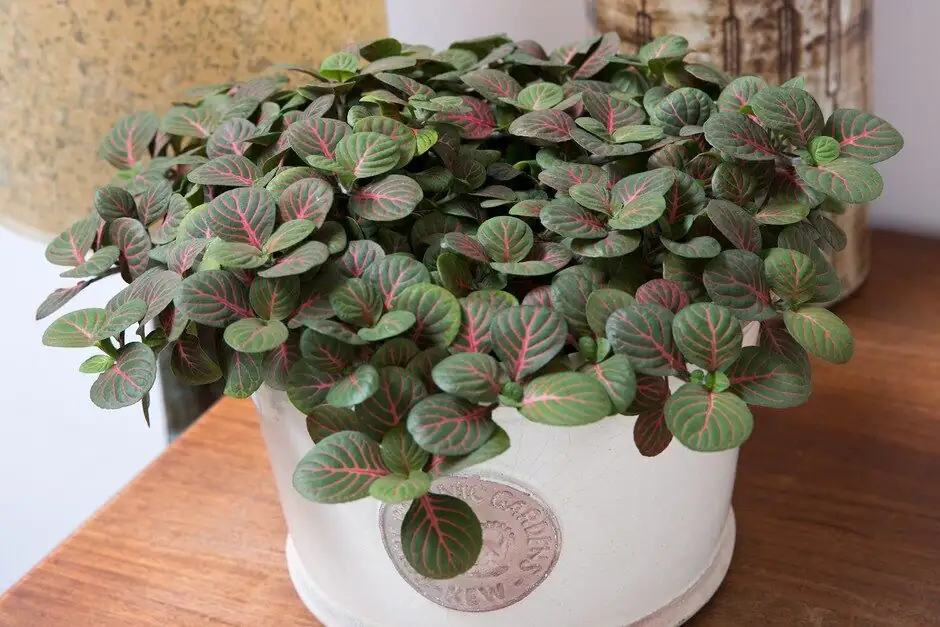
- Its compact habit shines. Usually 10–20 cm tall with an 8-inch spread, it can trail 30–60 cm over time—gorgeous arching out of a vase or bottle.
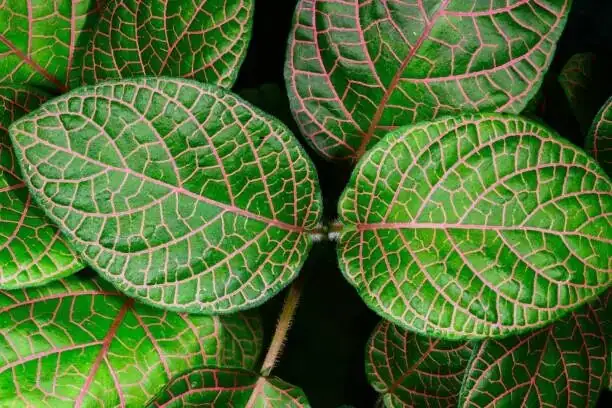
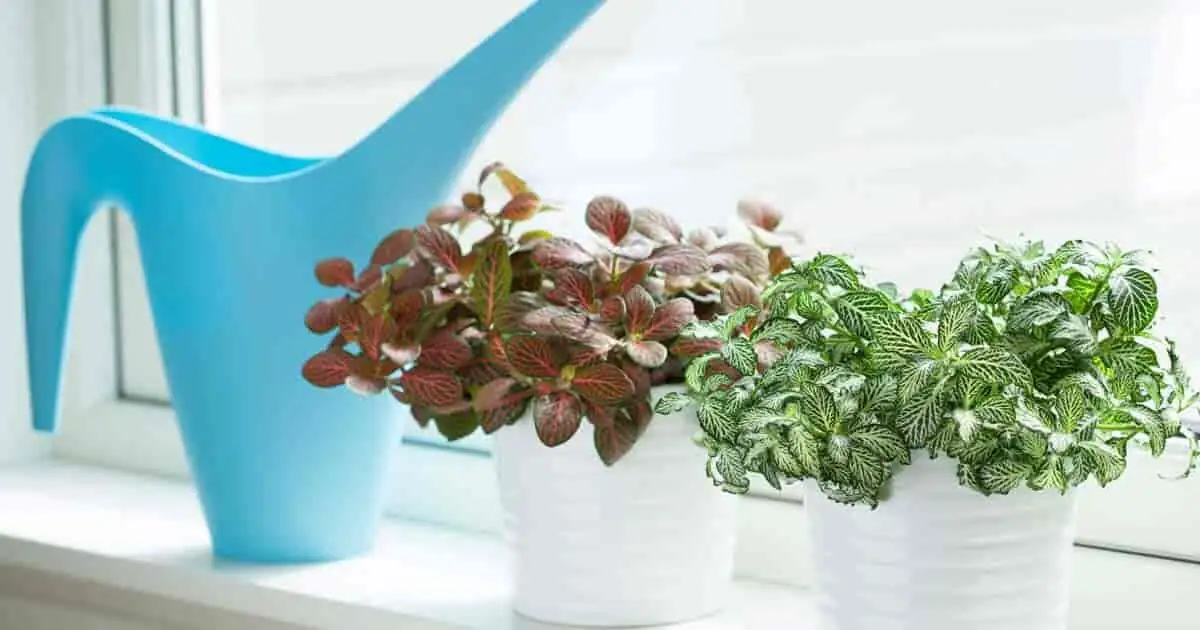
- The leaves are the show. Deep-to-light green ovals laced with pink, white, or red veins; the small flowers are modest and often pinched off to focus on foliage.
- It loves bright, indirect light and high humidity (ideally 60%+). Bathrooms, kitchens, and terrarium-style setups are perfect.
- It’s pet-friendly (generally non-toxic to cats and dogs), though any plant nibbling can still upset tummies.
Your Hydro Toolkit
- Containers: Glass lets you admire roots; ceramic or tinted glass helps curb algae. Choose a vessel that comfortably fits the roots without drowning the crown.
- Water: Clean, room-temperature tap water usually works. If heavily chlorinated, let it sit overnight before use.
- Nutrients: A hydroponic formula you can dilute to ultra-light strength. Think 1/8–1/4 of the label rate every two weeks during active growth.
- Tools: Soft toothbrush for root cleanup, long tweezers, pruning snips, a small funnel or syringe for precision feeding (great for leaf-splash avoidance).
- Optional: A dark sleeve for clear vases (reduces algae), and a gentle fan nearby for summer airflow.
Step-by-Step: Transitioning from Soil to Water
- Select your plant (or cuttings)
- Choose a Fittonia with firm stems and crisp, richly colored leaves. Avoid limp, yellowing, or pest-ridden plants.
- Cuttings root very easily: take 5–10 cm tips with several nodes and remove lower leaves.
- Rinse the roots
- Unpot and soak the root ball in lukewarm water to loosen mix.
- Gently tease away all soil, rinsing until roots run clean. Trim mushy, brown, or dead roots.
- Handle leaves lightly—they bruise and crease easily.
- Position in the vessel
- Fill with room-temperature water; submerge bare roots only. Keep the waterline just below the crown and leaf bases.
- Secure stems so they don’t slump into the water. Avoid splashing leaves as you fill.
- Light and location
- Place in bright, indirect light—an east window or set back from a south/west window is ideal. Avoid harsh direct sun.
- Target warmth around 18–25°C (64–77°F); keep above 15°C (59°F). Protect from cold drafts and blasts of hot or AC air.
- The first two weeks
- Change water at day 7–10. Keep solution off the foliage.
- Add ultra-dilute hydro nutrients once you see active growth or water roots at least 2–3 cm long—then feed every two weeks.
Tip: In summer, ensure gentle ventilation and avoid closed, stuffy heat around the jar.
The 7–10 Day Rhythm (Your Easy Routine)
- Day 1: Fresh water, roots submerged, leaves dry.
- Day 7–10: Full change. Rinse roots under a gentle stream to remove biofilm. Wipe the vase to prevent slime and algae.
- Day 14 (and every two weeks thereafter): Change water + feed ultra-dilute nutrient. Between those feedings, use plain water only.
- Topping off: If water evaporates, top off with plain water. Keep the waterline below leaf nodes and crown.
Bright Indirect Light, Warmth, and Humidity
- Light: Filtered brightness that won’t scorch. If using a grow light, keep it diffused and not too close.
- Temperature: Best at 18–25°C (64–77°F). Below ~13°C (55°F), Fittonia can crash quickly.
- Humidity: 60%+ keeps leaves plump and crisp. Pebble trays or a nearby humidifier help. If you mist, do it early in the day—and avoid wet leaves overnight.
Leaf-Splash Avoidance (And Why It Matters)
Fittonia leaves bruise easily, and standing moisture can mark or invite rot.
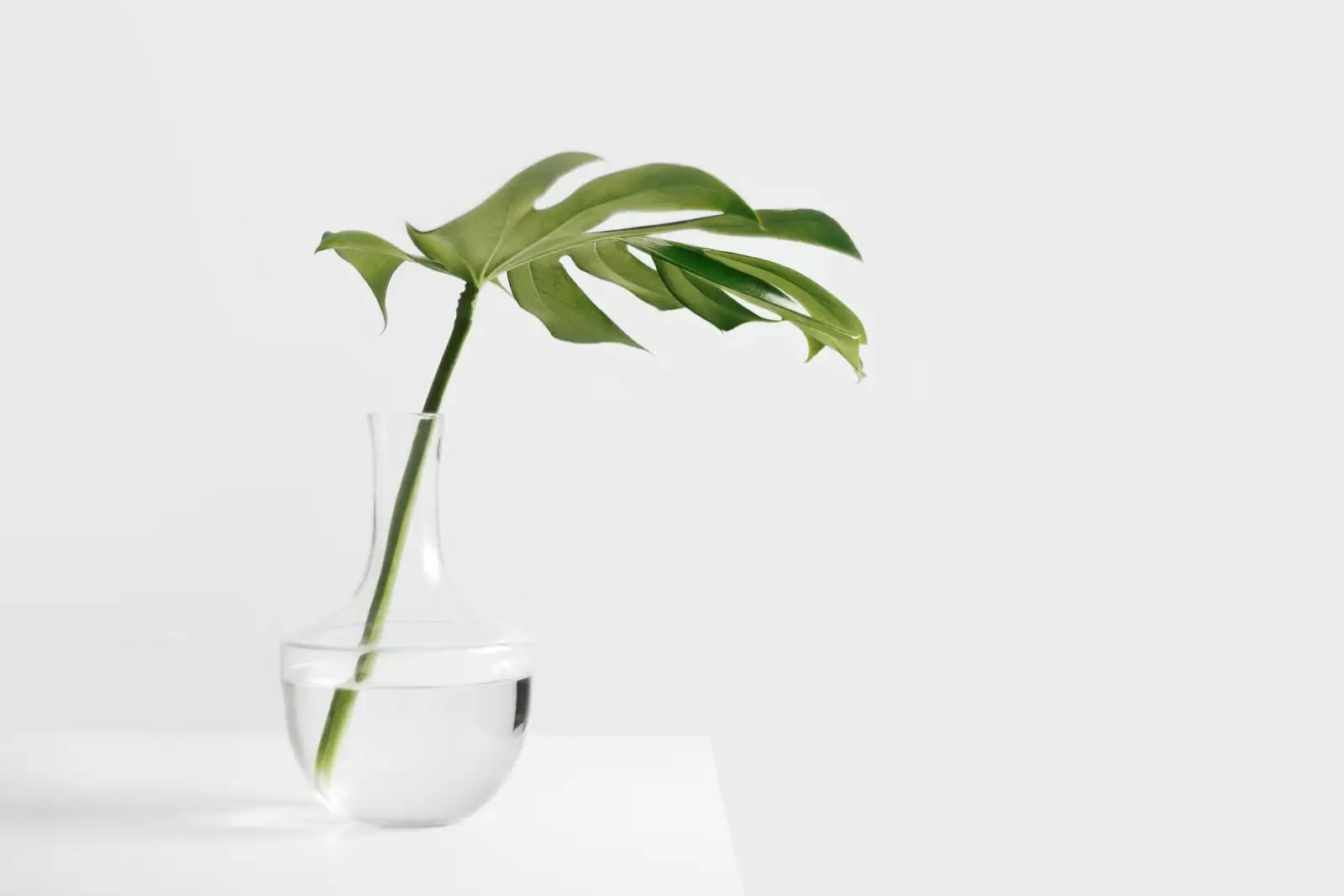
- Keep the crown and leaves dry. Pour along the glass using a spout or syringe.
- If splashes happen, blot gently.
- Nutrient salts on foliage can cause crisped spots—precision matters.
Feeding: The Ultra-Dilute Way
- Frequency: Every two weeks in active growth. Reduce or pause in winter if growth slows.
- Strength: 1/8–1/4 the standard hydroponic label rate. If you use meters, think very low EC (roughly 0.3–0.6 mS/cm).
- Flush: Always alternate with plain water changes—light feed, then plain water, repeat.
- Signs to watch:
- Overfeeding: Leaf-edge browning, sudden algae blooms, gunky roots—back off and flush.
- Underfeeding: Pale new growth—slightly increase strength or frequency, gently.
Shaping, Pinching, and Propagation (All in Water)
- Pinch tips regularly to keep a fuller mat and encourage branching.
- Cuttings root fast in warm, bright shade—often 2–3 weeks at 20–24°C (68–75°F).
- Flowers may appear in warm seasons. They’re small and easily pinched off to direct energy to foliage.
- Over time, trailing stems can be restarted as new hydroculture displays or layered back into arrangements.
Troubleshooting: What Your Nerve Plant Is Telling You
- Wilting/fainting: Famous Fittonia drama. In water culture, check the waterline first; then assess heat, light, and airflow. If roots look brown and mushy, trim and refresh with plain water, then resume ultra-dilute feeding after recovery.
- Yellowing leaves: Common from cold stress, low light, or staying too wet without oxygen exchange (stagnant water). Warm up, brighten gently, and refresh water more frequently.
- Brown or crisp edges: Too much sun, fertilizer burn, or very low humidity. Soften the light, dilute feed further, and boost humidity.
- Algae in the vase: Light plus nutrients. Switch to tinted containers, feed lightly, and scrub at each change.
- Pests: Spider mites love dry air; mealybugs, scale, and aphids can sneak in. Treat early with insecticidal soap or horticultural oil, following label directions, and keep leaves dry post-treatment.
Placement and Safety
- Best spots: Bathrooms, kitchens, bright desks and shelves, terrariums—anywhere warm with filtered light and steady humidity.
- Keep away from cold windows in winter and from heating/AC blasts.
- Pet safety: Generally non-toxic to cats and dogs, but deter nibbling to prevent mild stomach upset.
A Mini Hydro Calendar
- Spring: Start cuttings, pinch for fullness, begin light feeding. Change water every 7–10 days.
- Summer: Fast growth. Maintain the 7–10 day rhythm, keep nutrients ultra-dilute, step up airflow, and shield from harsh sun and stuffy heat.
- Autumn: Continue routine, shape trailing stems, pinch off flowers if you prefer a leafier look.
- Winter: Move to the brightest warm spot, maintain humidity, keep above 15°C (59°F), reduce or pause feeding if growth slows, and avoid leaving foliage wet overnight.
Quick FAQ for Water Culture Tinkerers
- Can Fittonia live in water long-term? Yes. With regular 7–10 day changes, ultra-dilute feeding every two weeks, and bright indirect light, it can thrive indefinitely.
- How high should the water be? Submerge roots only; keep the crown and leaf nodes out of the water.
- Do I need an airstone? Not required if you refresh water regularly, though gentle airflow around the plant helps in summer.
Symbolism: Living Artwork
Fittonia is often linked with vitality and “living artwork.” The dramatic veining resembles a hand-painted mosaic—a web of connection and resilience. While there isn’t a formalized “flower language” tradition attached to this plant, enthusiasts often read its bold leaf patterns as a reminder that life’s beauty is in the networks—of roots, veins, and the quiet systems that keep things thriving.
—
Nerve plant in water culture is equal parts science and serenity: a small jar, a steady schedule, and leaves so vivid they look inked by hand. Keep it bright-but-gentle, change the water like clockwork, feed lightly, and never splash the leaves—and your Fittonia will reward you with lush, evergreen artistry.