

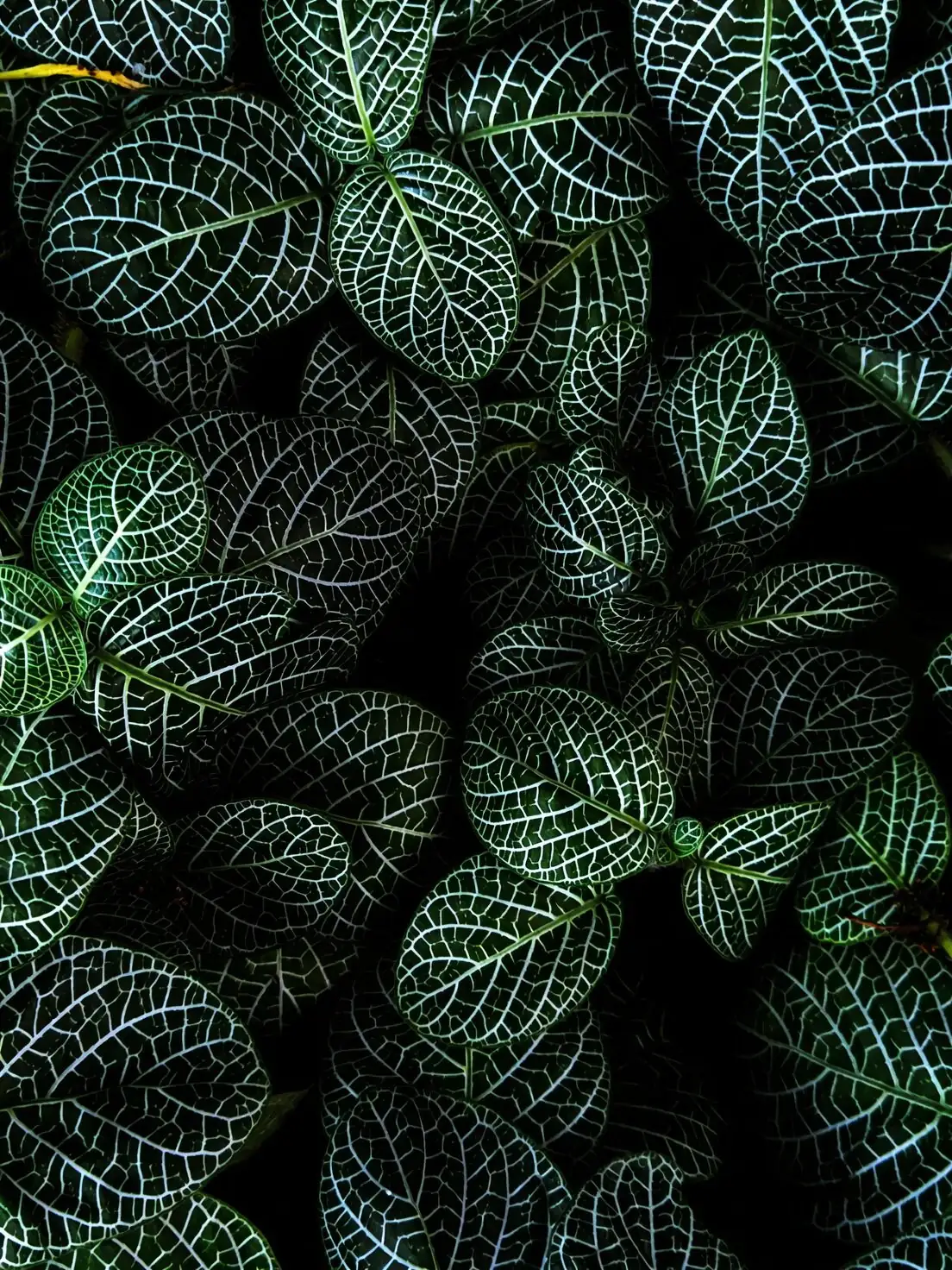
If a plant could pass for living stained glass, Fittonia albivenis would be it. Those petite, oval leaves laced with neon veins look hand-painted—no wonder it’s become a darling of desks, bathrooms, and terrariums. But does this rainforest native come with a traditional “flower language”? Or are today’s meanings—vitality, creativity, living artwork—modern inventions? Let’s fact-check the lore, then show you how to place, care for, and gift this mood-boosting, generally pet-safe beauty.
Flower language, fact-checked: tradition vs. today
- Traditional flower language (think Victorian floriography or East Asian hanakotoba) doesn’t have a documented entry for Fittonia. There’s no established, historical “meaning” attached to this plant.
- The symbolism you’ll see now—vitality, creativity, and “living artwork”—springs from contemporary houseplant culture, design trends, and the plant’s own behavior and look.
In other words, Fittonia’s meanings are modern, but they’re anything but arbitrary. The plant practically writes its own metaphor:
- Vitality and resilience: It’s famously the “fainting plant,” collapsing dramatically when too dry, then perking up within hours of a thorough drink. That bounce-back has become a symbol for recovery and life force.
- Creativity: Its mosaic-like veining—often pink, but also white or red—sparks artistic comparisons to brushstrokes, neural pathways, or delicate embroidery.
- Living artwork: Whether in a terrarium, a hanging basket, or even grown in water, Fittonia’s patterned foliage reads like botanical art you can shape and curate.
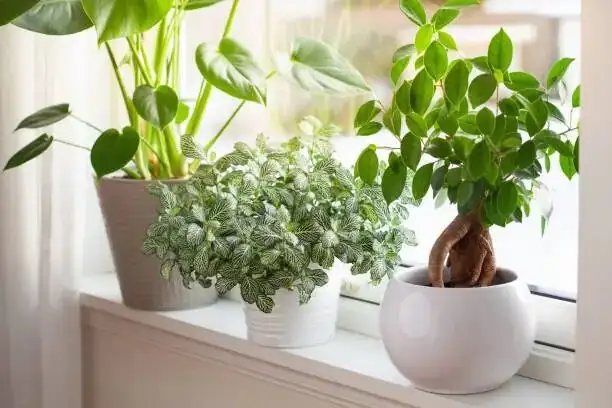
Meet Fittonia albivenis (Nerve Plant), briefly
- Origins: Tropical rainforests of western South America—especially Peru, also Colombia, Ecuador, and Bolivia.
- Habit and size: Low, creeping, and spreading; typically 10–20 cm (4–8 in) tall and about 20 cm (8 in) across, with older stems trailing 30–60 cm (12–24 in) if not pinched.
- Foliage: Small, soft, oval leaves in greens overlaid by vivid pink, white, or red veins. The leaves bruise if handled roughly—go gentle.
- Flowers: Small, pale tubes on short spikes, summer to autumn indoors; not the main show. Many growers pinch them off to focus the plant’s energy on that stunning foliage.
- Personality: Warmth-loving, shade-tolerant, and humidity-hungry—born for bathrooms, kitchens, bright shelves, and terrariums.
Common names you’ll see: Nerve Plant, Mosaic Plant, Pink Nerve Plant (plus the Chinese name 网纹草).
How behavior became meaning
- Vitality in motion: Fittonia wilts fast when thirsty (a theatrical SOS), then rebounds after watering. Gifting one can nod to someone’s resilience or a fresh start.
- Creativity on a leaf: The netted veins look like tiny capillaries or neon threads—perfect for studios, study nooks, and home offices where you want ideas to spark.
- Living artwork, curated by you: These plants stay compact, respond well to pinching and shaping, and thrive in terrariums—like a tiny gallery you edit with every snip.
Feng shui with Fittonia: invite gentle energy and growth
While feng shui interpretations vary, Fittonia’s Wood element vibes and lively veins make it a natural symbol of growth and renewal. Try these placements and principles:
- Best directions and rooms:
- East (family/health) to encourage fresh starts and steady growth.
- Southeast (wealth) for a subtle, cultivated abundance.
- Workspaces or study areas to energize focus and creativity.
- Pot and form:
- Green or brown pots support Wood energy; a rectangular shape can feel grounded yet expanding.
- Keep the Qi healthy:
- Thrives in bright, indirect light and consistent humidity—bathrooms and kitchens work beautifully if they’re bright.
- Avoid harsh midday sun, cold or hot drafts, and soggy soil—stagnation and stress dull the plant and the energy.
- Remove tired leaves, pinch for fullness, and replace an ailing plant if it truly declines; in feng shui, vibrant plants keep Qi moving.
When to gift a Fittonia (and why it lands so well)

- Housewarming or dorm move-in: Compact, eye-catching, and happy on bright shelves or desks.
- New job, fresh project, or studio setup: A symbol of creativity and focus, especially cultivars with electric pink or crisp white veining.
- Get-well or “you’ve got this”: Its dramatic wilt-and-revive routine makes a memorable emblem of resilience.
- Terrarium-curious friends: Fittonia is practically made for glass gardens and mini biospheres.
- Pet households: Generally regarded as non-toxic to cats and dogs. Still, any plant nibbling can cause mild stomach upset—place it out of reach of avid chewers.
Care that keeps the “living artwork” vibrant
- Light: Bright, indirect light to partial shade. East windows are great; set back from south or west light. Avoid strong direct sun that can scorch or fade the veining.
- Water: Keep the mix evenly moist, never waterlogged. Water thoroughly when the top 1–2 cm (0.4–0.8 in) feels slightly dry. If it “faints,” water promptly and aim for more consistent moisture going forward.
- Humidity: Loves 60%+ humidity. Terrariums are ideal; otherwise use a pebble tray or humidifier. Brief misting is fine, but avoid leaving foliage wet overnight.
- Temperature: Warm is key—about 18–25°C (64–77°F) is the sweet spot. Try to stay above 15°C (59°F) and protect from drafts and heater/AC blasts.
- Soil: Moisture-retentive but airy—peat or coco base with perlite (plus a little coarse sand if you like). Always use drainage holes.
- Feeding: Spring through autumn, a balanced liquid fertilizer at half strength every 2–4 weeks. Ease off in winter if growth slows.
- Pruning: Pinch tips to encourage branching and a fuller cushion of leaves. Remove flowers if you want to channel energy into foliage.
- Repotting: Every 1–3 years in spring, or when root-bound. Upsize just one pot size to avoid prolonged wetness.
- Pests and pitfalls: Spider mites love dry air; mealybugs, scale, aphids, and fungus gnats may appear. Keep airflow gentle, the mix airy, and treat early with insecticidal soap or horticultural oil as needed.
Terrariums and water-culture displays
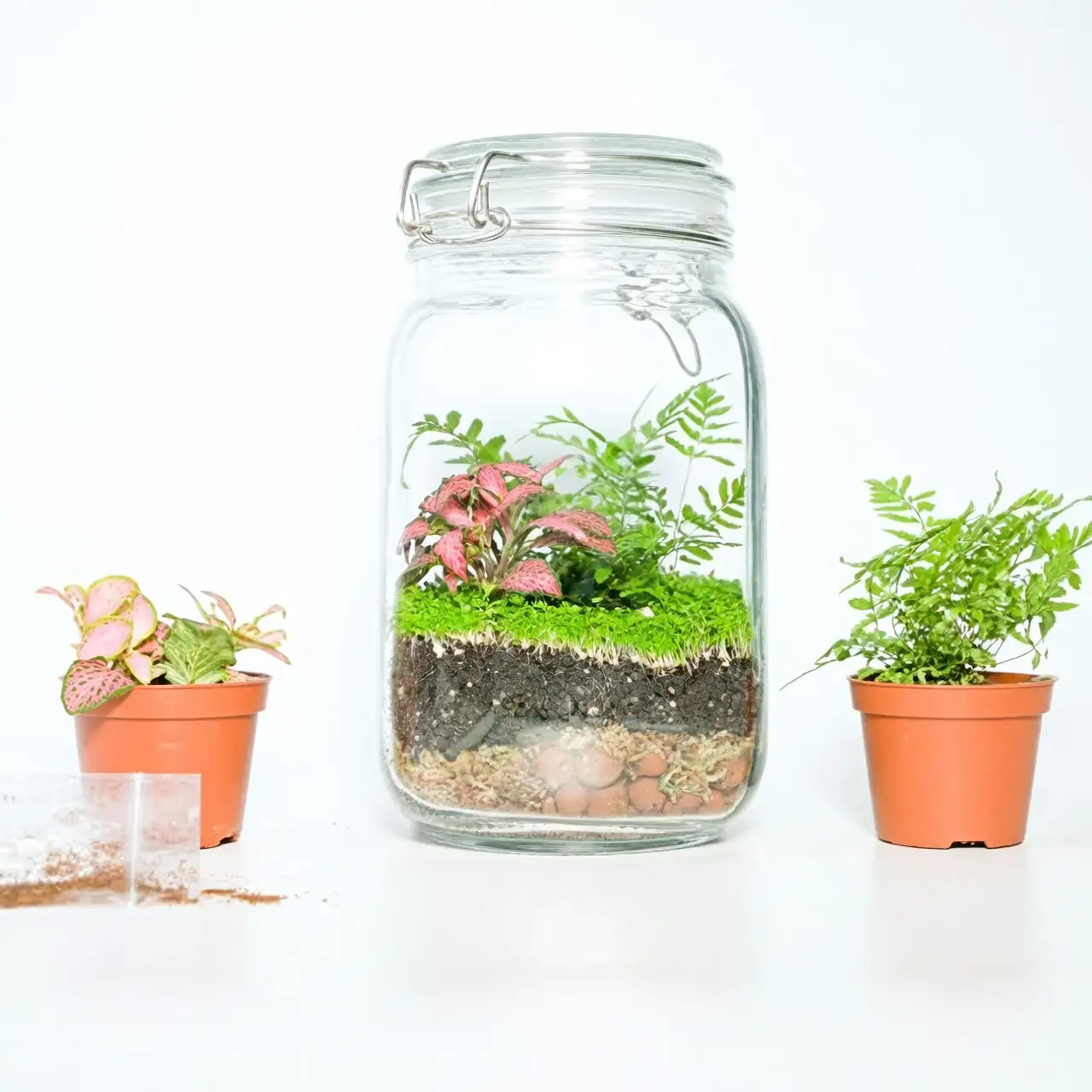
- Terrariums: Fittonia is a star—steady humidity, cozy warmth, and soft light suit it perfectly. Use a well-draining substrate and water conservatively to avoid waterlogging.
- Water culture (hydro): Rinse soil from roots (or start with water-rooted cuttings). Keep in bright, indirect light. Change water every 7–10 days during active growth and add very diluted hydroponic nutrients about every 2 weeks during propagation. Keep solution off the leaves and ensure good ventilation; no direct sun.
Quick myth-busting
- “It’s a low-light plant, right?” It tolerates shade but shows best color and vigor in bright, indirect light. True low light can lead to sparse, dull growth.
- “Is it easy or fussy?” Easy to moderate: simple if you keep moisture and humidity steady, but it reacts quickly to drying out, harsh sun, or cold.
- “Safe for pets?” Generally regarded as non-toxic to cats and dogs. Even so, prevent nibbling to avoid mild stomach upset and leaf damage.
Why Fittonia’s modern meanings feel so right
No ancient scroll ever assigned Fittonia a secret message. Yet few plants telegraph their needs—and their comeback—so visibly. In an age that celebrates mindful spaces and creative routines, this rainforest mini-masterpiece doubles as a daily reminder: balance moisture, protect your edges, reach for the light—and watch your colors glow.